The Sifford Sojournal

Our journal of what we pray is our sojourn of life along the narrow way, even the old paths, submitting to the Bible as a light unto both.

Page 86 of 95

Providence’s Perpetuation Provisions: New Kid “Tapioca”

We recently obtained a doe Pammy that had been brought down to the land from Mrs. Judy’s herd. We had placed her with Shatner our buck, and Thursday she gave birth to her first kid. Please meet Tapioca, because she’s the same color as tapioca pudding — we’ll probably call her Tappi mostly 🙂 :


She seems to be very healthy and is getting around and suckling, and Pammy seems to be doing the proper mothering things:


We once again thank the Lord for Him granting the provision of Pammy and her new doe, and we pray for help and guidance to take care of His gifts properly and biblically.

— David

Providence’s Perpetuation Provisions: New Calf “Lajoya”

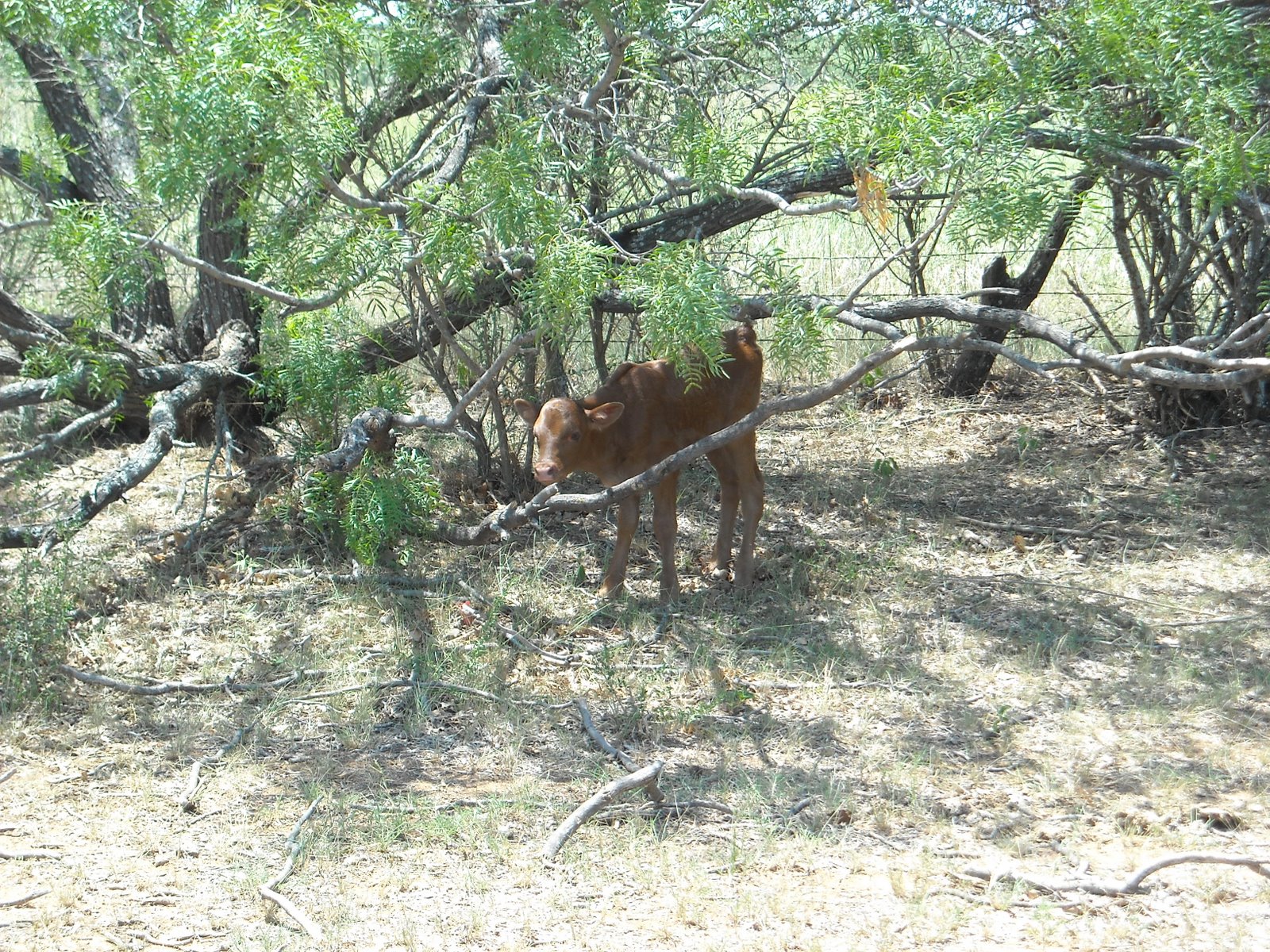
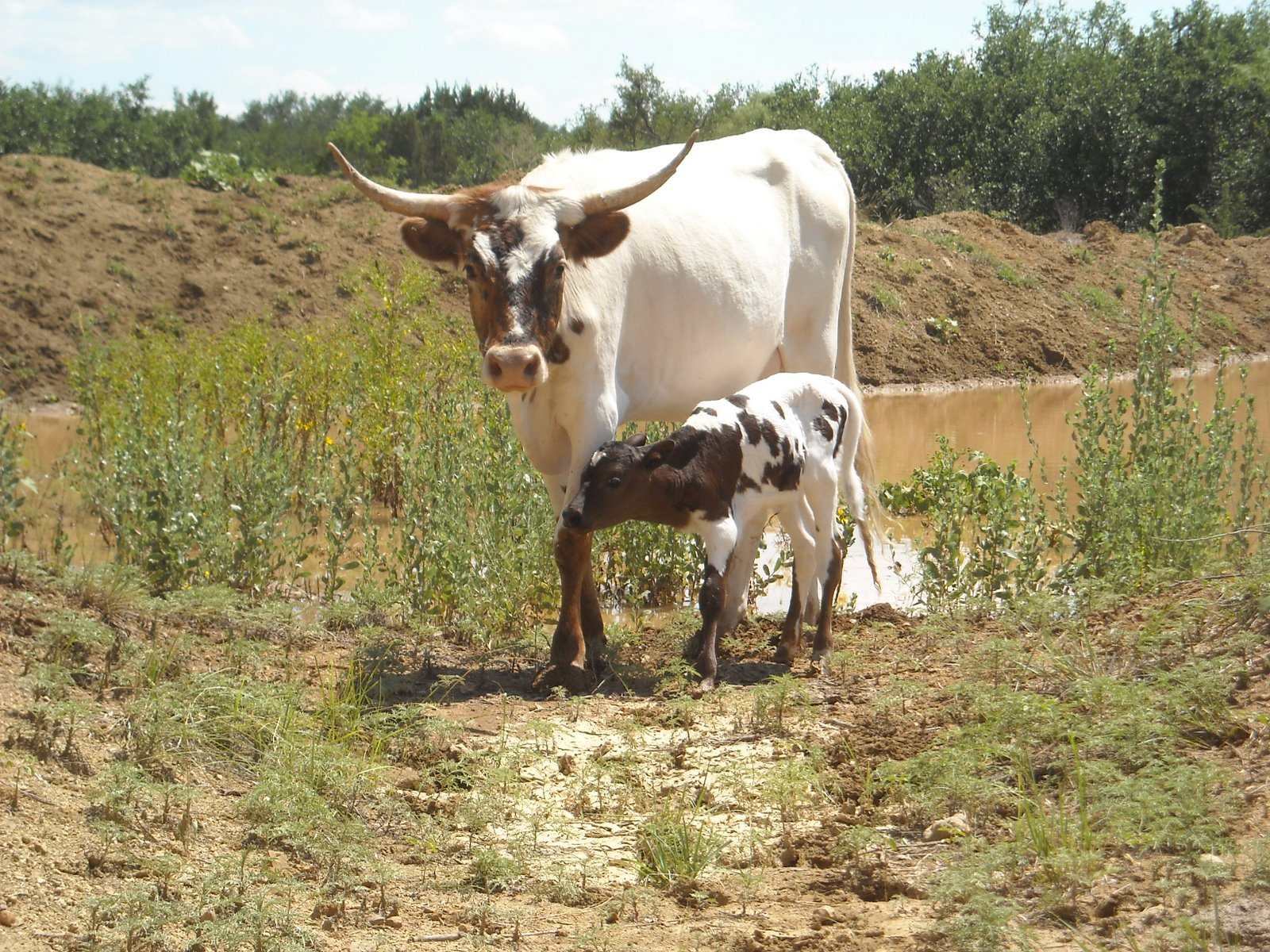
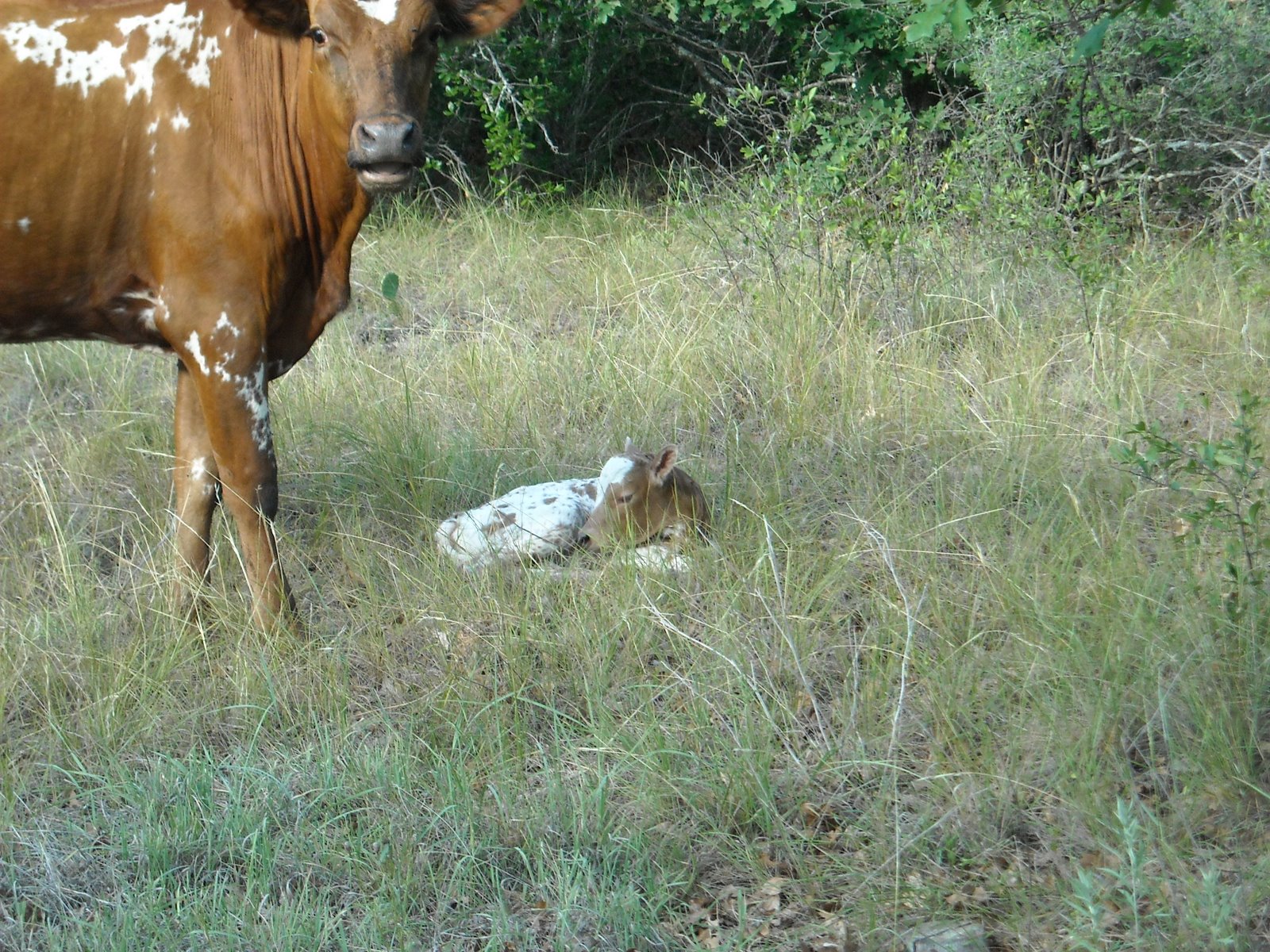
The Lord by His graces and mercies saw fit to allow a calf to be born three or four days ago to one of our heifers, Tiara. Please meet our new heifer calf Lajoya, which in Spanish as two words (la joya) means “the jewel” — a jewel being something that might come from a tiara. 🙂 :

Tiara is the little calf you see walking next to her mother Amistosa in the first picture of our blog post introducing the cattle. And now with Tiara having her first calf, Lajoya is the first grandcalf from one of Sue’s and my cows.

Here is a video of her just a day or two after being born. We’ve seen her prancing around in the morning and evening, and so I think daytime is sleepy time:


We thank God once again for His gracious provisions and blessings!

— David

A House

Now that several of the larger, what we would call important, projects have been fairly completed, the Lord has graciously granted us the resources to be able to begin working on a house. We hope to have a very simple, southern-styled one, with fireplaces for warmth, and no electricity.

And so the ground-breaking began. Here is the site before any clearing:

I was able to use a bulldozer from a neighbor to knock down the trees:

Here is the same picture as the one above after the tree felling:

And here is the land mostly cleared, with unsaved branches in a burn pile:

Finally, this is the firewood we were able to put up from the felled trees:

Lord willing, we’ll post updates as things progress. We are grateful to God for allowing us to begin this project.

— David

Homemade Fat Lamp

In doing a little more research on fat lamps, I decided to try making one myself using baling wire and a mason jar. Basically, the wire would be coiled and shaped so as to hold the wick (a mop head string), and a handle would be included to be able to pull out the wick and wick holder. Here’s how I did it:

I wrapped the wire around a pencil. For the mop string we had though, the coil ended up too large; and so, I bent the coils to make them smaller:

This is the completed wick holder:

And here it is with the lard-saturated wick in place:

This is the wick holder and the wick now in the jar. Before I placed them in, I put several table spoons of lard into the jar and mashed them with the spoon to flatten them out:

Finally, here the lamp is lit:

Thankfully, the wick holder handle doesn’t seem to get hot when using the fat lamp.

We again are grateful for the Lord’s provisions; for Christ Jesus, the Light of the world, the Light of life (John 8:12); and for His Word, a light unto our feet and a lamp unto our paths (Psalms 119:105)!

— David


Garden 2009 – Spring – Update I

The Lord has been gracious and merciful in granting the water provisions and growth thus far for our garden. We thought we’d just post a progress update.

Here are the onions, cabbage, and a few tomato plants in the first bed; and carrots in the second:

Again the carrots; squash, zucchini and cucumber in the next bed; green beans in the bed after that; and peppers and okra in the one after that (although you probably can’t see those too well):

These are more tomato plants:

And finally, the green shading you see in the cleared area are turnip sprouts. We also planted turnips in a tilled portion of our field (not pictured). We are hoping to grow them for ourselves, but mostly as animal feed:

We thank God for the progress on the garden and all of His provisions for it.

— David

Providence’s Providential Provisions: Wild Hogs

Around 6PM two evenings ago, a couple of the men spotted some wild hogs hanging around our (Sue and my) domestic ones. Well, we rounded up a couple more of the guys, and the hunt began! We were able to nab three of the four; they didn’t go easily, some being shot several times before a finishing shot to the head was required.

And then the butchering began, with 7 or 8 folks involved. It was probably about 45 minutes to an hour before sundown, and so we all put it into high gear, trying to get them skinned, gutted and quartered before dark. With all of the practice we’ve had, we were able to get it done pretty much with no problem.

Apparently, the wild hog population is exploding and becoming a real problem, which is bad in that they can be destructive to land and animals, but good in that there’s a bunch of free meat running around.

And so, we are very grateful to the Lord for granting this food. He is most gracious and merciful.

1 Tim 6:8 – “And having food and raiment let us be therewith content.

— David

Cheese Waxing

Our neighbor mentioned one day that the local market was having a great sale on cheddar cheese. Dave suggested we buy several pounds to take advantage of the price. I include cheese in many of our meals but not enough to consume that much before it would start to go bad. Then during one of our church get-togethers, another neighbor mentioned that you can preserve cheese in wax. I had seen wax-covered cheese in the deli’s and grocery stores all my life but had never thought much about it. I thought it was a marketing gimmick or something.

We decided to buy a five pound block of red cheese wax from New England Cheesemaking Supply Company, and it arrived in just a few days:

The instructions called for a double-boiler in order to not burn the wax, so I dutifully went out and bought one. That was my first mistake. They said you should have dedicated utensils and containers because working with wax pretty much ruins them for other uses. I then asked myself, “What was I thinking. Why would I want to ruin a brand new double boiler for this use??!” I decided to keep the double boiler because I didn’t have one and it is an integral component of good kitchen utensils. So I ended up putting water in the bottom of the double boiler and setting in it an old stainless steel bowl which ended up working just as well. I hope to find a used large saucepan at a thrift store in which to put the steel bowl for a makeshift double boiler in any future cheese waxing:

I cut a small block of wax off of the large block and placed it in the bowl to start melting:

It really didn’t take long for the wax to melt at a low heat:

At first I tried using tongs to hold the cheese as I dipped it, but that seemed to be a bit slippery, and the cheese ended up being dropped. Also, we had purchased a cheese wax brush to dip and brush the wax onto the cheese. That was my second mistake. The brush proved to be pretty useless because it didn’t provide for a thorough coating, and the process was very time consuming. Dave suggested perhaps cutting the cheese (alright, enough snickering) into smaller sizes and dipping them in half at a time with clean hands, letting that dry, and then dipping the remaining half. That seemed to work really well:


The instructions called for two to three coats of wax, but since this was my first time, I wanted to coat them really well; so I ended up dipping them about four times. It took only seconds between each dipping for the coating to dry:


Here is the final product ready to be stored for several months!

We figured in storing the cheese it would be best to keep it as far away as possible from any potential mice, so we purchased a few inexpensive hanging baskets and hung them containing the cheese in our root cellar:

I have used a few blocks of the cheese so far, and the wax has proven to work beautifully. It comes off very easily and can be washed, melted and re-used. I highly recommend this method of cheese preservation and thank God for His continued provisions.

Susan

« Older posts Newer posts »