Our journal of what we pray is our sojourn of life along the narrow way, even the old paths, submitting to the Bible as a light unto both.

Category: food (Page 22 of 35)

Providence’s Perpetuation Provisions: First Chicks of 2013

Back in late March, one of our australorp hens went broody, and 3 weeks later, by God’s graces, she hatched out I believe 9 out of 12 eggs (11 were fertilized, but two of the young ones either died pretty quickly or didn’t make it out of the shell), and she raised the others very successfully! She hatched them out originally in our chicken mini-tractor, and then we moved them into the summer kitchen where we had our chicken nursery last year. Finally, just recently, I moved them to the chicken pen. As I mention in the video below, a few of them started getting sick in a day or two after moving them to the pen, and sadly, one died. I started feeding the other two that didn’t look well a little elixir the Lord granted I come up with — using an at least 3cc dropper, fill it with 1/4 cc angrstrom silver, then up to just past 1.5 cc’s with egg yoke, and up to 3 cc’s with goat milk (I did 2 1/2 for these little ones; rinse it down with semi-clean water — and they appear to be doing much better, thanks to God.

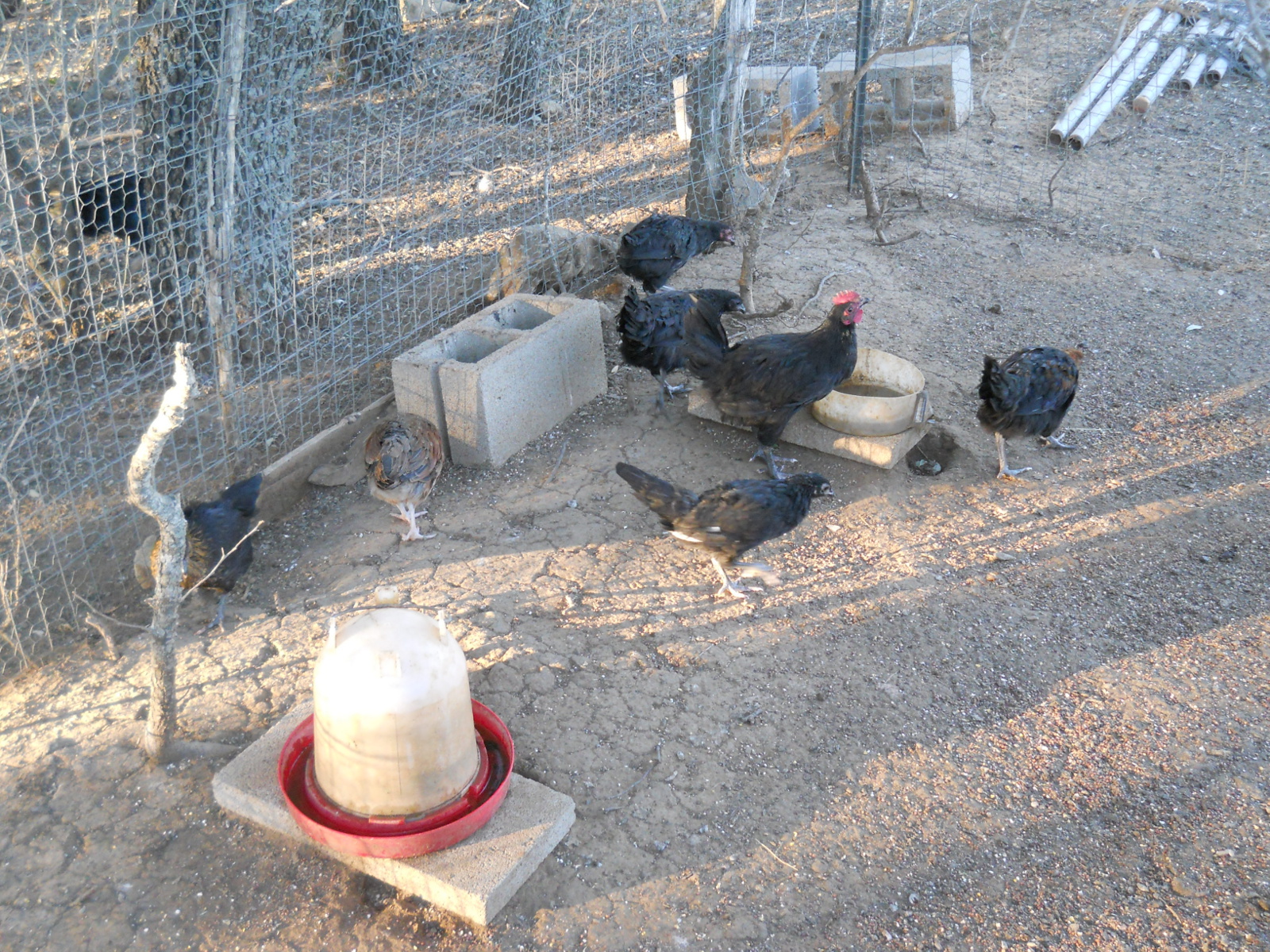
And here they are about 6 weeks into it:

First Chicks of 2013

And here’s a little video, that includes the mother hen:

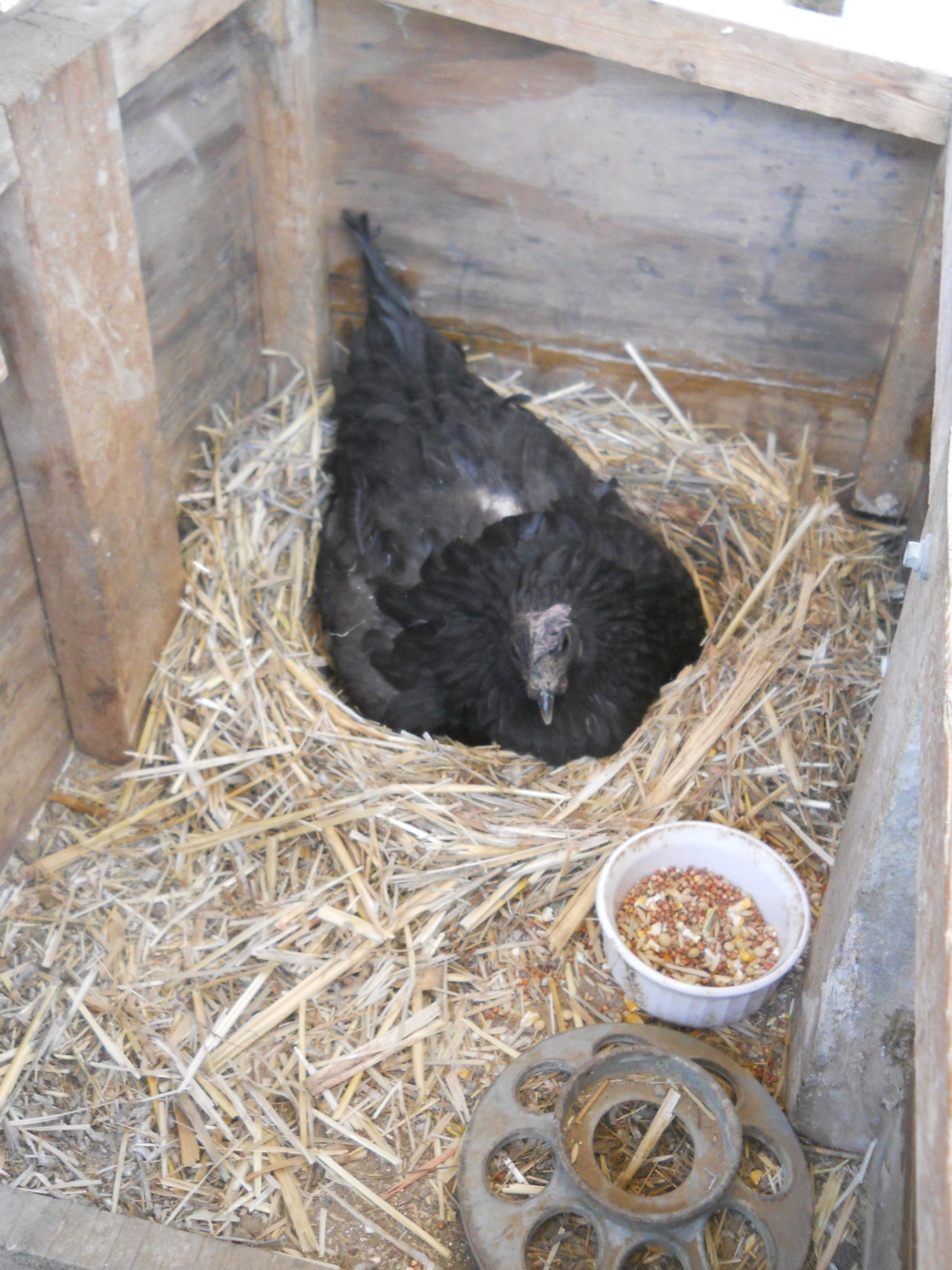
And maybe 12 days ago, another autralorp hen went broody, and here she is in the mini-tractor:

Next Broody Australorp Hen

We are very grateful to the Lord for granting this provision of being able to continue the flock, and we pray they are used for His glory and the benefit of His Church.

— David

Preserving Garlic with Fermentation and Its Health Benefits

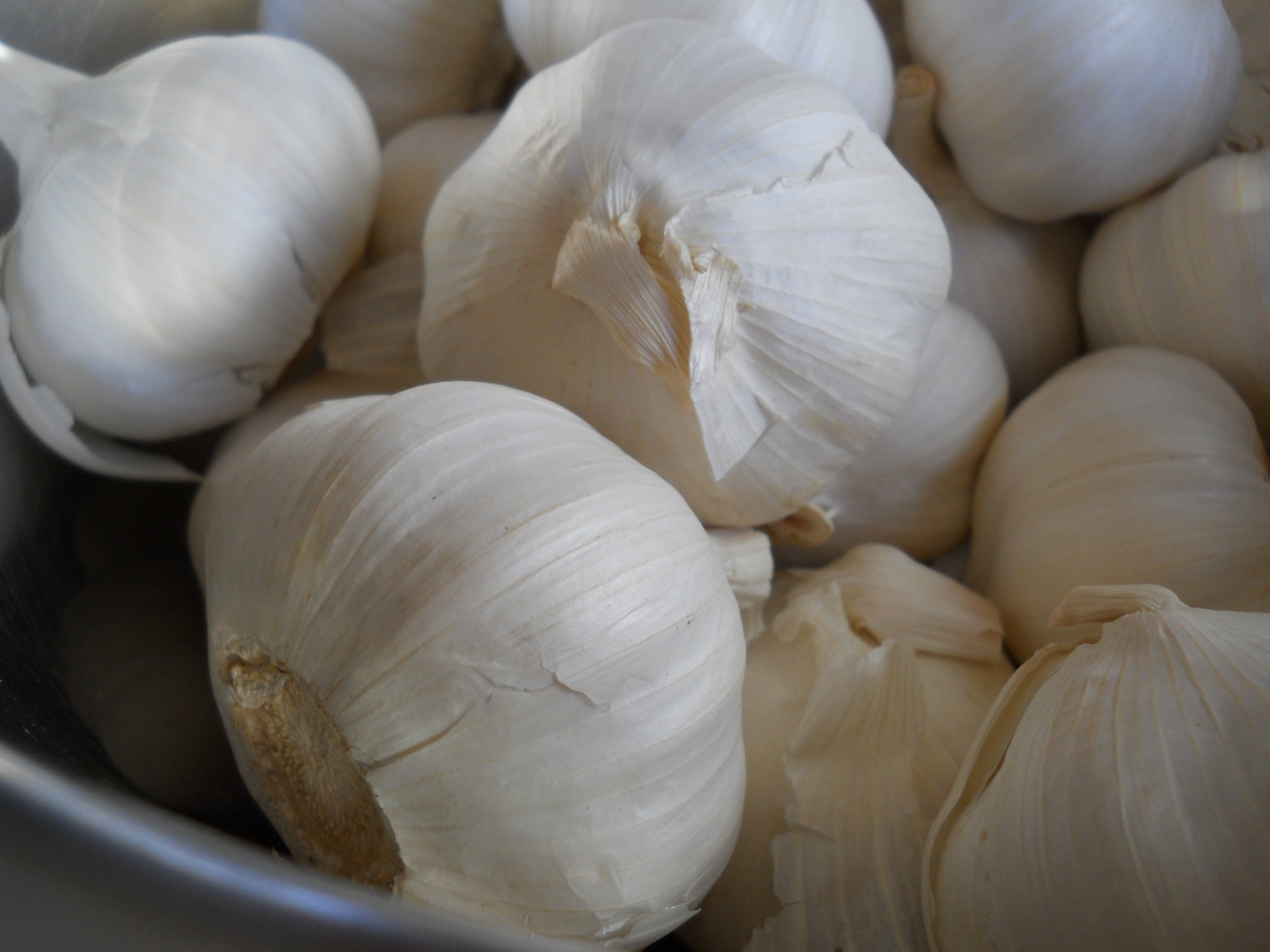
Preserving Garlic - Garlic Bulbs

Last year the neighbor family invited us over for supper. It was a nice time of great food and fellowship. Over the course of the evening, they offered us some preserved garlic to try. It was basically garlic that had been aged in vinegar – that’s it. But it was delicious! I had two all by themselves and really enjoyed them. Apparently, the preservation process makes the edgy/hot garlic taste much milder and easy to pop into the mouth and eat raw. This jogged my memory to several months ago when we originally harvested our very first garlic crop. Our friend, Mrs. Bowman, had commented that she preserves her garlic cloves in cider vinegar, honey and salt. When her husband had a case of swine flu, eating a couple of cloves a day kept her healthy to be able to care for him.

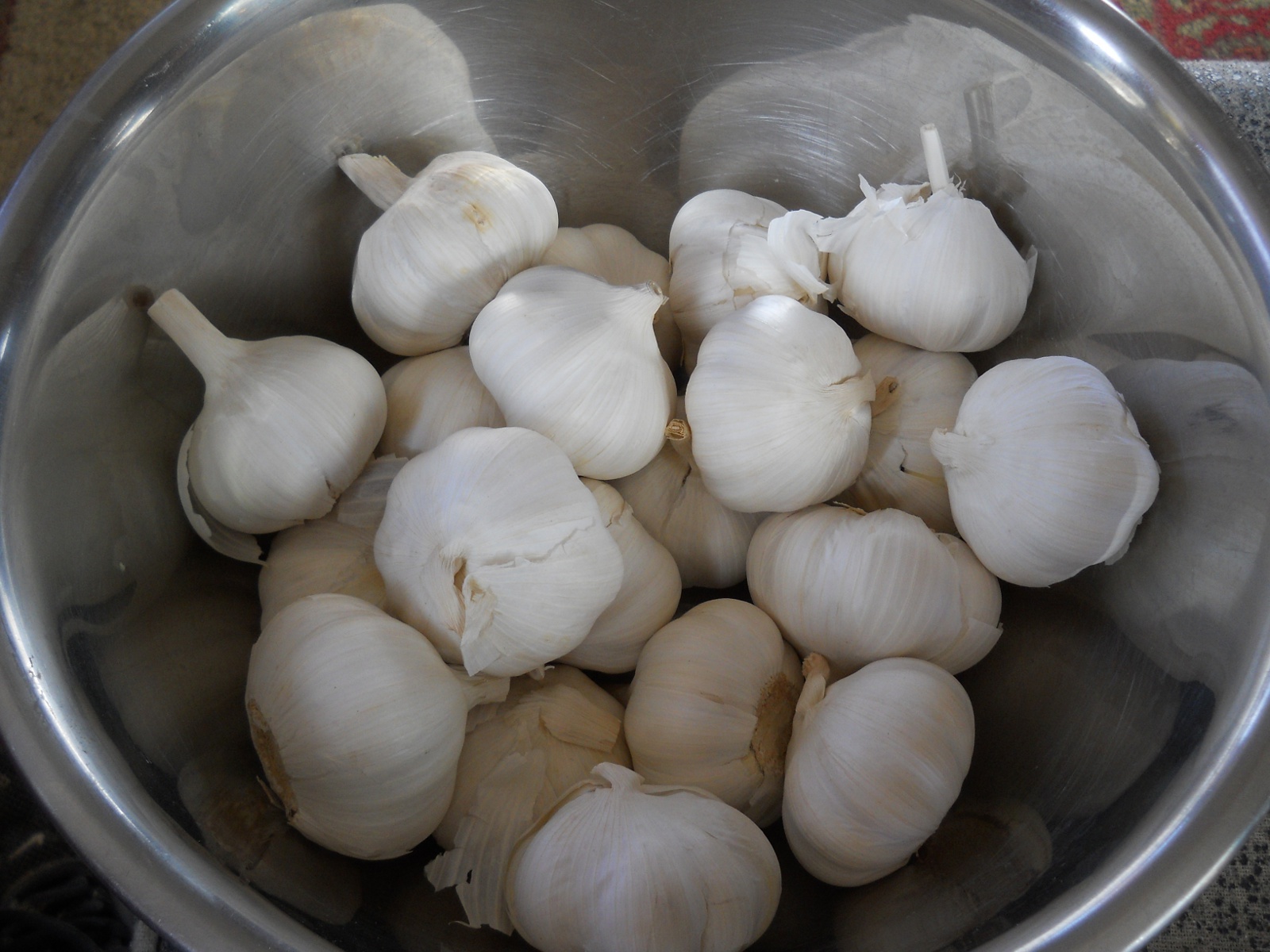
For some reason, our 2012 garlic harvest just didn’t cure correctly and most of it was unusable (that’s another blog post altogether). So when the local market had a great sale on garlic I “pounced” and bought a bunch to preserve using apple cider vinegar:

Preserving Garlic - Bowl of Garlic Bulbs

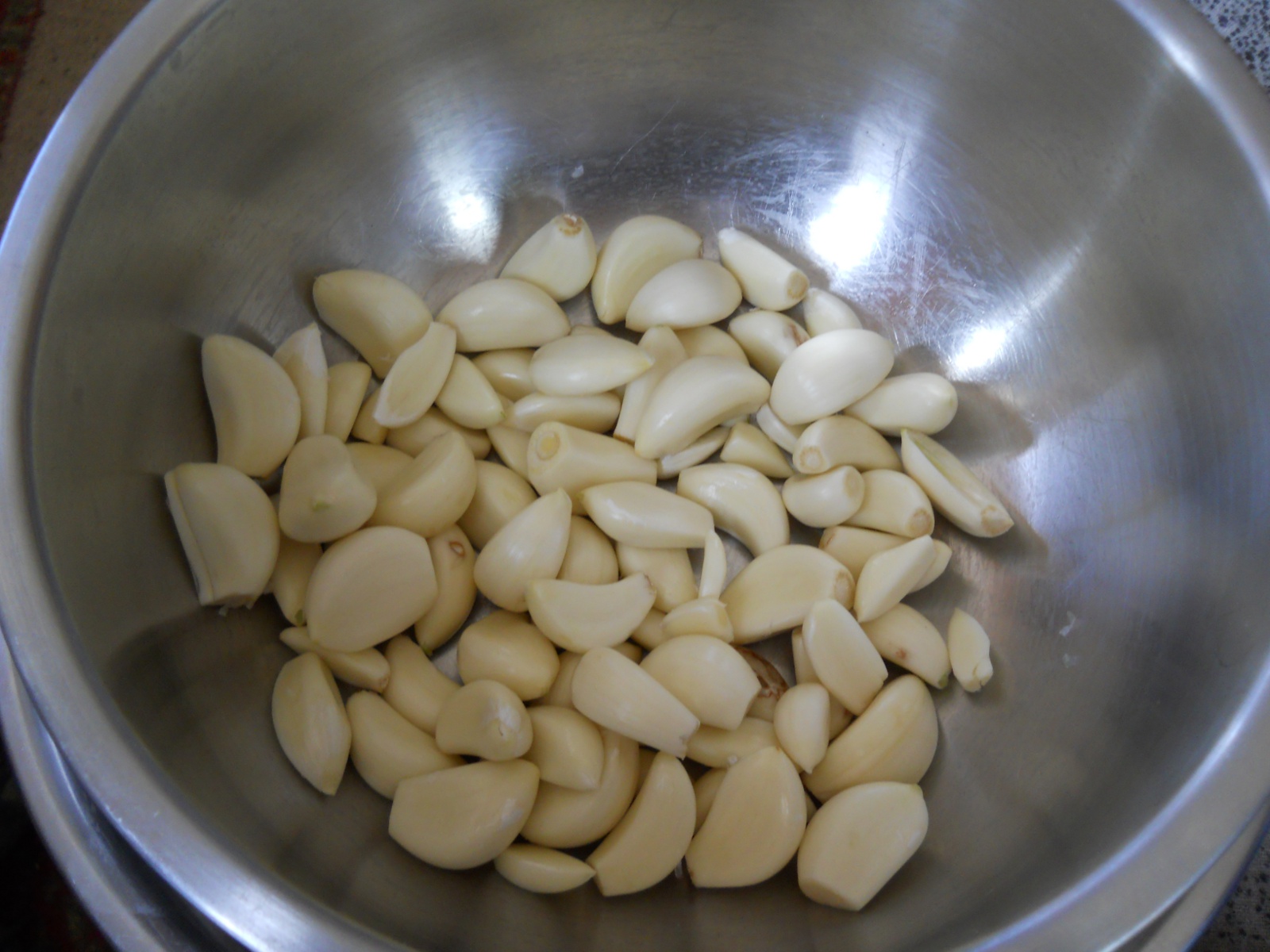
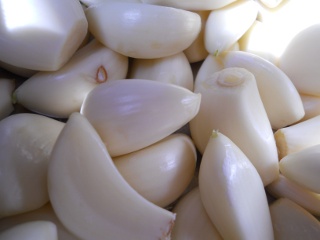
So, we separated the cloves from the bulbs and peeled them completely. Before I go on I should mention that in order to retain the full health benefits of garlic you should leave them whole and not cut or crush them when preparing for preservation. There is a component in garlic called allicin that provides its health benefits and is released when the clove is crushed or cut open. So you will want to leave the clove whole until eaten if possible:

Preserving Garlic - Peeled Garlic Cloves

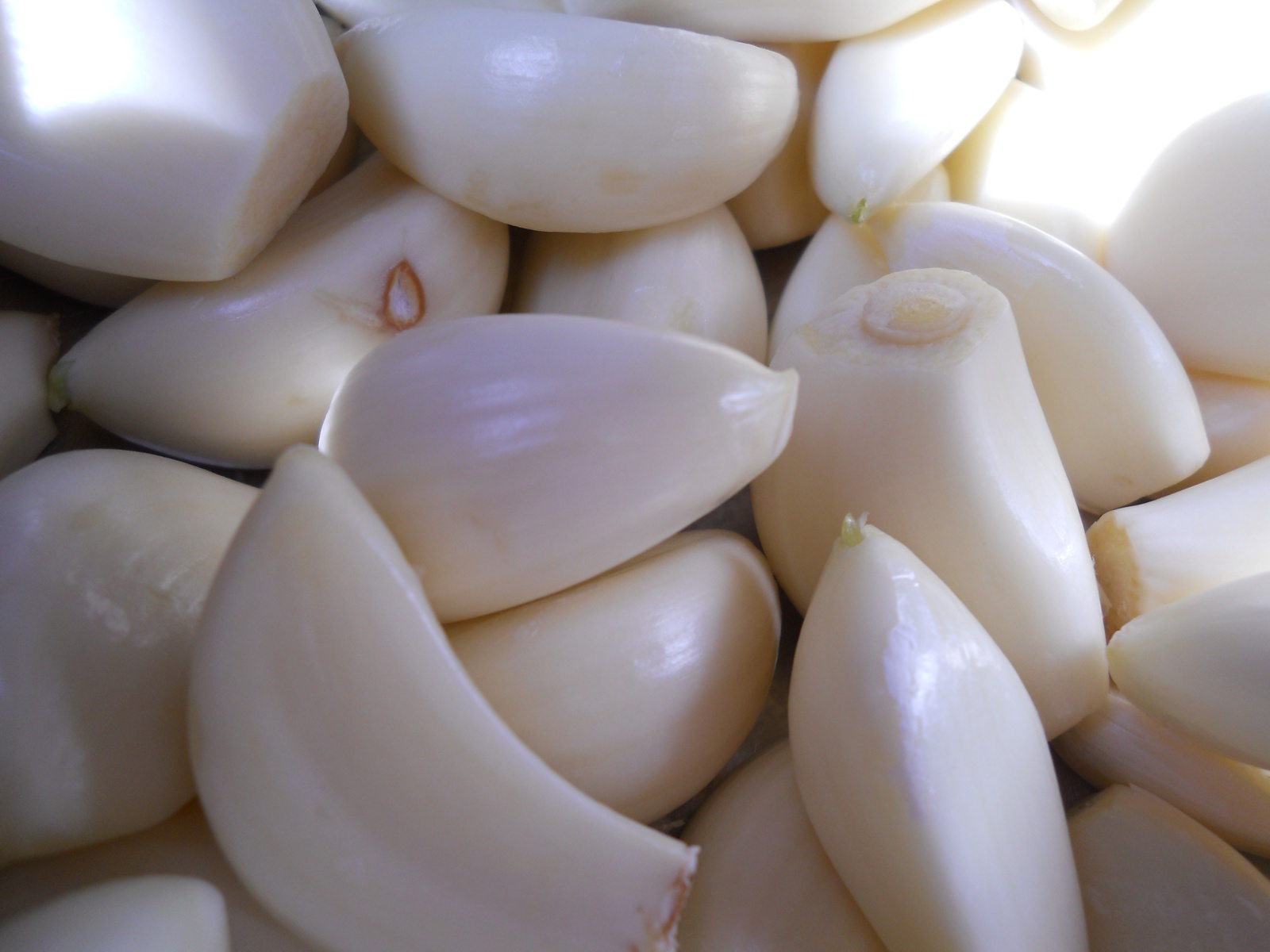
I included this picture because one of the ladies here, Shannon, always puts such great, artistic, professional pics on her blog so I thought I’d try it. 🙂
Preserving Garlic - Peeled Garlic Cloves Close-up

When we first started experimenting with fermenting garlic, we used a salt brine, and either didn’t wait long enough for the garlic to mellow or we just plain made a nasty batch. It tasted awful. Don’t get me wrong; using a salt brine is probably a fine way to proceed, and I’ve included a link to a great and simple recipe here. But in our home we have found that simply immersing the cloves in cheap apple cider vinegar from the store is the quickest and cheapest way to preserve garlic and have it taste great. And there is lots of room for experimentation with herbs and seasonings, but I like to keep things ultra simple. Like Mrs. Bowman, you can add honey and salt as well. Raw, organic apple cider vinegar with what is called “the mother,” like Bragg’s, is a a prebiotic, a naturally fermented food, which supports and feeds the probiotics existing in the flora of our gut, contributing to a healthier and synergistic environment in the body. But for preserving purposes we use the cheap stuff because it can get pricey otherwise.

One of our readers has provided clarification since I first posted this, in that, you achieve lacto-fermented garlic when you place the cloves in a salt brine solution. When you preserve garlic in vinegar, it basically is a pickling process. In either case, you are preserving the powerful benefits of the garlic.

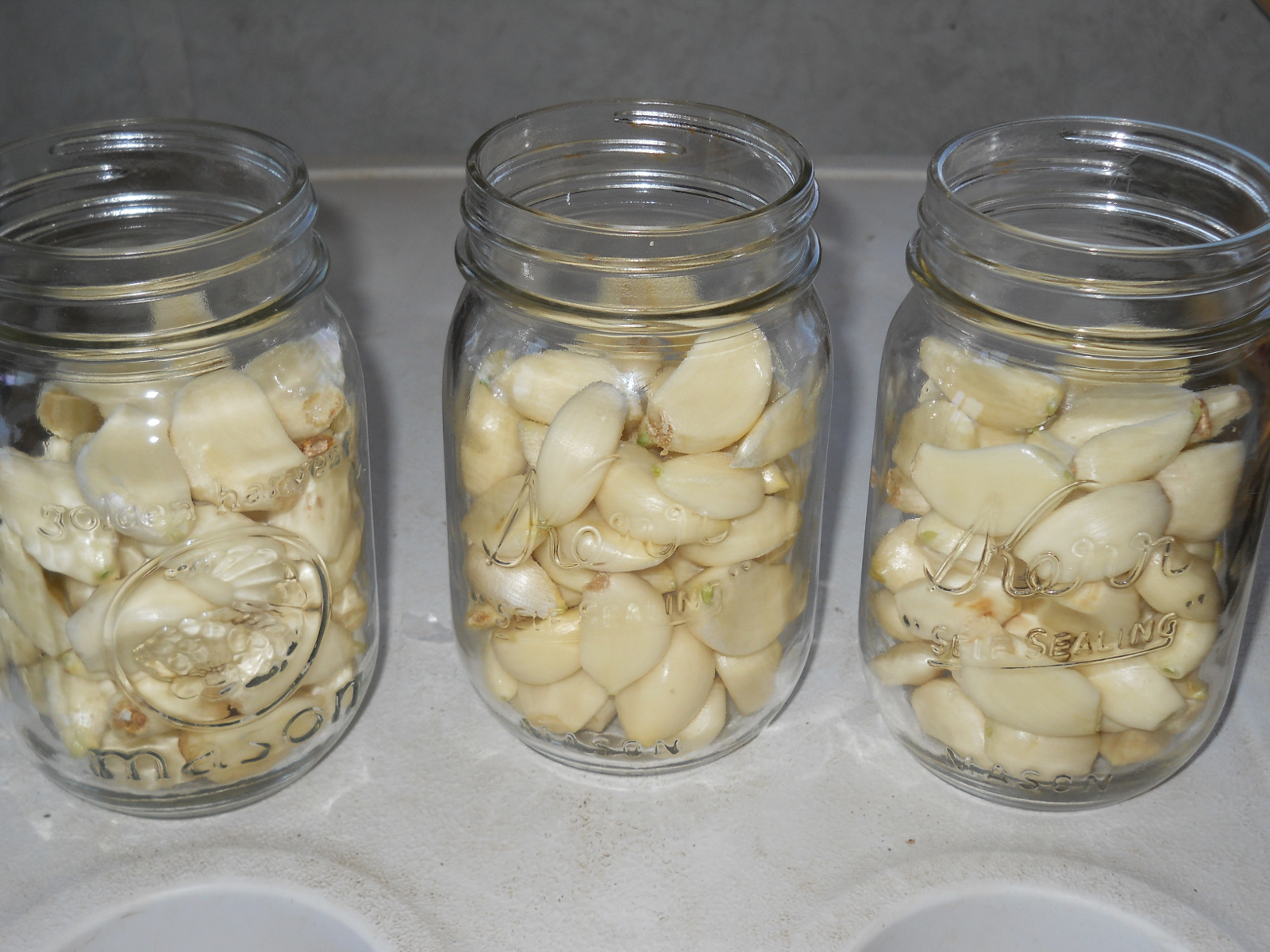
Now pay attention, it gets REAAALLLLY tricky! We put the peeled, whole garlic cloves into a pint jar……..

Preserving Garlic - Garlic Cloves in Jars

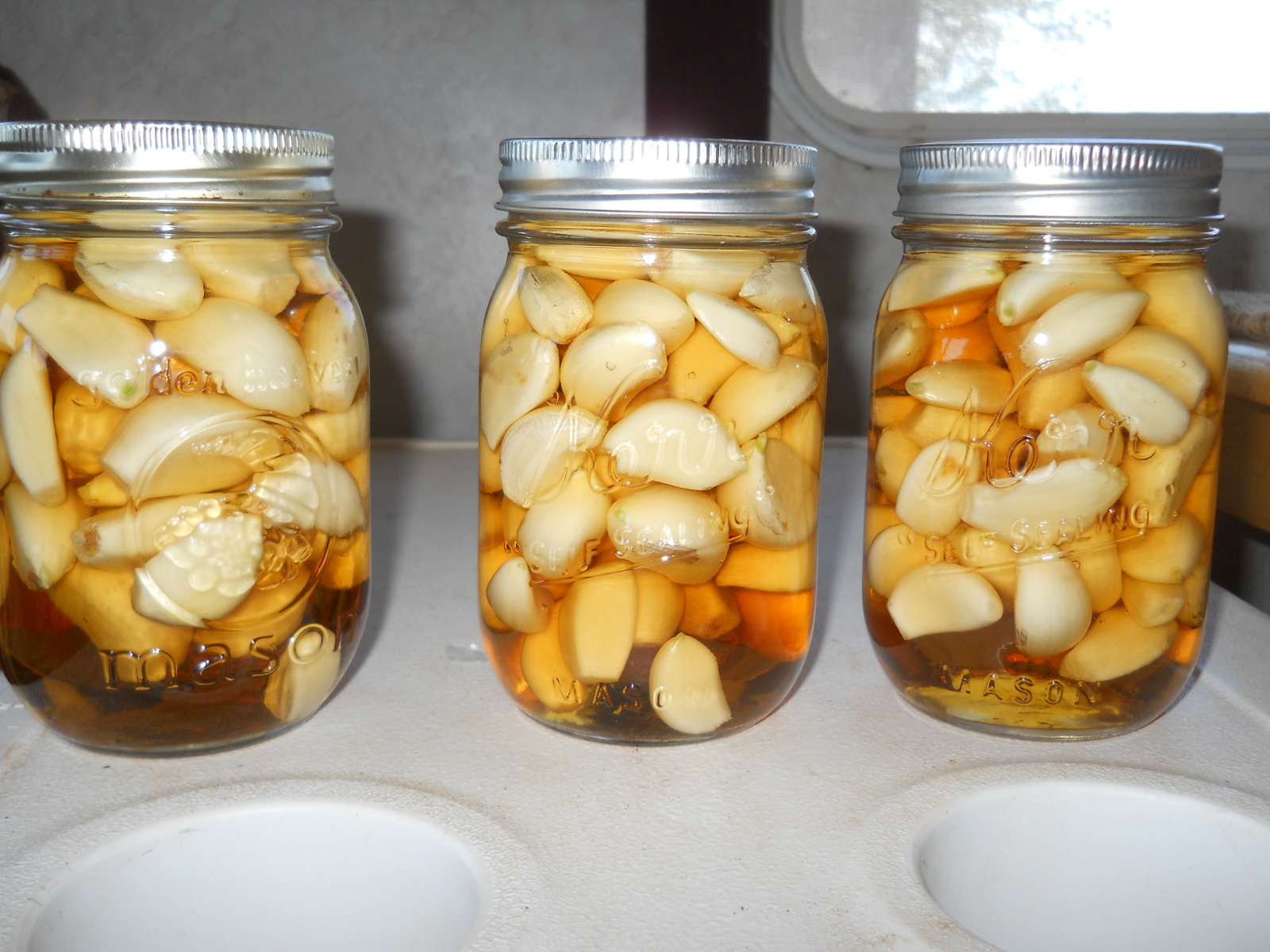
Covered to one inch head space with cheap apple cider vinegar……then closed it up with the lid and screw top. Ummmmm, THAT’S IT!!

Preserving Garlic - Garlic Cloves in Apple Cider Vinegar

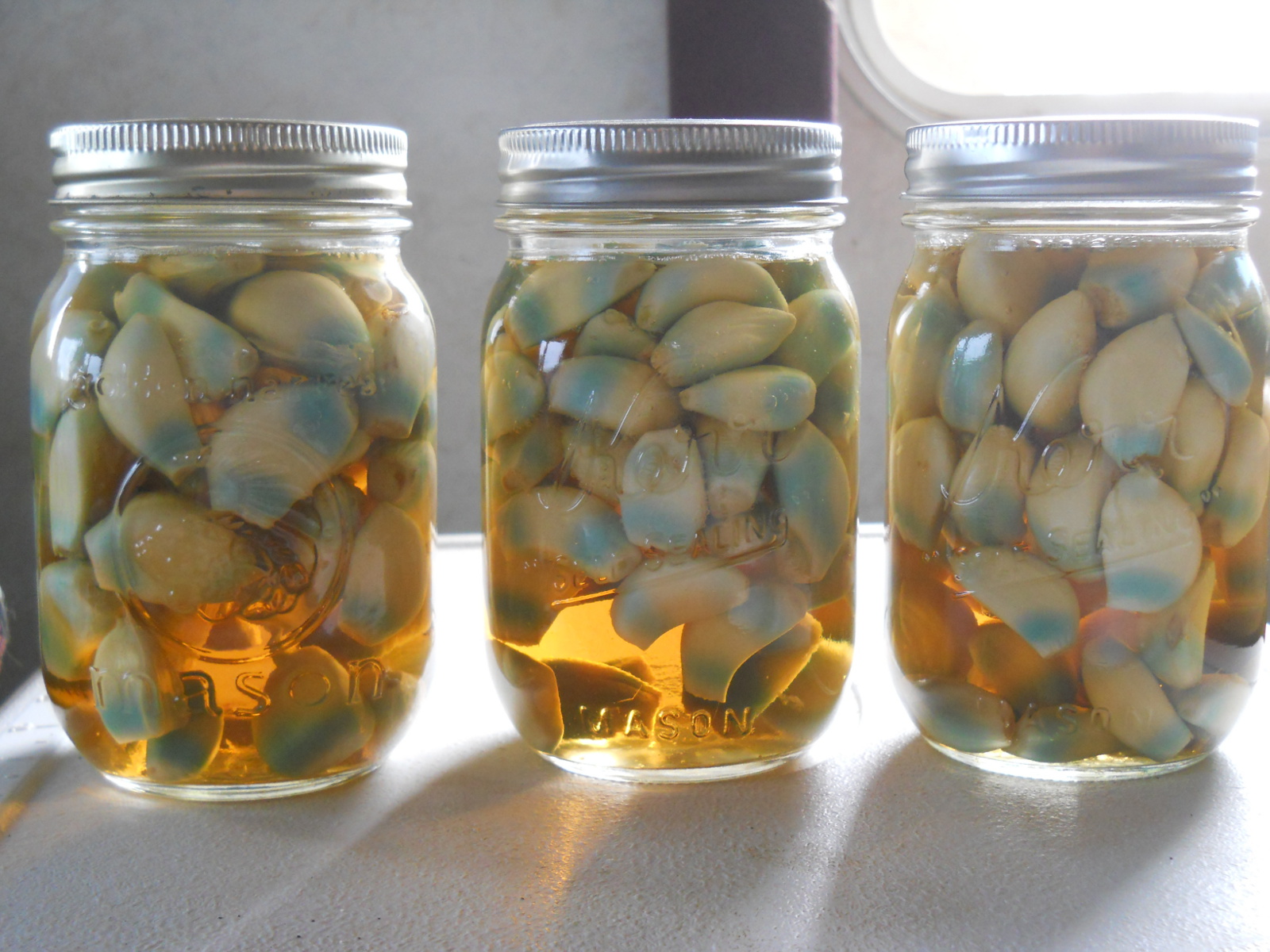
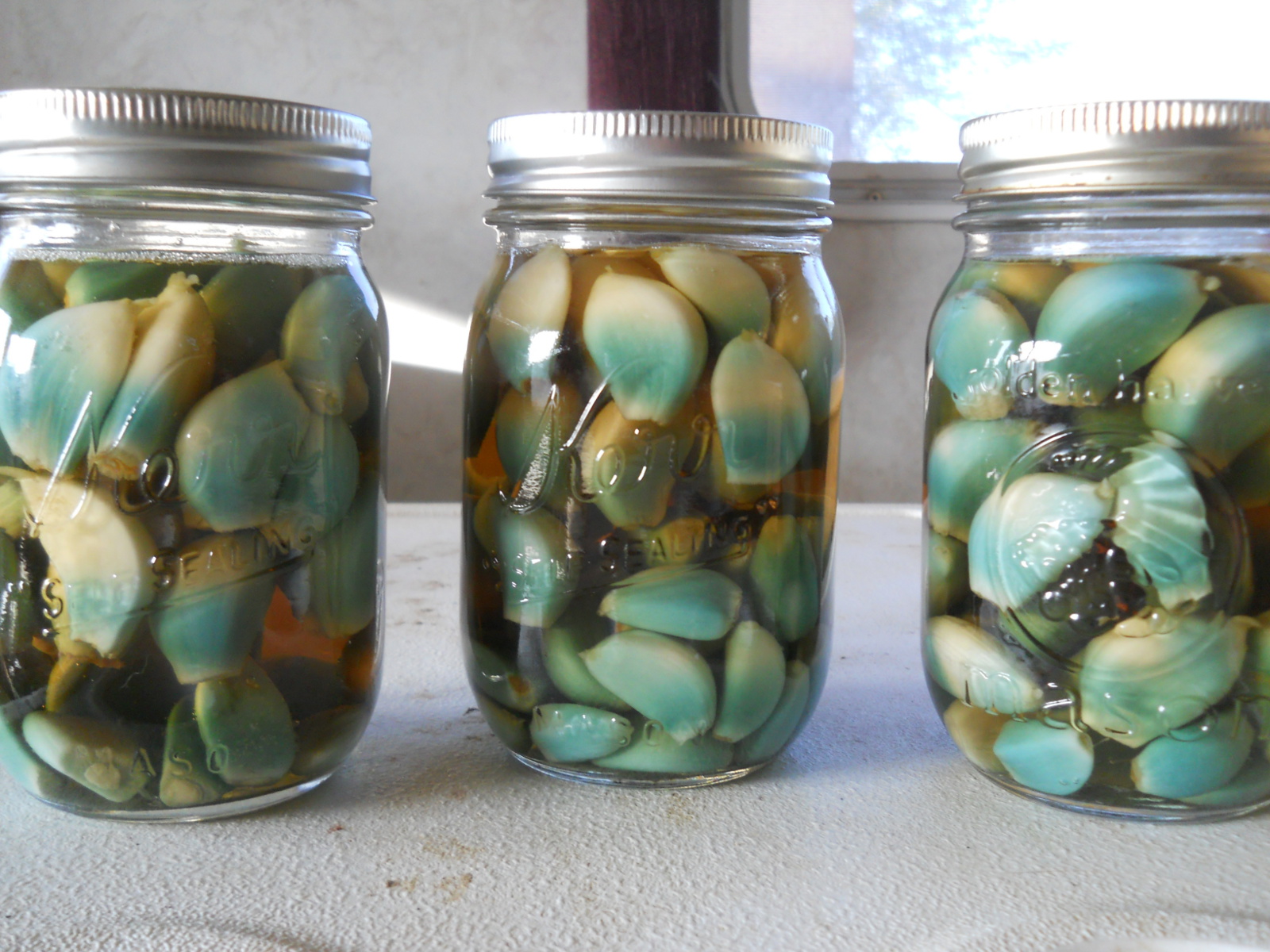
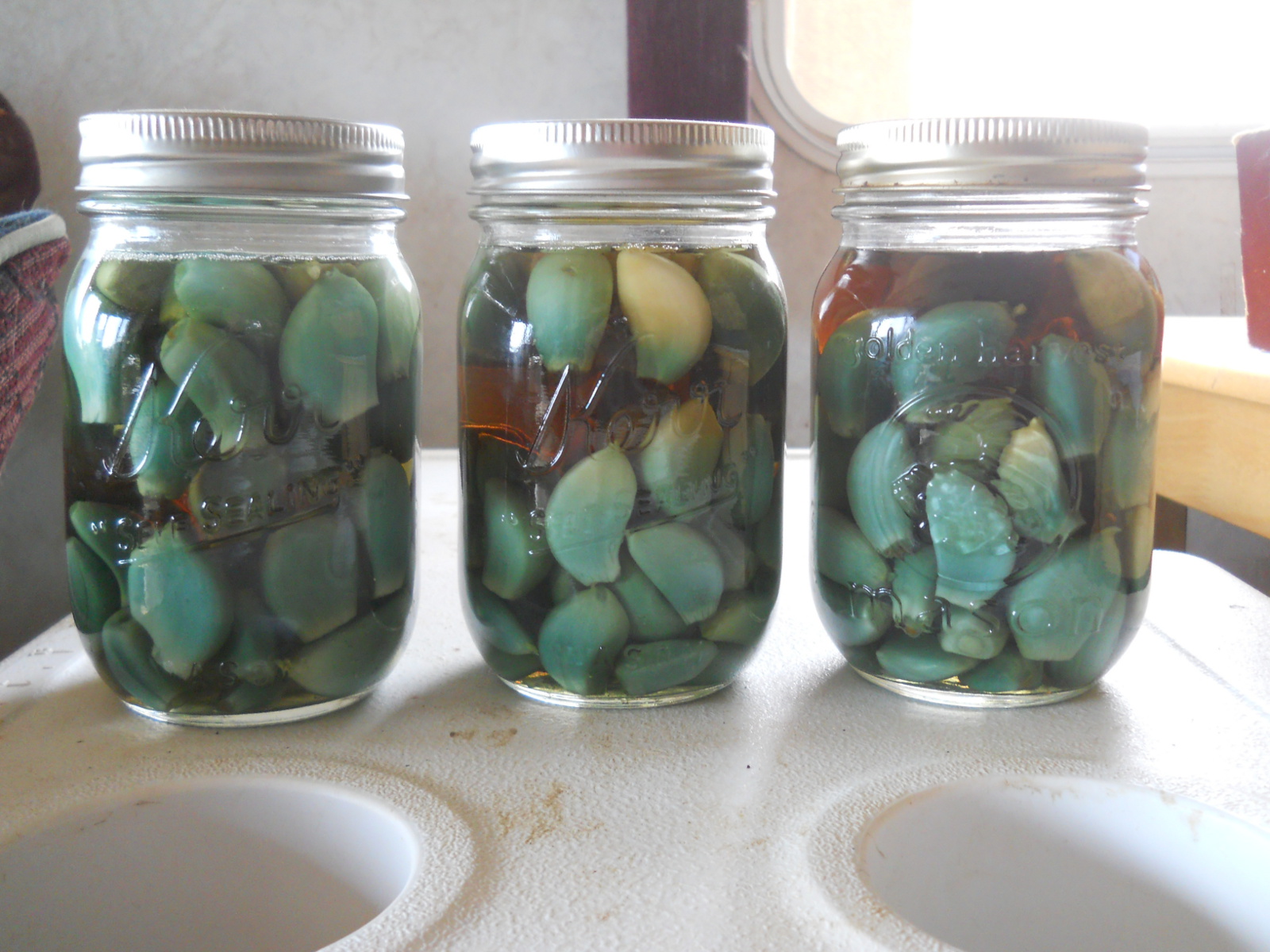
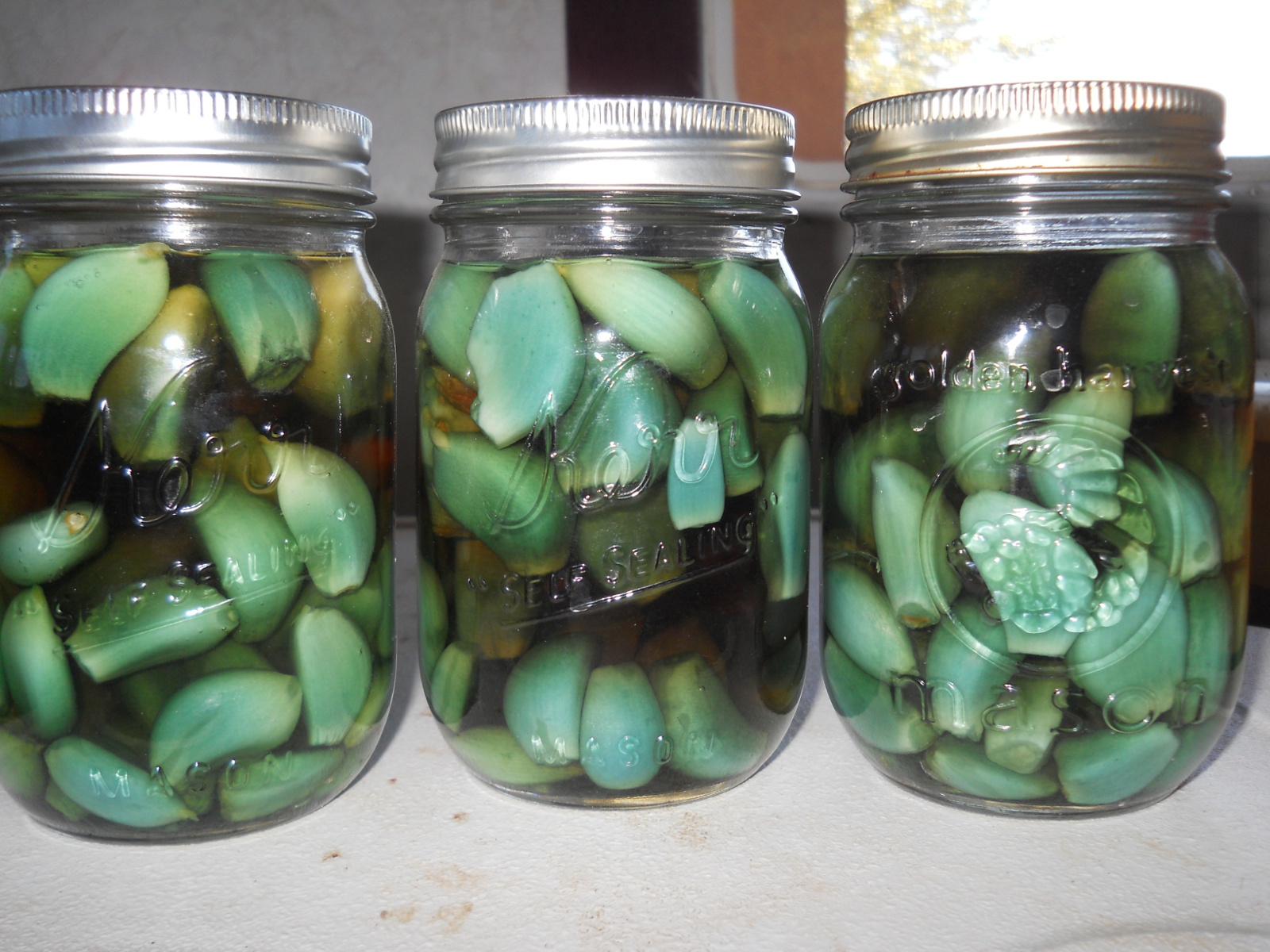
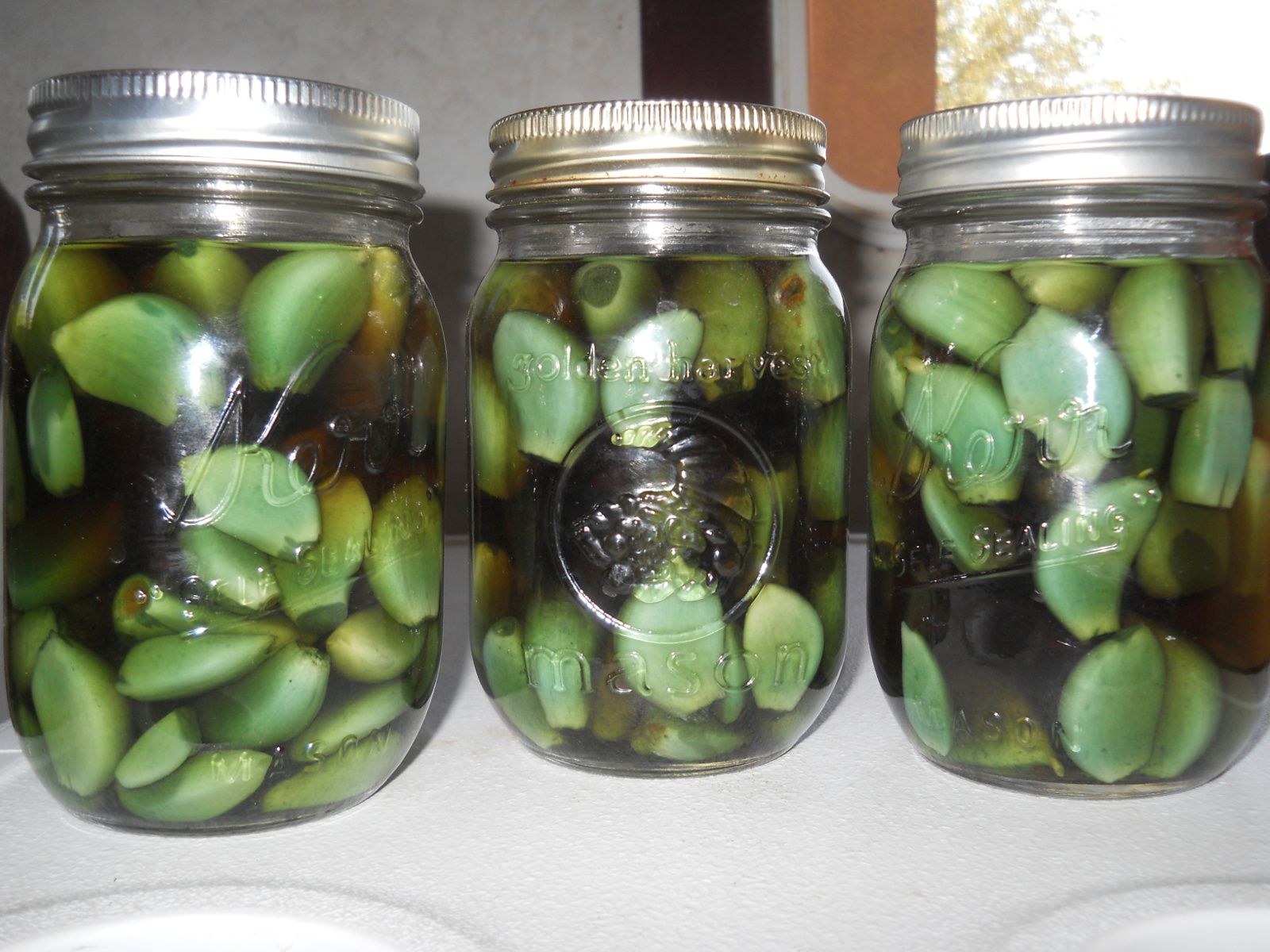
Mrs. Bowman said the cloves would turn blue (or green, Dave says my sense of color is kinda wacky 🙂 ) And then after a couple weeks, after they turn white again, they are good to eat. I’m glad she said that because these started turning blue-green within a day or so, and I might have thought there was something wrong; but, apparently, it’s quite normal.

Here are the cloves after one day:

Preserving Garlic - Garlic Cloves in Apple Cider Vinegar On Day One

And on day two:

Preserving Garlic - Garlic Cloves in Apple Cider Vinegar On Day Two

Again on day three:

Preserving Garlic - Garlic Cloves in Apple Cider Vinegar On Day Three

Day five:

Preserving Garlic - Garlic Cloves in Apple Cider Vinegar On Day Five

And finally on day seven:

Preserving Garlic - Garlic Cloves in Apple Cider Vinegar On Day Seven

You can see there is an interaction dance that takes place between the acidity in the vinegar and the garlic. Then after several days at room temperature, you can move the jars to continue aging in a cool, dark, dry place like a cellar or cool room in the house. It seems that the longer it is left, the more mellow the taste. You’ll probably want to wait at least 2-3 weeks before eating, but you can experiment with time and ingredients in order to find out your personal preferred taste.

I pulled a jar from the root cellar that I prepped in February of this year, and this is what it looks like after about 3+ months. William decided he wanted to do his Vanna White impression and “present” the garlic:

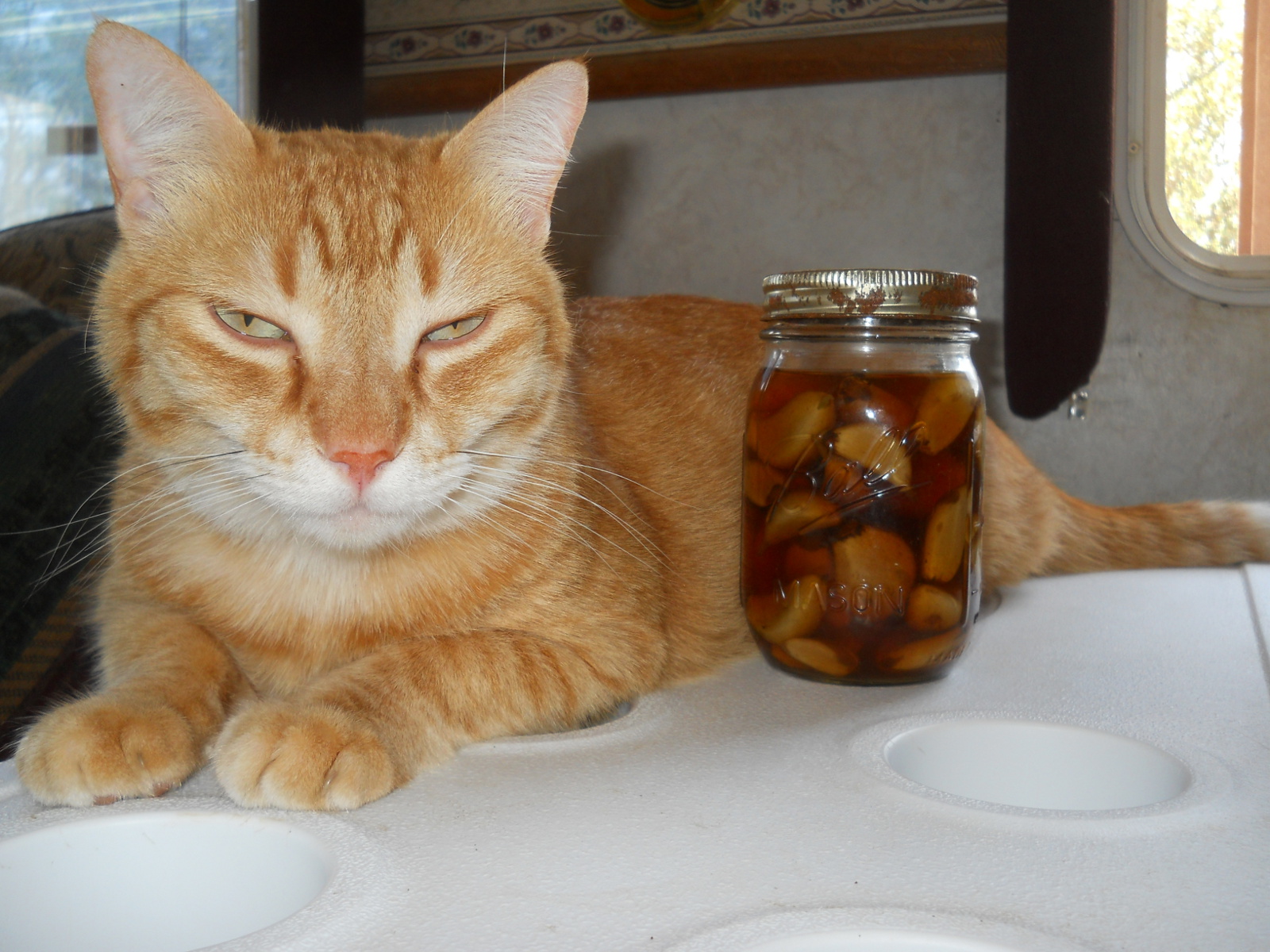
Preserving Garlic - Garlic Cloves in Apple Cider Vinegar After Three Months

Dave and I have been trying to eat a clove every day with supper (sometimes I forget, but we average probably five a week). At first he was the only one eating them, and I was kind of eyeing him when he wasn’t looking to see if he got sick or keeled over dead. He was the royal food tester and didn’t know it. 🙂 But he loved the taste, AND I noticed with delight that there is something in garlic preserved this way that does not create a lingering odor on the breath. You can sometimes smell it when the person is eating it, but that’s about it. There don’t seem to be ANY lingering breath issues!

So, we either just eat a whole clove with supper, or I cut them up and put them in our salads or other dishes (delicious!)

I am very excited with the health possibilities this provides. In my research, I have found that garlic is purported to have anti-viral, anti-bacterial, anti-oxidant properties, is effective in lowering blood pressure as well as bad cholesterol, and also provides a great general boost to the immune system. I suggest you do your own research, but Dave and I have not been sick this past flu season — I’m just sayin! (There was a day this past winter where I could tell something was trying to get at me like a cold or flu. But it just never materialized. It just kind of phhhtttffft out. I was feeling a little taxed for a day or so, but nothing serious came of it like having to miss any work or go lie down, etc.)

This is one of those cheap, easy, natural and healthy ways to keep your immune system in better shape. I would encourage you to try it! You can even use any kind of glass jar with a lid (peanut butter, mayo, etc.)

As always, we are so thankful to God for providing everything we need for good health found in His creation. And for granting us this information so we may continue to pursue a sustaining lifestyle with His help.

Susan
Pebbles Pork Chop Party

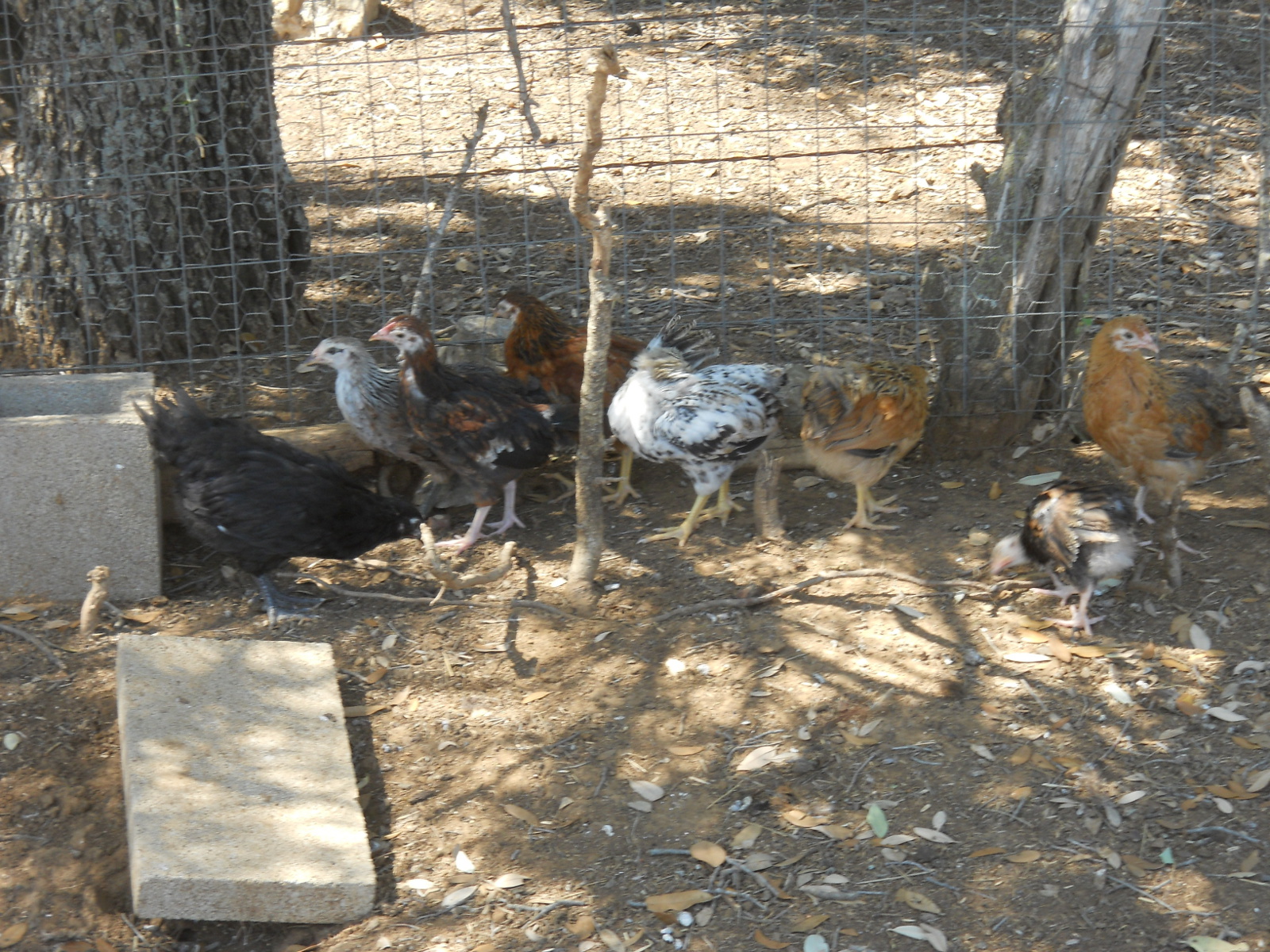
In our last round of pig breeding, we decided to keep, raise and eat the offspring of our sow Pebbles, and breed her again because she had a good disposition and because we had a soft-spot for her, given she was the lone piglet from the difficult birth her mother had, and we had bottle-raised her on goat milk ourselves. But, as the piglets eventually turned into decent-sized pigs, and with the possible difficulty of finding a large enough mate for Pebbles, I decided to change the plans and revert back to the old way of doing things, where we process the mother as well and keep an offspring to continue the pork perpetuation.

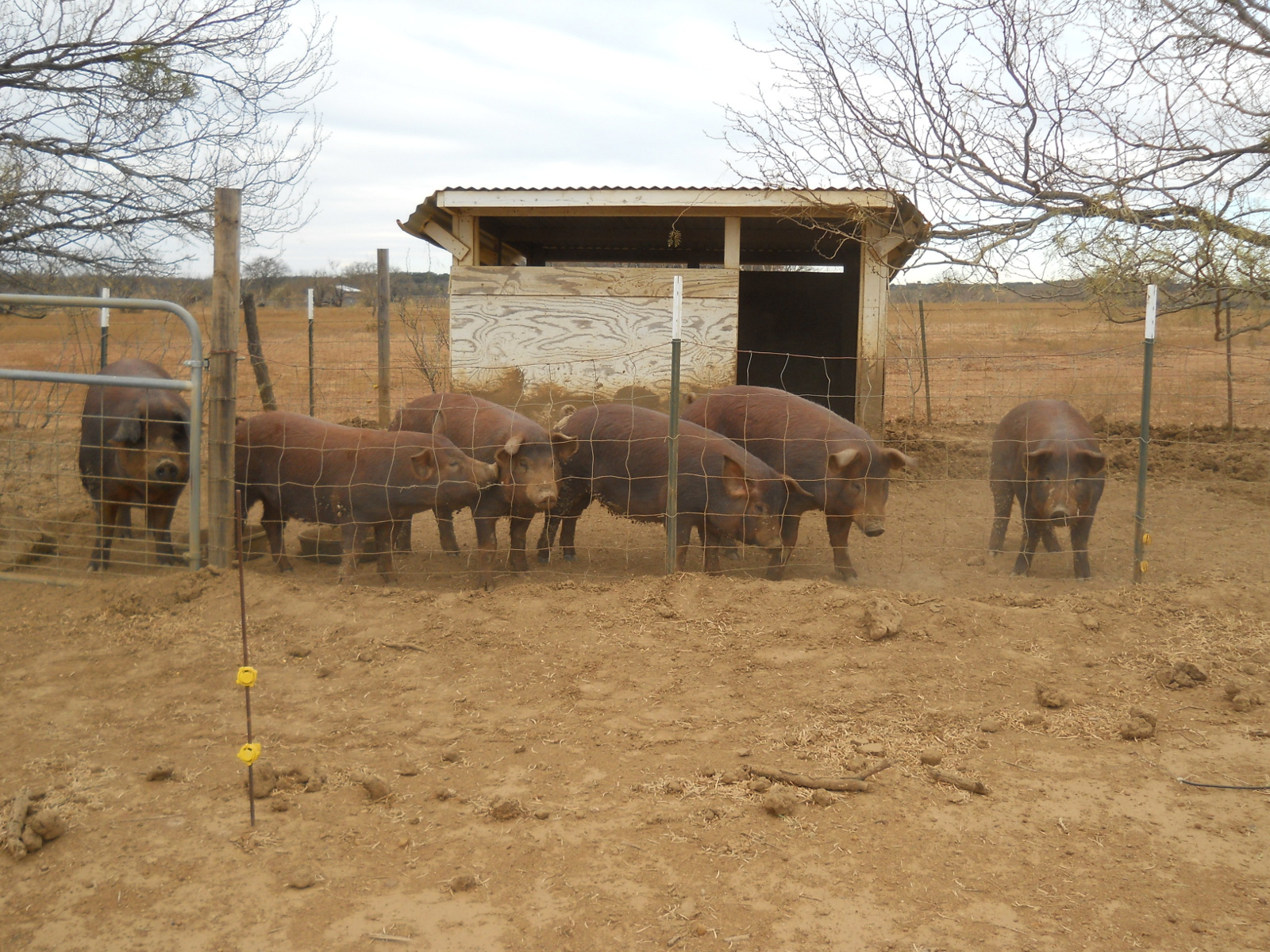
Here is Pebbles and most of her offspring before taking Pebbles in (she’s on the left, one female had already gone to Michael and his family as a next breeder for them):

Our Sow Pebbles and Her Offspring

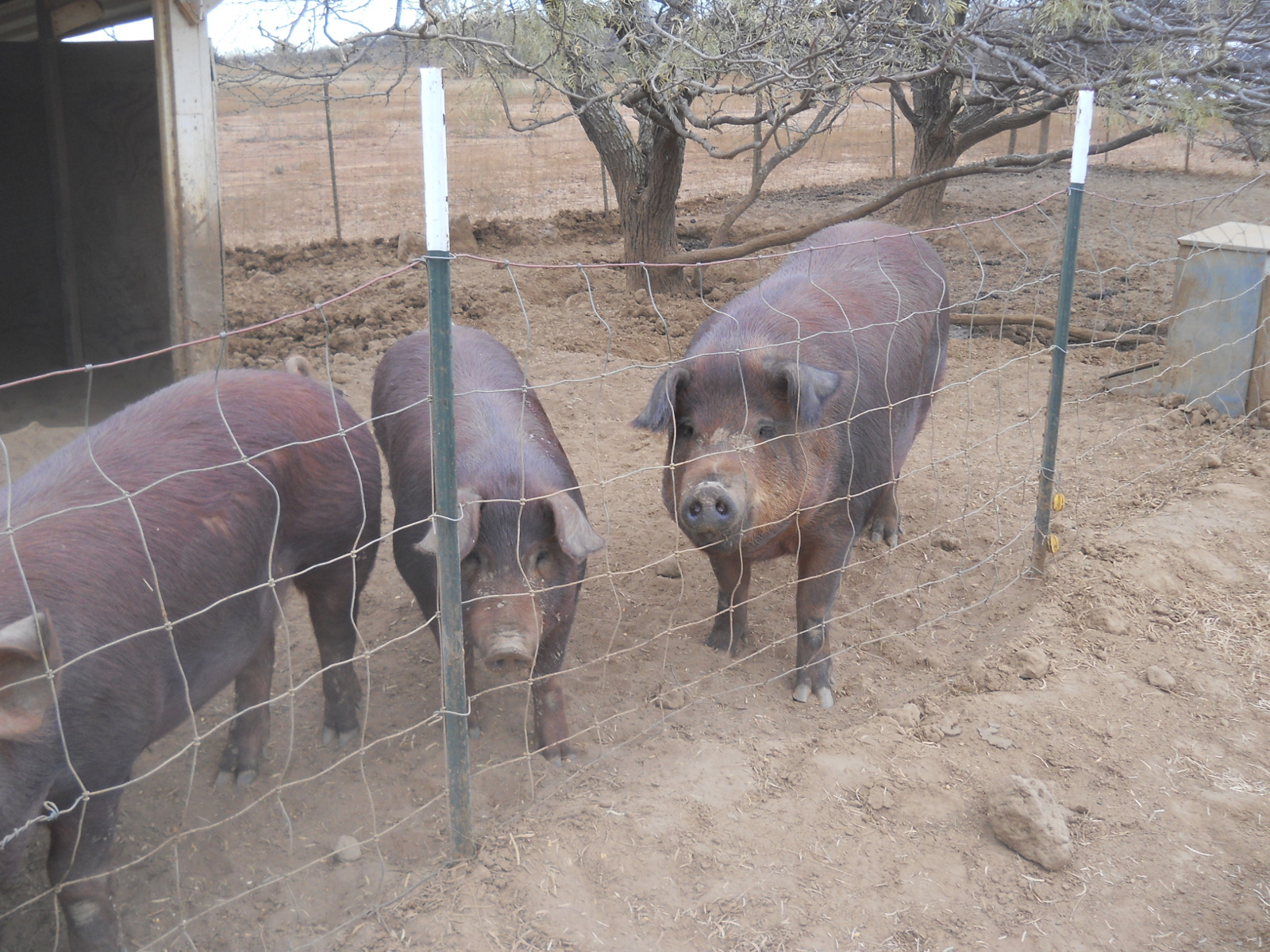
And this is Pebbles next to the offspring we are keeping for the next round of breeding, which we decided to call Lulu. We decided to keep her because she has more of the Duroc characteristics:

Our Sow Pebbles and Our Next Breeding Mother Lulu

With these previous blog posts, you can follow Pebbles’ interesting story from the beginning:
Providence’s Perpetuation Provisions: New Piglet “Pebbles”
Animal Update – Pebbles and Fred
Providence’s Perpetuation Provisions: New Piglets of 2012

And so, we took Pebbles and two of the males in to the butcher (two other of the offspring also went to the Michael and family).

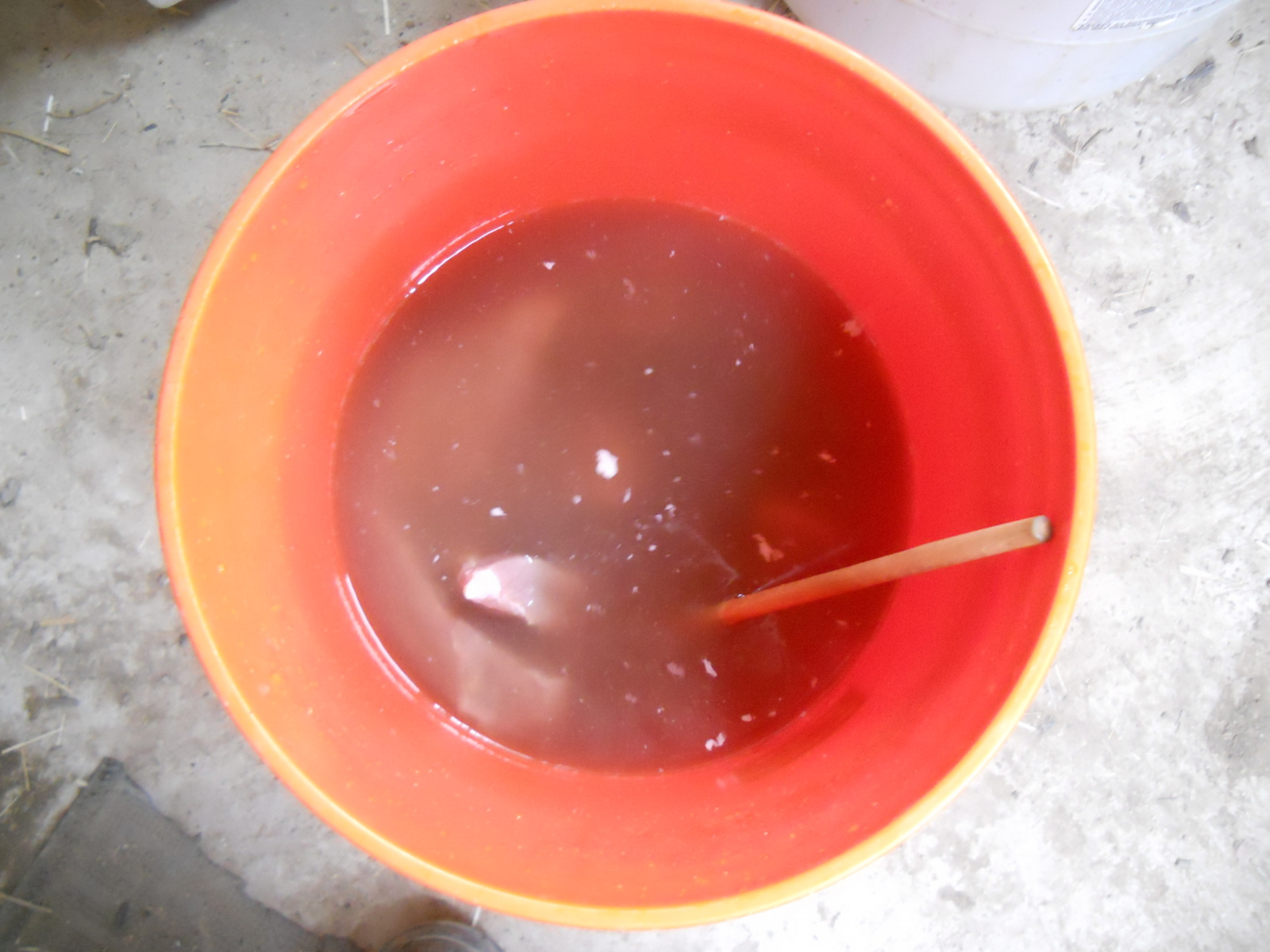
Once getting the meat back, we wanted to continue to practice preserving without canning or freezing, so we had some strips of meat cut from one of the younger pig’s hams, and put them in the salt brine:

Brining Pork Ham Meat

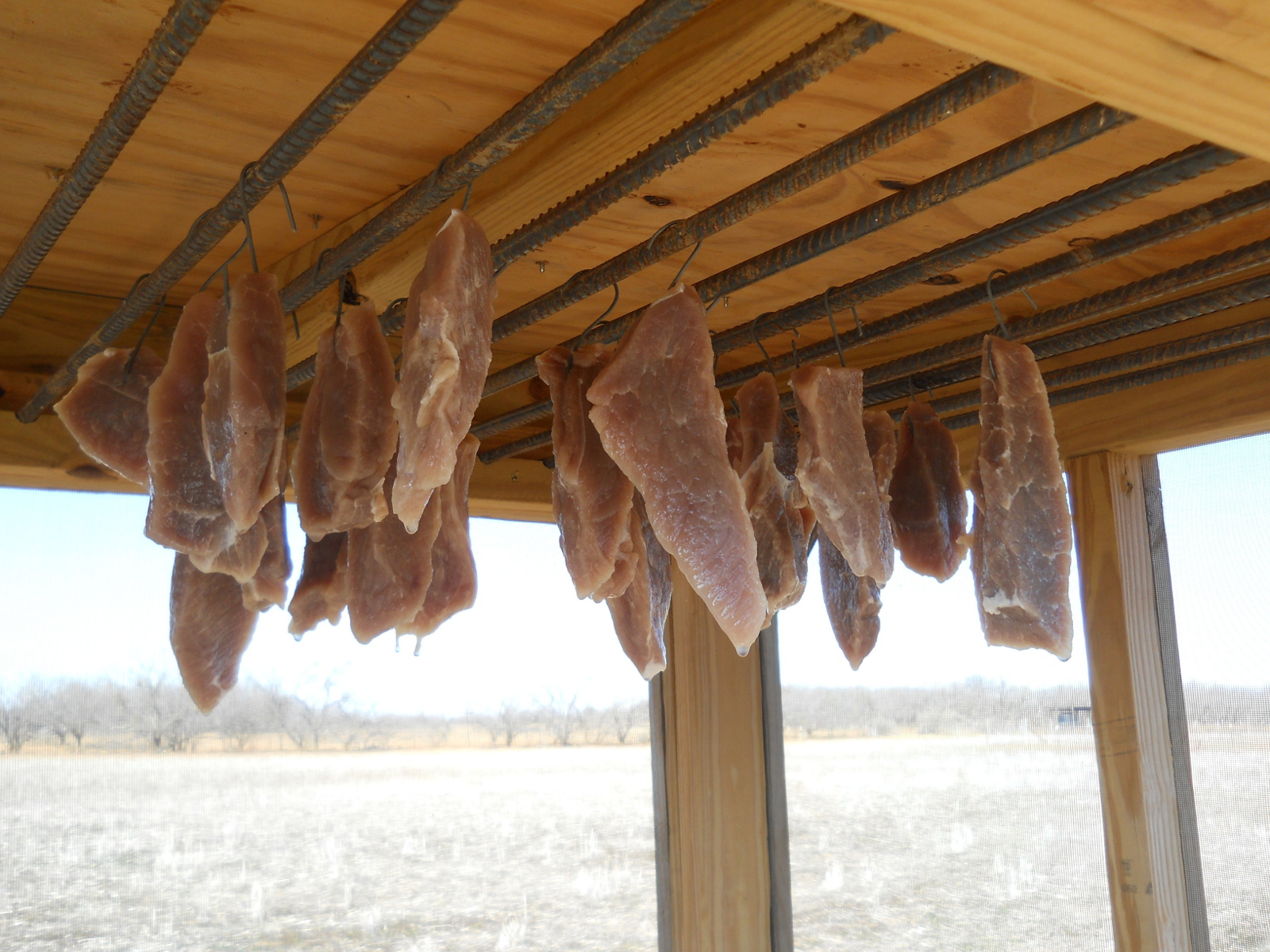
And then I hung them in the meat dryer:

Drying Brined Pork Ham Meat

Then, it was time for the Pebbles Pork Chop Party fellowship meal! We held it on a Lord’s Day fellowship time, so every household contributed to the meal.

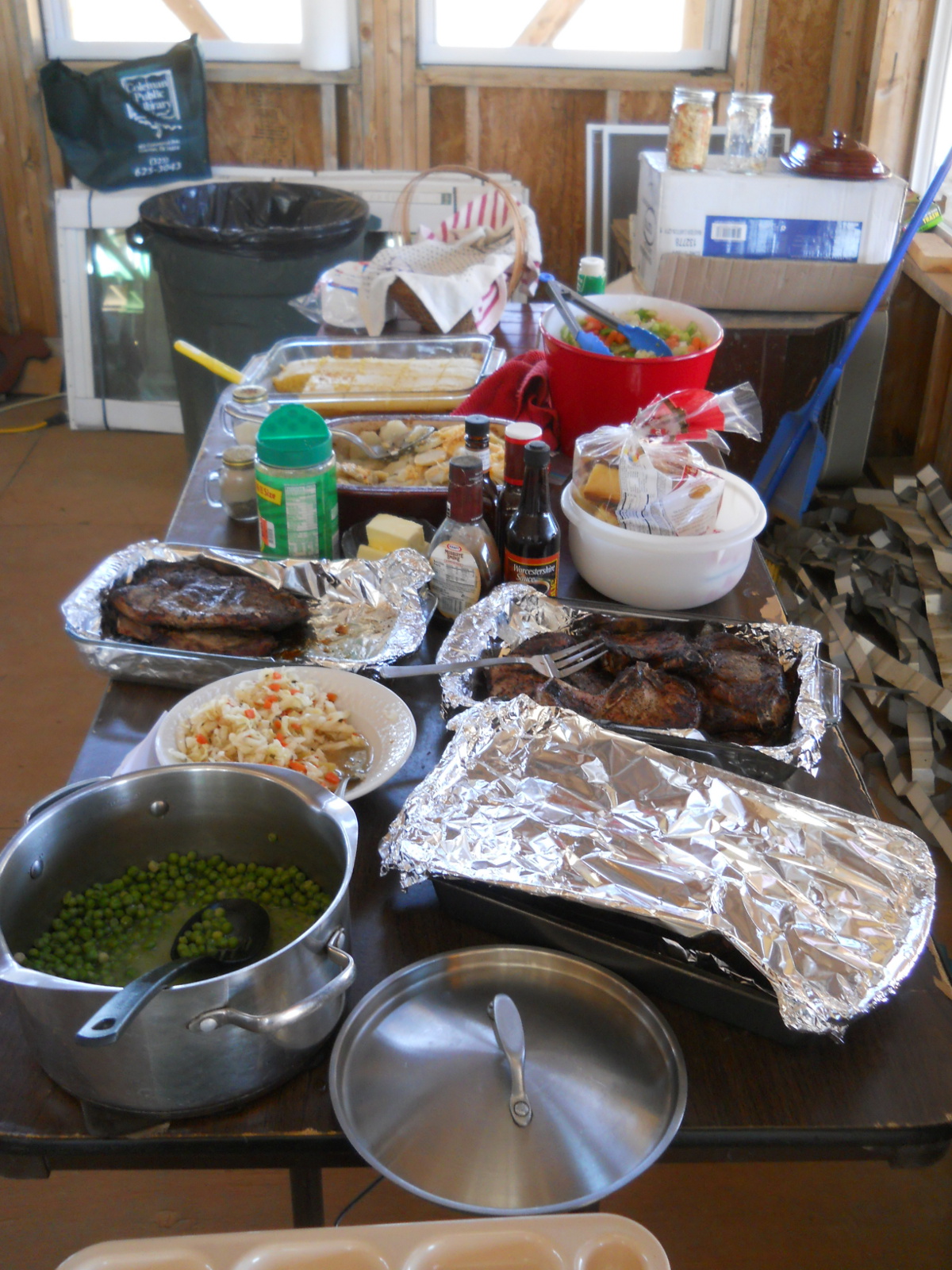
Here is all of the eating goodness:

Pebbles Pork Chop Party Dinner Meal

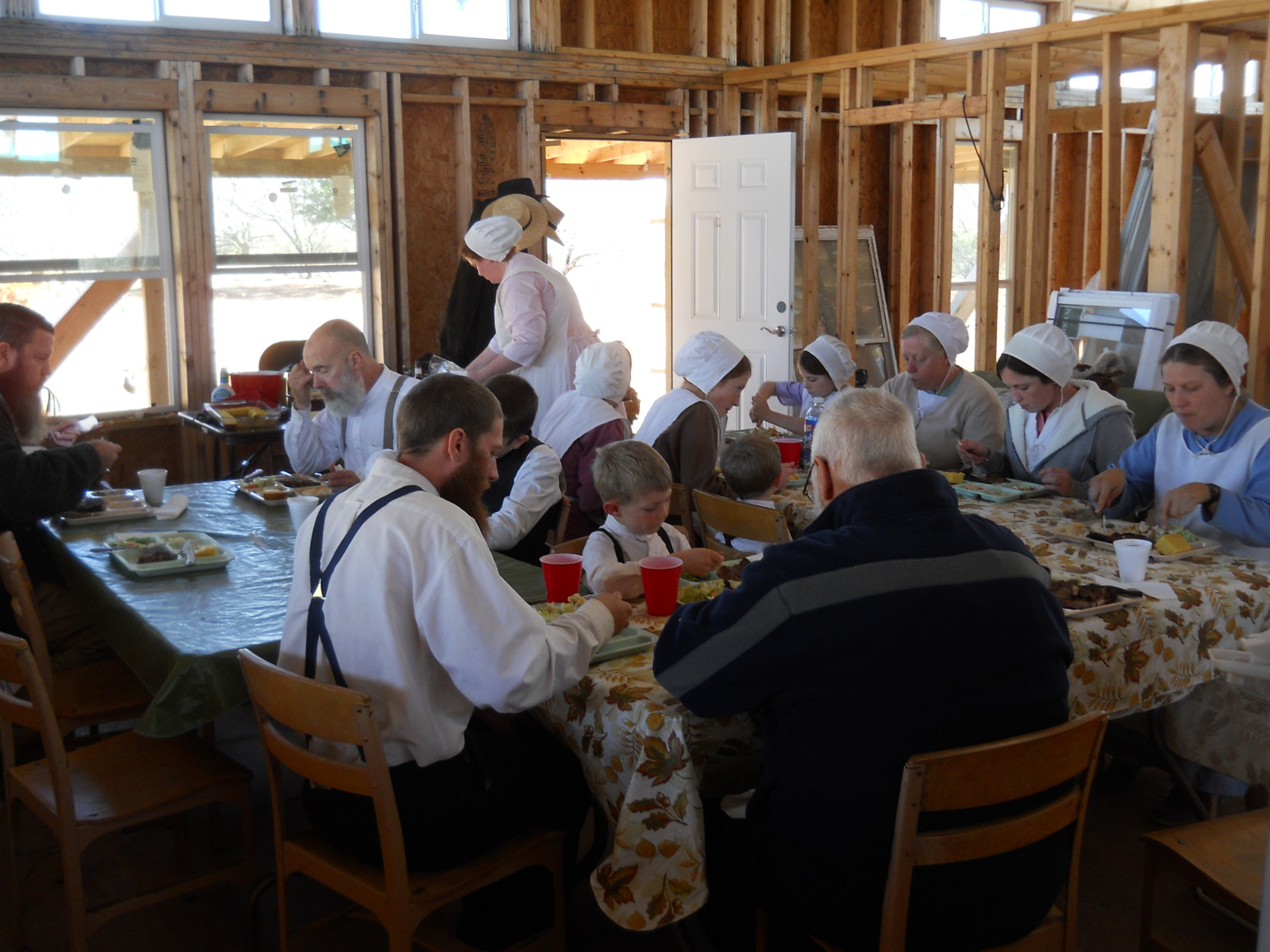
And the group communing together around the table:

Pebbles Pork Chop Party Communing Around the Table

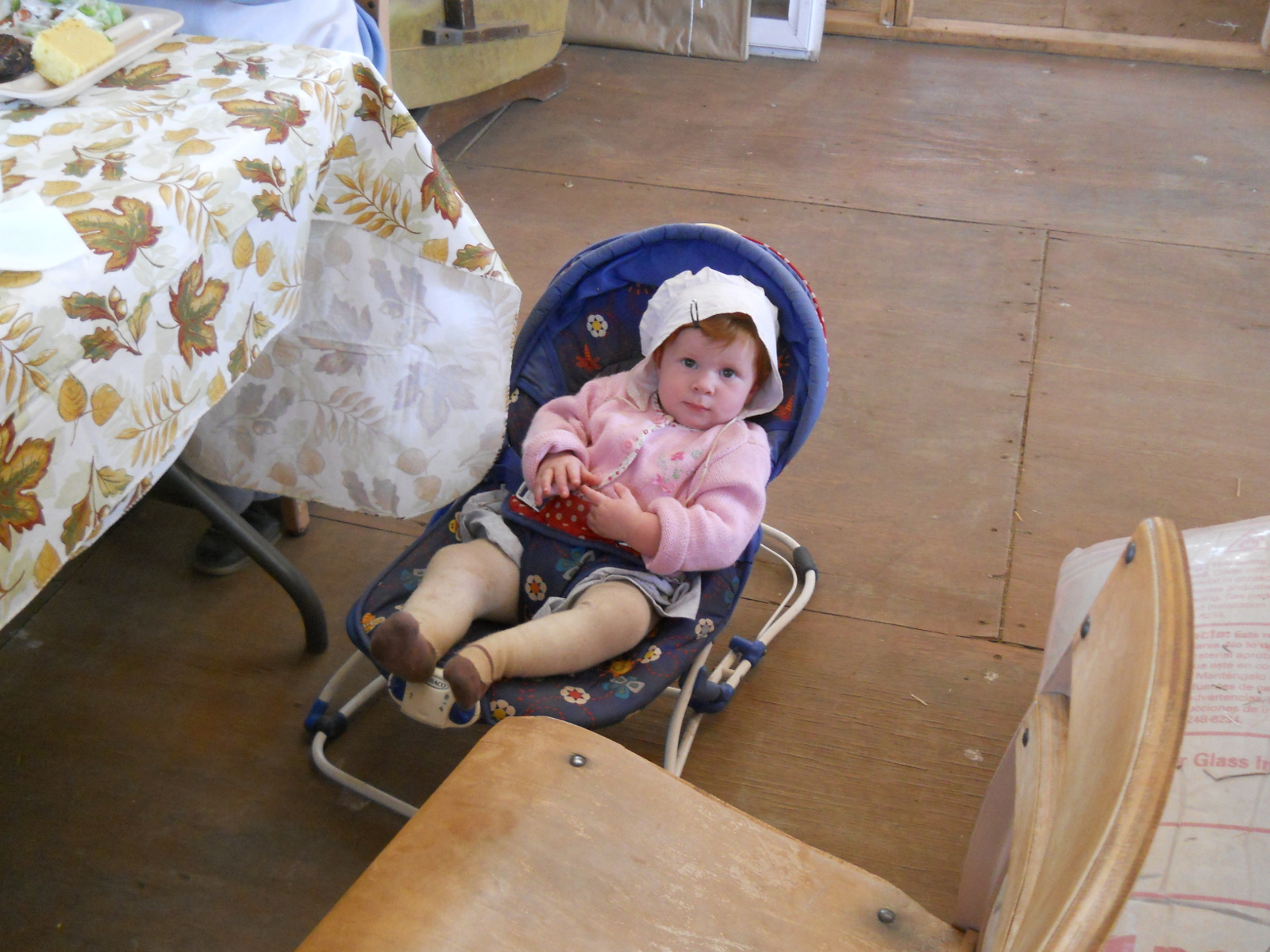
And young Annabelle enjoying the time:

Pebbles Pork Chop Party Young One

We are so very grateful to the Lord for His provisions of the pig meat, and the opportunity to gather in His name and share His beneficence together.

— David

Providence’s Perpetuation Provisions: Last Chick Roundup

When we last left our broody hens and chick-hatchings, we had just had another Austrolorp hen go broody, wondering if perhaps the Lord was not done in granting chicks this year.

And sure enough, we moved her into one of the little chicken pen areas in the piano room, and she hatched out somewhere around eight or so — Group 16!

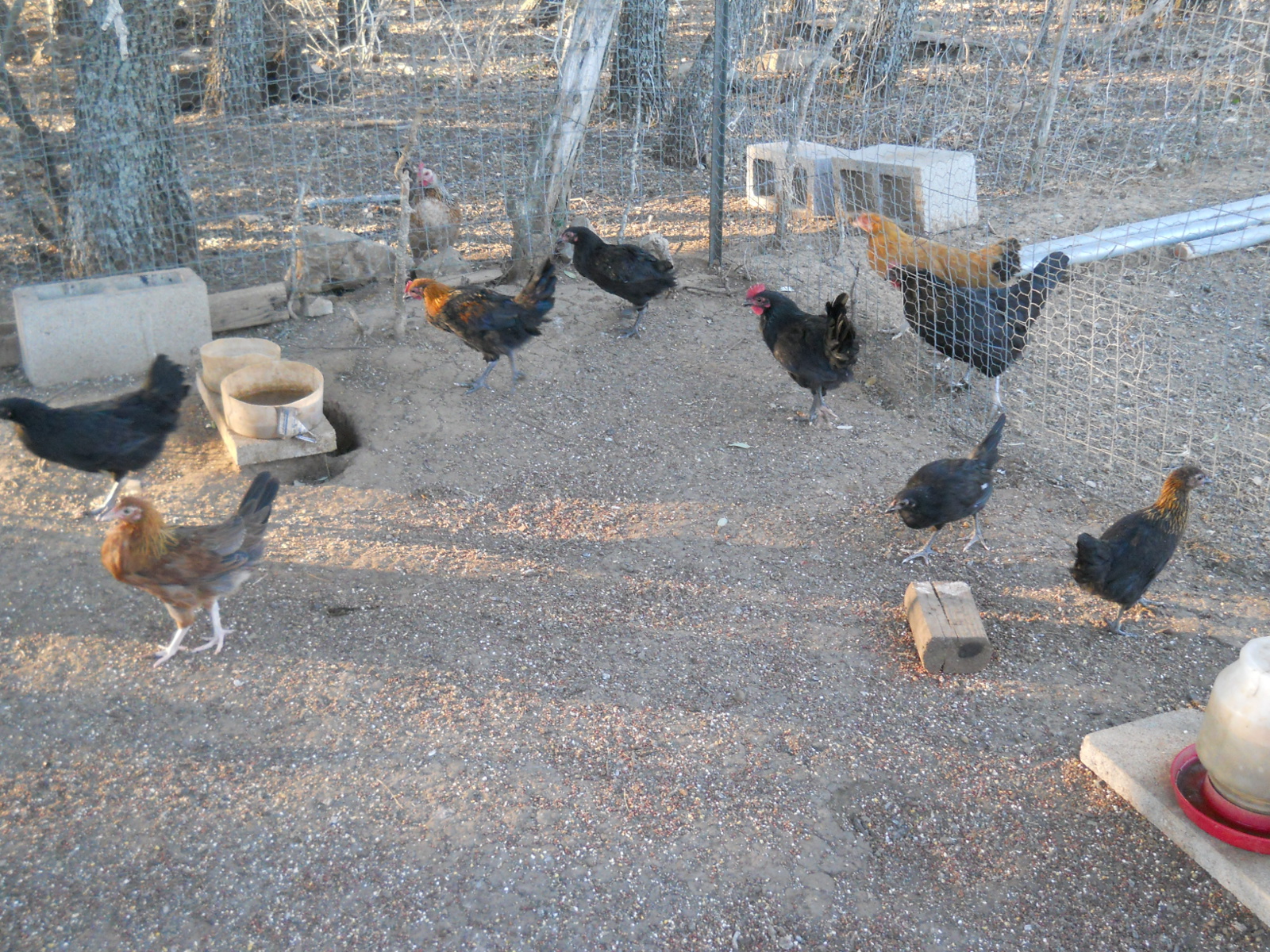
I didn’t get pictures when they were younger and with their mama, and they have since moved on to our chicken pen area (which is our staging area for younger birds before going to the main chicken tractor), but here are a couple of them as they are now:

New Chicks 2012 Sixteenth Hatching in Pen Area
New Chicks 2012 Sixteenth Hatching in Pen Area Again

And a video:

We did have yet another hen start to go broody recently, but because of the difficulties in trying to bring chicks through the winter, we just pulled any eggs she was sitting on, and she eventually lost interest. I don’t like to do that, but we’ve had to try to take care of young chicks when it’s really cold, it it takes quite a bit of effort (you can see a little of what we had to do during the pretty bad cold-snap we had a couple of years ago.

Anyway, once again we are very thankful to the Lord for granting these provisions of the chicks throughout the year, and pray they are used for His glory and the benefit of His people.

— David

Garden – Spring 2012 – Update III

Our Texas gardens seem to be like snowflakes, there are none alike. This year we planted what we thought were to be large tomatoes, but they came out the size of cherry tomatoes. Cherry tomatoes are like candy to me, so they were a treat nevertheless. And we also planted an heirloom tomato plant that didn’t produce one solitary tomato until mid-Fall. Go figure. But it almost seemed fitting because Dave and I both are late bloomers ourselves and always root for the underdog, so we were excited when we started seeing little yellow blooms starts to form 🙂 So I thought I’d give an end of the garden “Where Are They Now” update:

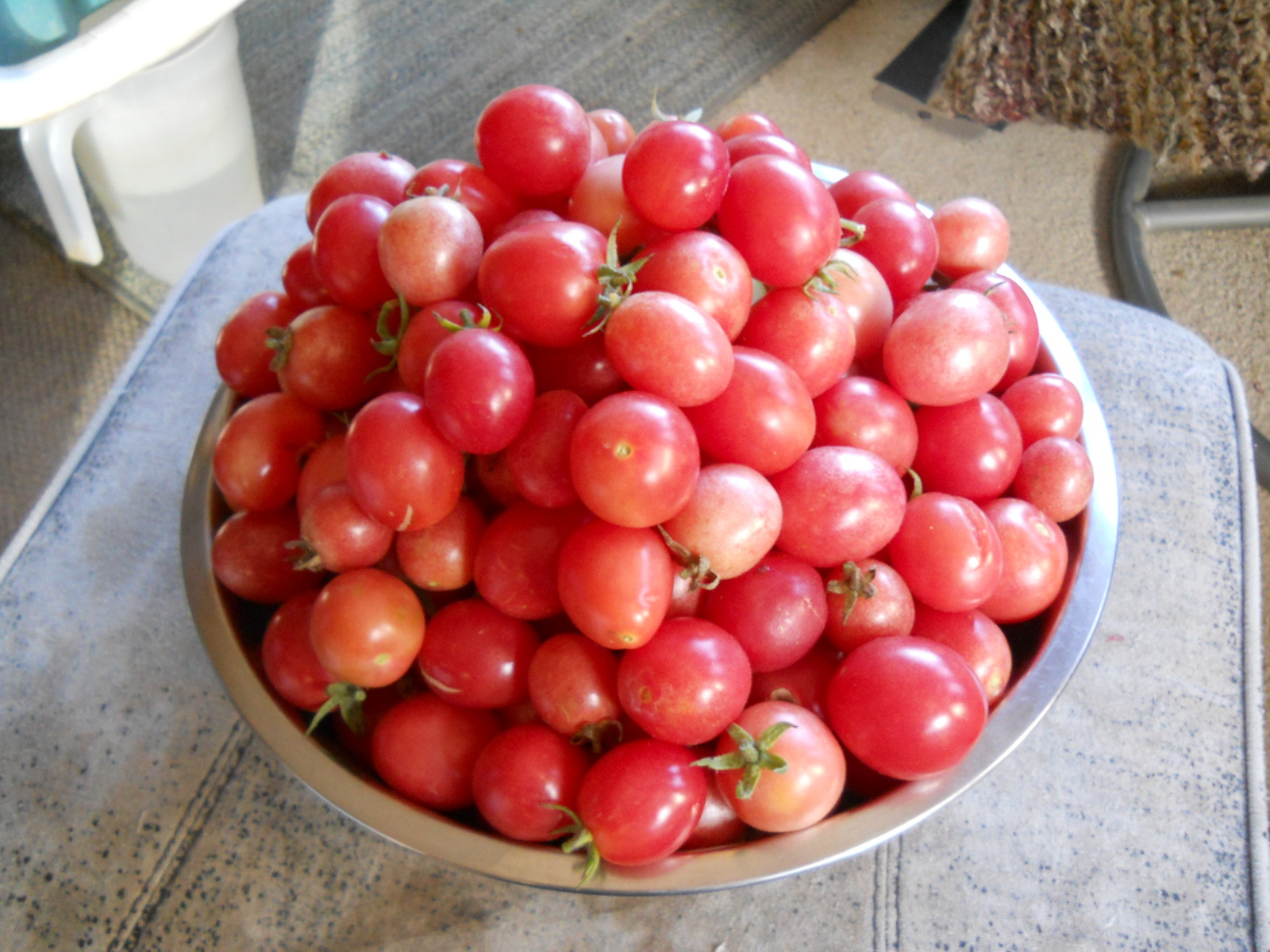
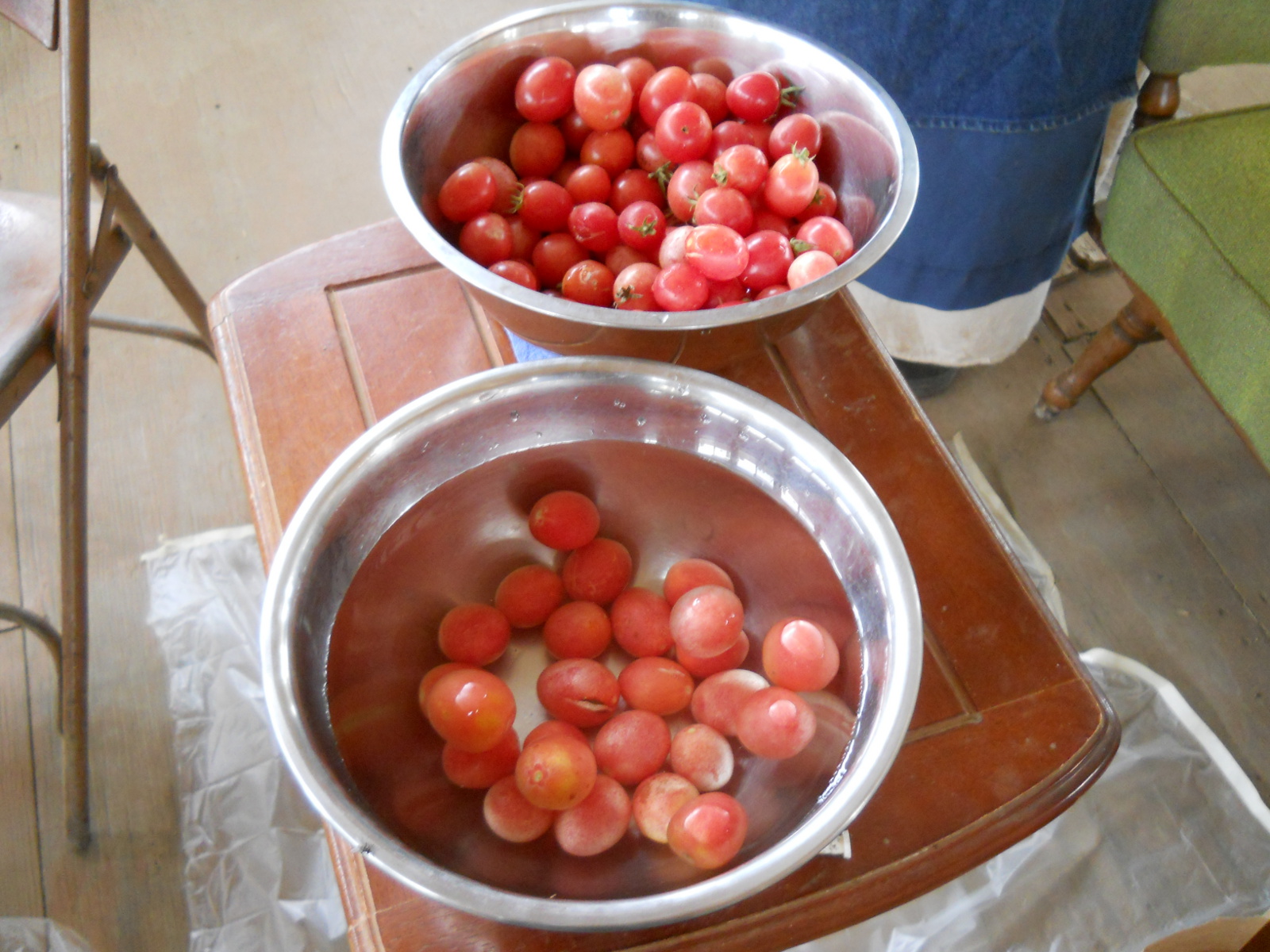
God blessed us with an abundance of these cherry tomatoes. We enjoyed them on our salads and in pasta and other dishes all through the summer:

Spring Garden 2012 Tomatoes in a Bowl

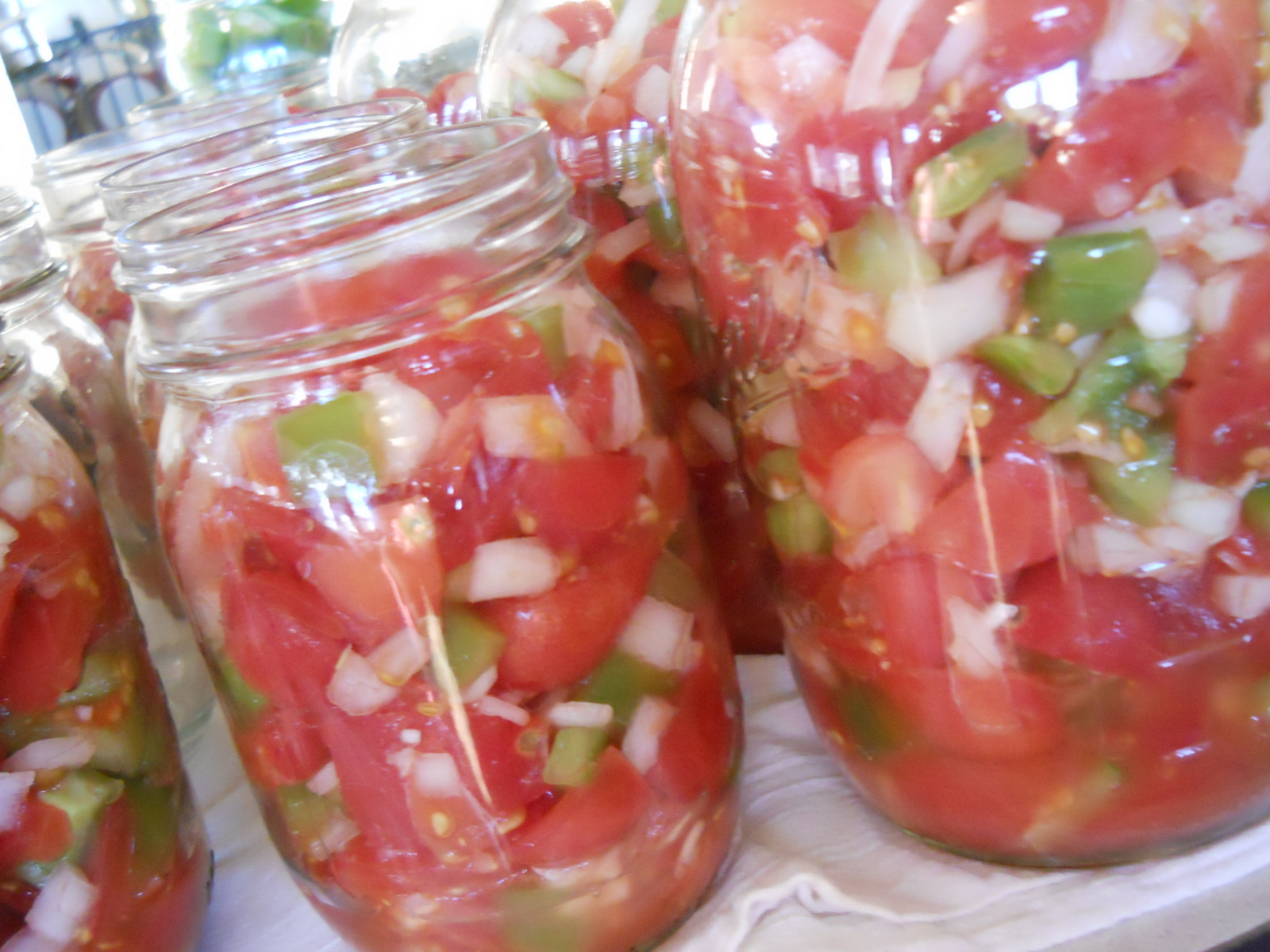
I decided to make some lacto-fermented salsa with some of the tomatoes by adding chopped onions, garlic and green peppers, and then adding a salt brine (1 1/2 Tbsp. salt to 1 pint water) to let it ferment for a few days. This stuff is great with tortilla chips or on salads!

Spring Garden 2012 Lacto-Fermented Tomatoes

One of the ladies in the community, Shannon, came over one day to help me chop up some tomatoes in preparation for making my first ever batch of tomato sauce. Here the tomatoes are being rinsed and readied to be chopped:

Spring Garden 2012 Tomatoes Ready to Process into Tomato Sauce

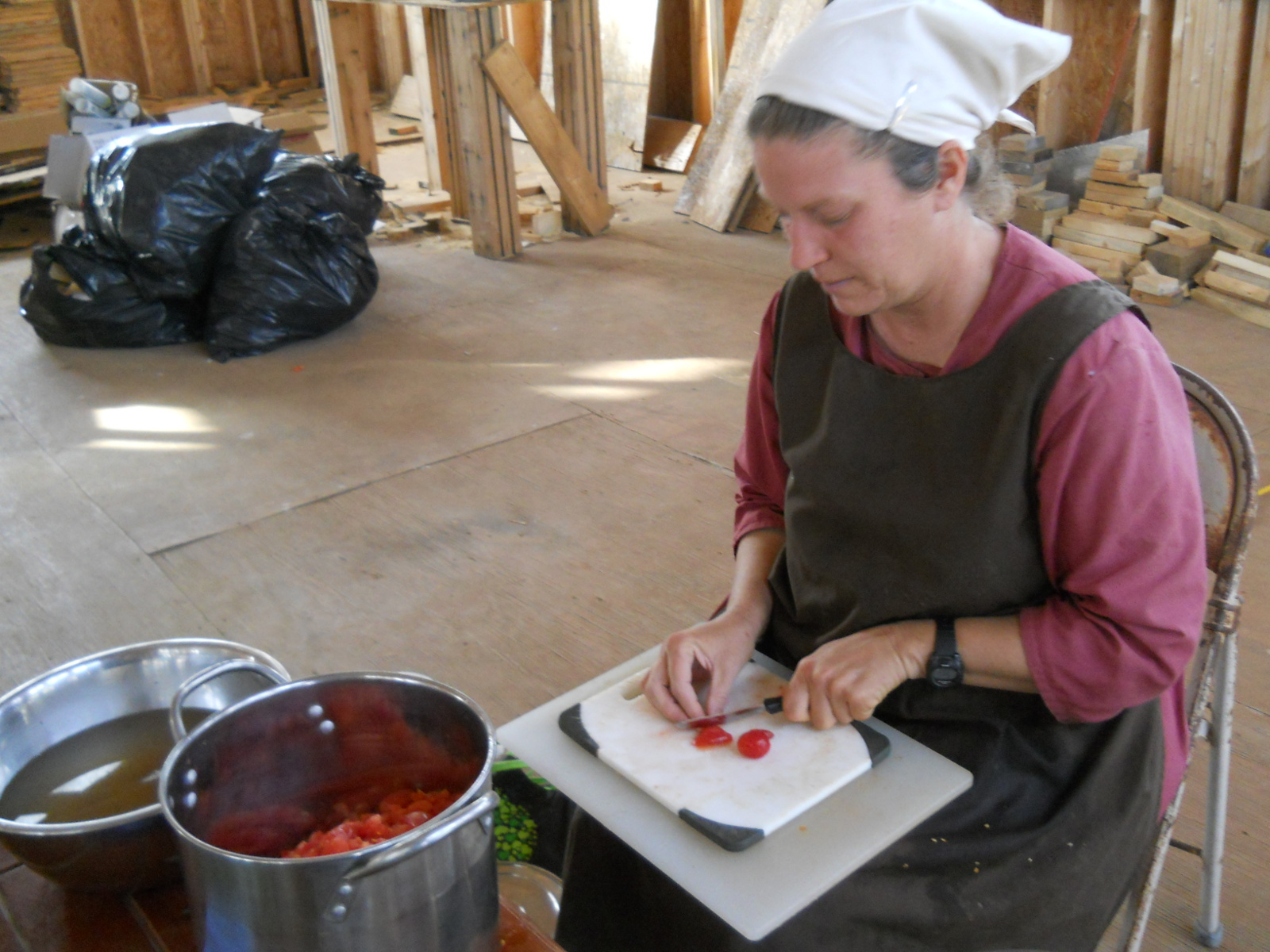
Shannon took an “action” shot of the tomatoes being cut up. Can’t you just feel the excitement in the air?! (By the way, her young boys did a great job of helping pick up construction debris in our new house that day as you can see by the garbage bags in the background – thanks, boys!)

Spring Garden 2012 Cutting Tomatoes for Tomato Sauce

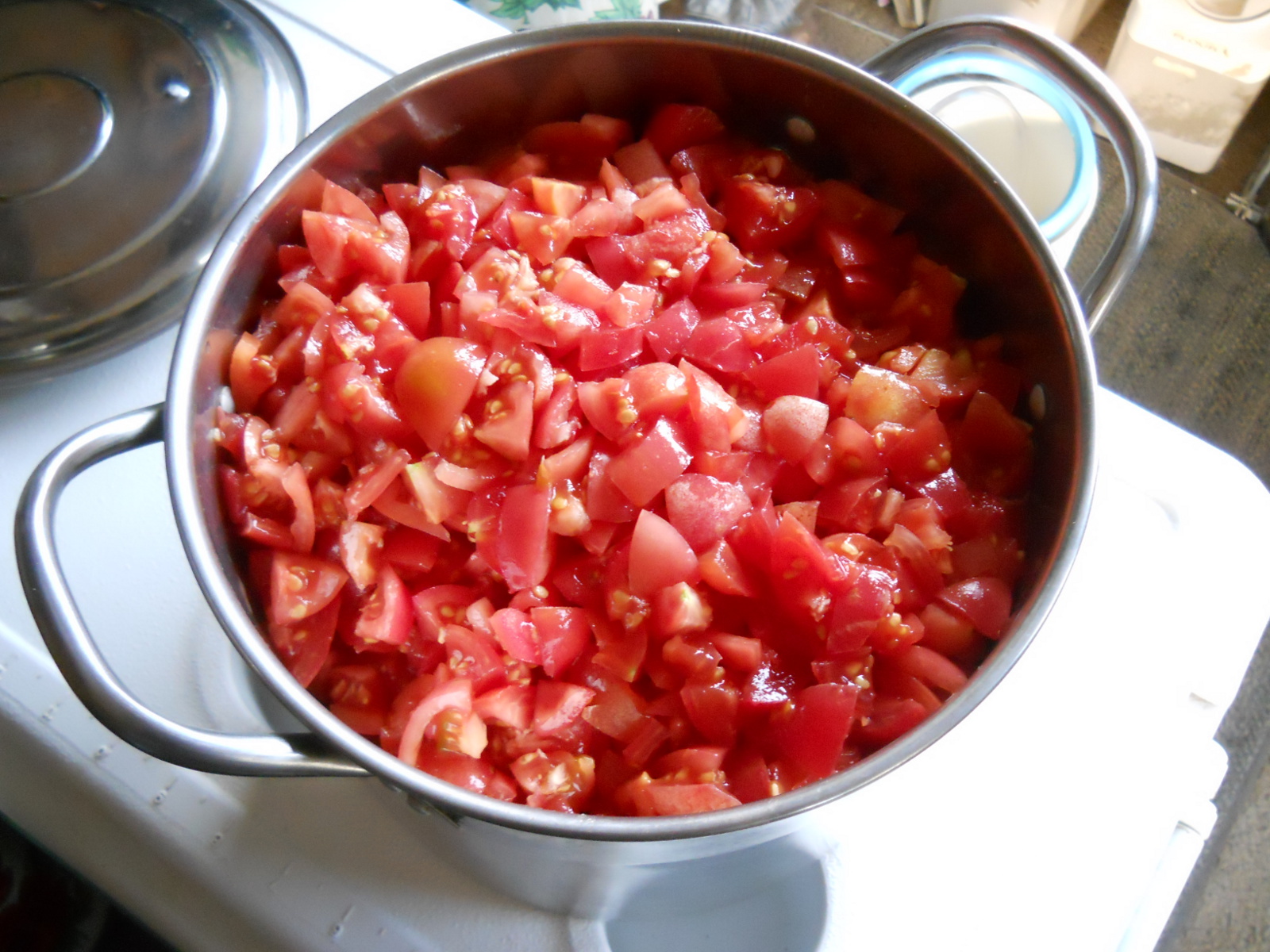
Here are the tomatoes all cut up (thanks again, Shannon!) and ready to be made into tomato sauce:

Spring Garden 2012 Cut and Ready to be Simmered into Tomato Sauce

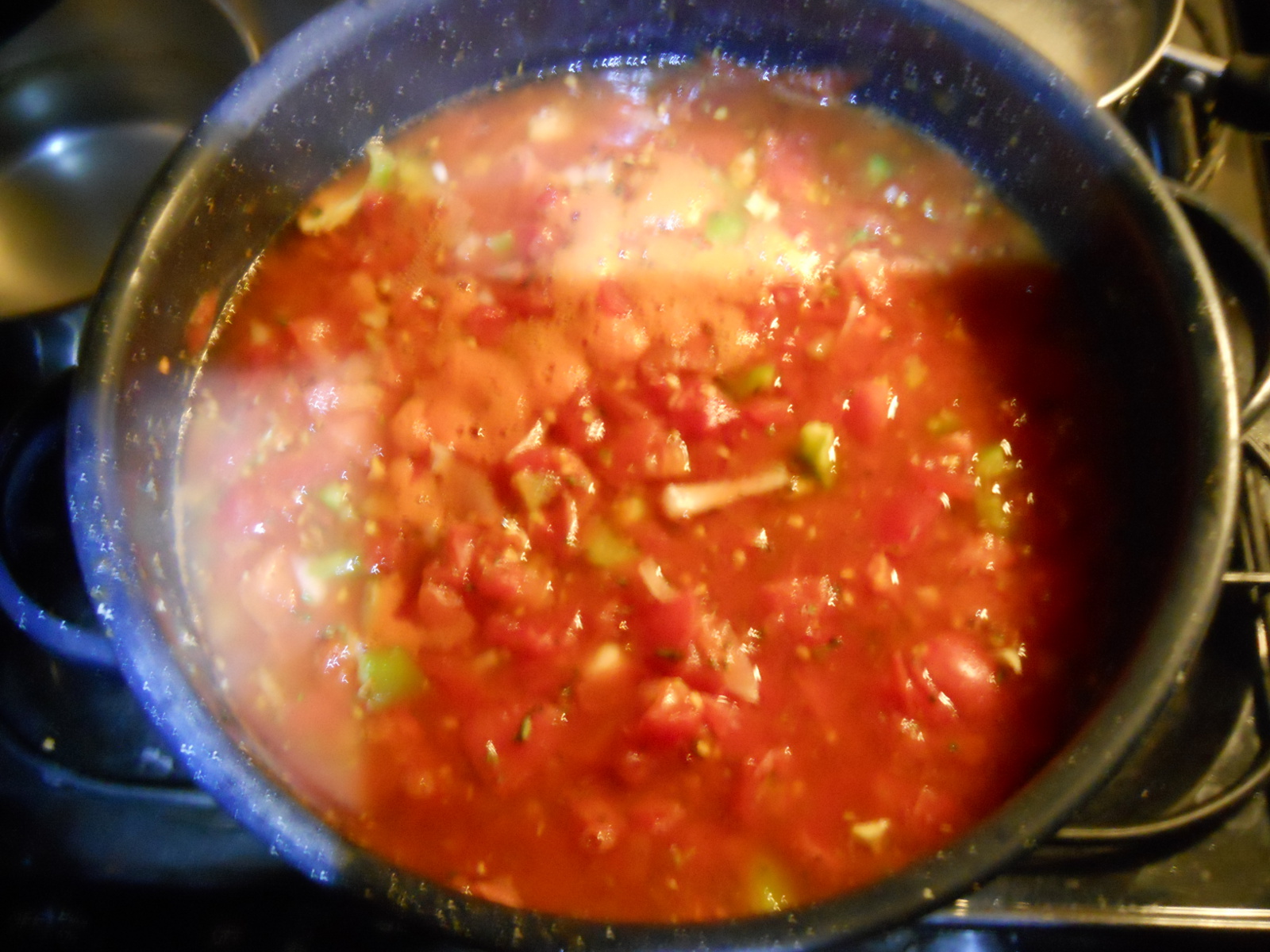
I added other ingredients per the recipe below, and here it is simmering and being prepped to pour into hot jars in order to be pressure-canned:

Spring Garden 2012 Tomatoes Simmering to Become Tomato Sauce

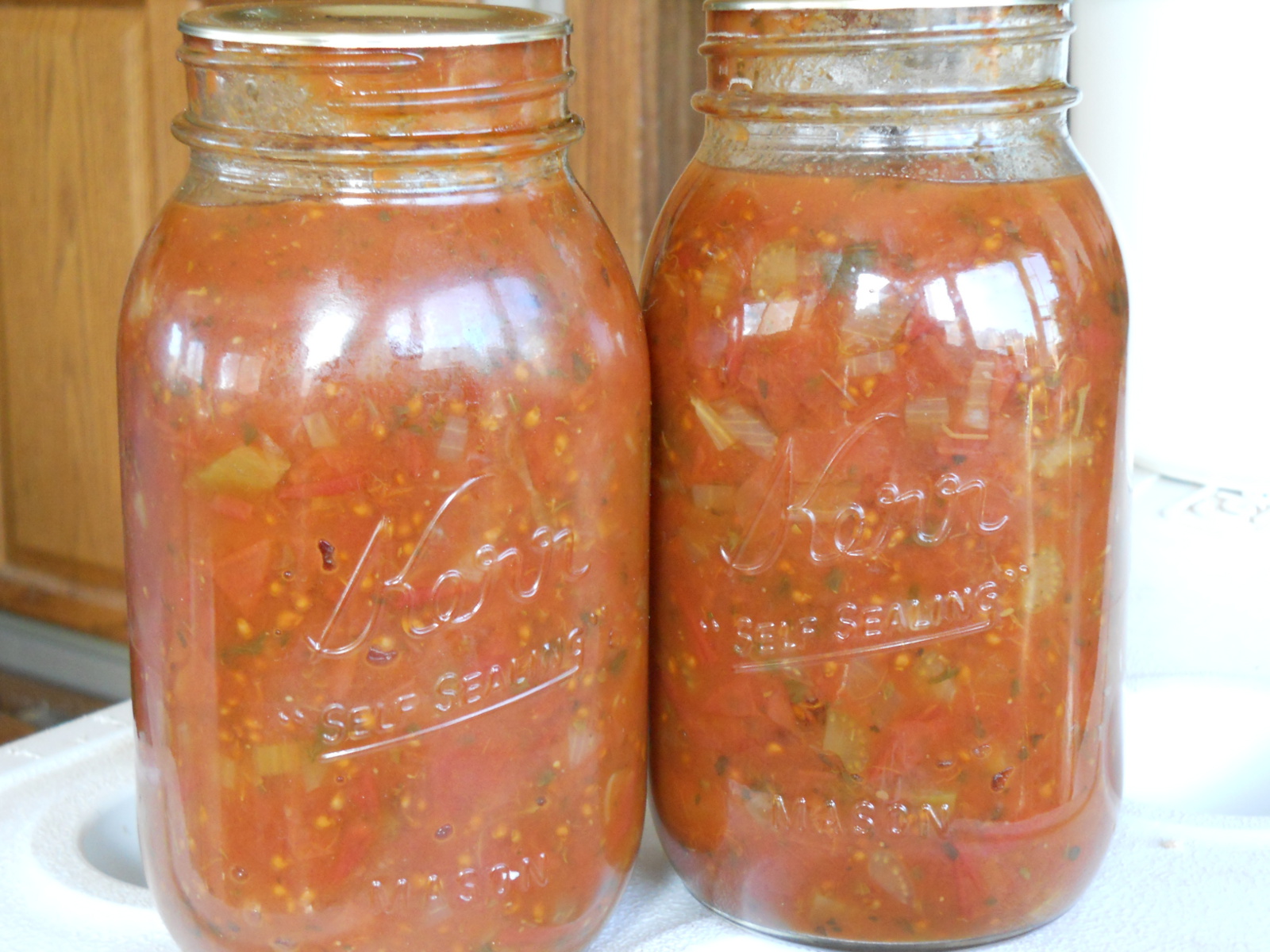
I think the yield was three and a half quarts; but by the time I took this picture, we had already used half our yield! It is pretty tasty stuff!

Spring Garden 2012 Tomato Sauce

As you may know by now, I am all about keeping things simple. So I looked for a really simple recipe. I think next time I may keep it even more simple by adding only garlic and onion, but this recipe is great too. It is titled “Italian Tomato Sauce” in the Ball “Blue Book of Preserving”:

ITALIAN TOMATO SAUCE:

Yield: About 7 pints or 3 quarts

  • 4 quarts chopped (about 24 large), seeded, peeled, cored tomatoes (uh, yeah, right – I only cored and chopped mine and threw the rest in as-is)
  • 1 cup chopped celery (about 2 stalks)
  • 1/2 cup chopped onion (about 1/2 medium)
  • 1/4 cup chopped green pepper (about 1/4 medium)
  • 1 Tbsp. Basil
  • 1 Tbsp. Oregano
  • 1 Tbsp. Minced Parsley
  • 2 tsp. crushed red pepper (optional – I didn’t use it)

Combine all ingredients in a large saucepot. Cover and cook 10 minutes, stirring occasionally to prevent sticking (cook longer if you want to cook out some of the juices and make a thicker, less watery, sauce). Ladle the hot sauce into hot jars leaving 1-inch headspace. Remove air bubbles. Adjust two-piece caps. Process pints 15 minutes, quarts 20 minutes, at 10 pounds pressure (depending on altitude) in a steam pressure canner. SIMPLE!!

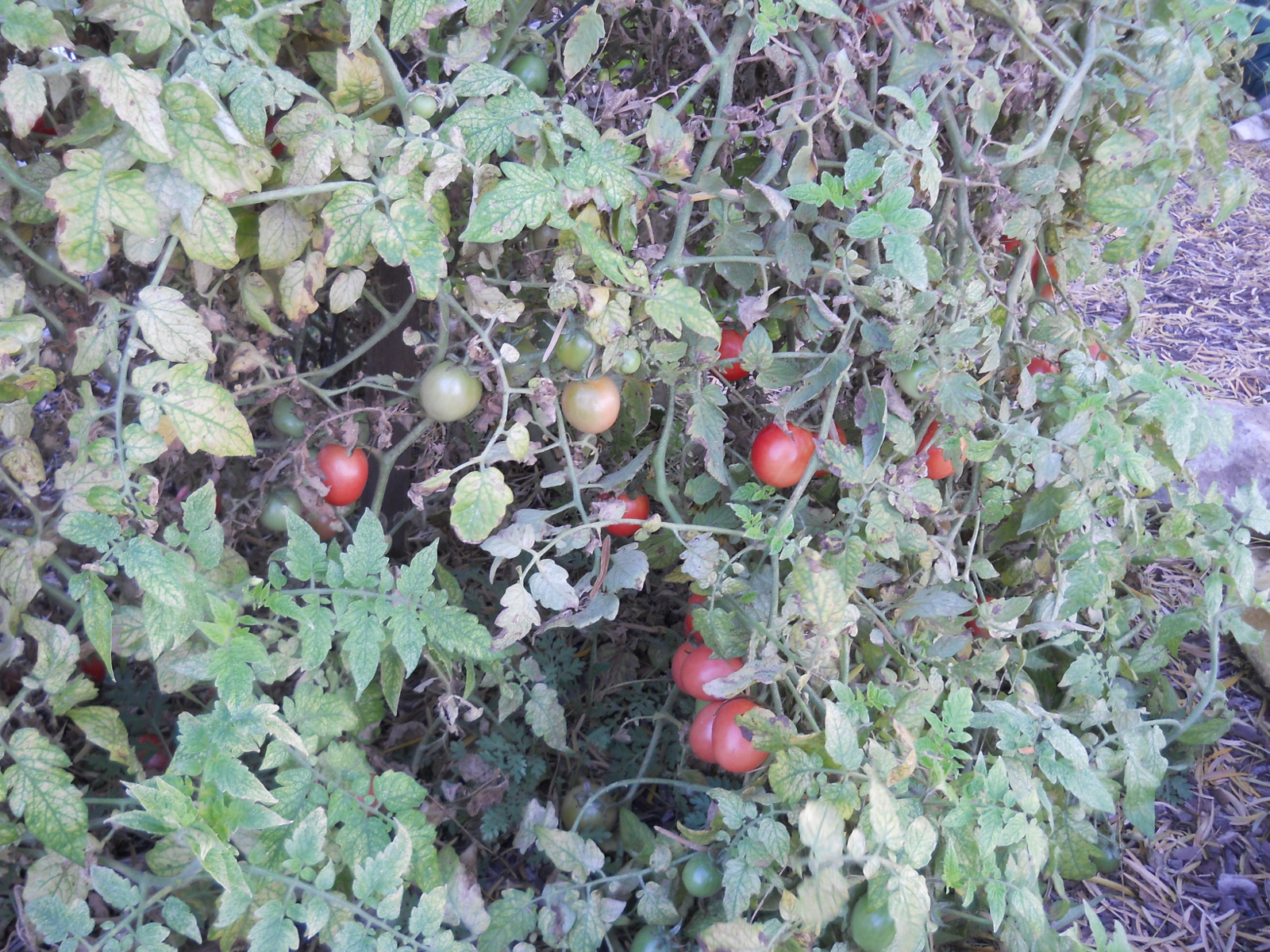
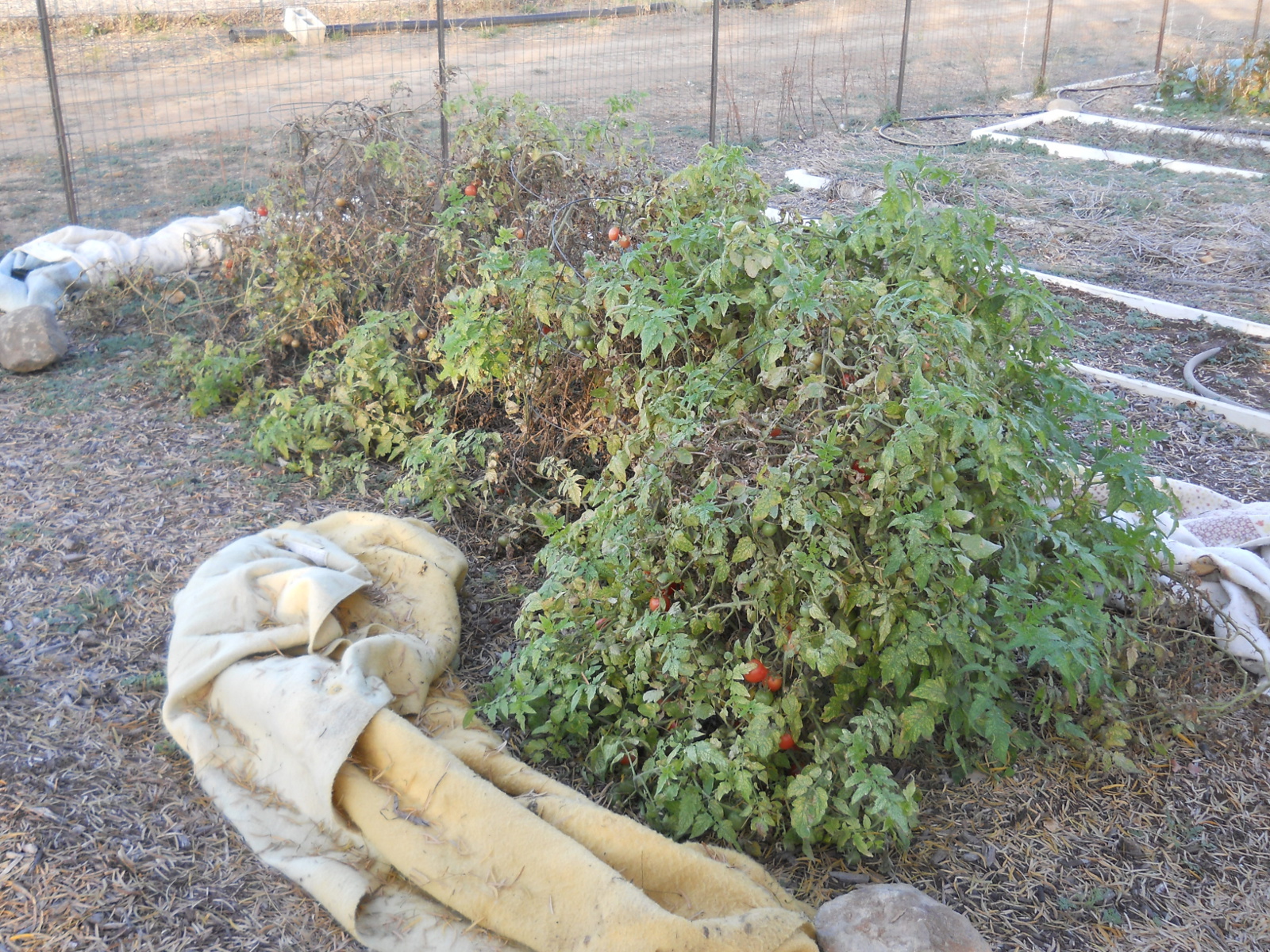
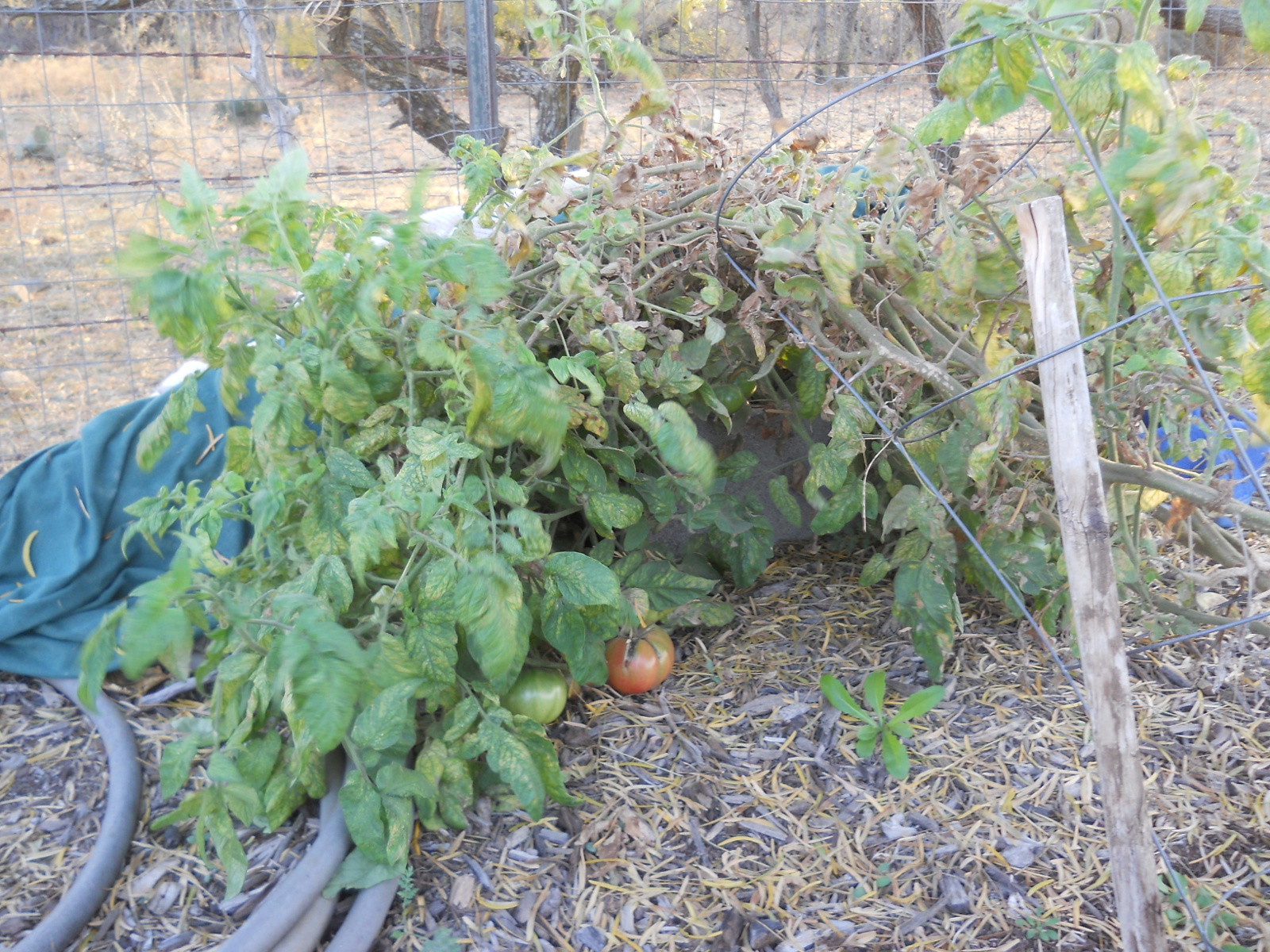
This past Lord’s Day we made the decision to pull the remainder of the garden due to a long, hard freeze that was expected to hit on Monday night (we’ve been covering one of the black-eyed pea beds and the tomatoes with blankets up to this point, for light freezes, which has worked very well; but we covered other black-eyed peas beds with a tarp, and that didn’t work so well). As you can see, the tomatoes were going strong into December:

Spring Garden 2012 Cherry Tomatoes on the Vine in December

The growth seemed to flourish after the temperatures dropped a bit when Fall kicked in:

Spring Garden 2012 Tomato Plants in December

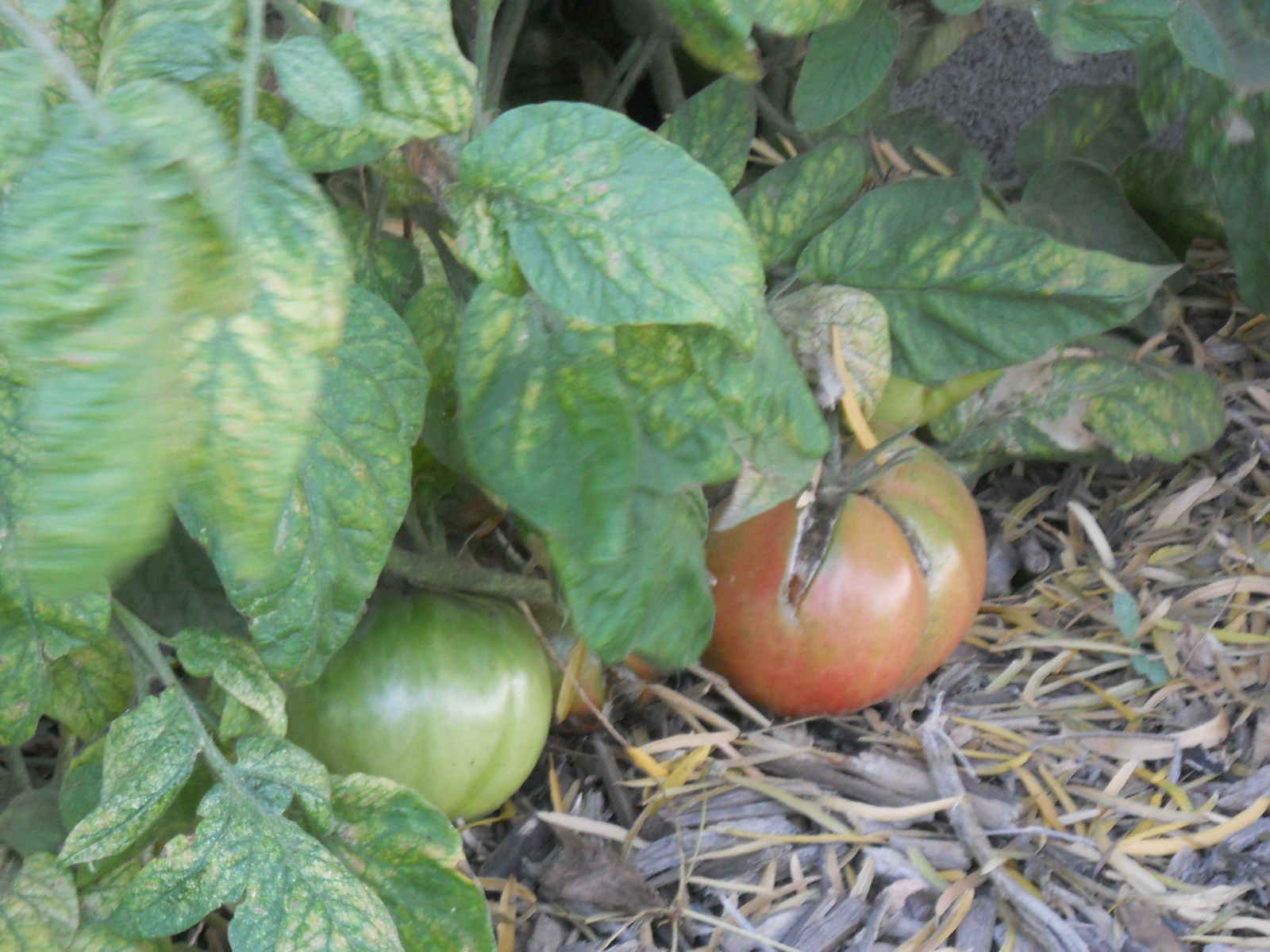
This is the lone, late-blooming, heirloom plant (we had originally planted two, way back in the Spring):

Spring Garden 2012 Heirloom Tomato Plant with Tomatoes

It’s too bad we had to stop it in its prime because it put out some beauties:

Spring Garden 2012 Heirloom Tomatoes

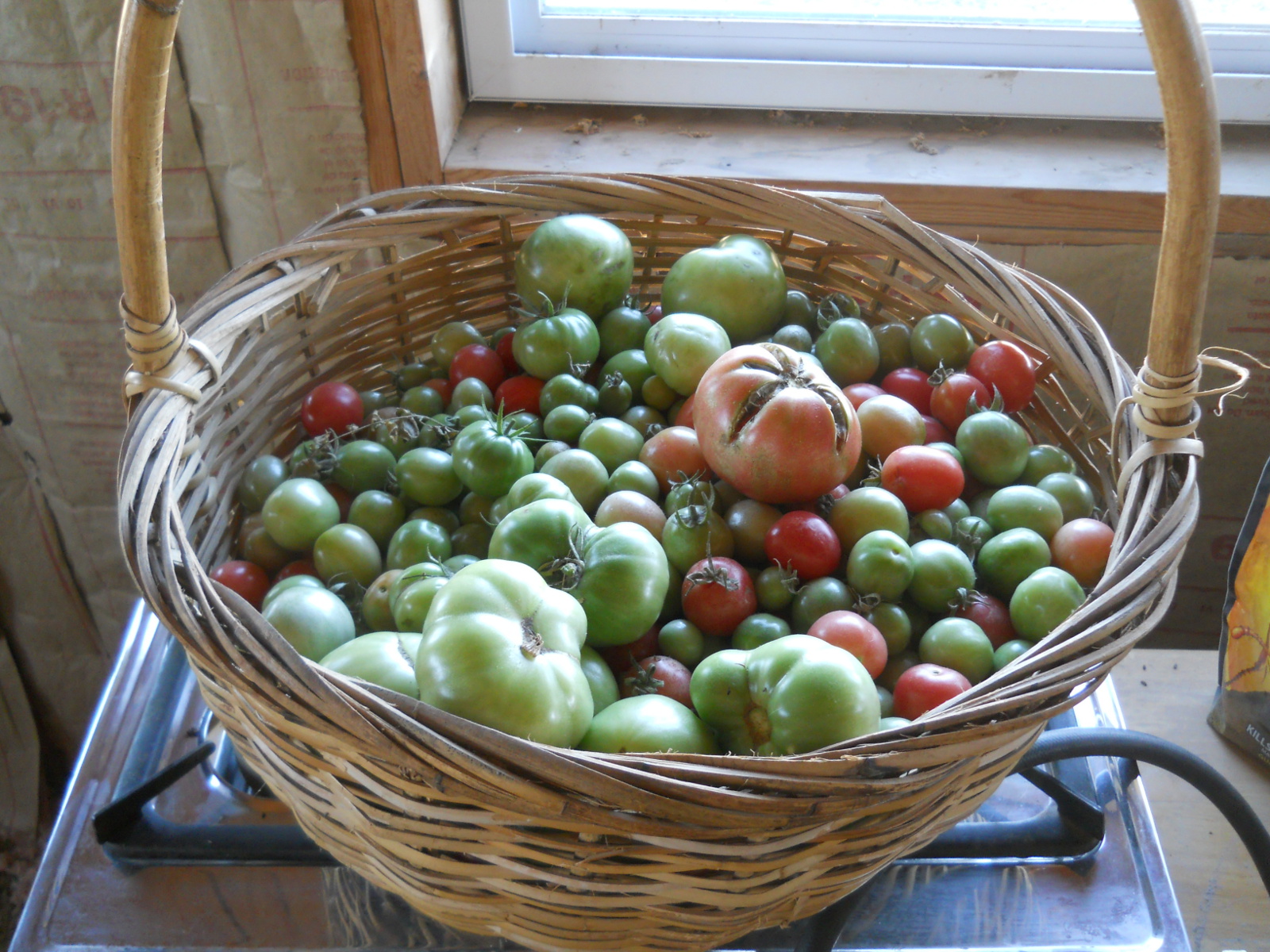
You wouldn’t know it from this picture, but the width of the basket is about 17 inches! Thank the Lord for the tomato bounty! I plan to ripen most of these little pretties in our summer kitchen and make more salsa and tomato sauce. Also, our neighbor made a delicious mock apple pie with green tomatoes (don’t judge until you taste!) for our community Thanksgiving meal, and I was very impressed. So if she’s willing to share the recipe, I plan to make a pie with some of our green tomatoes and share the recipe and process with you all, Lord willing:

Spring Garden 2012 Basket of December Tomatoes

Lastly, but certainly not least….ly (? 🙂 ) We picked the last of our black-eyed peas dried pods. (You can learn more about our other black-eyed peas experience when we picked from the Bunker’s field of black-eyed peas.) We plan to extract the little dried peas from the pods and save them for re-planting in a future garden, or rehydrating them for soups, stews, etc.:

Spring Garden 2012 Basket of Dried Black-Eyed Peas

Even continuing this year on the heels of one of the worst droughts in Texas history last year, we are very thankful to God, our Provider, for granting us water and a bountiful garden enabling us to eat and preserve vegetables for the future. May He receive all the glory.

Susan
Simple Bread Rolls

I’ve been wanting to do this blog post for almost a year now and figured just before Thanksgiving would be a timely…uh…time!

With there always being so much going on these days on our homestead, right now there’s a fine line between consciously keeping things process driven but also actually getting things done. So recipes like this come in handy.

I volunteered to make the dinner rolls for our community Thanksgiving meal last year and chose a recipe that ended up taking a few hours in which to make the rolls, including kneading the dough, letting it rise, twice, etc. Well, I started to panic when I realized the recipe would not make enough; and I didn’t have time to make another batch. Then I found this bread roll recipe and threw it together quickly to make up the difference in the amount needed. I couldn’t believe how fast and easy it was; and the rolls tasted as good, if not better! I was so thankful to have found it because it changed the way I think about making rolls for everyday meals.

So if you’re looking for a quick bread/dinner roll recipe for Thanksgiving or any other meal, I highly recommend trying this:

SIMPLE BREAD ROLLS – Yield: 16 rolls (from http://www.food.com/recipe/bread-rolls-246317)

INGREDIENTS

2 (1/4 ounce) packages yeast

3 1/2-4 1/2 cups white bread flour (I use half whole wheat flour, half unbleached white flour)

3 tablespoons sugar

1 teaspoon salt

1 cup milk

1/2 cup boiling water

1/4 cup butter, room temperature

DIRECTIONS

1. In a small bowl, mix milk with water. Add sugar, yeast, and butter. Stir until yeast is dissolved and set aside for 10 minutes or until yeast has foamed up a bit.

2. In a large bowl, mix flour and salt. Use the lower amount of flour to start with and add more only if the dough is really too sticky.

3. Add yeast mixture to flour and mix.

4. Knead until smooth and elastic.

5. Place in greased bowl, cover tightly with plastic wrap, and let rise in a warm place for 15 minutes. (I turn my oven on warm and place the bowl in there)

6. Oil your hands and shape the dough into rolls and place in a well-greased pan. I use 2 round non-stick cake pans.

7. Cover loosely with plastic wrap and let rise another 15 minutes.

8. Bake at 400 for about 10 minutes or until golden brown.

9. Let these cool down before you remove them from the pan or they will likely tear.

For those of you who are helped by step by step photos, here you go!

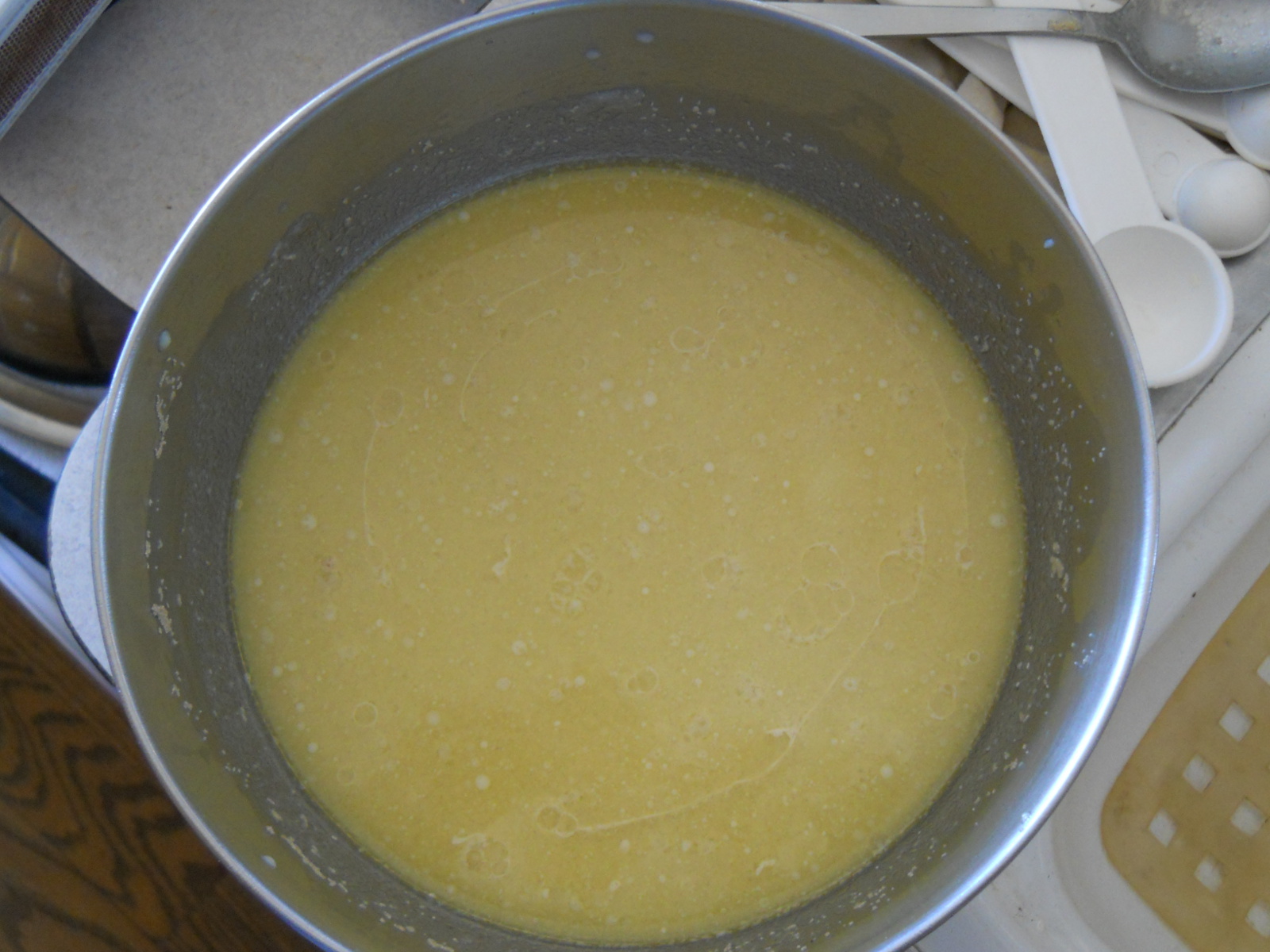
Here the wet ingredients have all been mixed together and set aside for the yeast to start to foam up:

Simple Bread Rolls Wet Ingredients

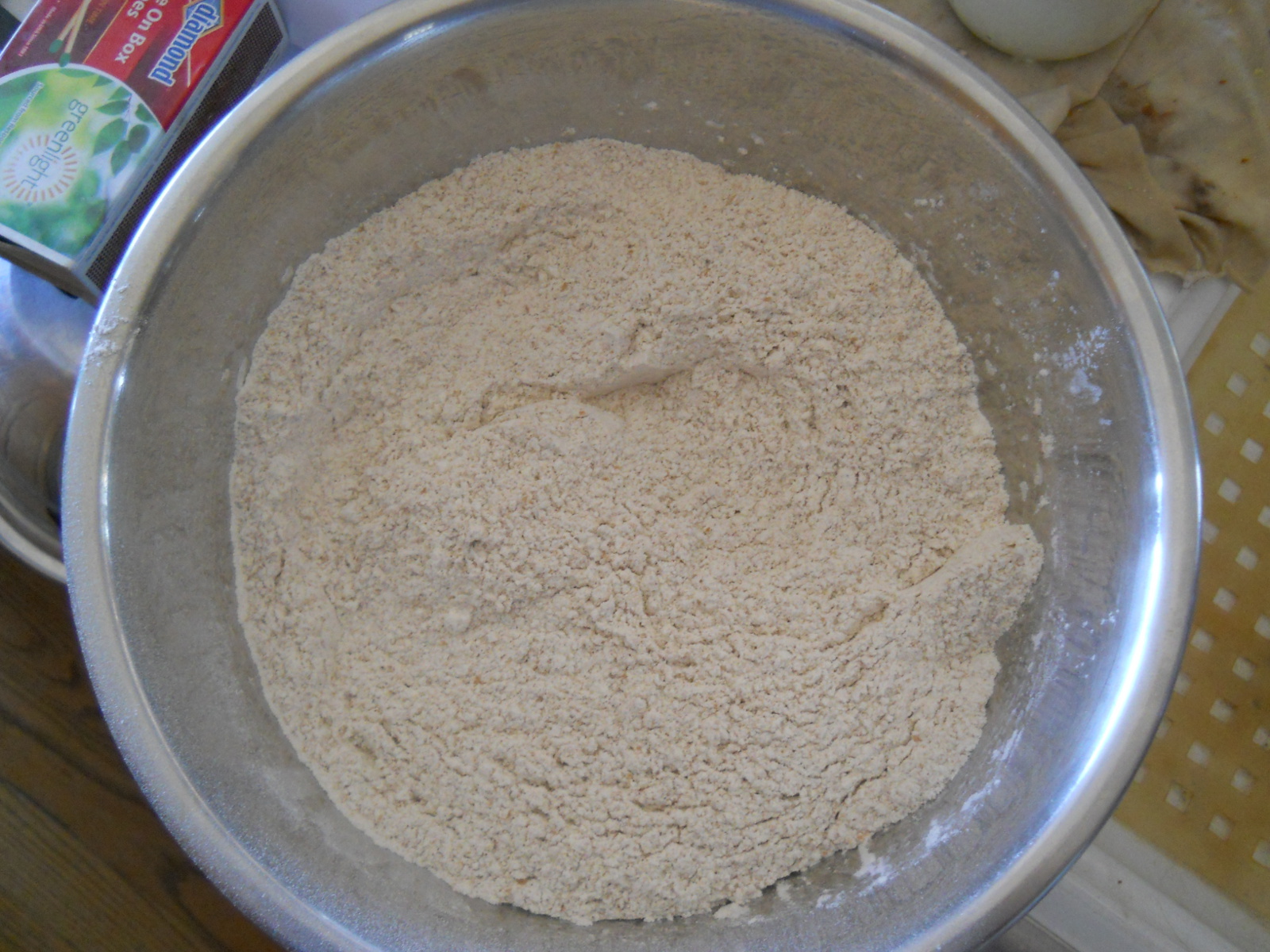
All the dry ingredients are then mixed together:

Simple Bread Rolls Dry Ingredients

The yeast has foamed up and is ready to be added to the dry ingredients:

Simple Bread Rolls Yeast Foaming

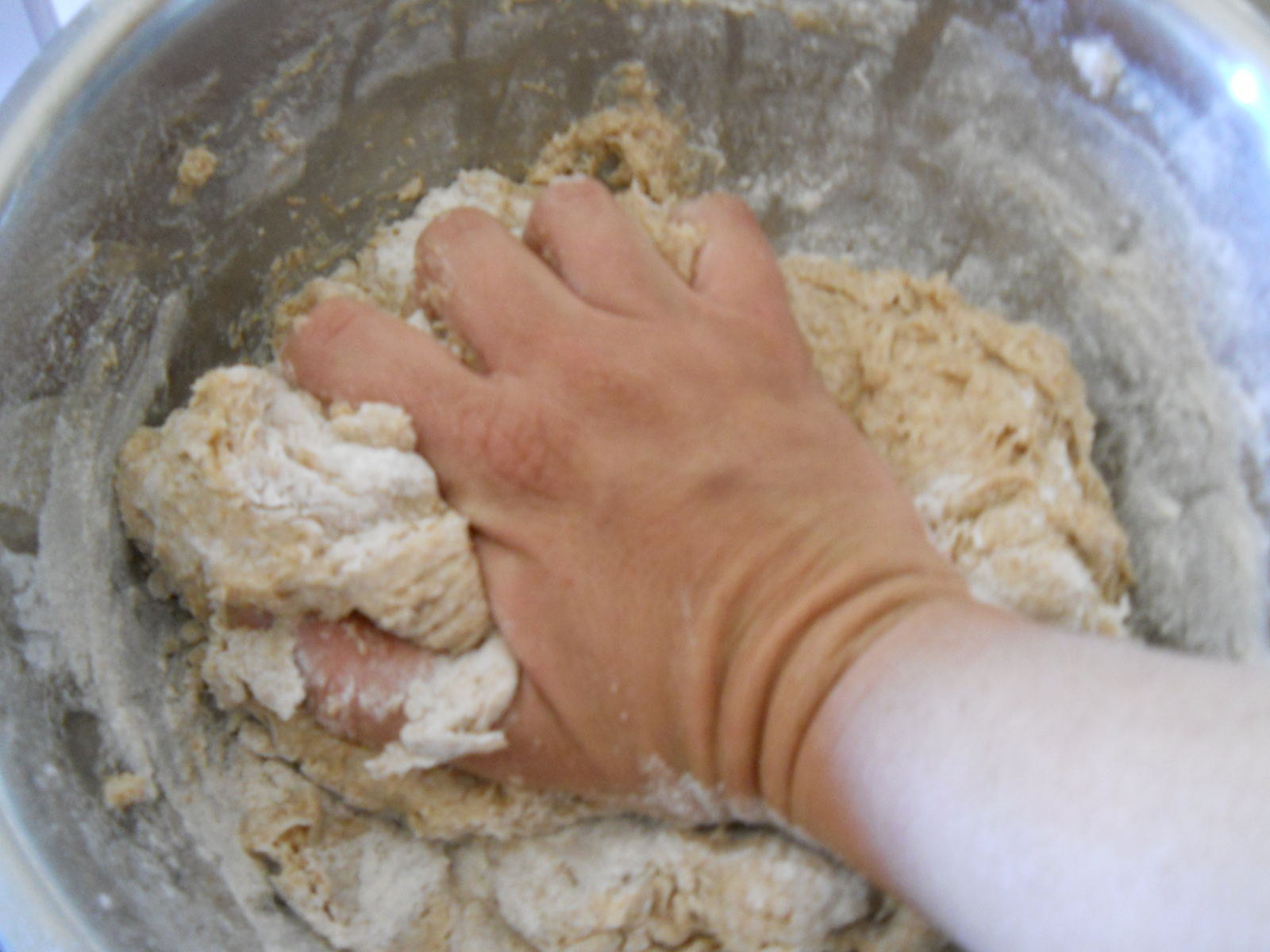
I knead the dough for about five minutes, but your experience may vary:

Simple Bread Rolls Kneading Dough

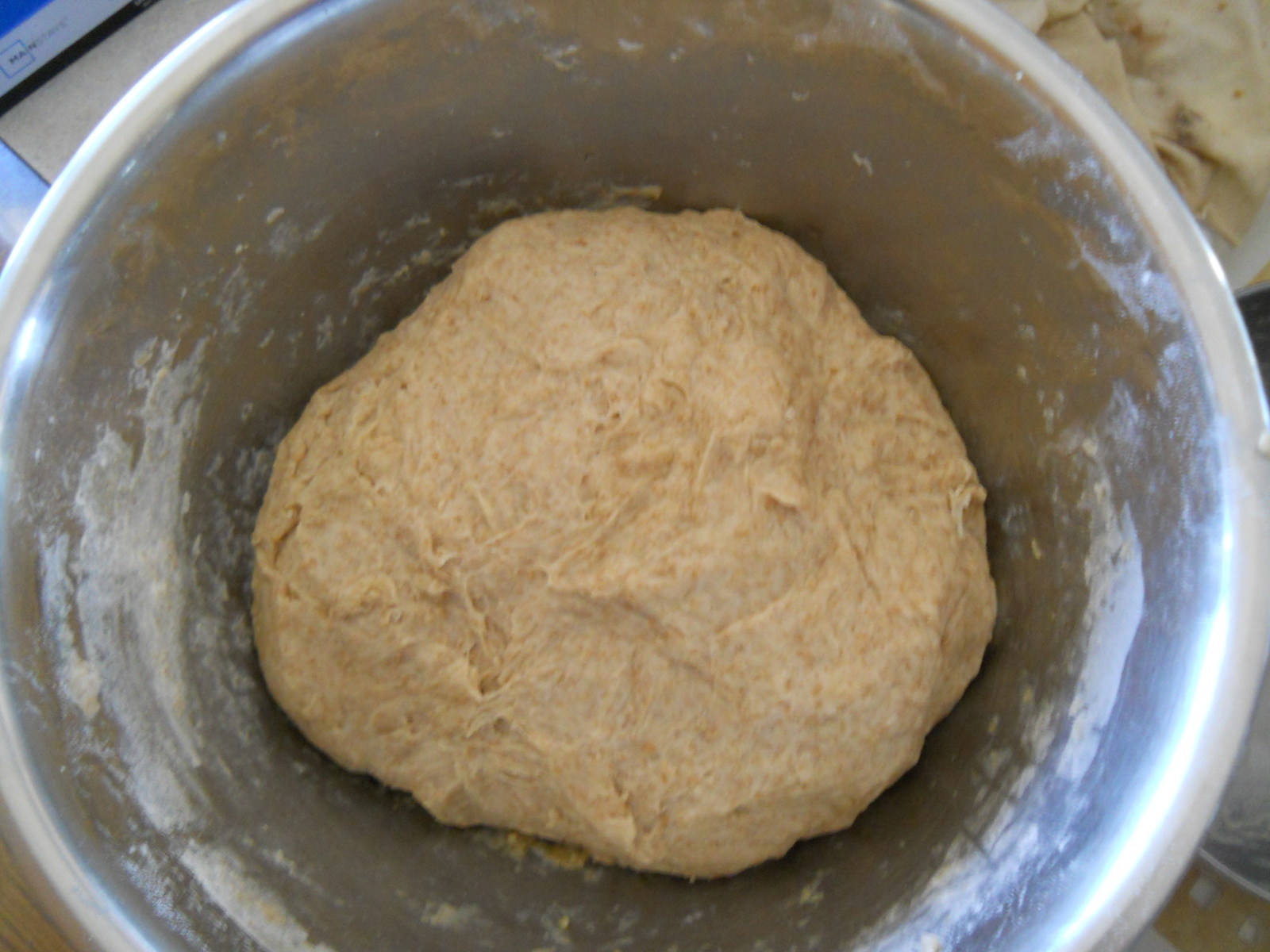
And it eventually reaches a smooth and elastic consistency:

Simple Bread Rolls Dough Before Rising

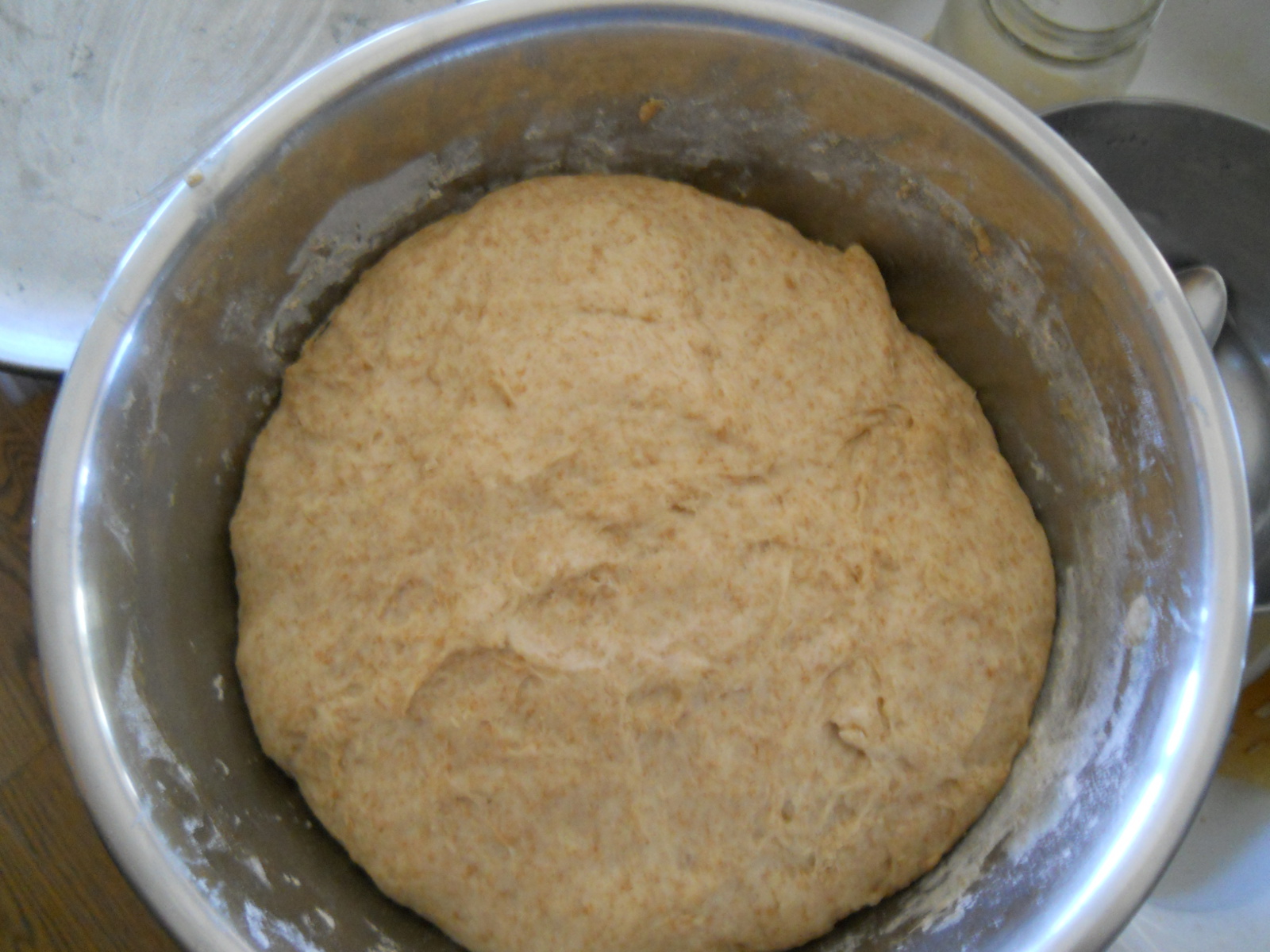
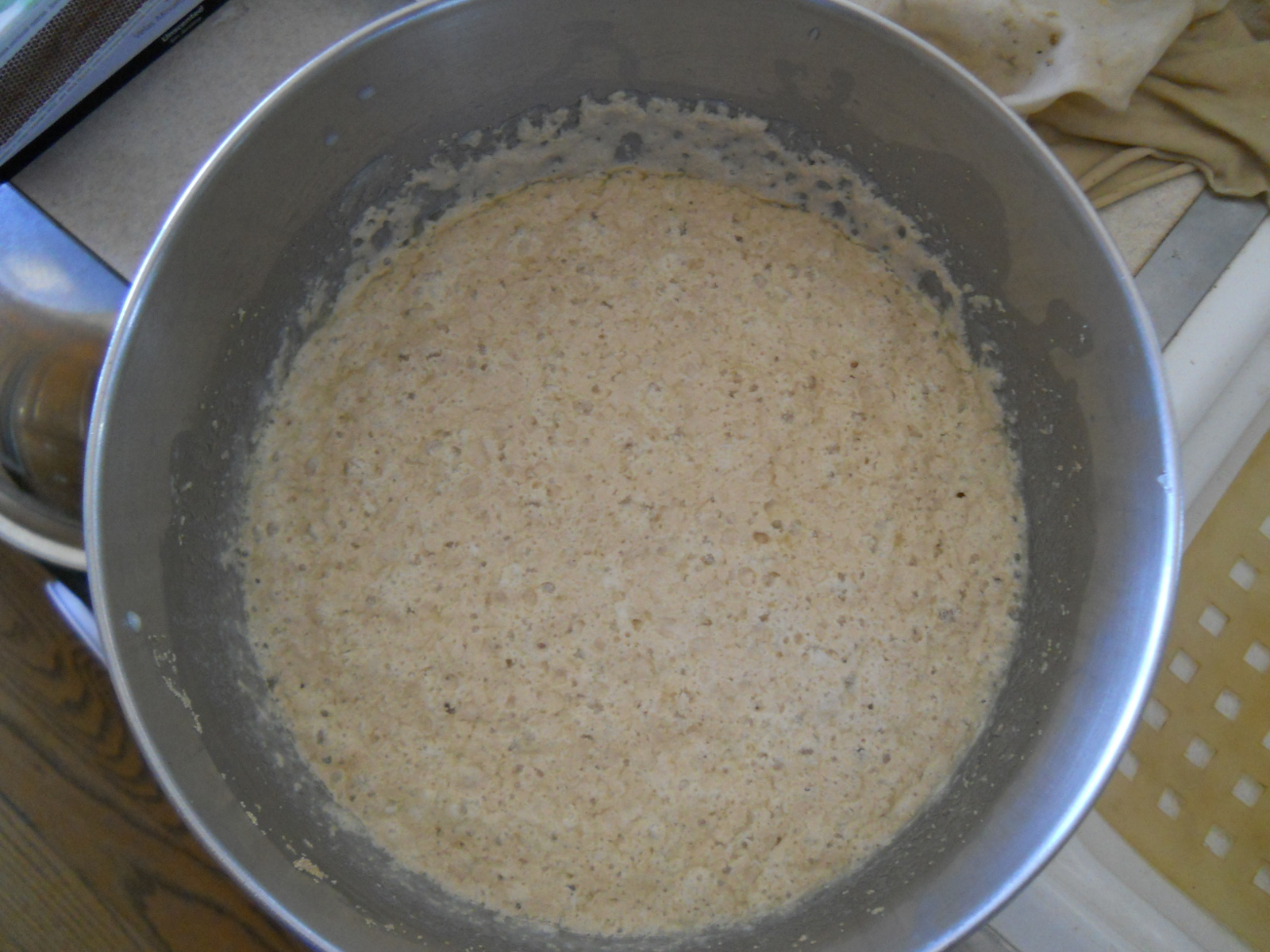
The dough should expand in size like this after it has been placed in a warm area for 15 minutes:

Simple Bread Rolls Dough After Rising

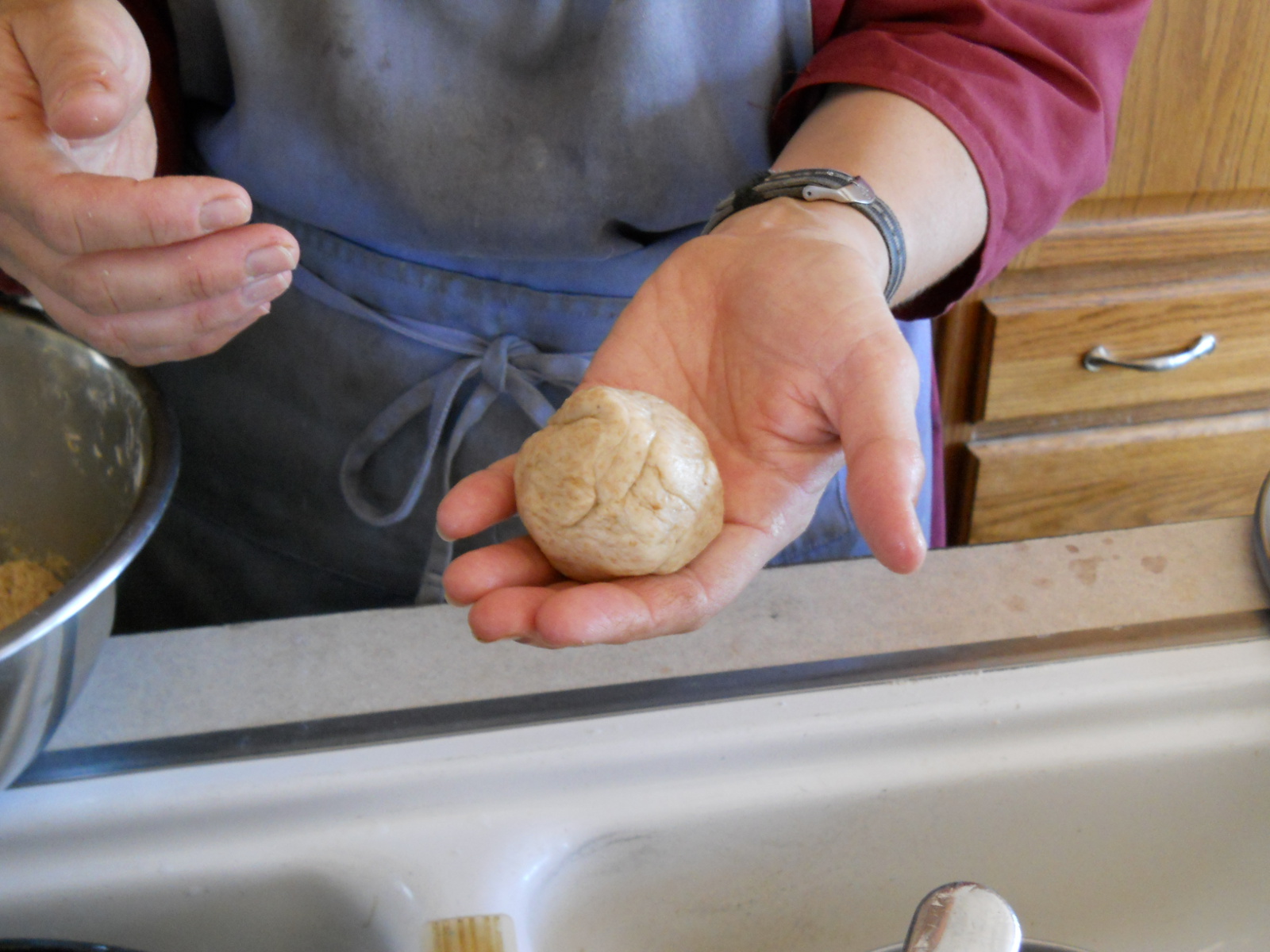
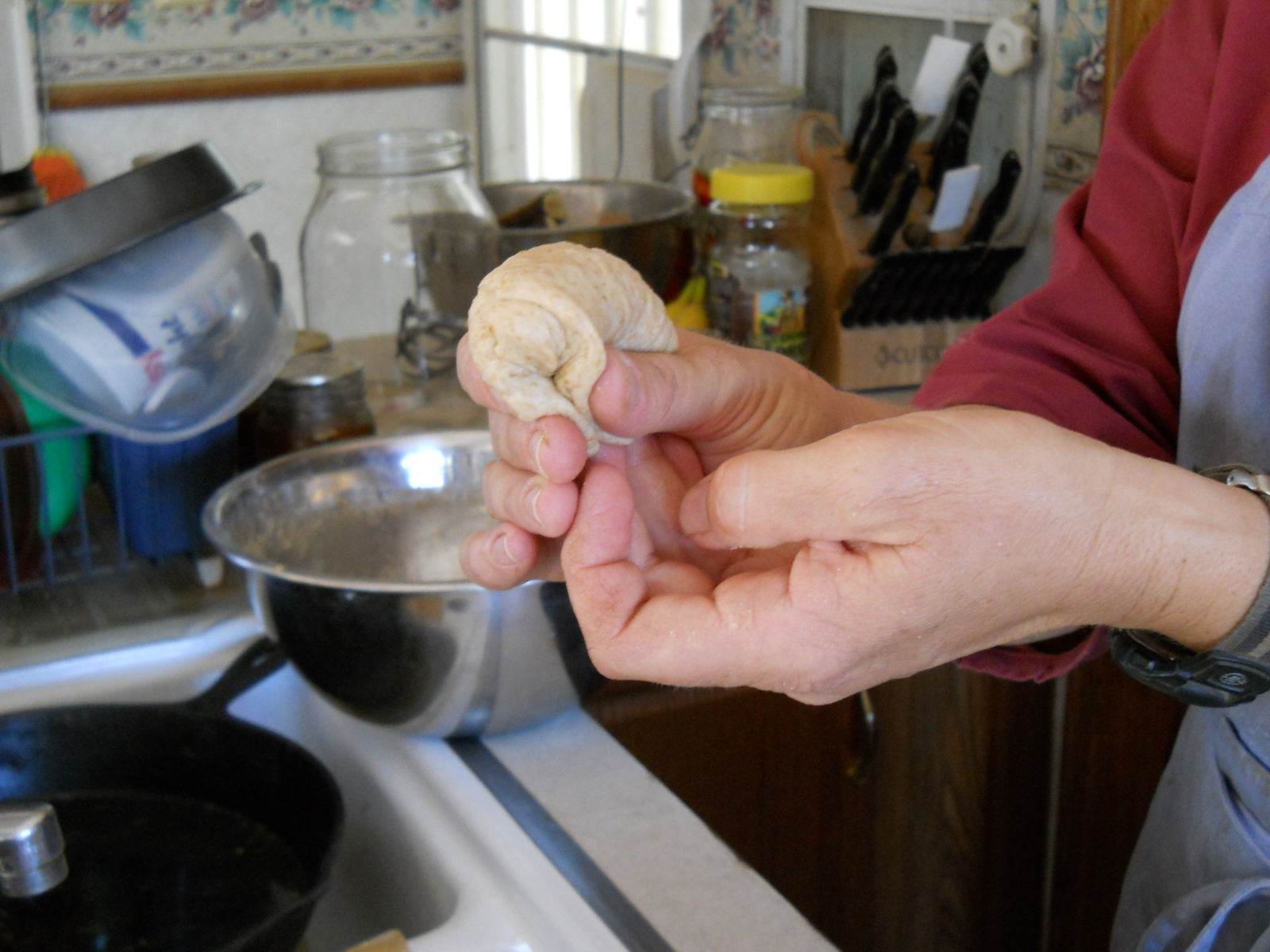
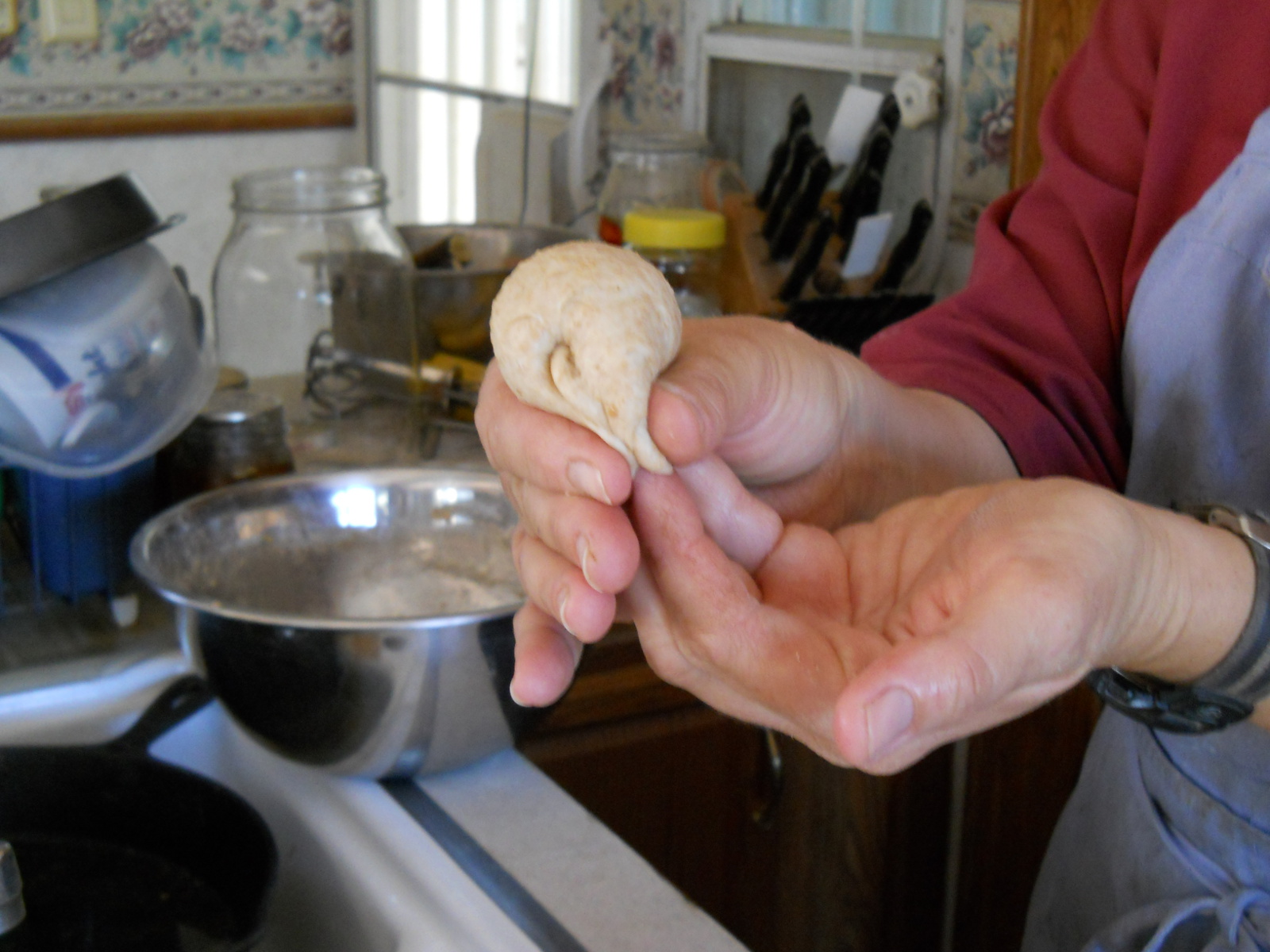
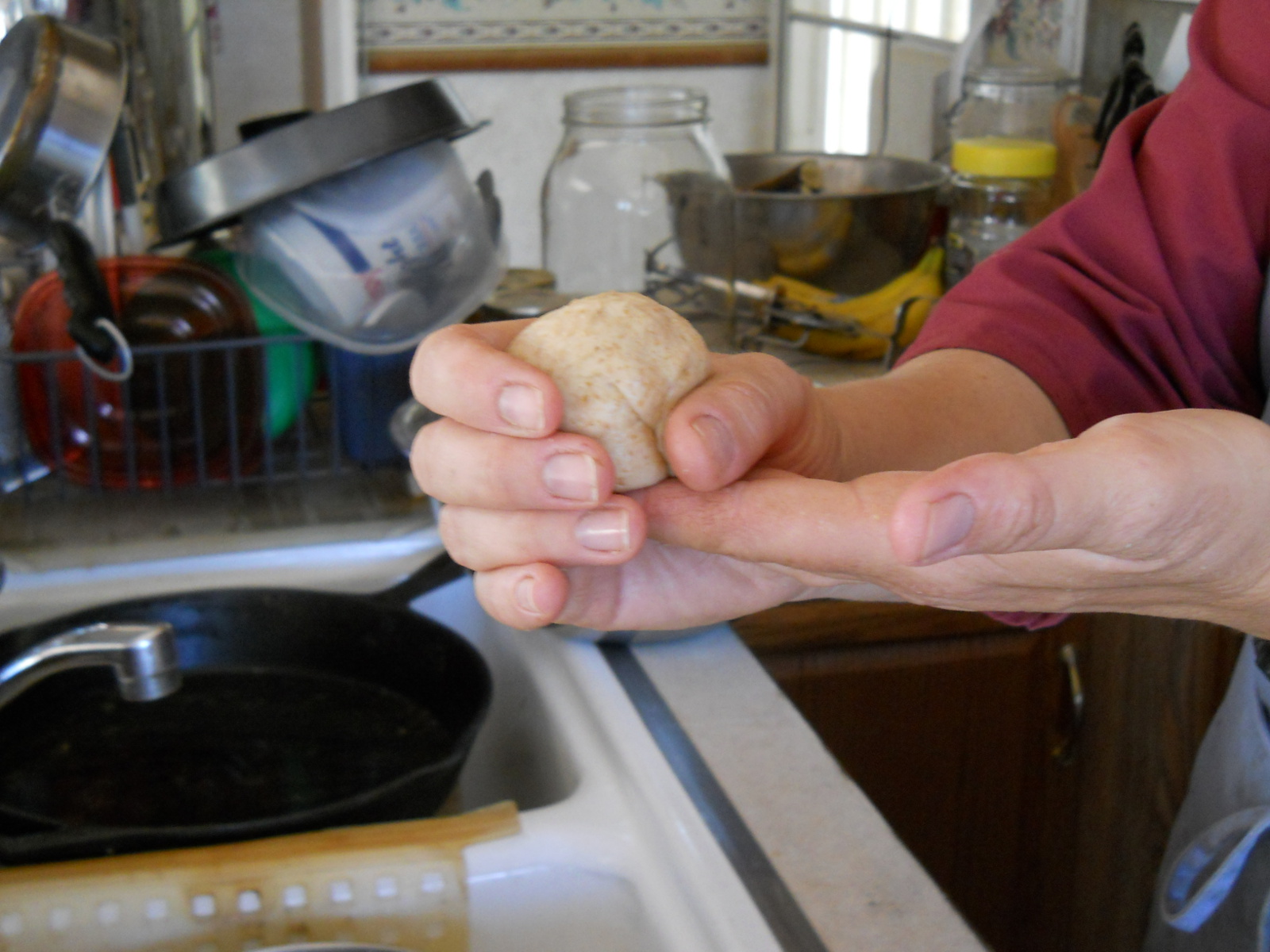
To form the dough into the roll:

Step A: Grab a small doorknob-sized roll of dough from the large amount:

Simple Bread Rolls Starting to Form Roll

Step B: Start to smooth the dough from the top down:

Simple Bread Rolls Shaping Roll Step A

Step C: Continue to smooth the top of the roll all the way to the underneath:

Simple Bread Rolls Shaping Roll Step B

Step D: Make all sides of the roll even and smooth:

Simple Bread Rolls Shaping Roll Step C

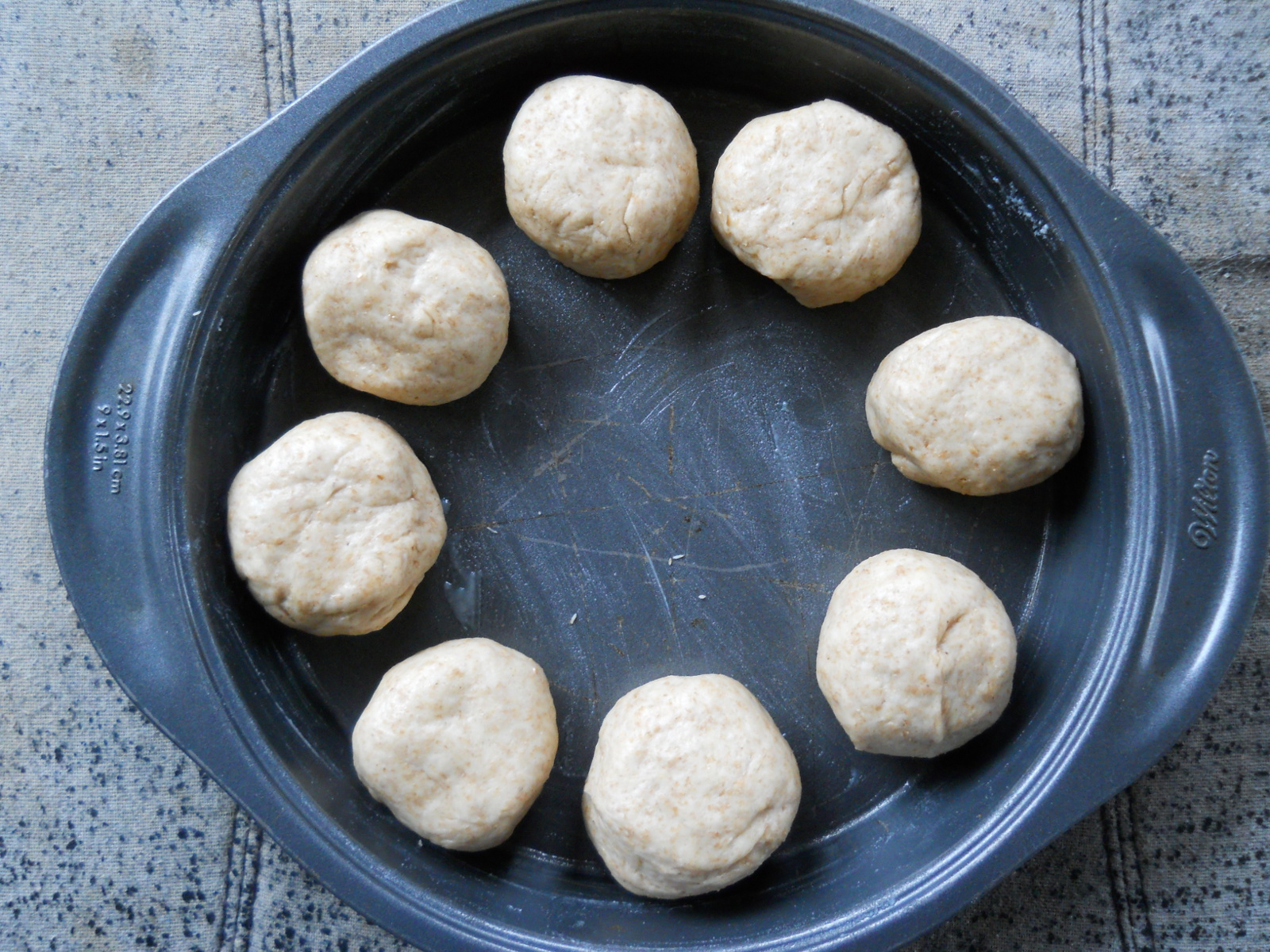
Place the rolls on large cookie sheet or in two round cake pans:

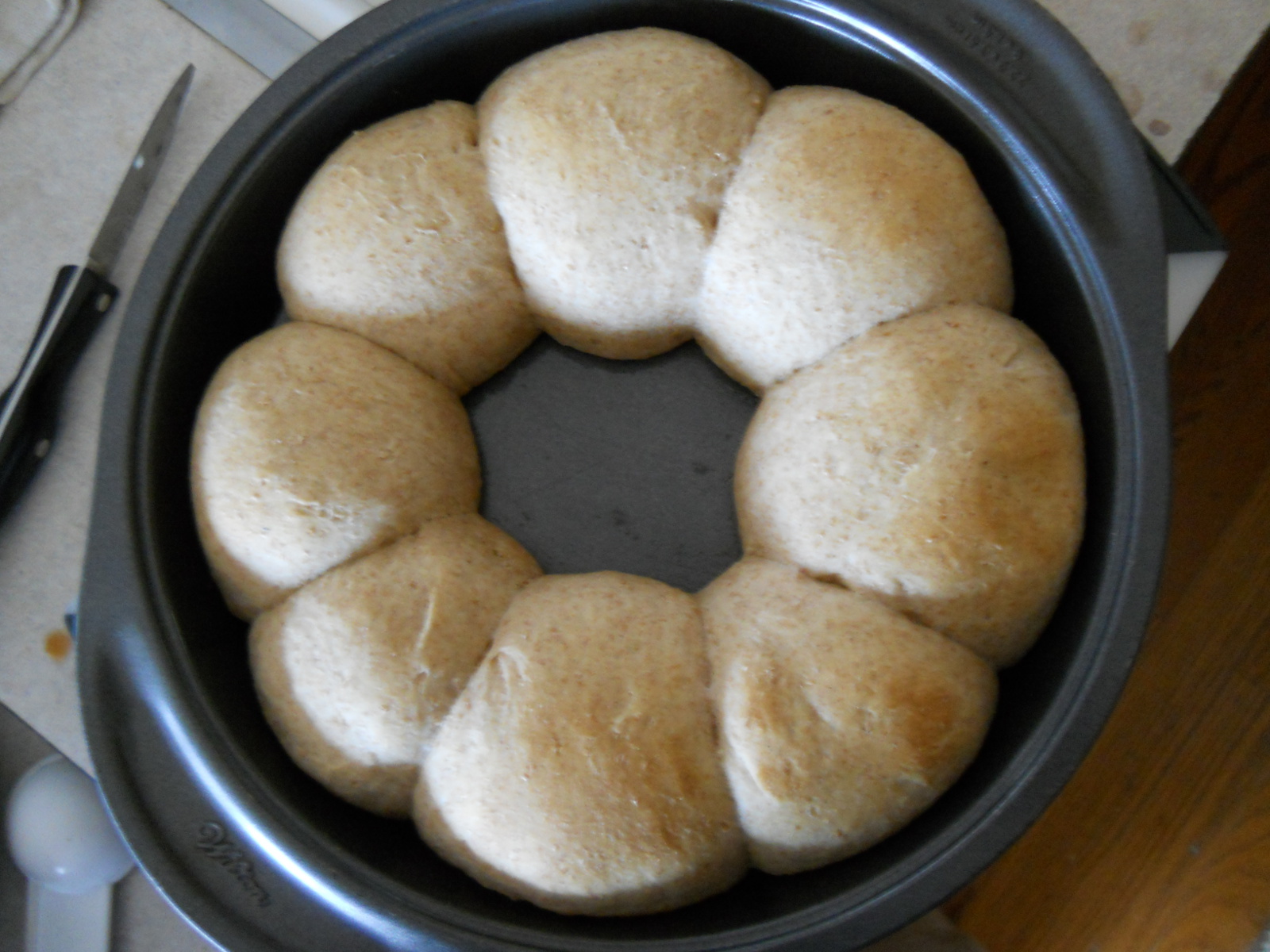
Simple Bread Rolls in Pan Ready to Rise

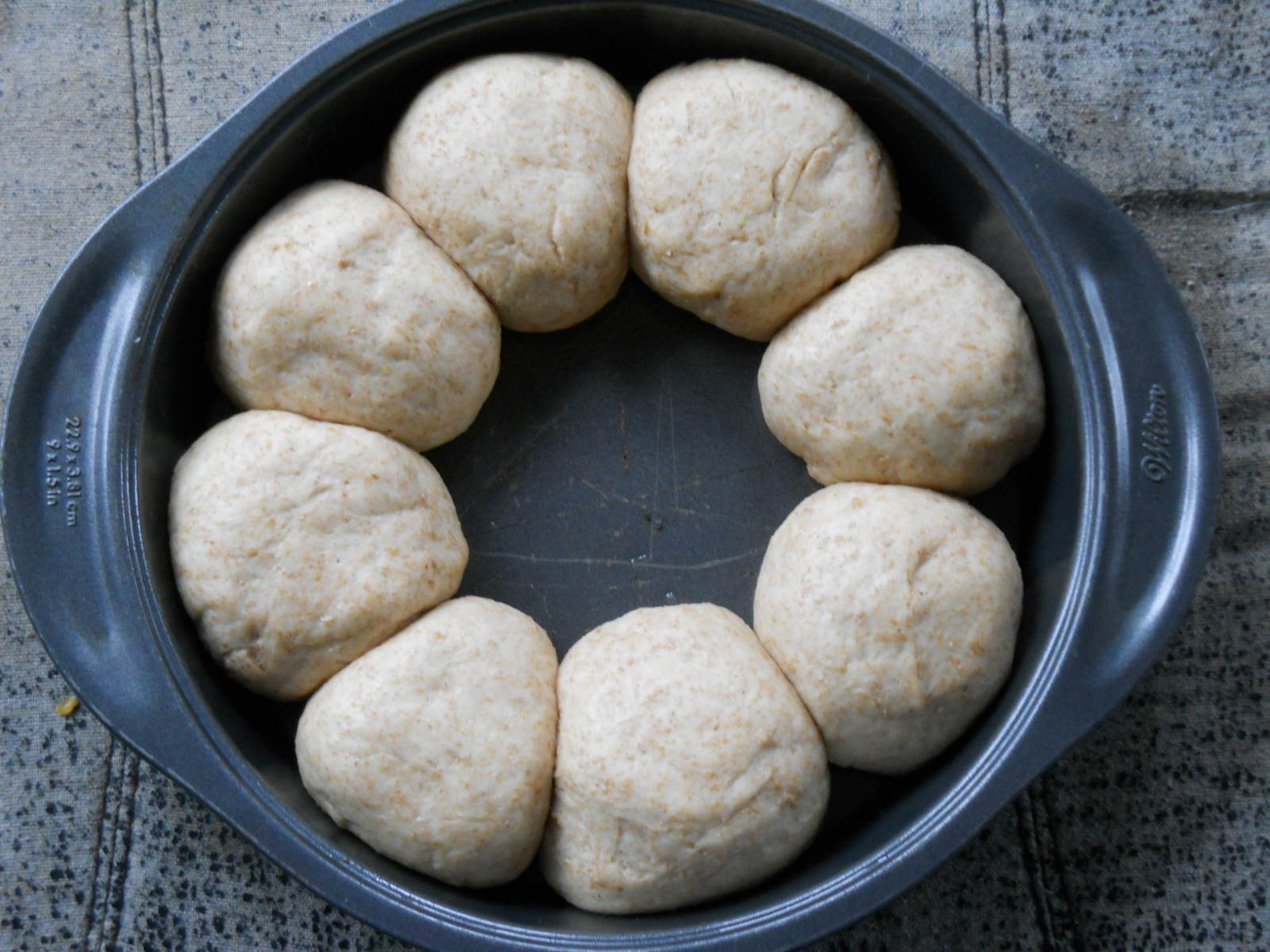
Here are the rolls after rising in the pan:

Simple Bread Rolls in Pan After Rising

These rolls have been prepped and baked in about an hour and are ready to serve with butter, jam or whatever you like! You see…simple!

Simple Bread Rolls Ready to Serve

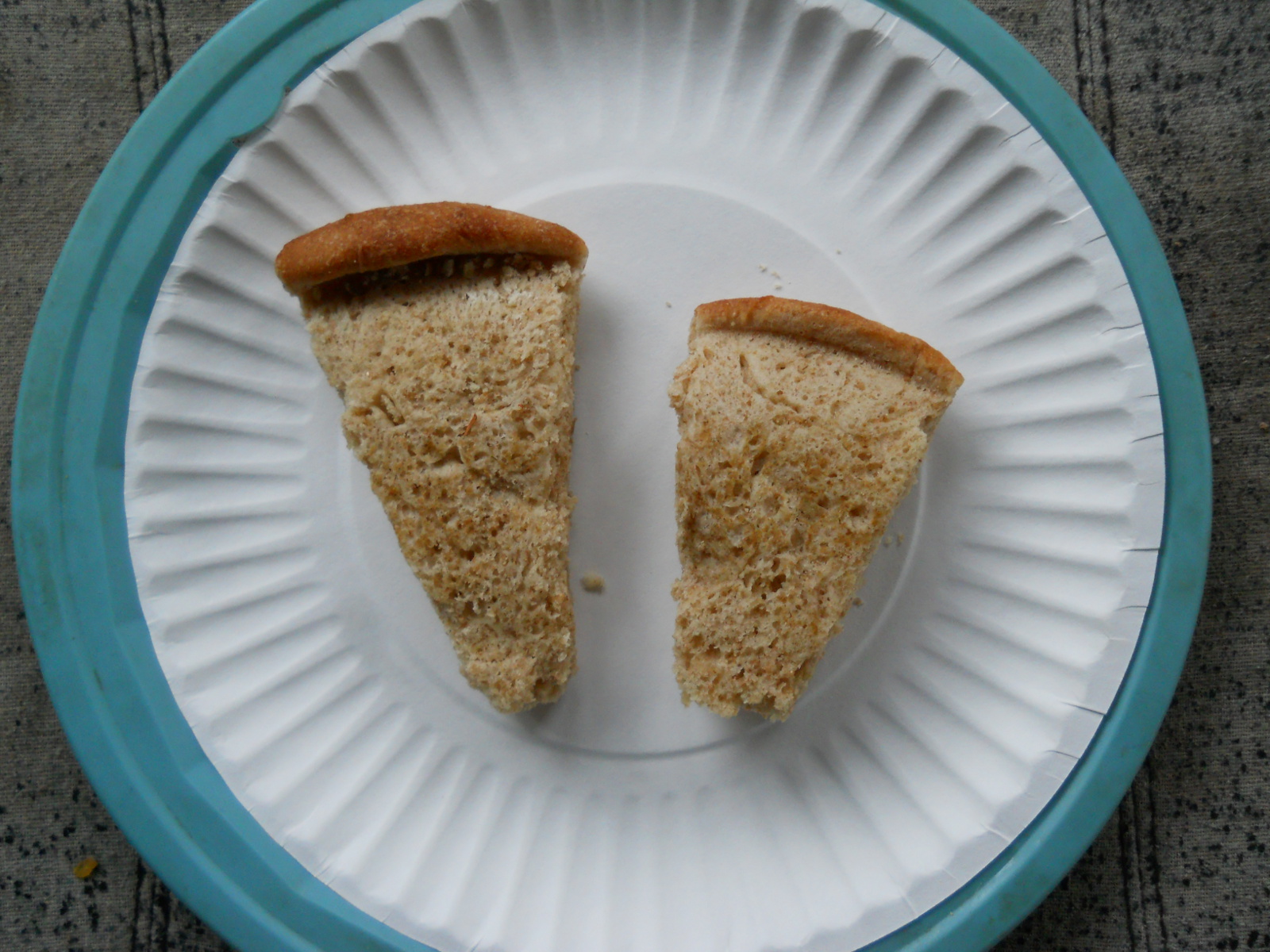
…except for this batch that ended up rising waaaayyyyyy to long in a round pan on a hot day and turned into pizza dough 🙁

Simple Bread Rolls That Have Melted and Lost Their Shape

Whether you use this recipe or not, I pray for God to grant the reader a blessed Thanksgiving and the real Bread of life in His Word.

Susan
Providence’s Perpetuation Provisions: New Calf “Rufino”
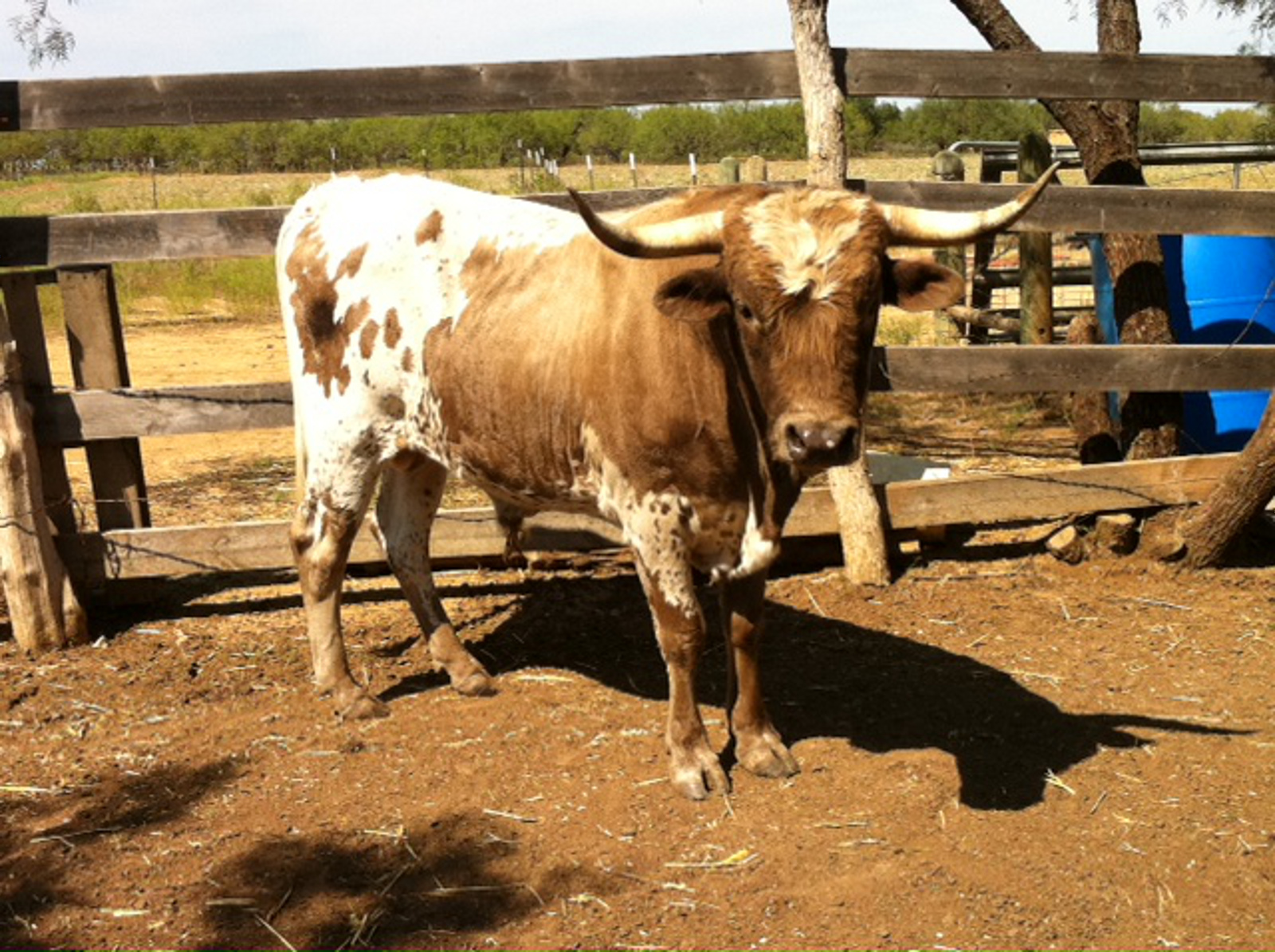
Mr. Bunker’s been keeping his grullo (grey) pure Longhorn bull, Manolete, corralled in his homestead area. Here is Manolete:

Pure Longhorn Bull Manolete

Well, he’s there most of the time……

One day he got out, and I guess pretty much bee-lined to Rosa, our pure Longhorn cow.

And so, nine months and about a week later, it was confirmed that Manolete had done the job, because sure enough, Rosa gave birth! He’s a little bull calf, and we decided to name him Rufino, which means “red-haired.”

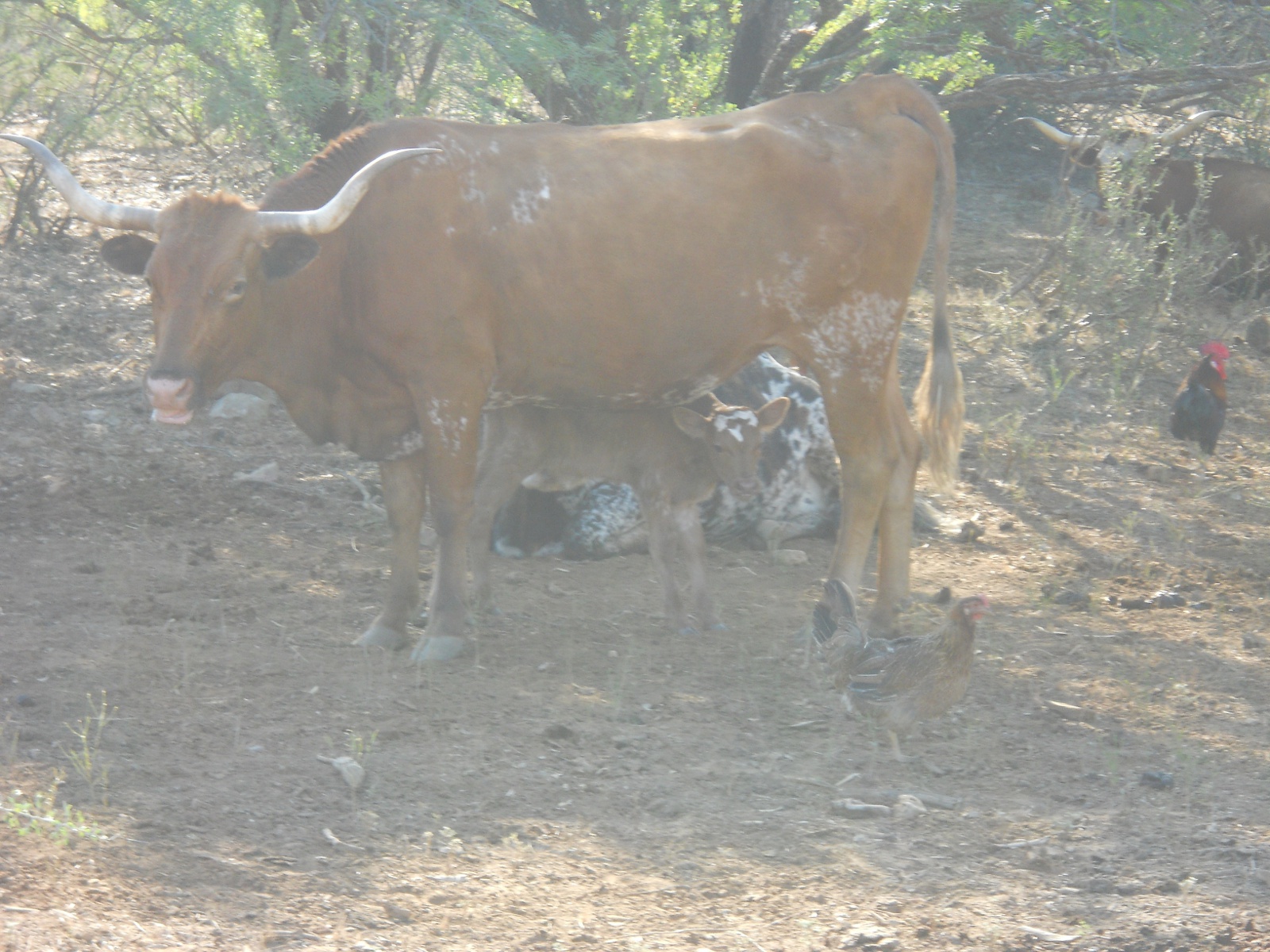
Here he is with his mama:

New Pure Longhorn Calf Rufino

And here is his video (I apologize for the shakiness — it’s a little less so at the end):

While we’ve had to liquidate a lot of our cattle, and have decided to not breed for a while to keep the herd count low, to try to allow the land to restore some if the Lord wills, we are thankful for this not-so unexpected gift from Providence. We thank God for the safe and healthy birth of Rosa and Rufino!

— David

« Older posts Newer posts »