The Sifford Sojournal

Our journal of what we pray is our sojourn of life along the narrow way, even the old paths, submitting to the Bible as a light unto both.

Page 92 of 97

Storing Rain Update

After several months of drought and near 100 degree temperatures every day, the Lord in His wisdom opened up the heavens over the last several days, and needless to say we got drenched. God graciously granted probably some 6-7 inches.

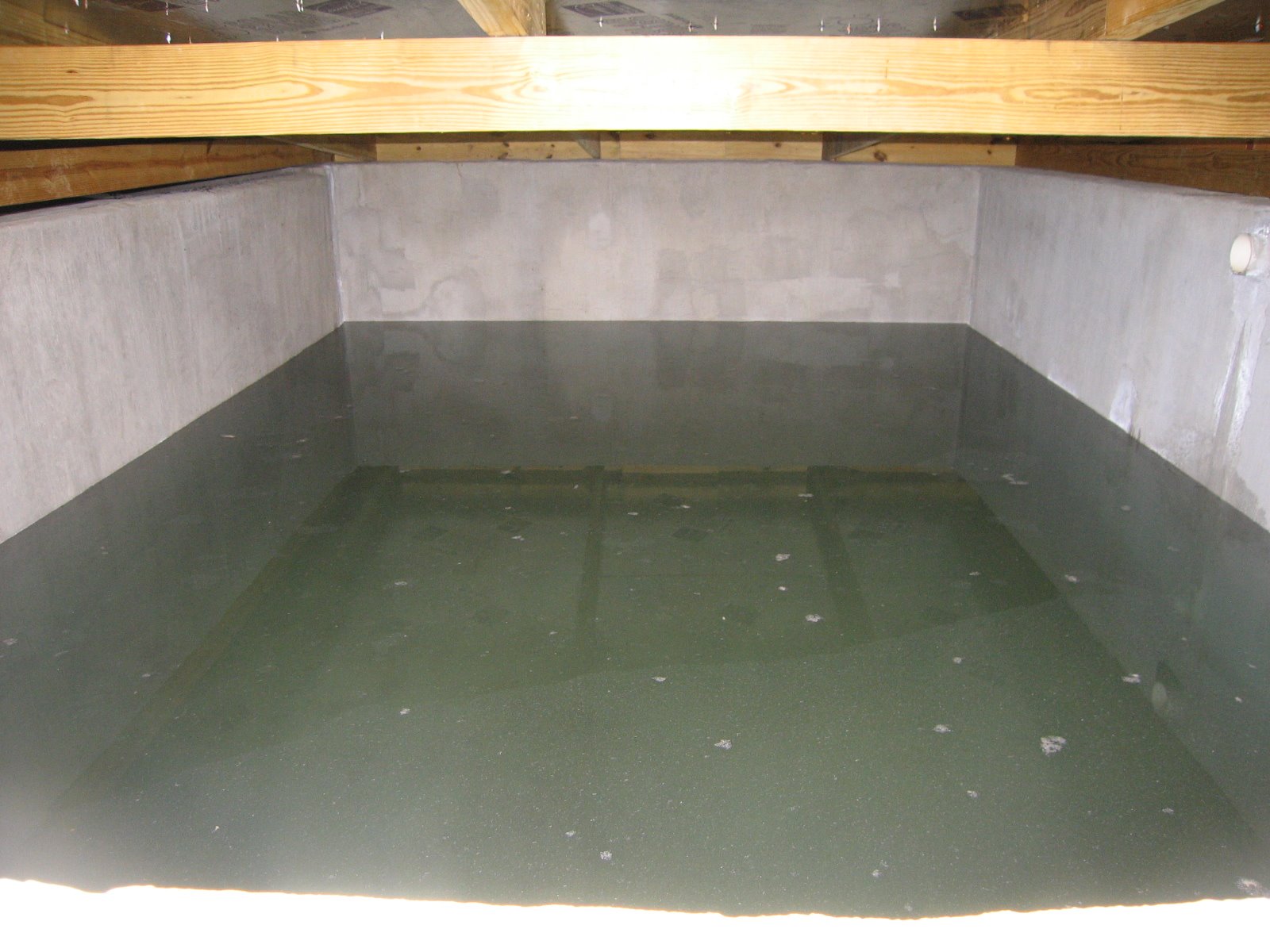
Well, that kind of rain does wonders for ponds and catch-water tanks. Not only is our 2500 gallon black tank now full, but here are pictures of the first and second sides of the barn cistern:


Those represent probably some 11,000 to 12,000 gallons, which mostly came in during these rains.

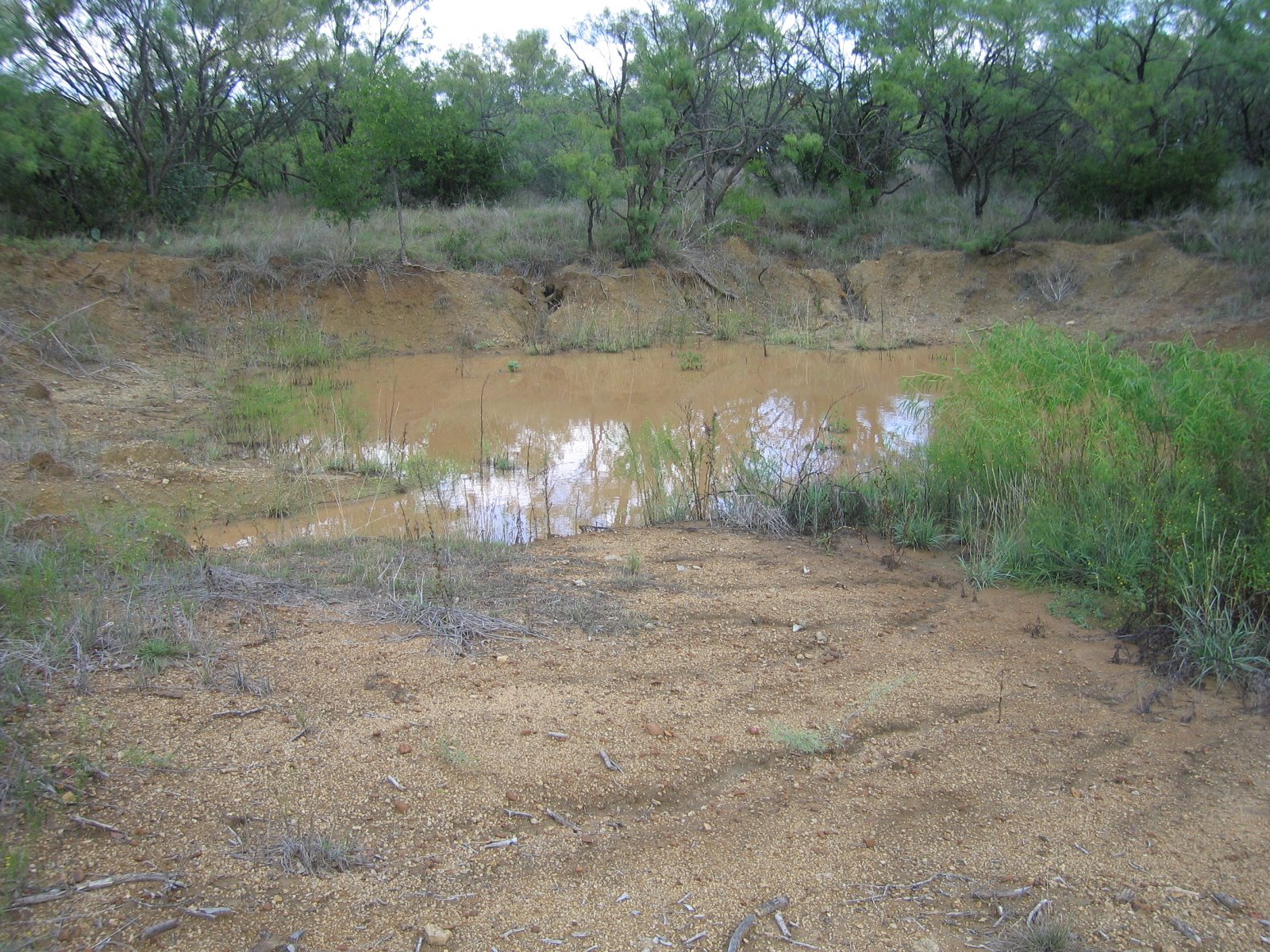
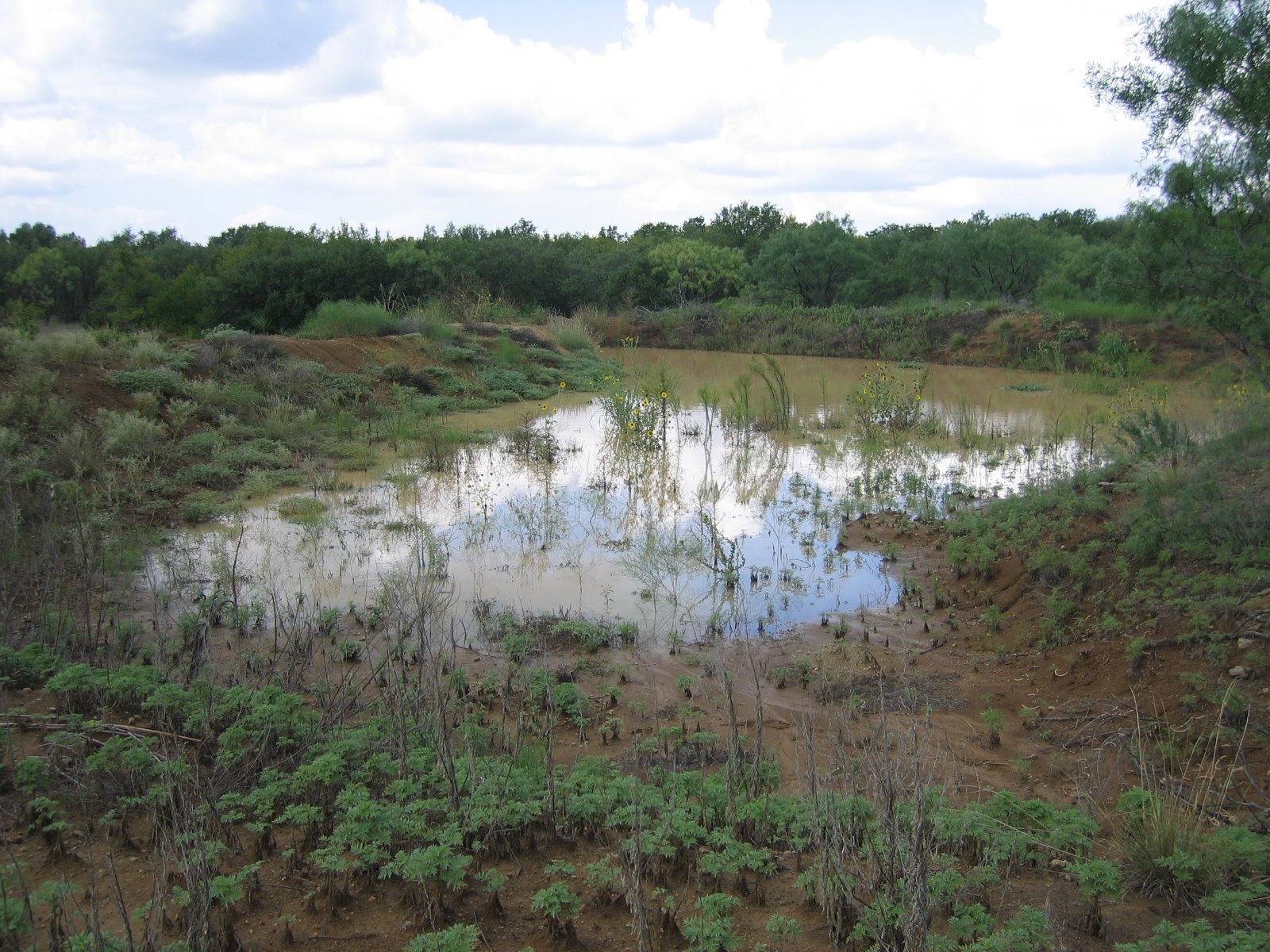
Here are pictures of our pond as well:


And of course, Gary now gets to do some “goose things”:


We are most grateful once again for the Lord’s provisions, and His mercies in the weather.

Not only are we grateful for His temporal mercies, but for His spiritual ones as well. Psalms 29:10 starts with this: “The LORD sitteth upon the flood…” John Gill says this refers to “Noah’s flood; which is always designed by the word here used, the Lord sat and judged the old world for its wickedness, and brought a flood upon them, and destroyed them; and then he abated it, sent a wind to assuage the waters, stopped up the windows of heaven, and the fountains of the great deep, and restrained rain from heaven; and he now sits upon the confidence of waters in the heavens, at the time of a thunder storm, which threatens with an overflowing flood; and he remembers his covenant, and restrains them from destroying the earth any more: and he sits upon the floods of ungodly men, and stops their rage and fury, and suffers them not to proceed to overwhelm his people and interest; and so the floods of afflictions of every kind, and the floods of Satan’s temptations, and of errors and heresies, are at his control, and he permits them to go so far, and no farther.”

Blessed be the name of the Lord!

— David

Summer Kitchen

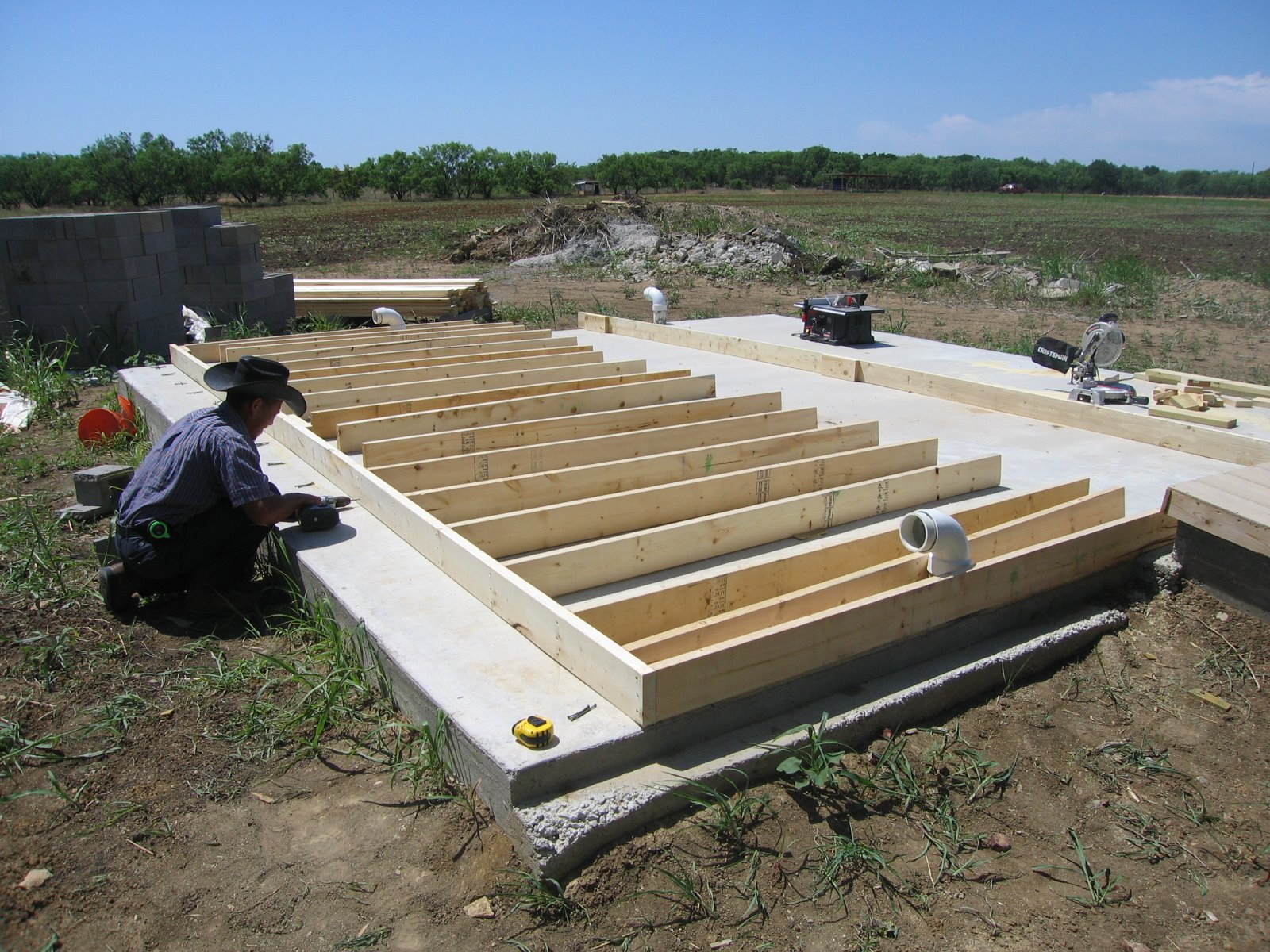
The original plan for the root cellar was to have a concrete slab on top, which would allow for the constructing of a building on top of it, thus creating a rather large insulation space to help keep the root cellar cool (plain air space is apparently a good insulator). We decided (at least at this point) to make this building a summer kitchen, allowing Sue and any of the women in the community who might want to use it, to cook and can the Lord’s provisions in a hopefully ventilated and cooler environment and to not heat up their own houses. And so, the design was to have the north half be the kitchen; the south west quarter be a pantry for the kitchen; and because I would like to have a place to take up the piano again, I thought I’d make the south east corner a piano room.

This is personally my first real building project. While this is still a work in progress, here is a little tour of where it is today and the process by which we got there.

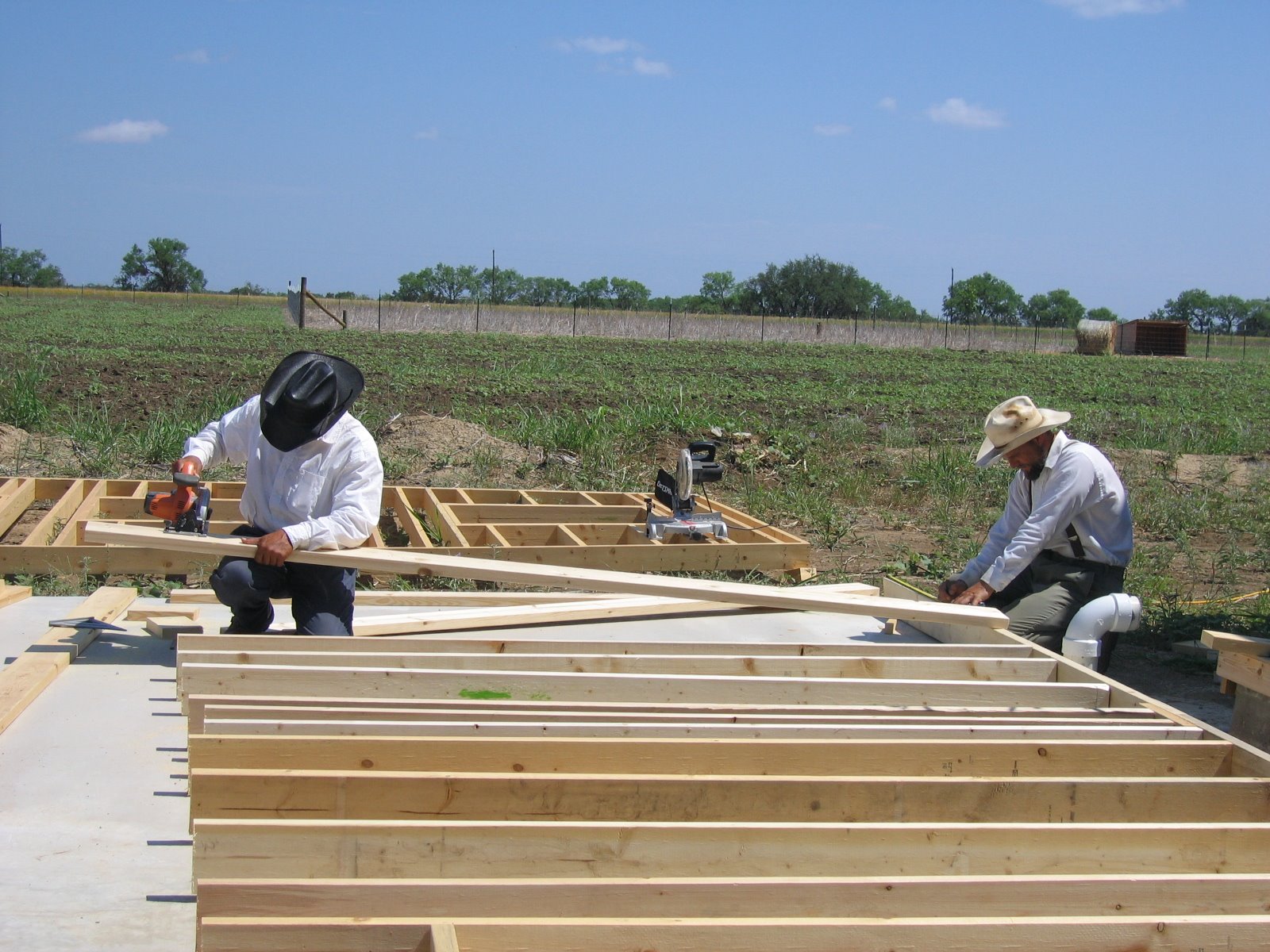
Building the walls:


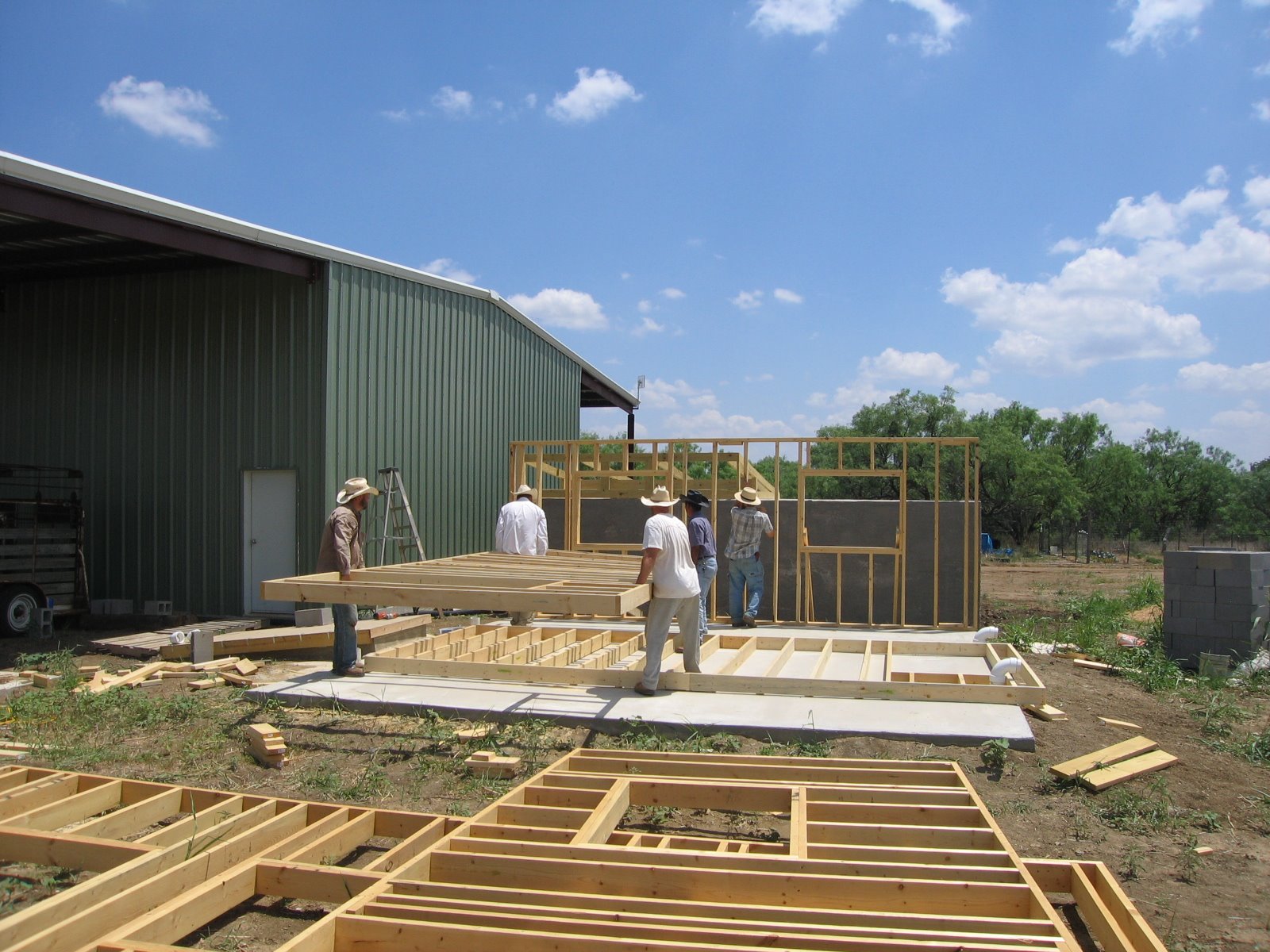
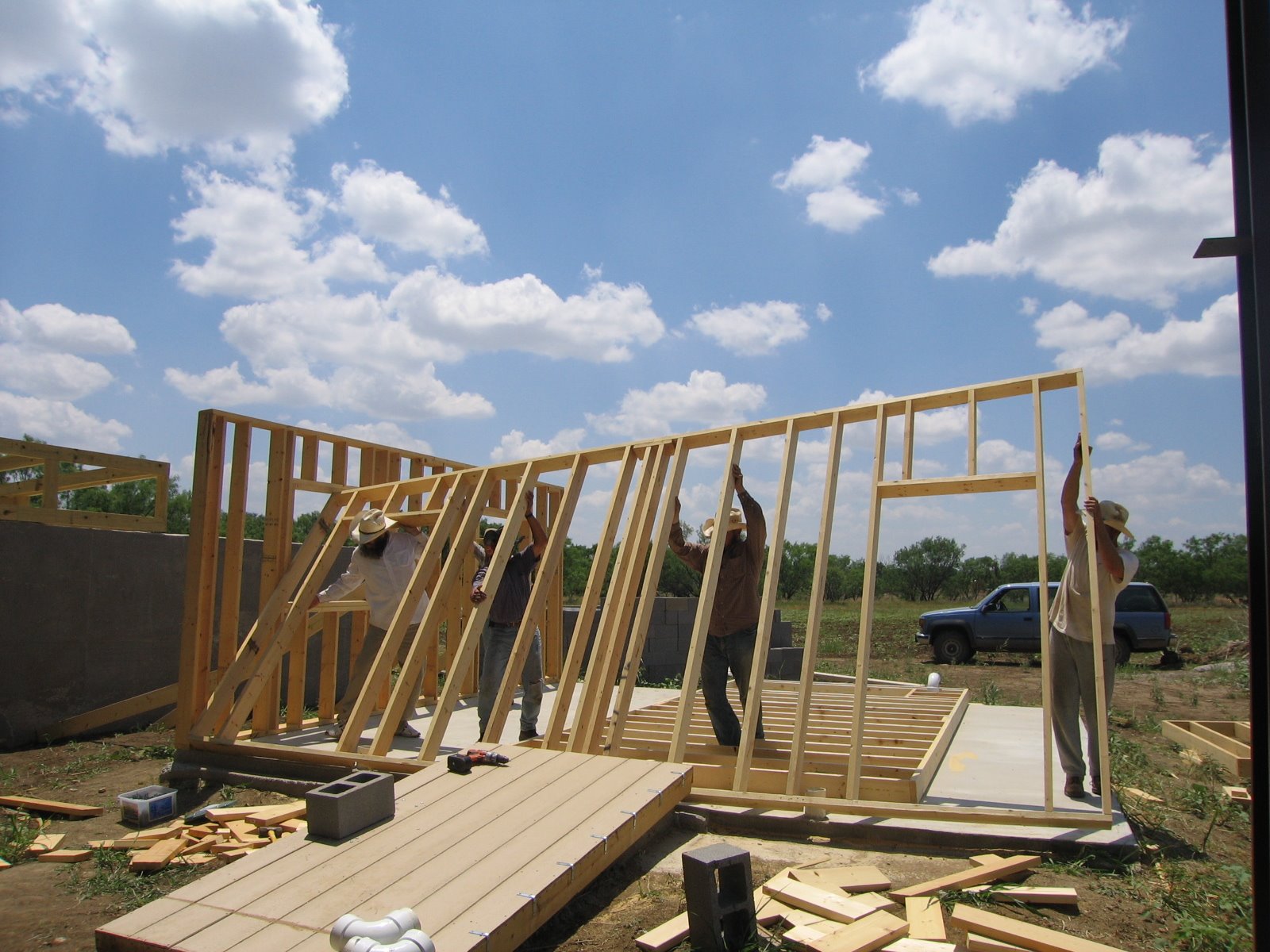
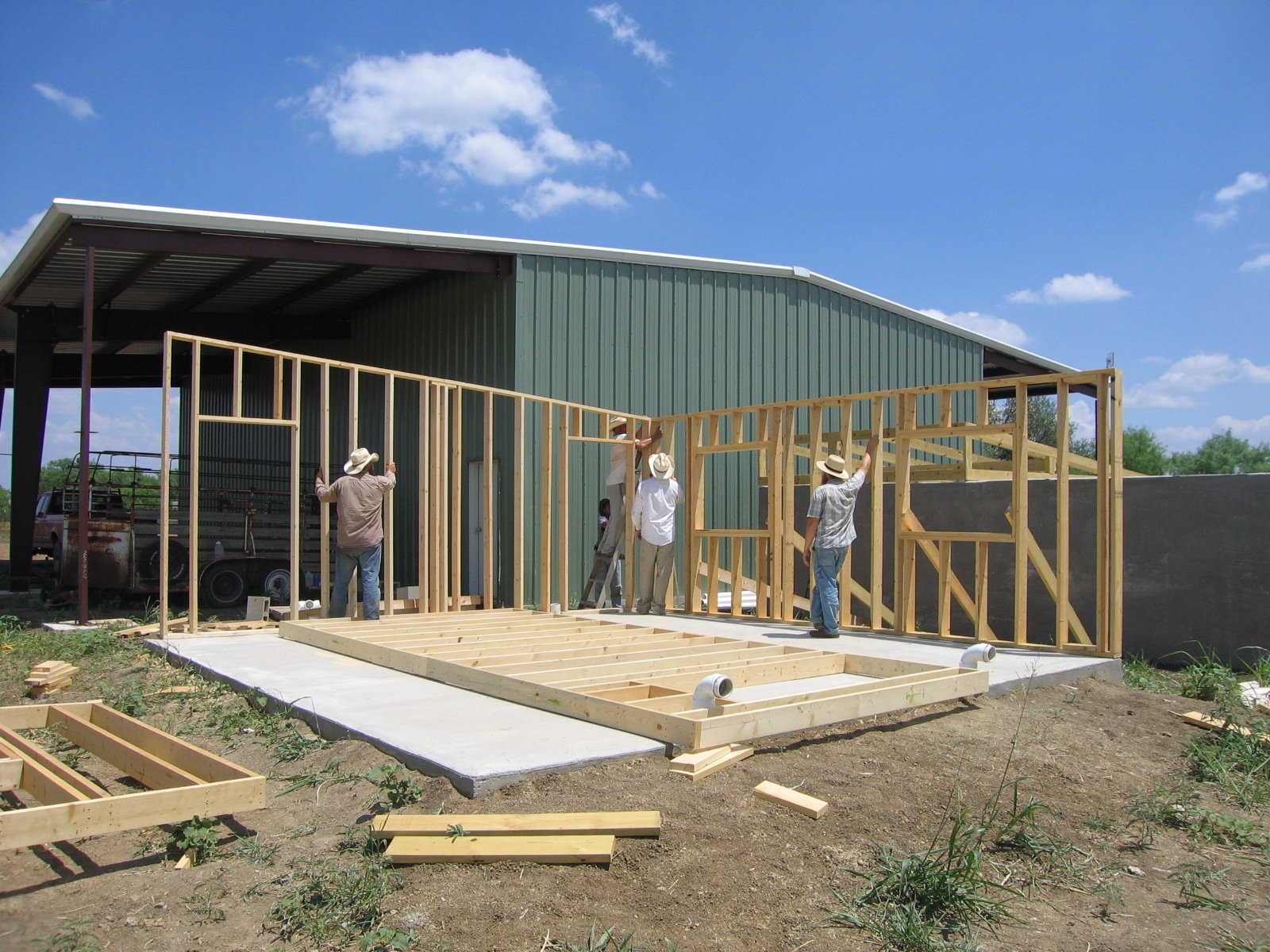
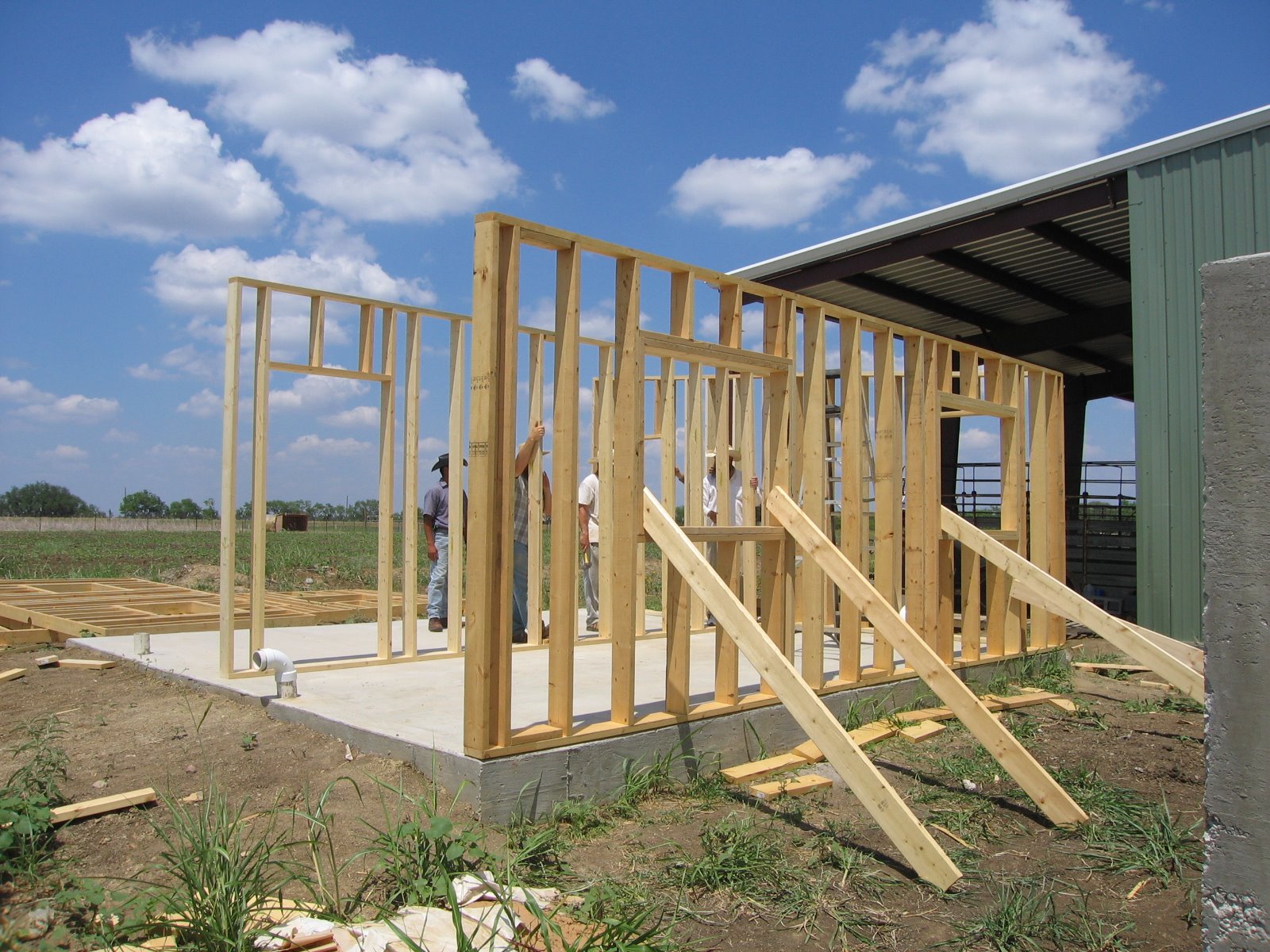
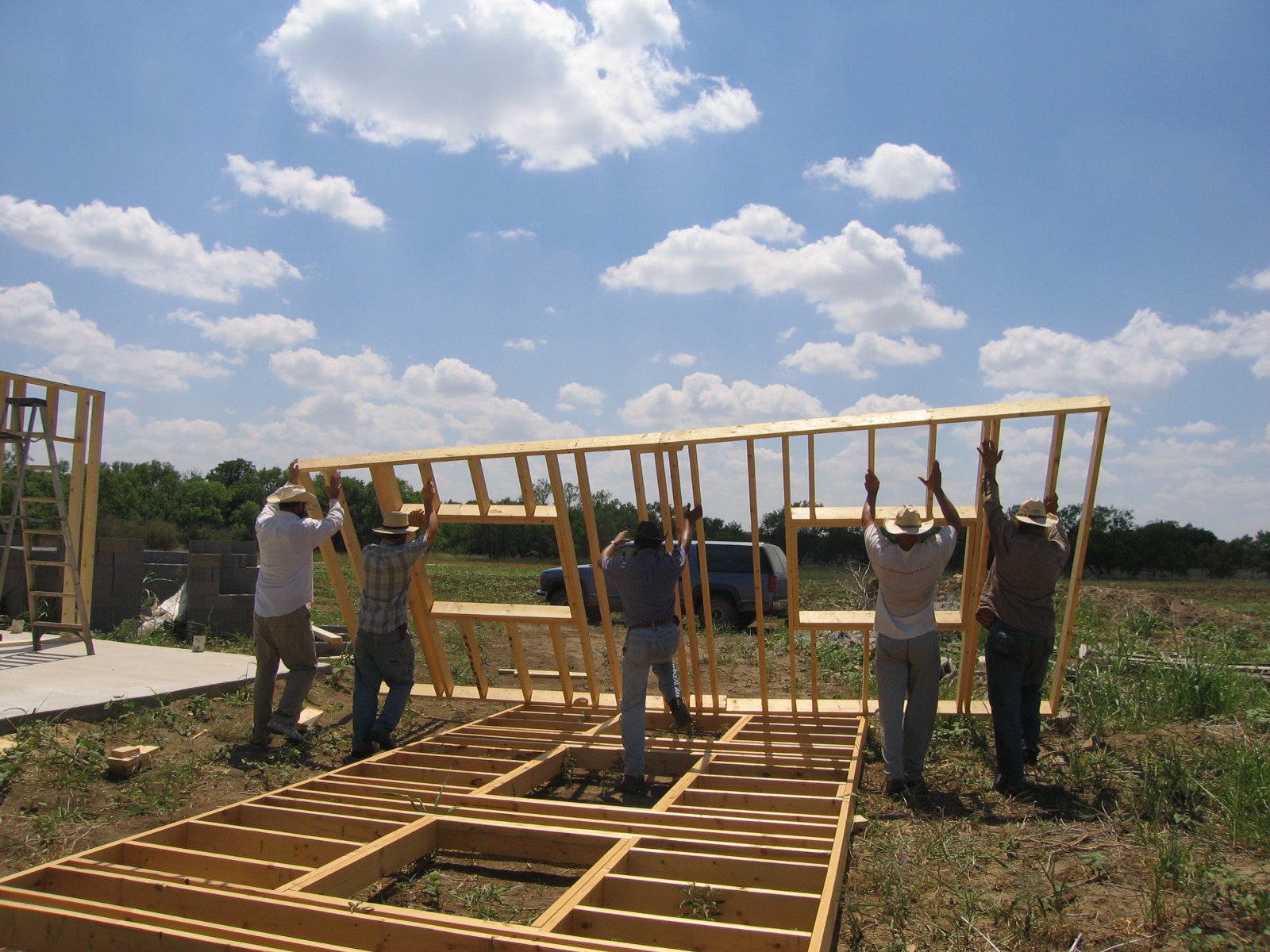
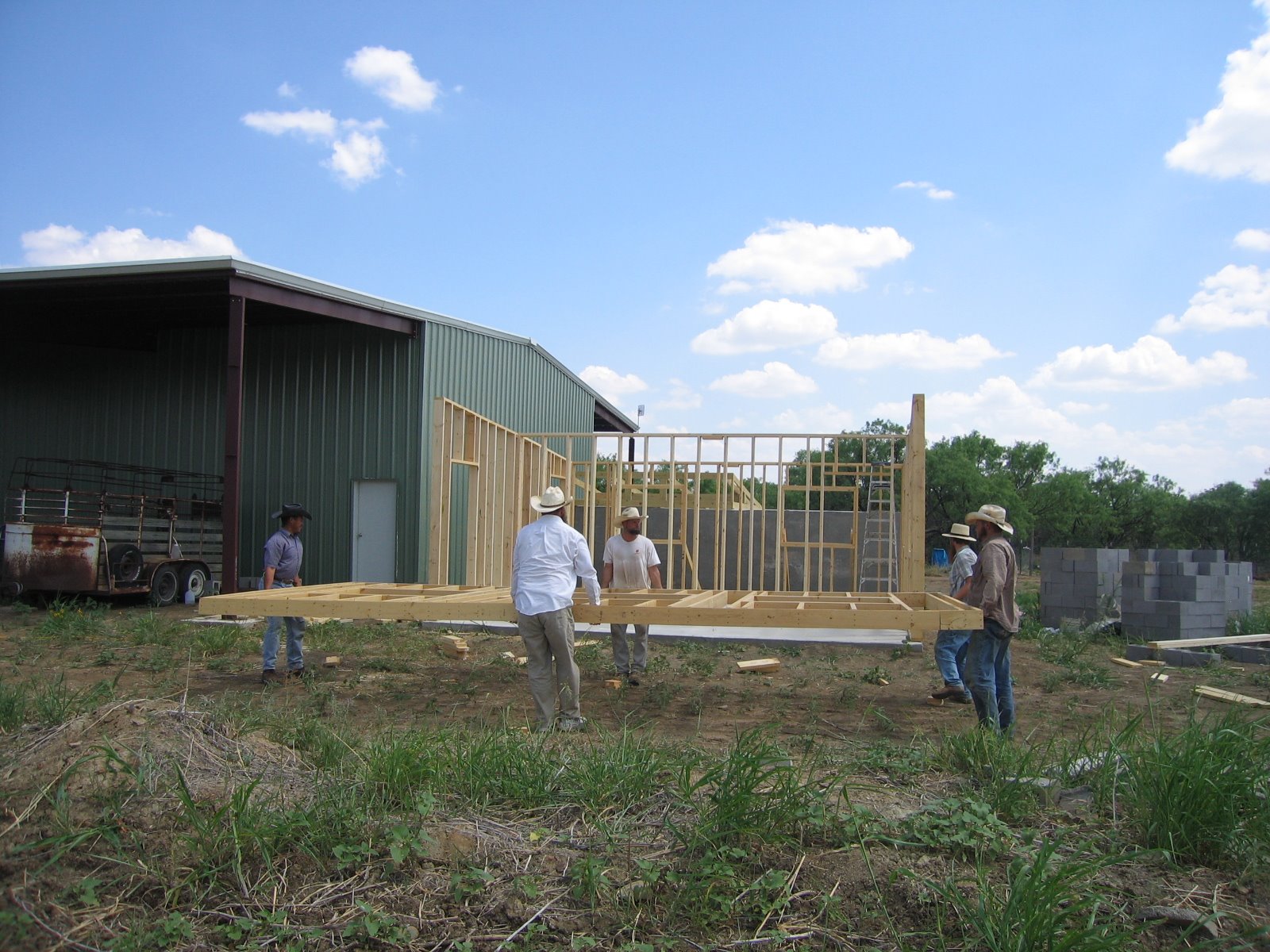
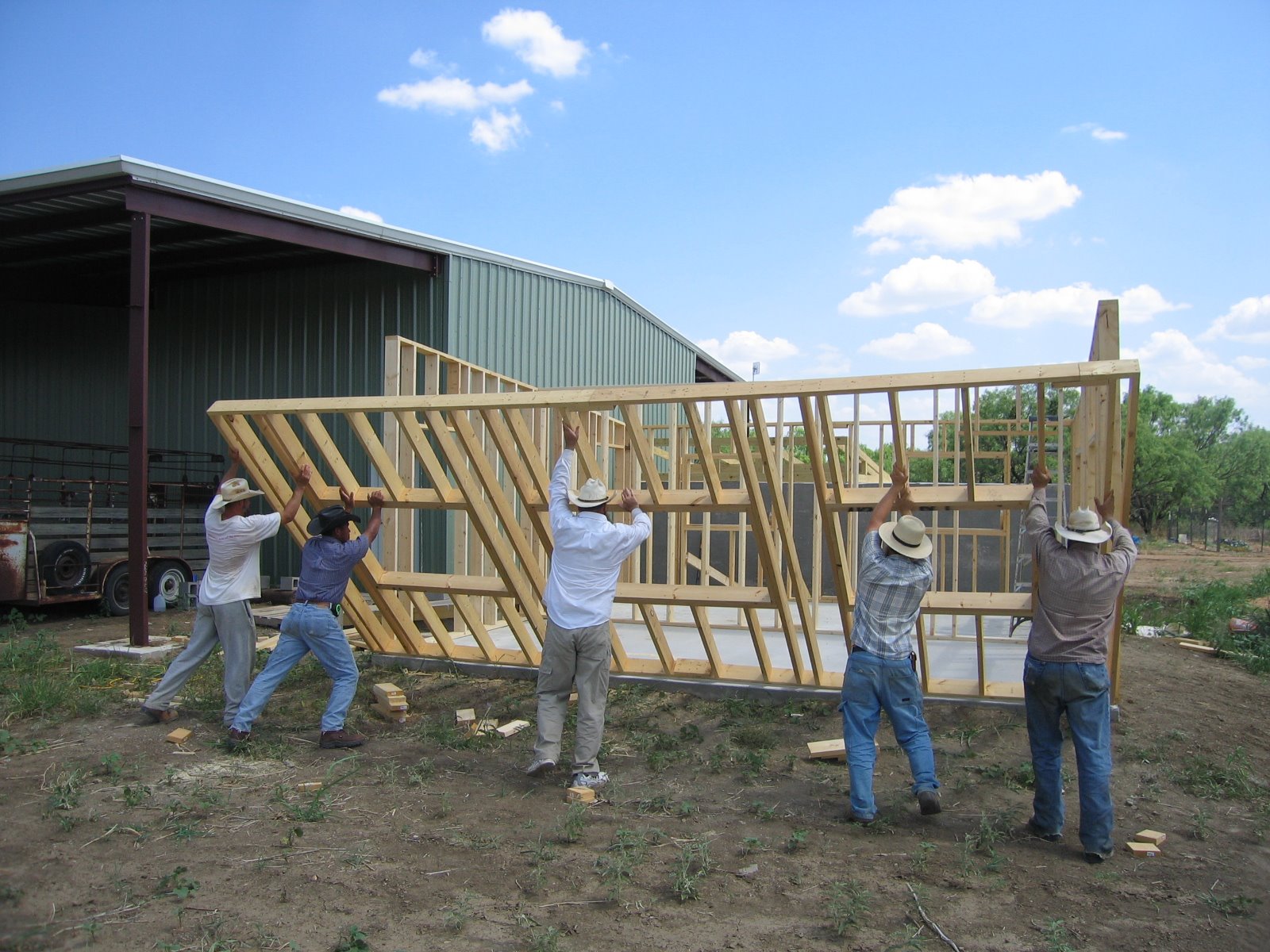
Time for a “barn” raising. The Lord has granted us the fellowship of like-minded brethren (see here, here, and here) to help and show their love for other brethren:


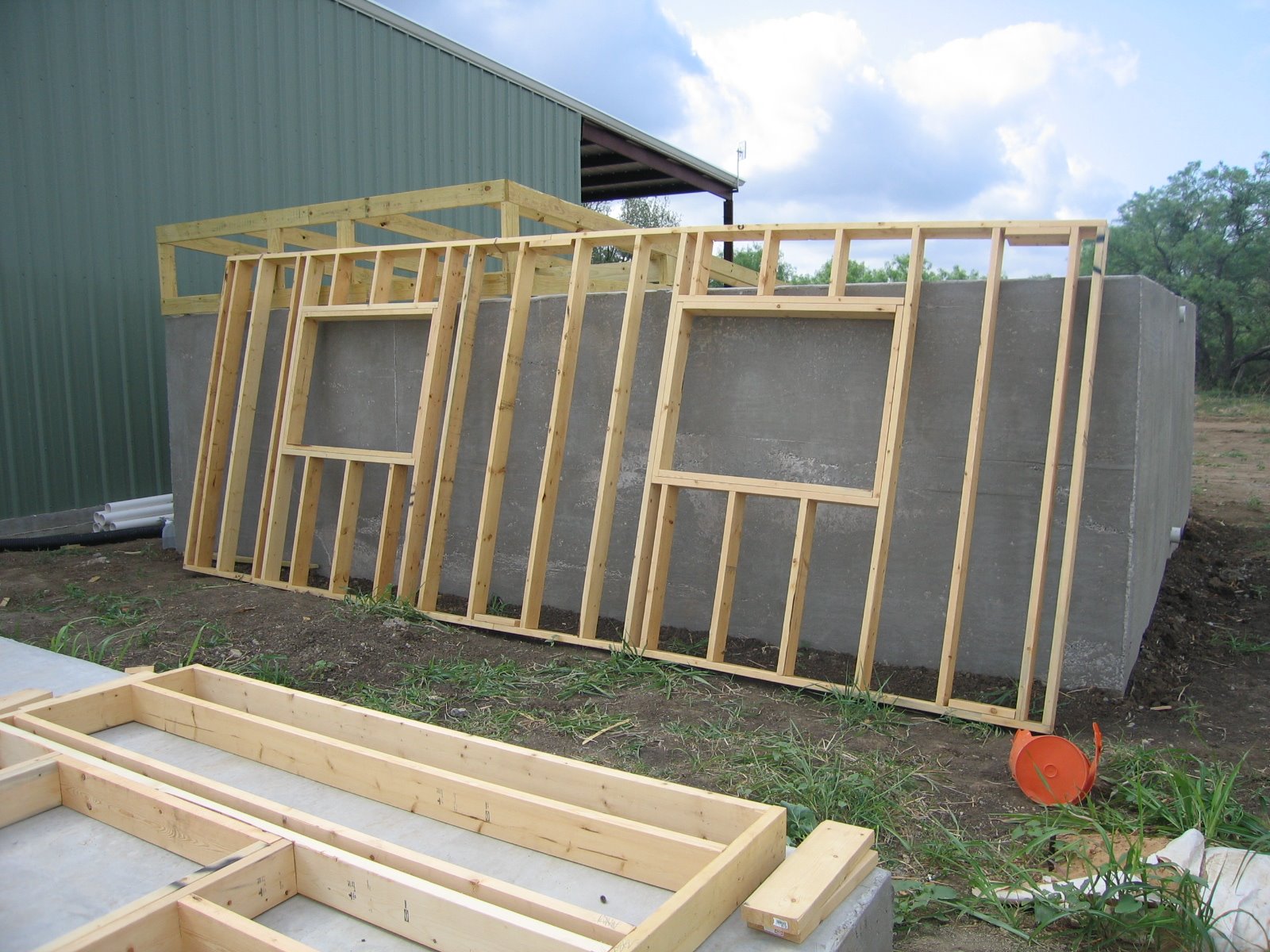
A quick point of note: when securing a wall to its perpendicular wall at a corner, and in anticipation of internal walls, you not only have the corner stud, but you need another stud to be placed stud width plus 3/4″. This will allow for the tacking up of internal walls. I did that for the corners of the building; however, I forgot about the middle dividing wall. And so, Lord willing if I do put internal walls in, I will need to add a 2×4 wall stud to support the internal walls:

Here is a backside view with the first wall braced:

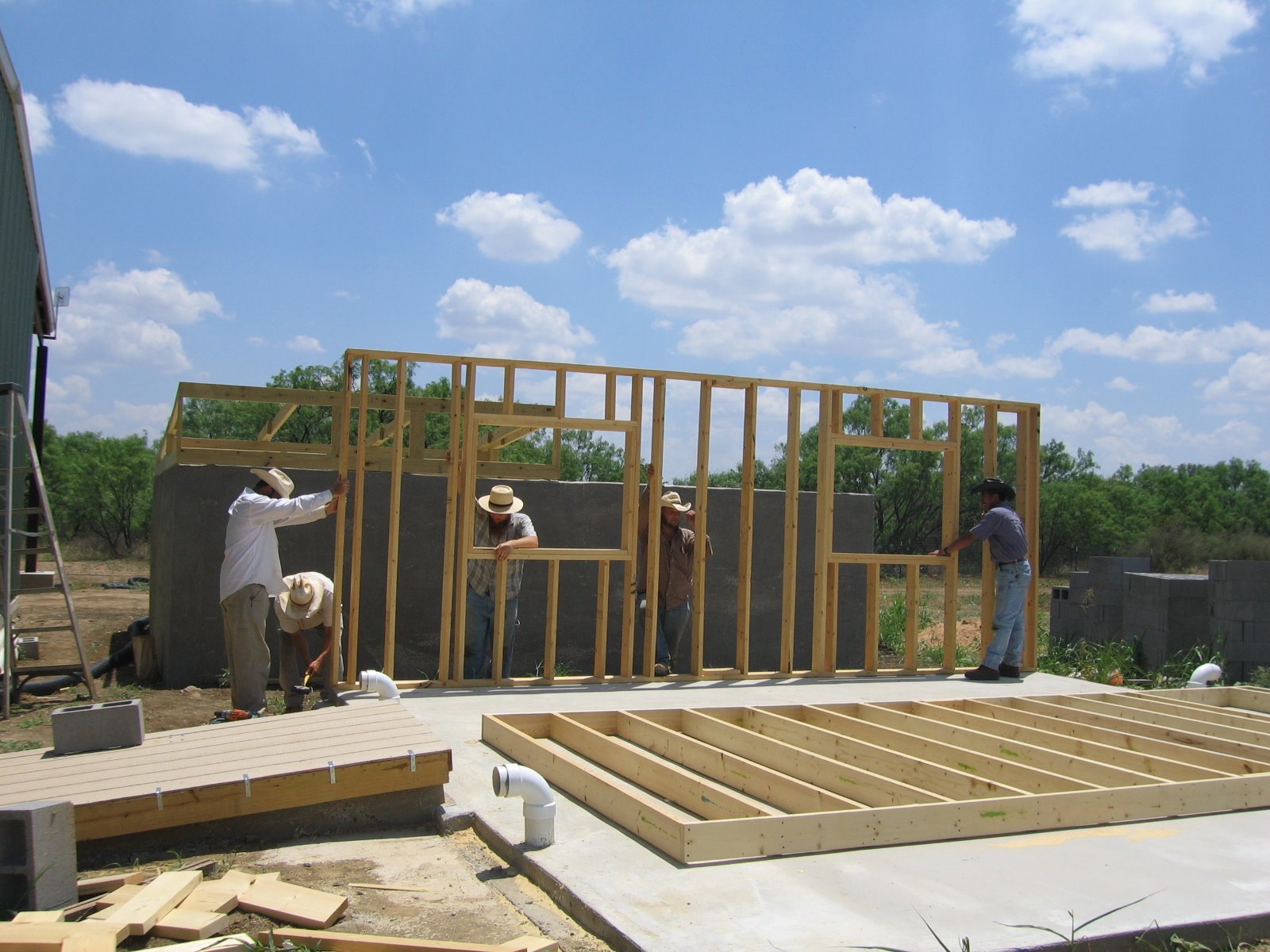
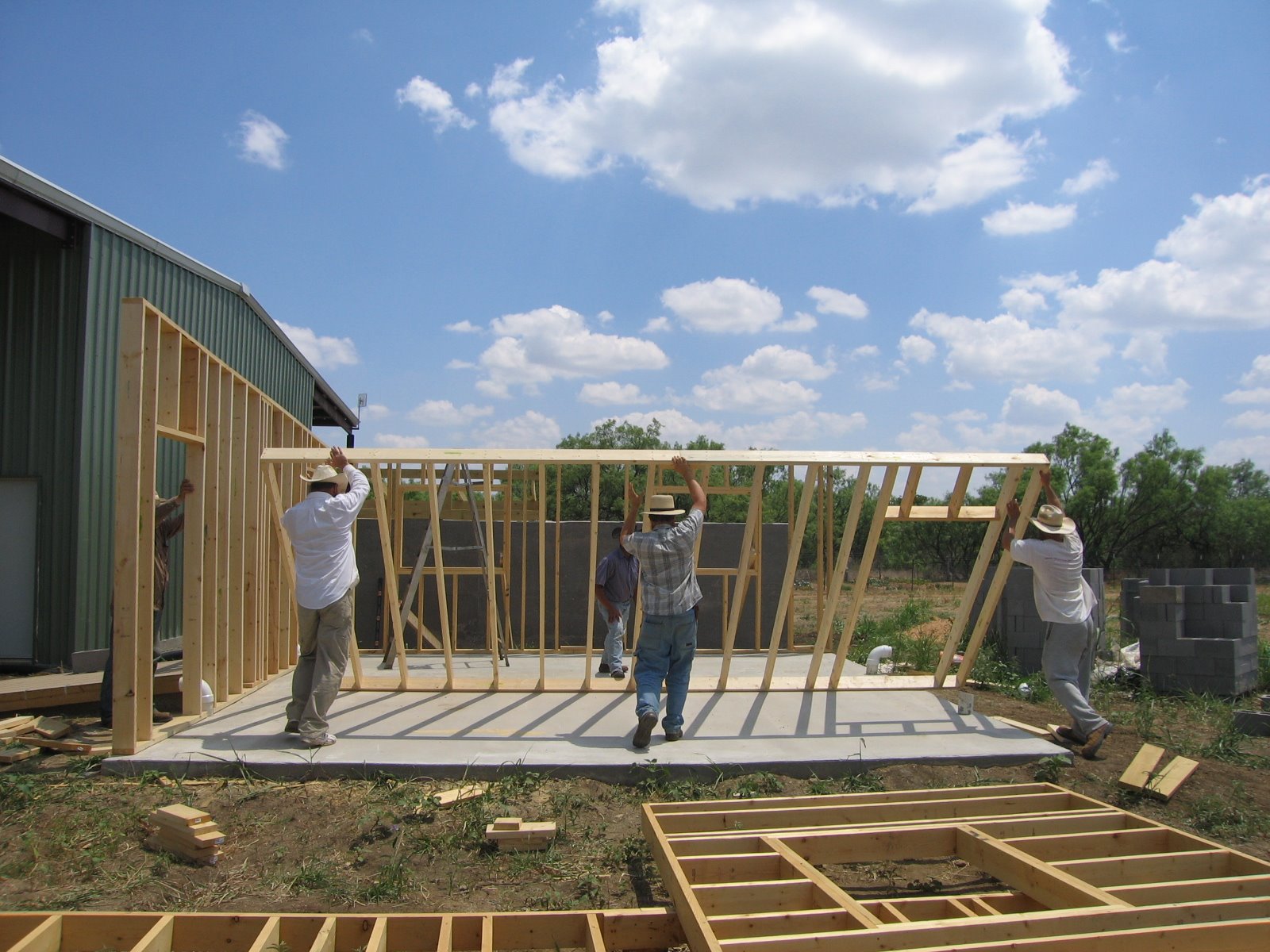
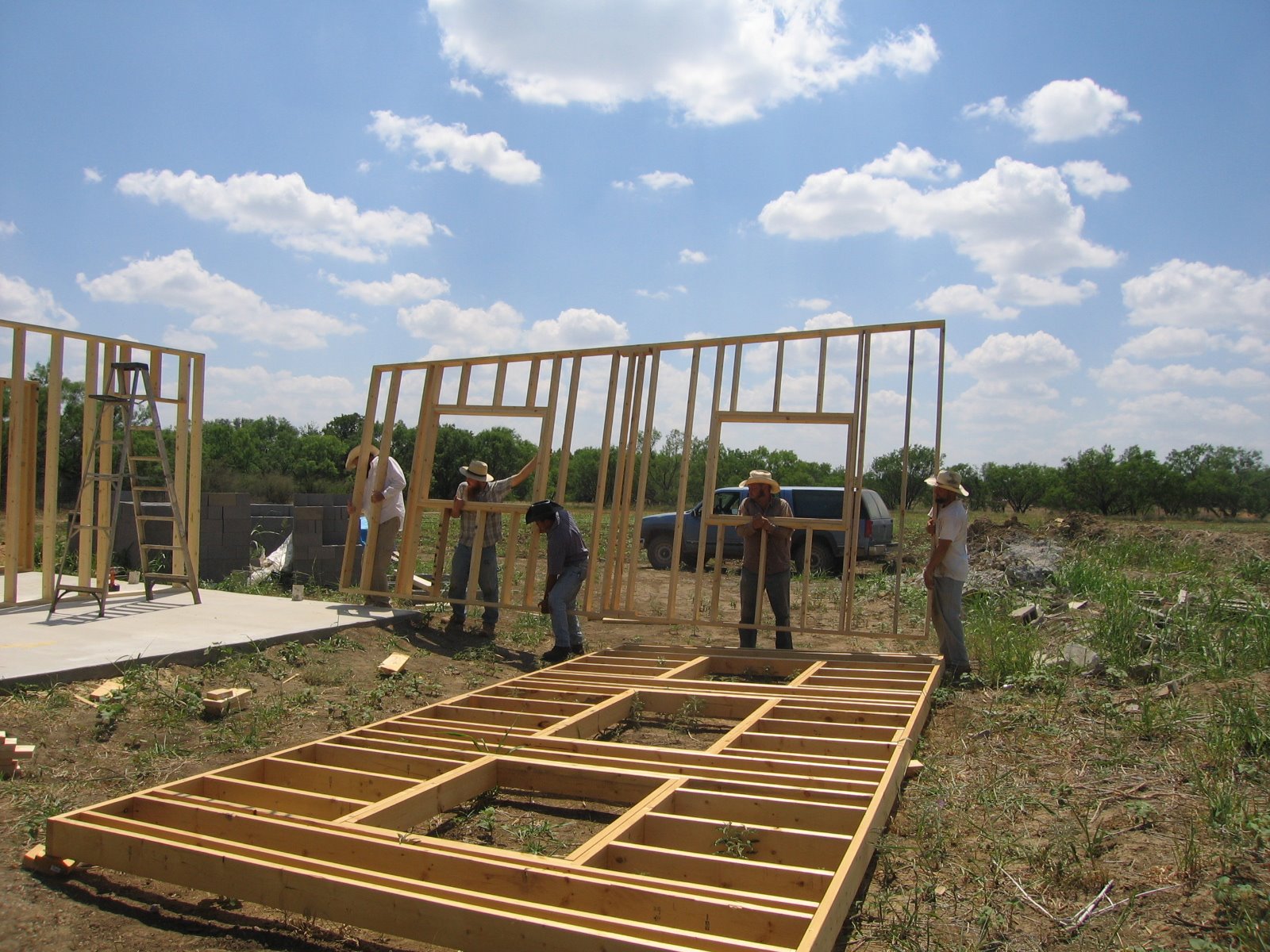
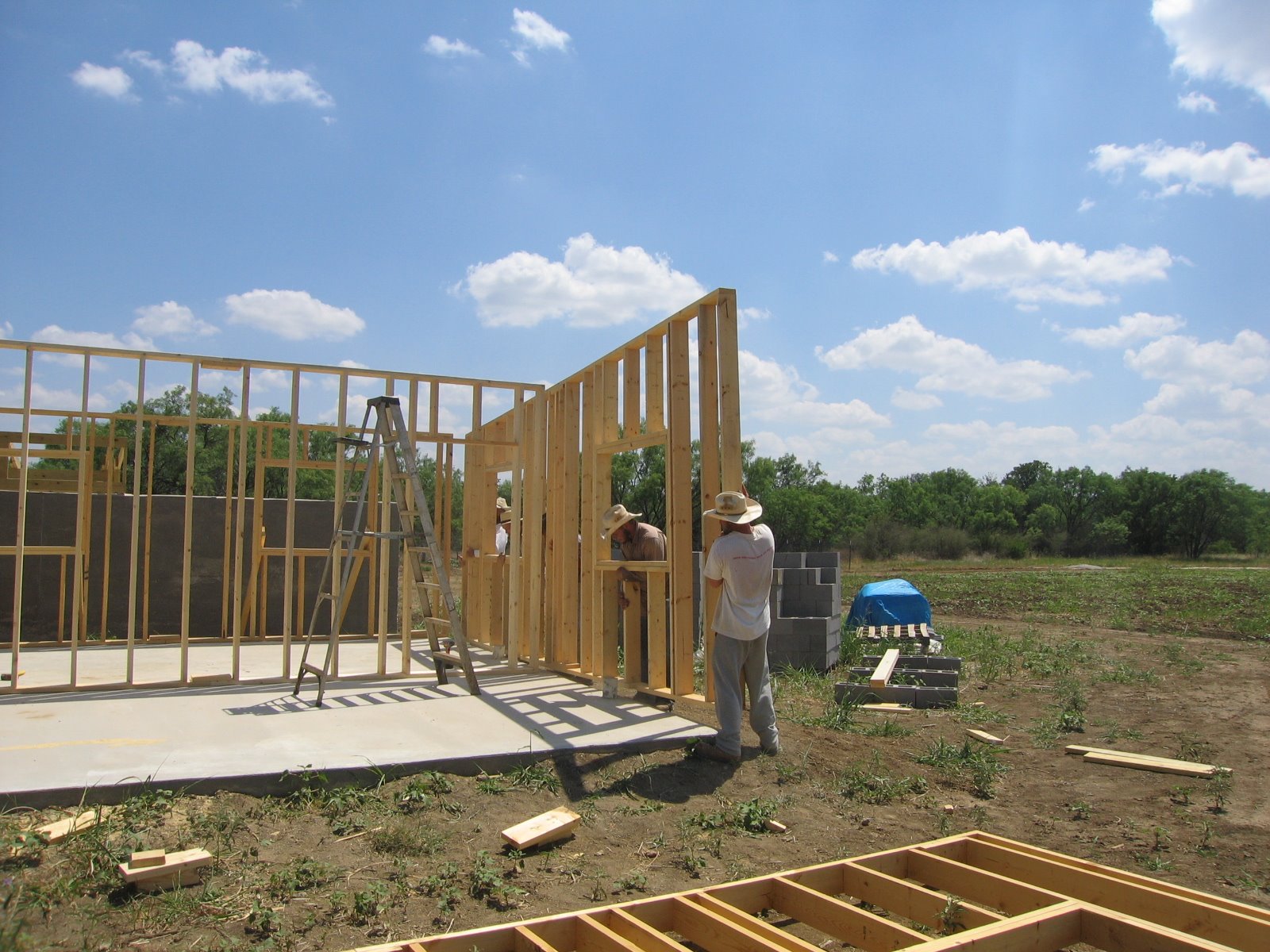
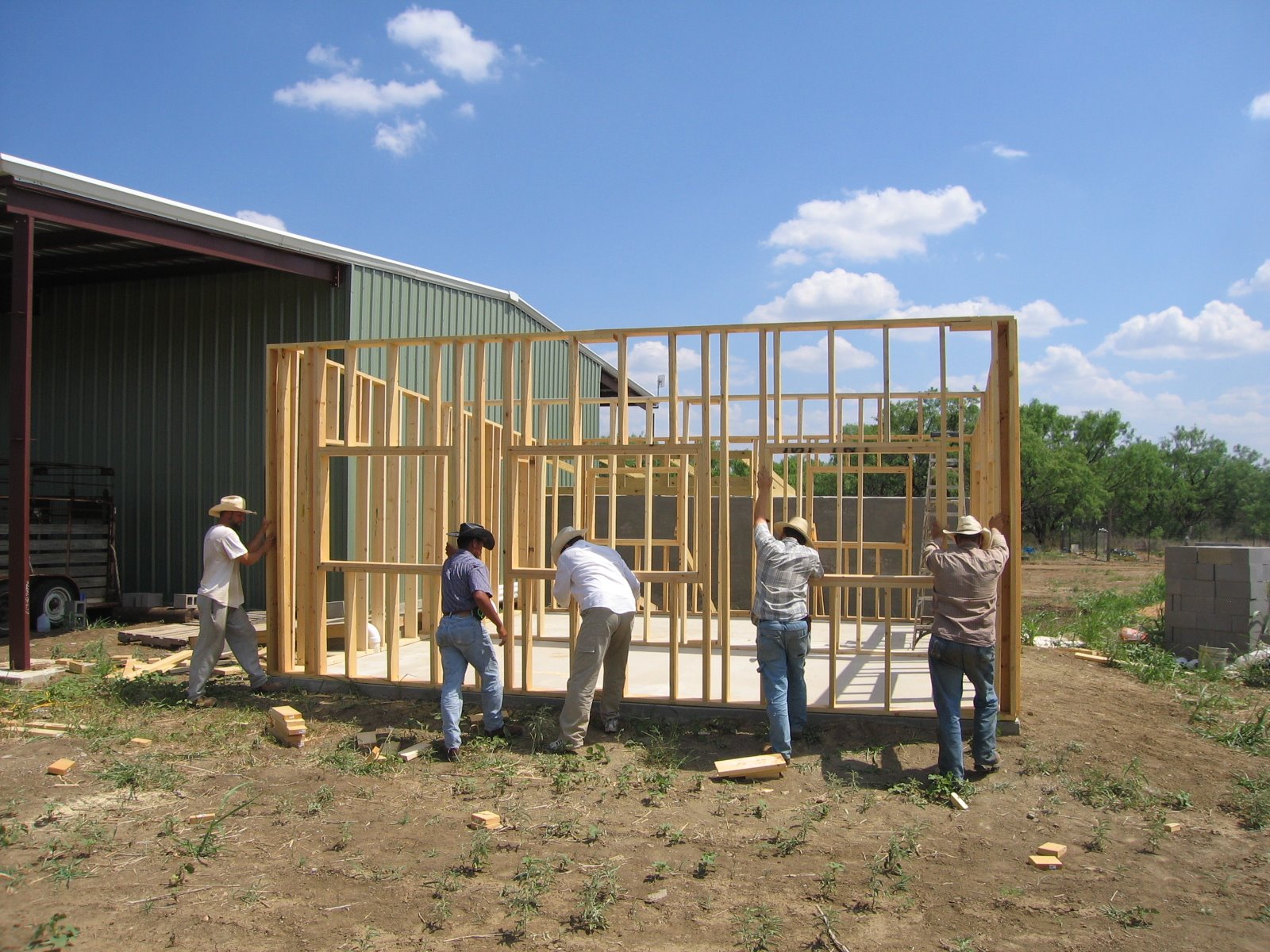
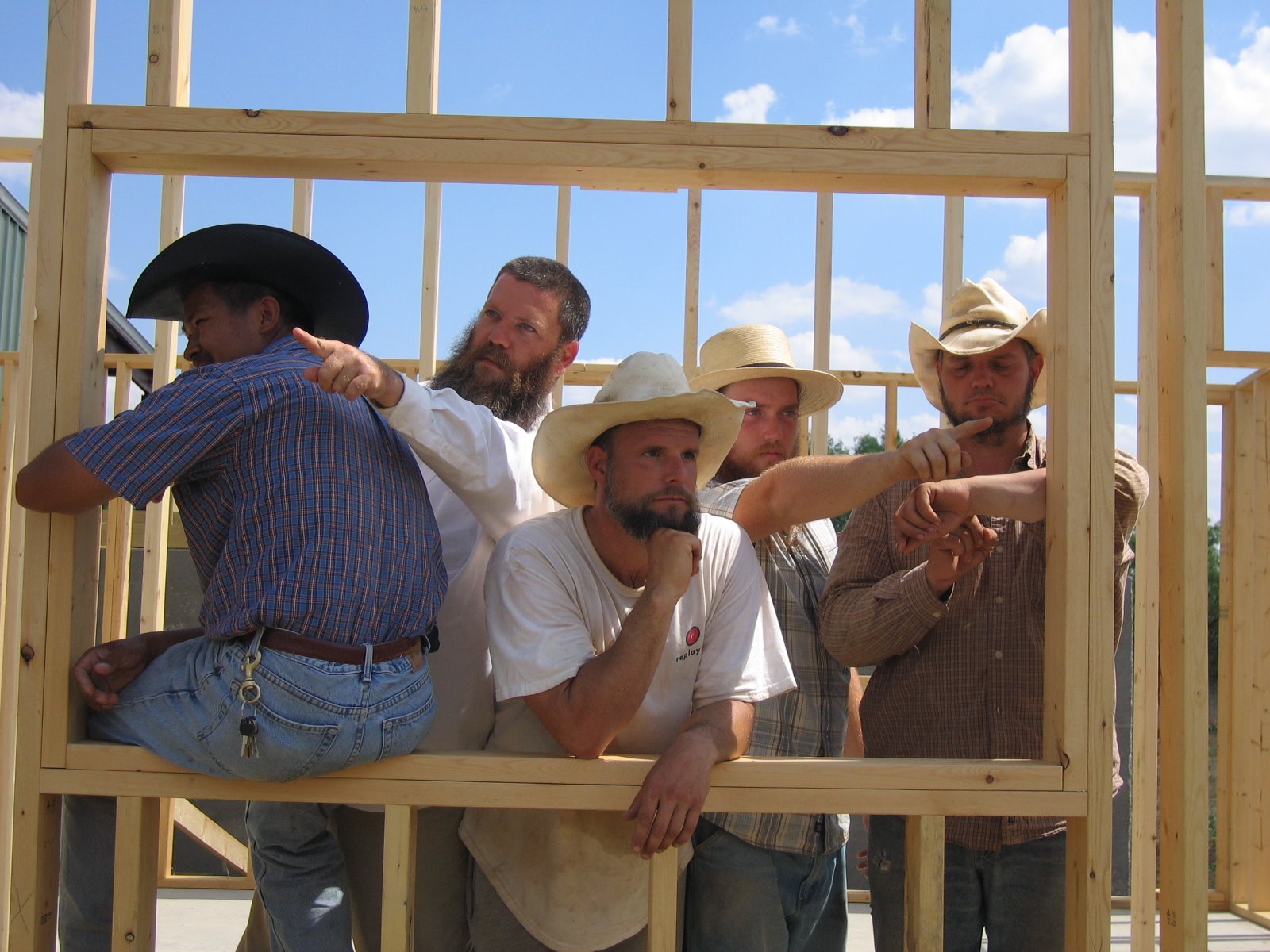
And more “barn” raising:


“I think the meaning of life is that way.”
“Yes, I see it!”
“I think the meaning of life is over here, and I’m now contemplating it.”
“Yes, I see it!”
“Isn’t it meal time?”

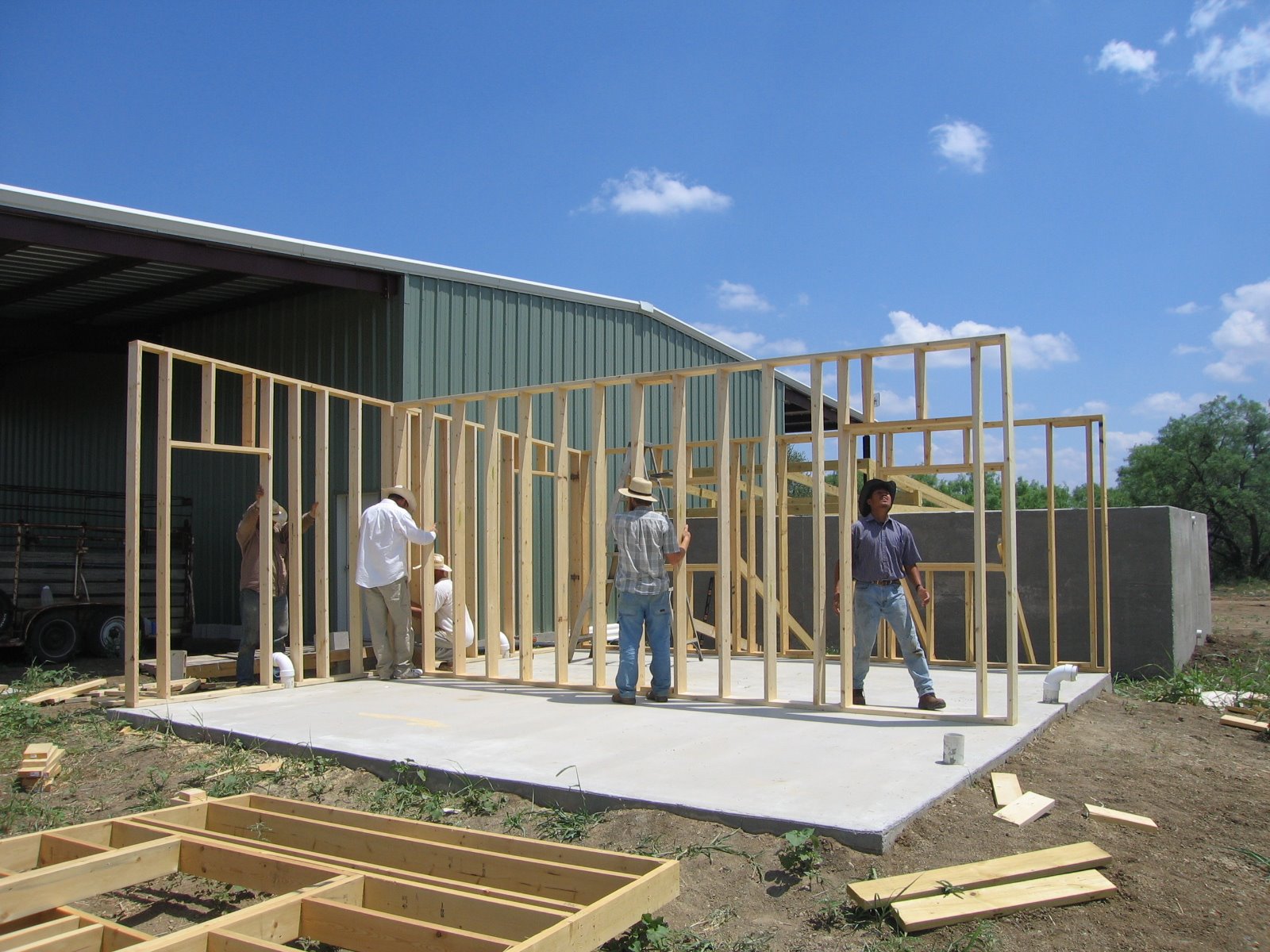
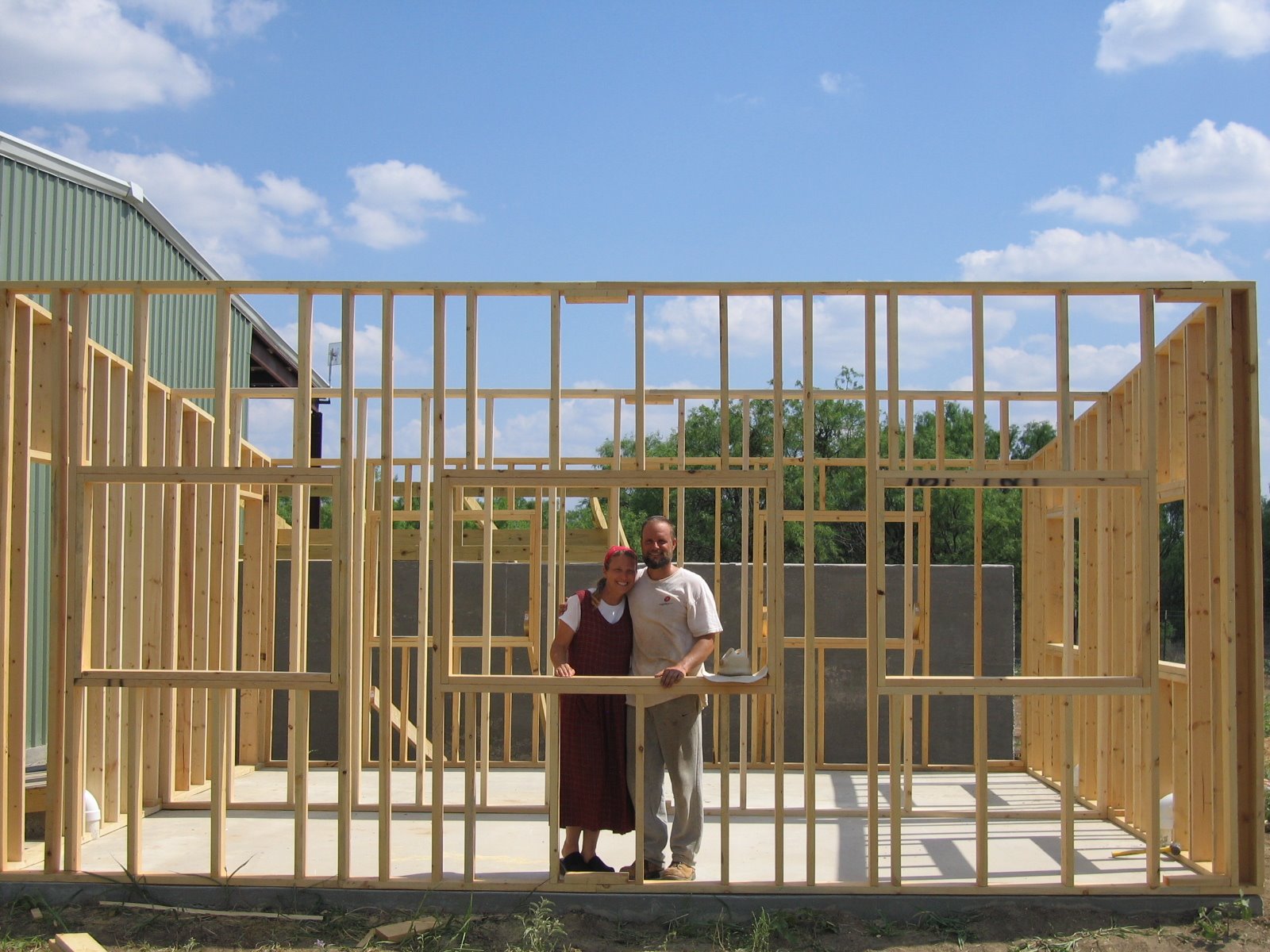
Welcome to the frame of our summer kitchen building:

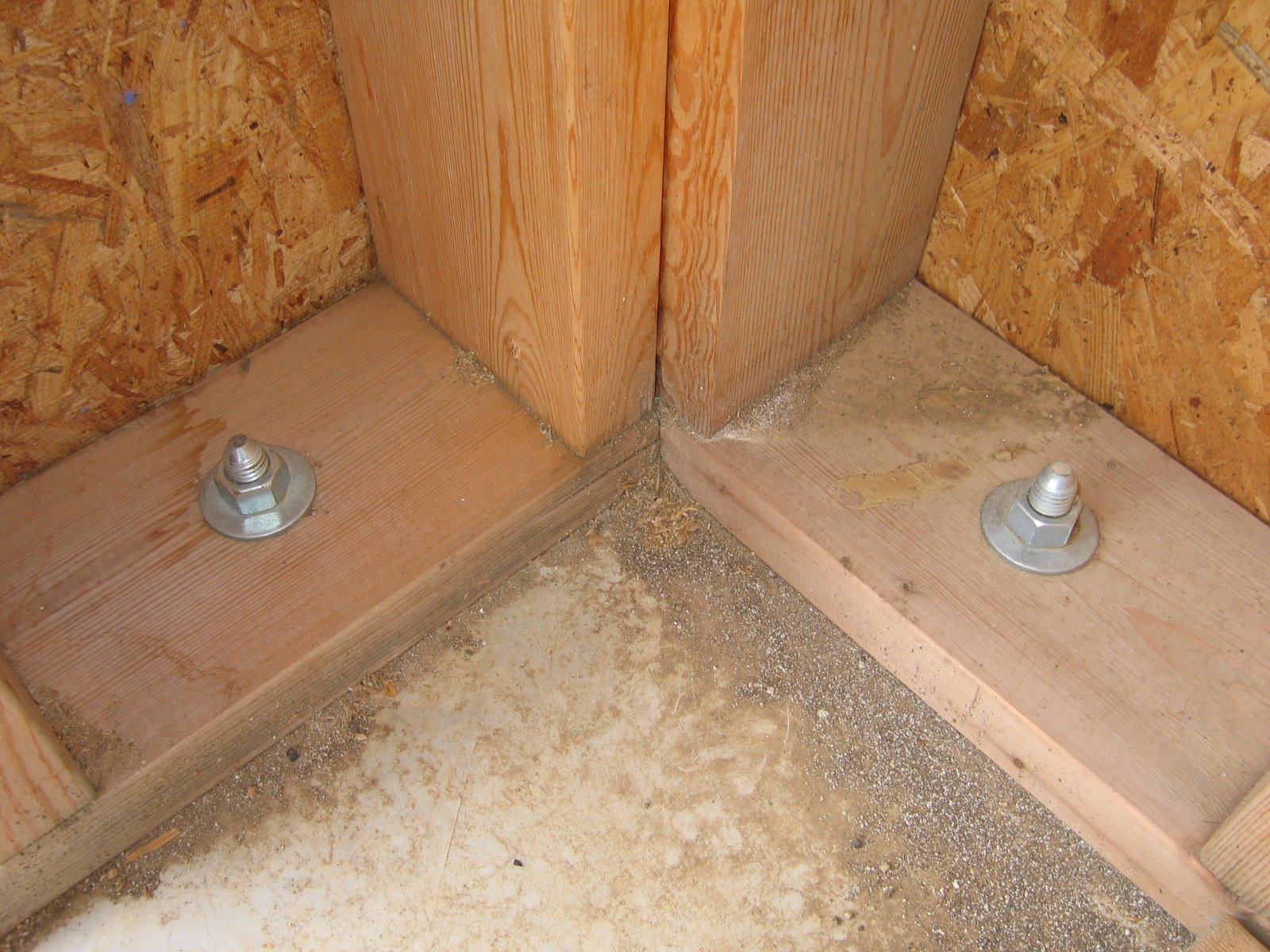
To secure the building down, we anchored it with heavy-duty 4-5″ concrete bolts:

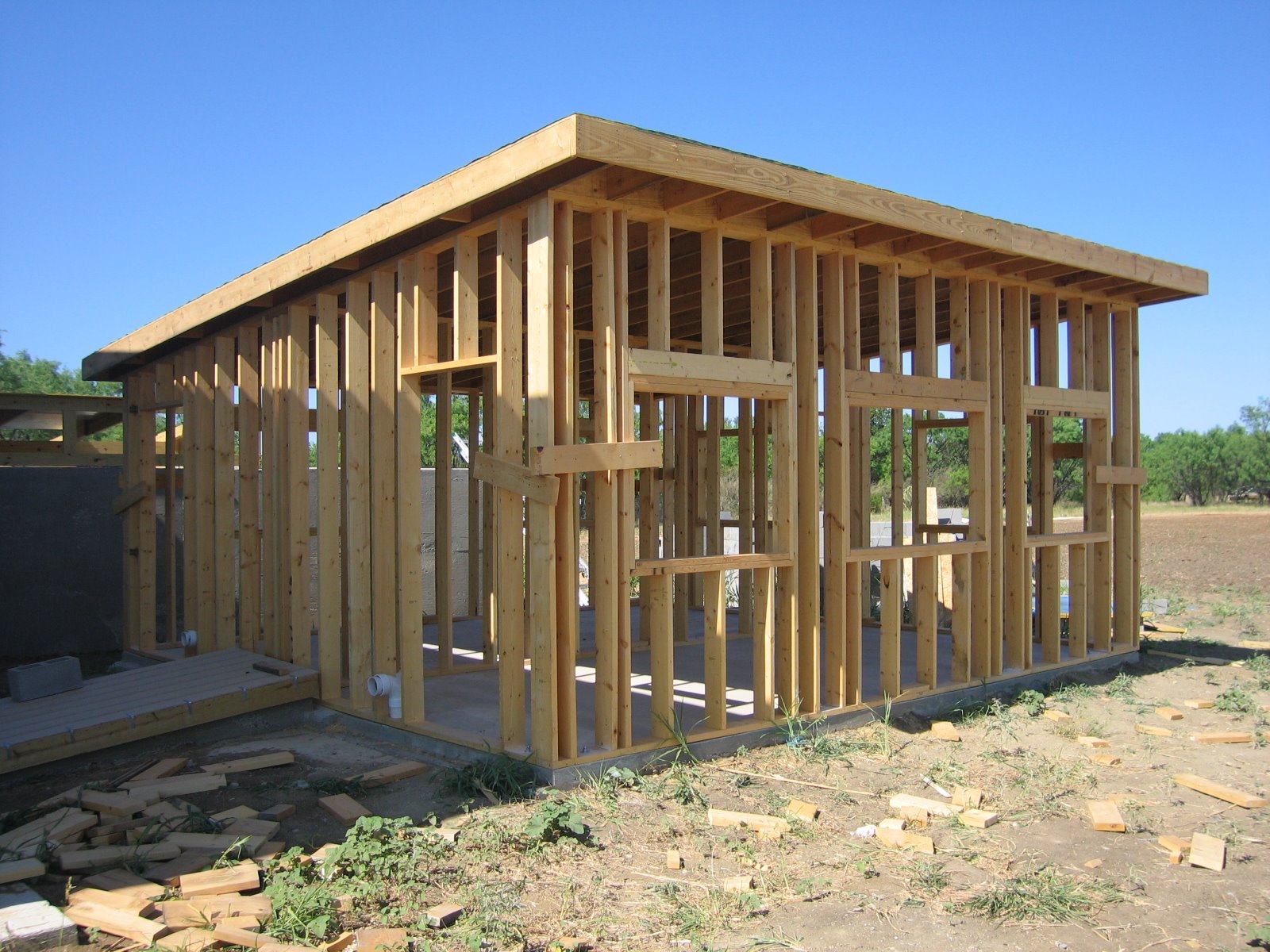
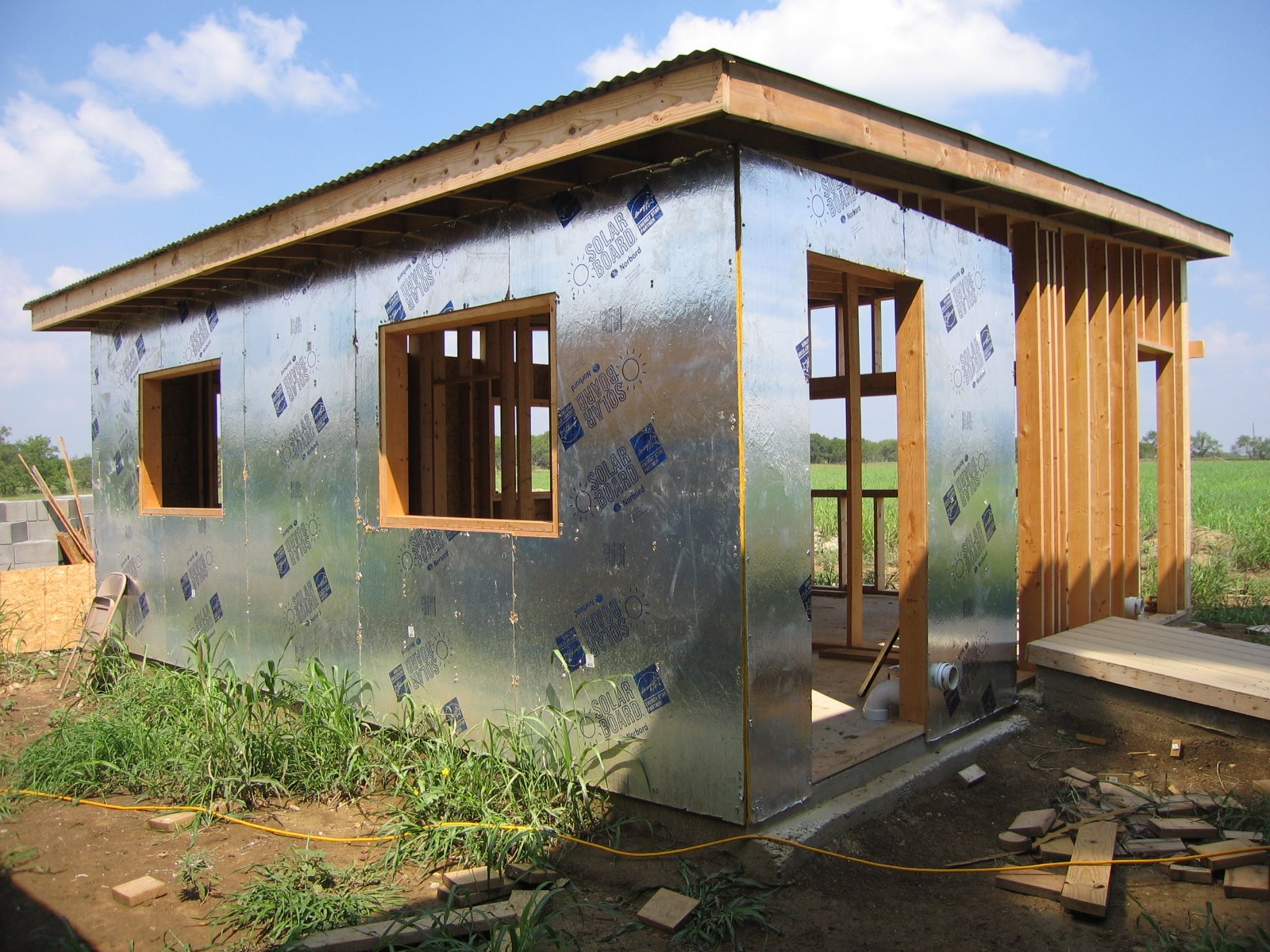
Here is the structure with the roof put on. We used 24′ long, 2×8 rafters for the roof, and then covered it with Solar Board to help with insulation. Notice here above each window frame now has a “header.” This was suggested to me by our neighbor Logan, who has had more experience building. This is to keep the pressure from the rafters causing a sag in the window frames on the windows. Thanks to Logan:

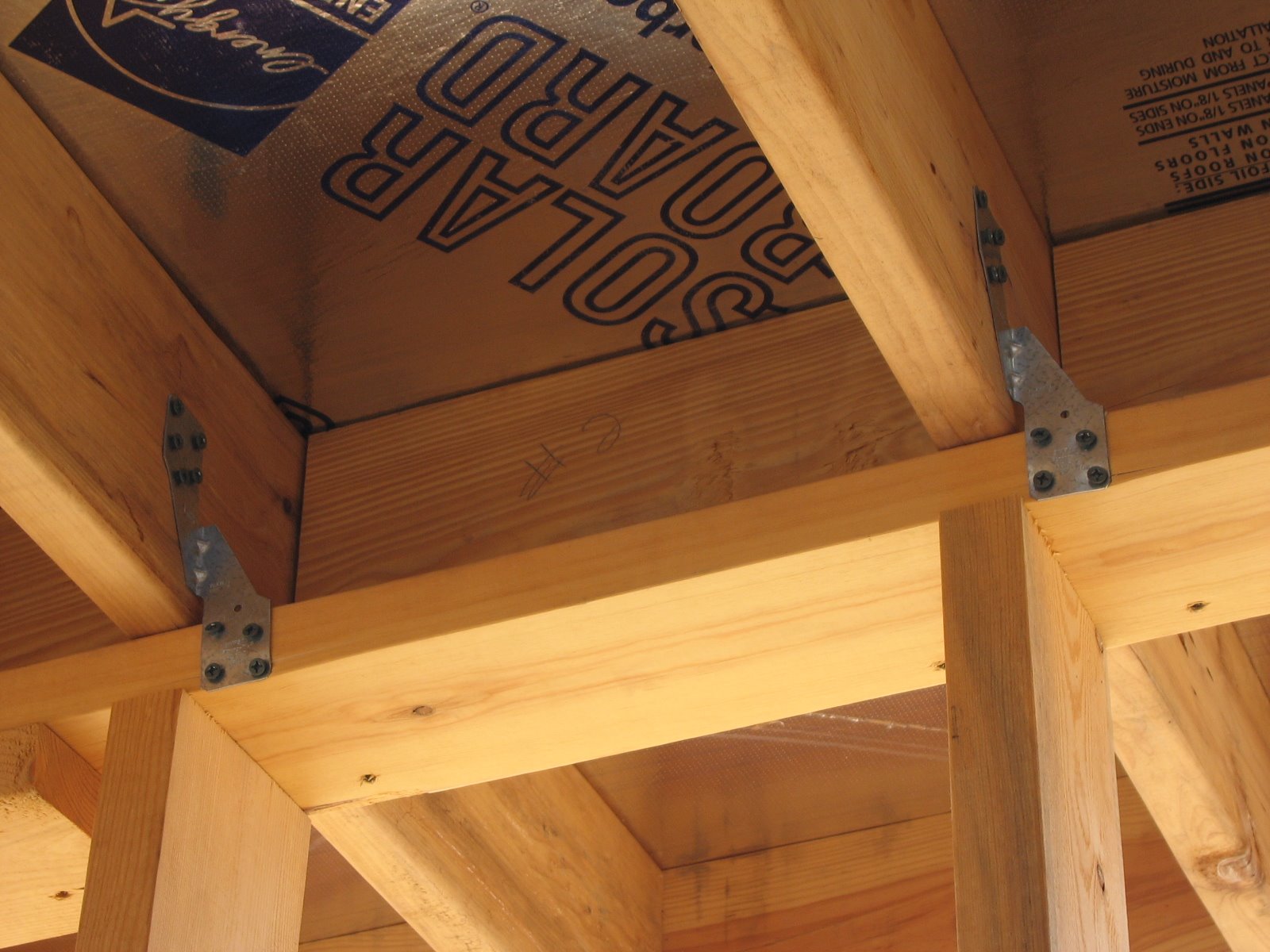
The metal anchors are called “hurricane clips”, and they apparently help tremendously with high winds:

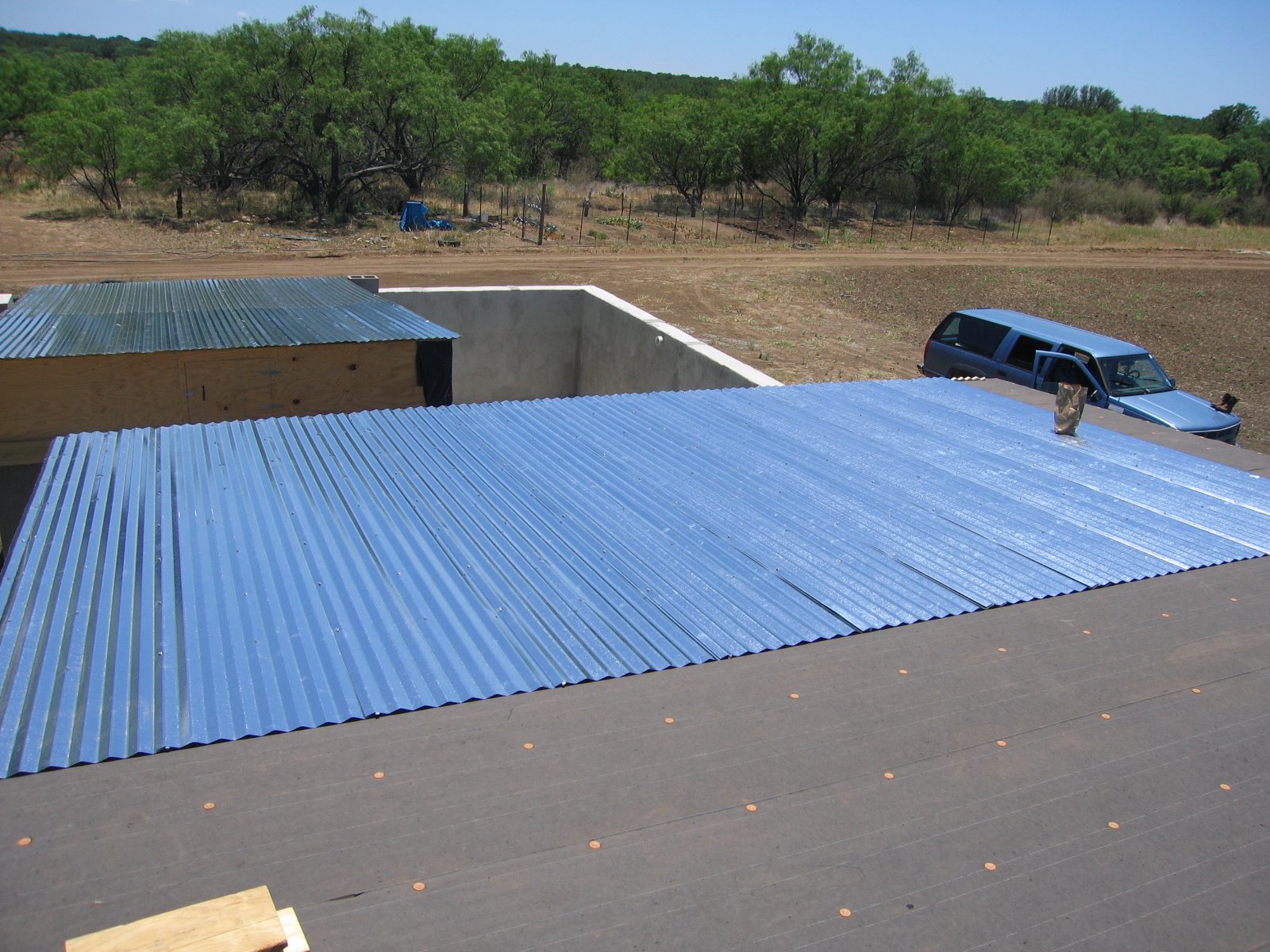
We covered the roof with tar paper and then began installing the corrugated roof metal:

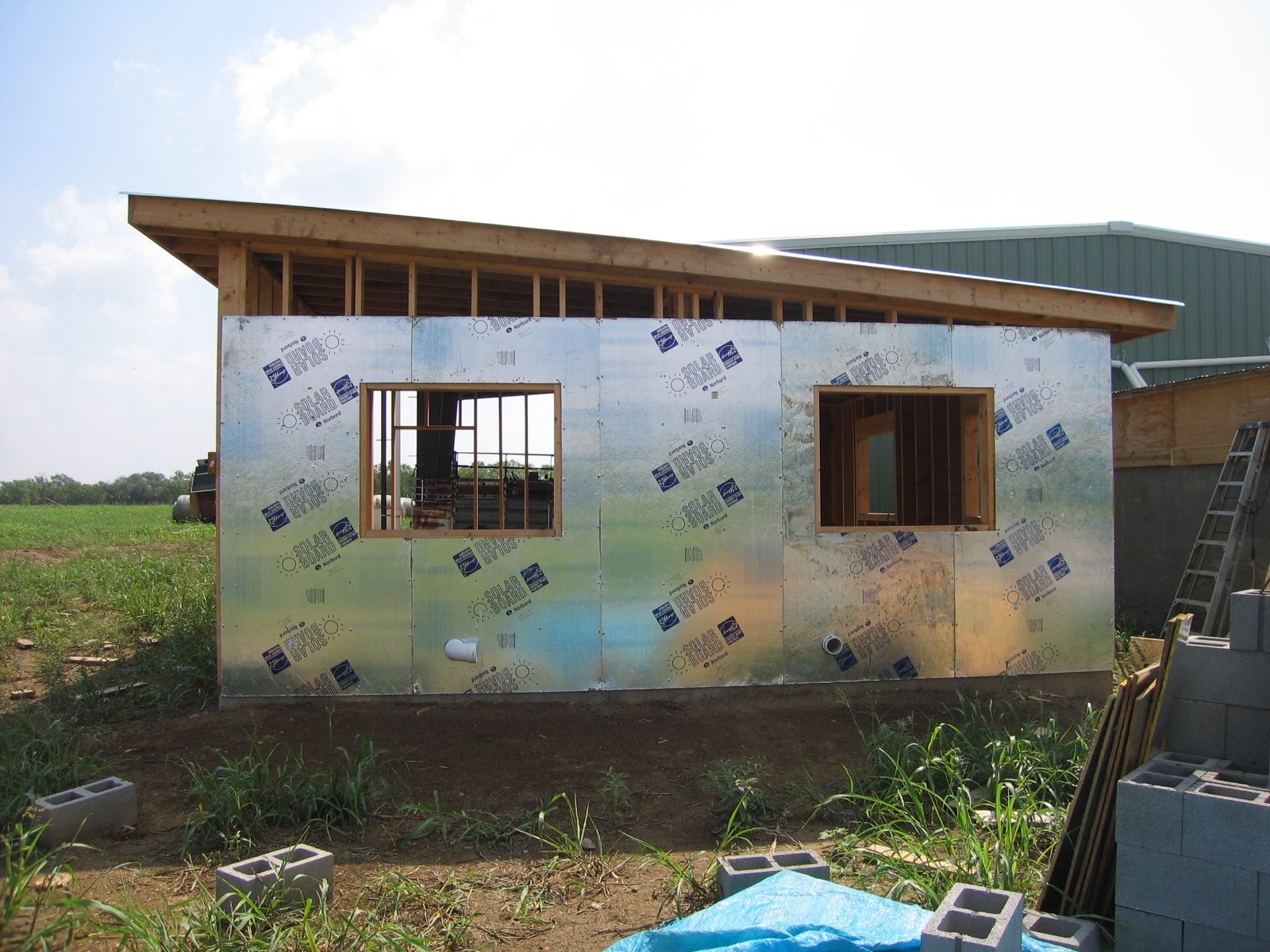
I continued with Solar Board for the siding, and this is how far I have worked on it:


The Lord is gracious and merciful.

— David

Storing Rain IV

Every time a roof line is erected around here, part of the thought process going into and coming out of building that roof line is where the water “caught” by it will go, because that water falling from the sky and “intercepted” by a roof line is a water provision from God, for which we are thankful. After two droughts in three years here, catching and storing as much as possible has seemed to become imperative.

Along with the barn the Lord graciously allowed us came a pretty big roof line, which translates into a pretty big water “catch” when it rains. And so, we began to plan a catch-water system for the barn, which wasn’t quite simple.

You see, the barn’s roof line theoretically (square feet X .62 per inch of rain) would fill the 2500 gallon black container from our first catch-water roof line in just about one inch of rain, and we are supposed to get around 26 inches per year average. Well, this would mean lining up a whole bunch of black tanks, or finding other means.

We looked at larger tanks, 10,000 gallons or more, and the cost of delivery of them goes way up because they are considered wide loads in transport. And so, I decided we would look into building a water cistern. With it, I was hoping to 1) hold nearly 20,000 gallons; 2) that it would be above ground so that the water would flow out by gravity and not need any electricity for pumping; and 3) that it would last a long time. And so, when we hired the crew to do the root cellar, we hired them to do the cistern as well.

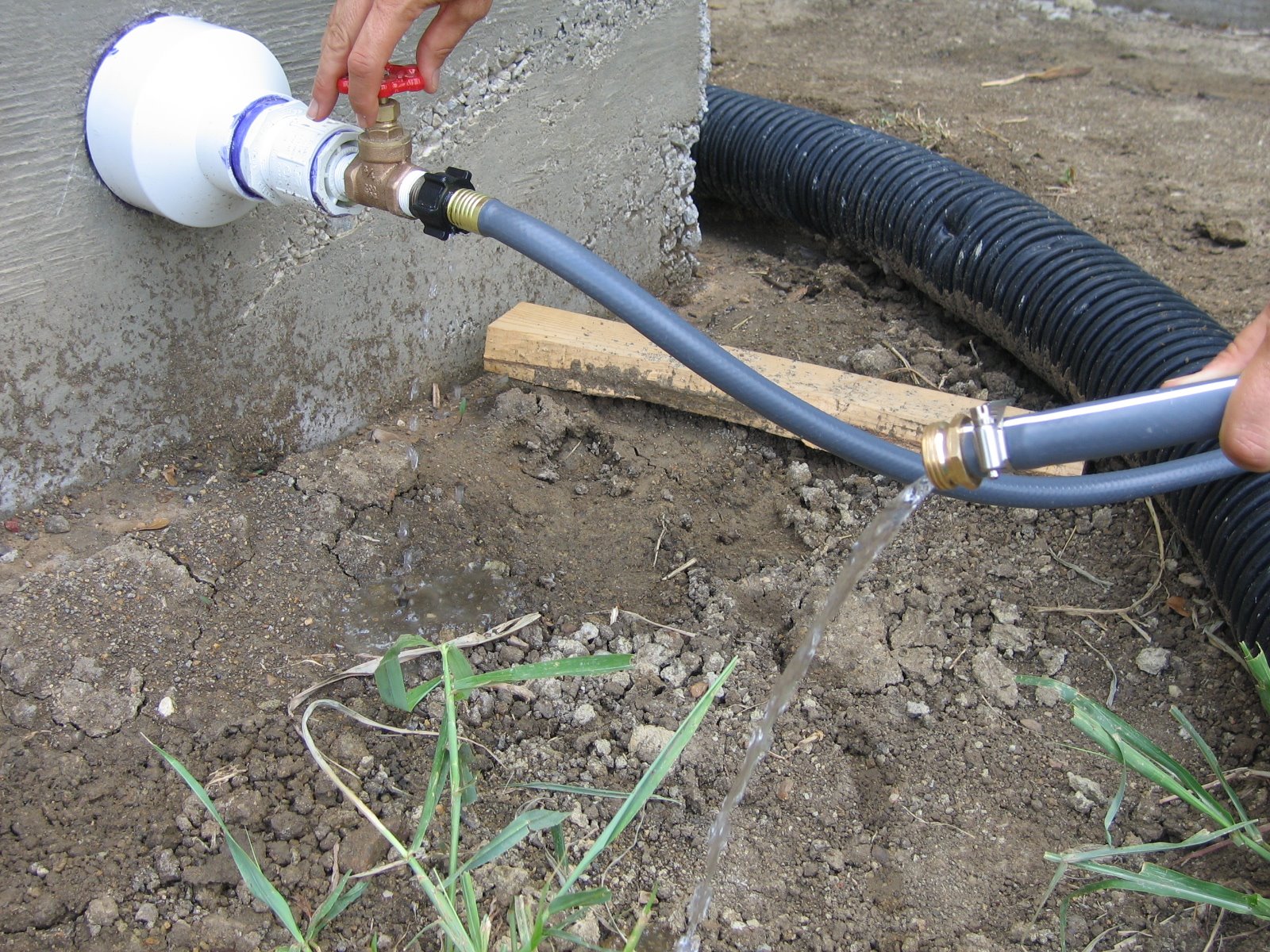
The concrete contractor decided to implement steel reinforced concrete for the walls a foot in width that would connect to a previously poured slab. I also thought it might be a good idea to put a wall in the middle to split the cistern into two sections so that if we ever needed to empty the cistern (for cleaning or otherwise), the worst we would have to do would be to drain only one side. I included in the plans at the bottom of the structure one exit spout in the first section and two in the second section, plus the overflow spout at the top of the second section. Instead of a pipe in between the two sections, the contractor decided to just lower the middle partition an inch and a half to allow for flow from the first section to the second section that way.

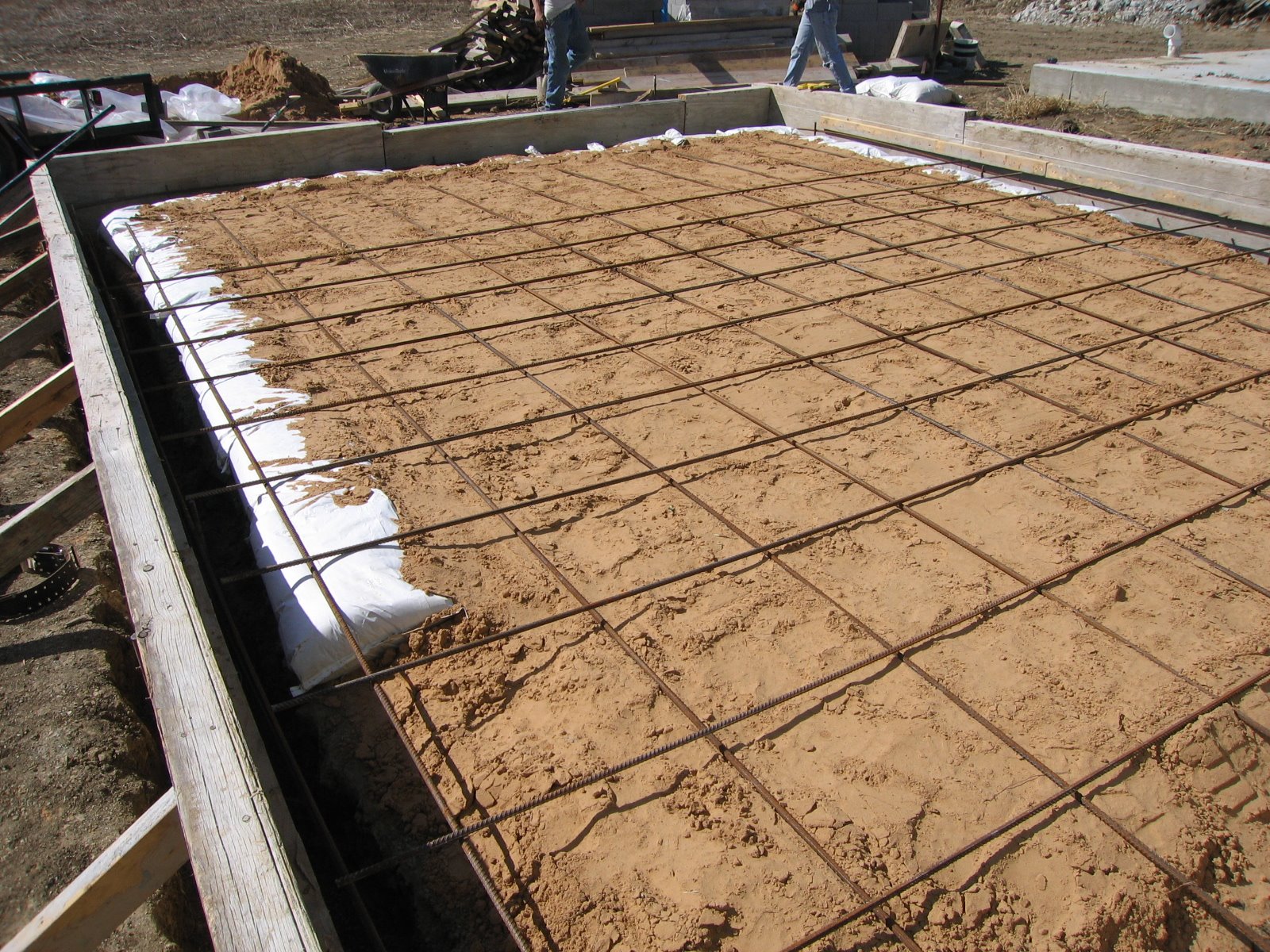
And here is the process. They put sand and sand bags below the bottom slab to help against shifting:

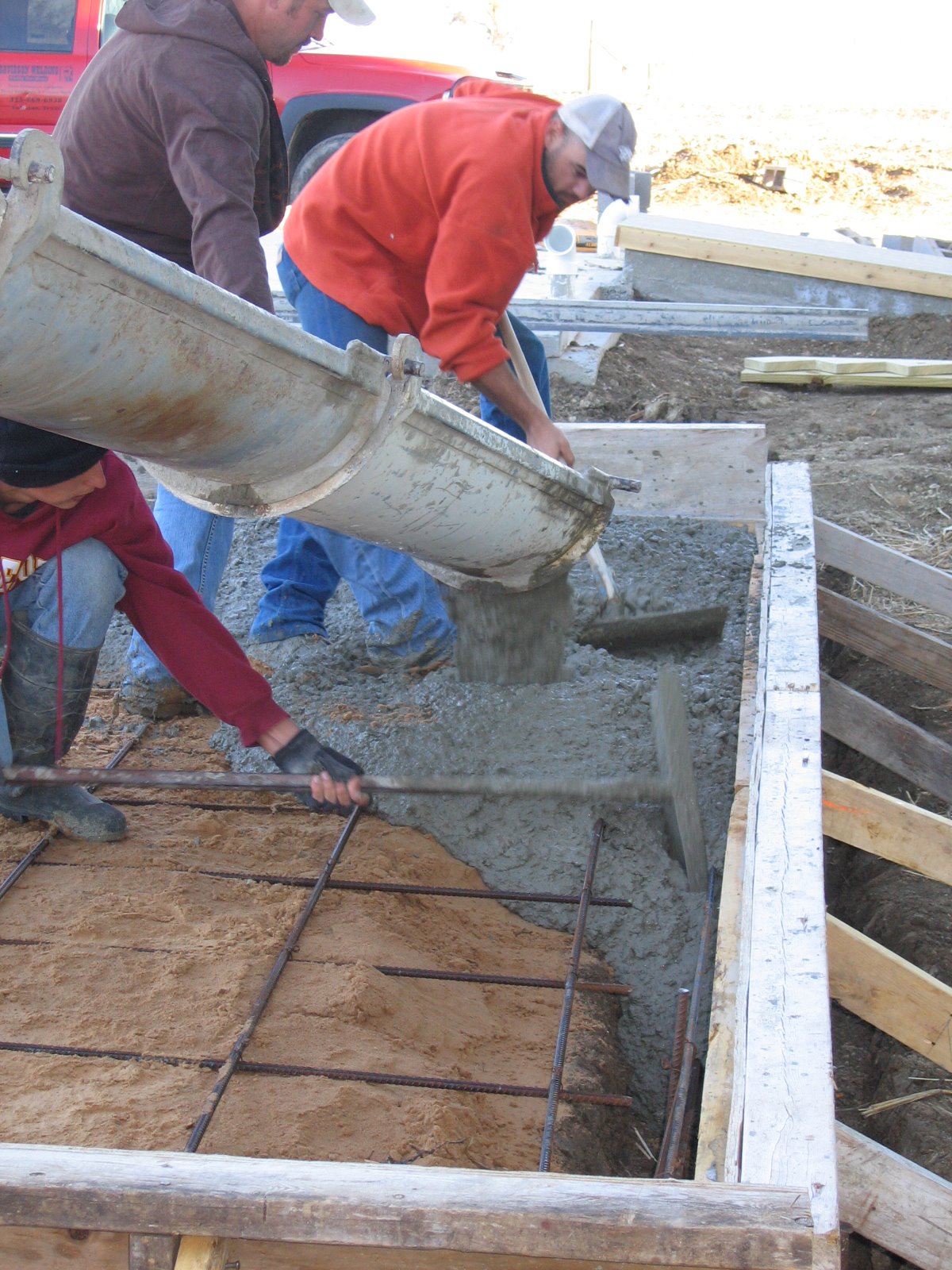
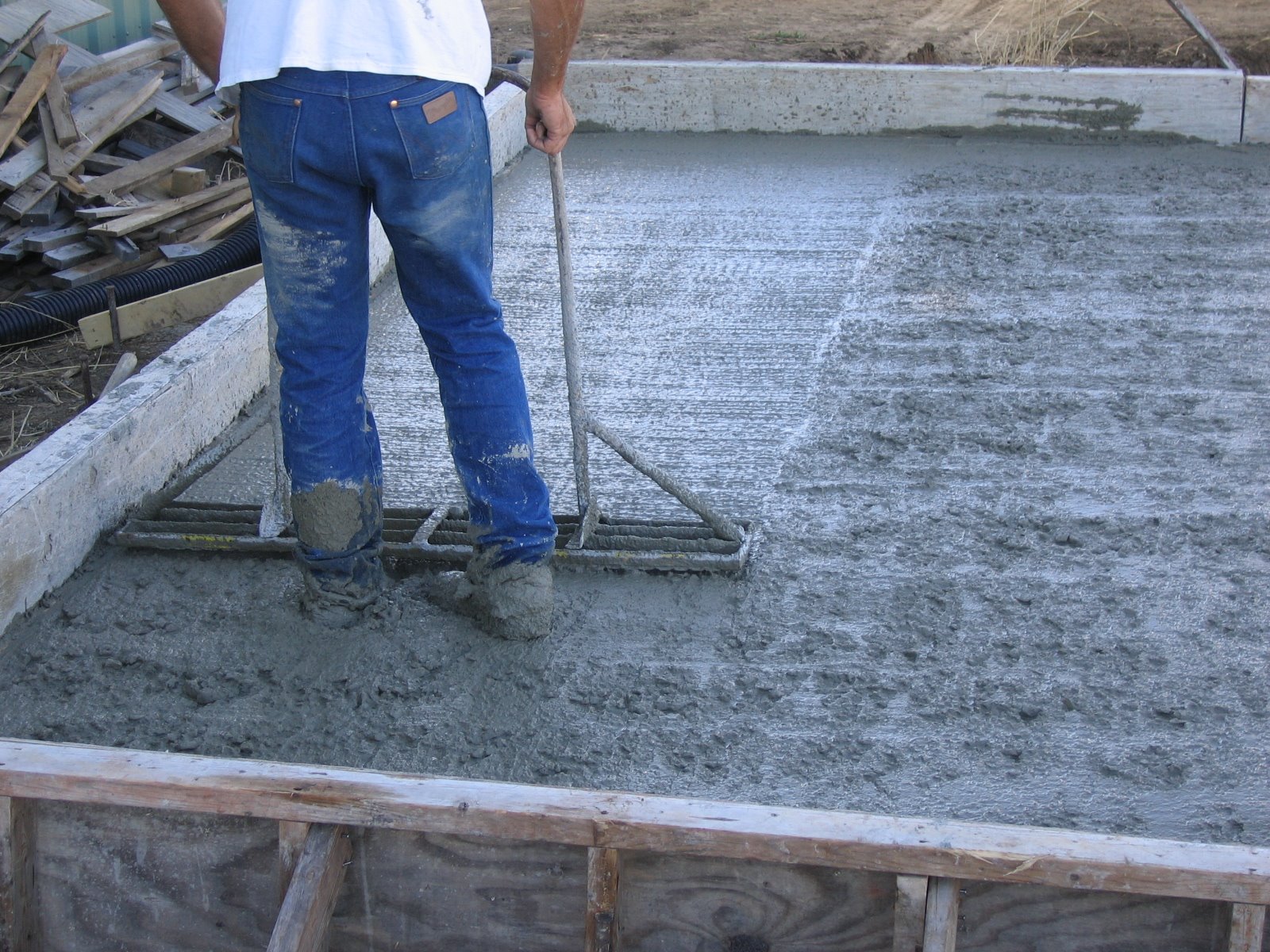
And they poured:

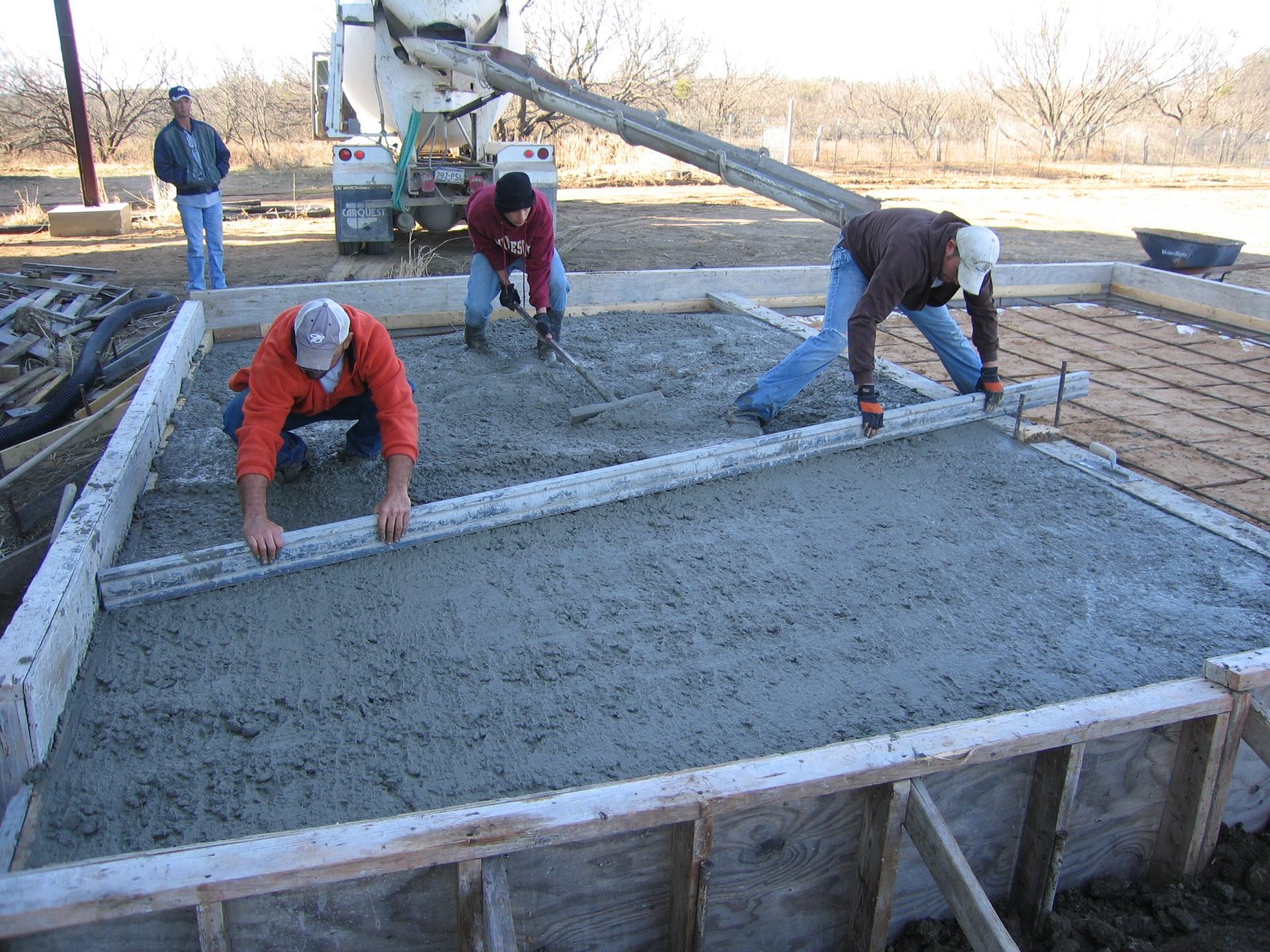
And worked the concrete:


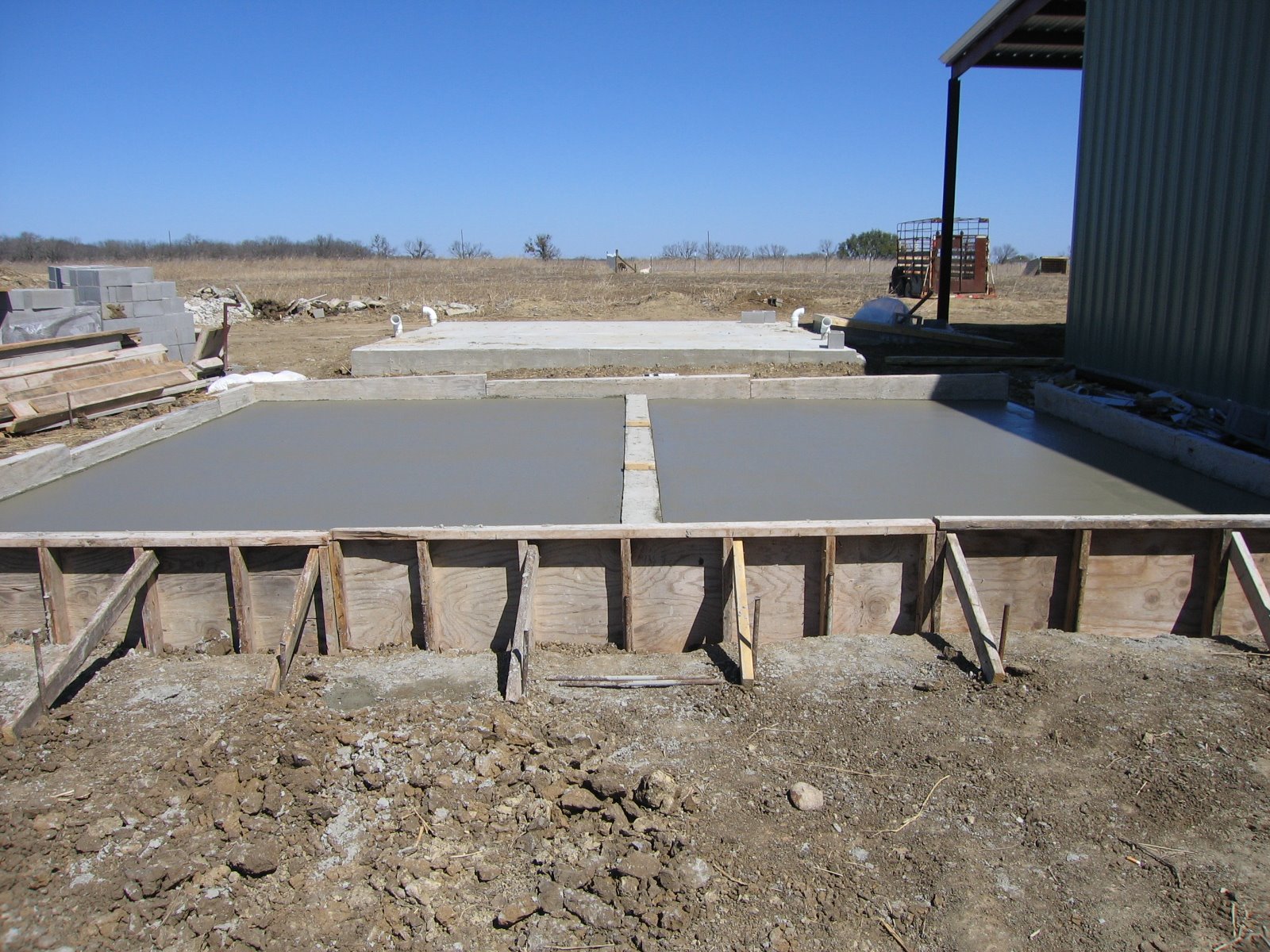
Here is the finished slab:

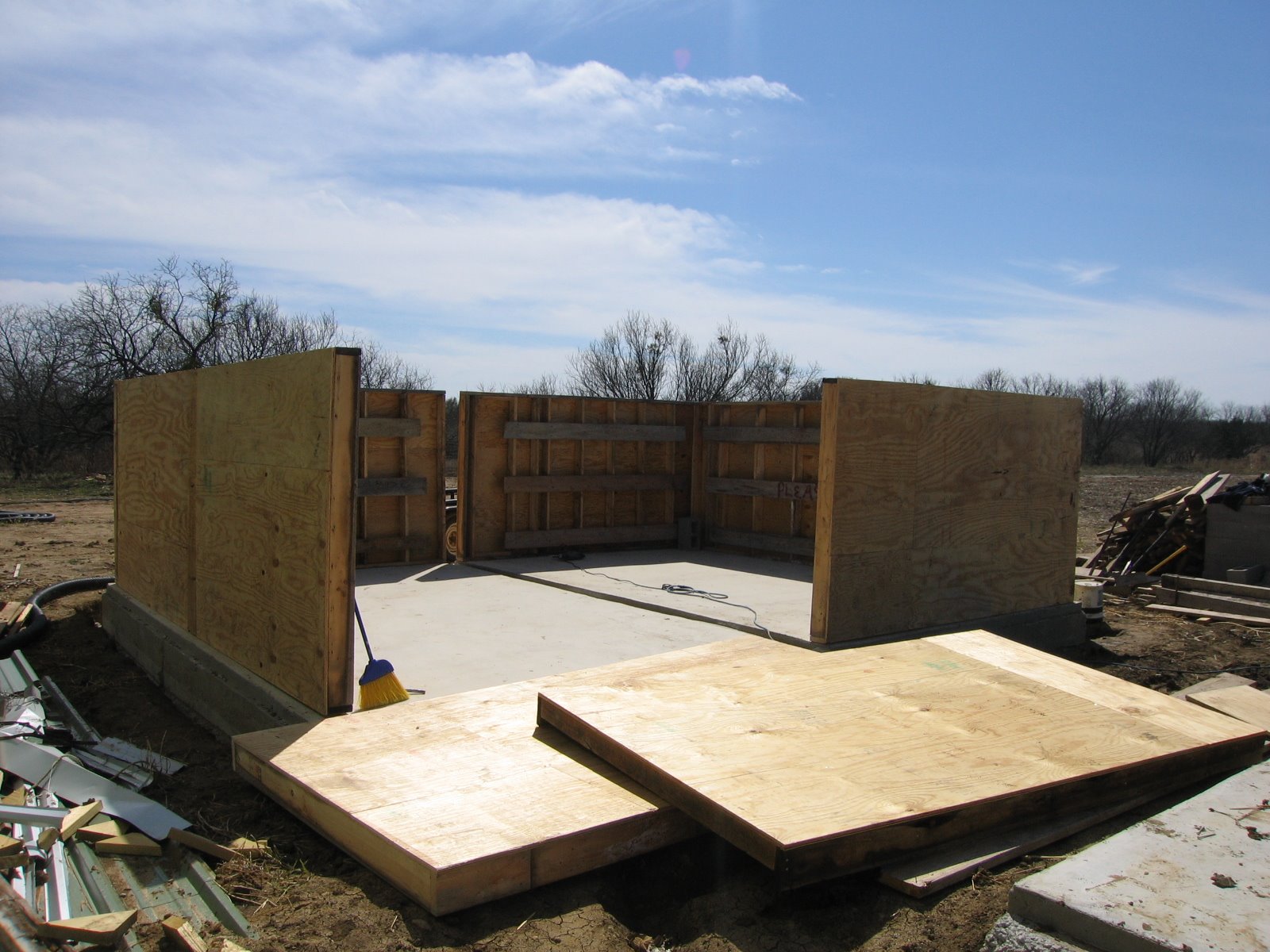
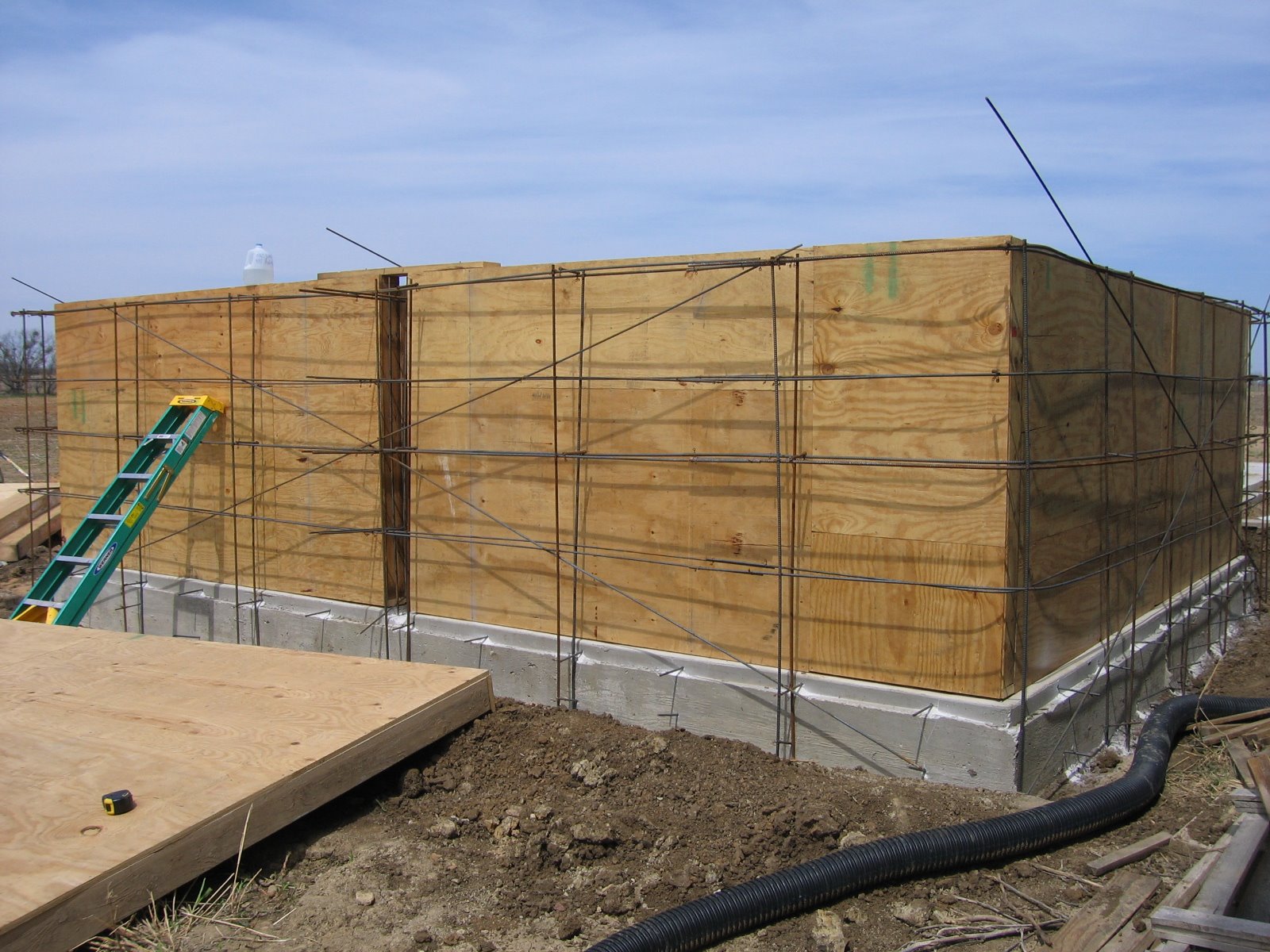
After the slab was poured, they began to set up the wall forms:


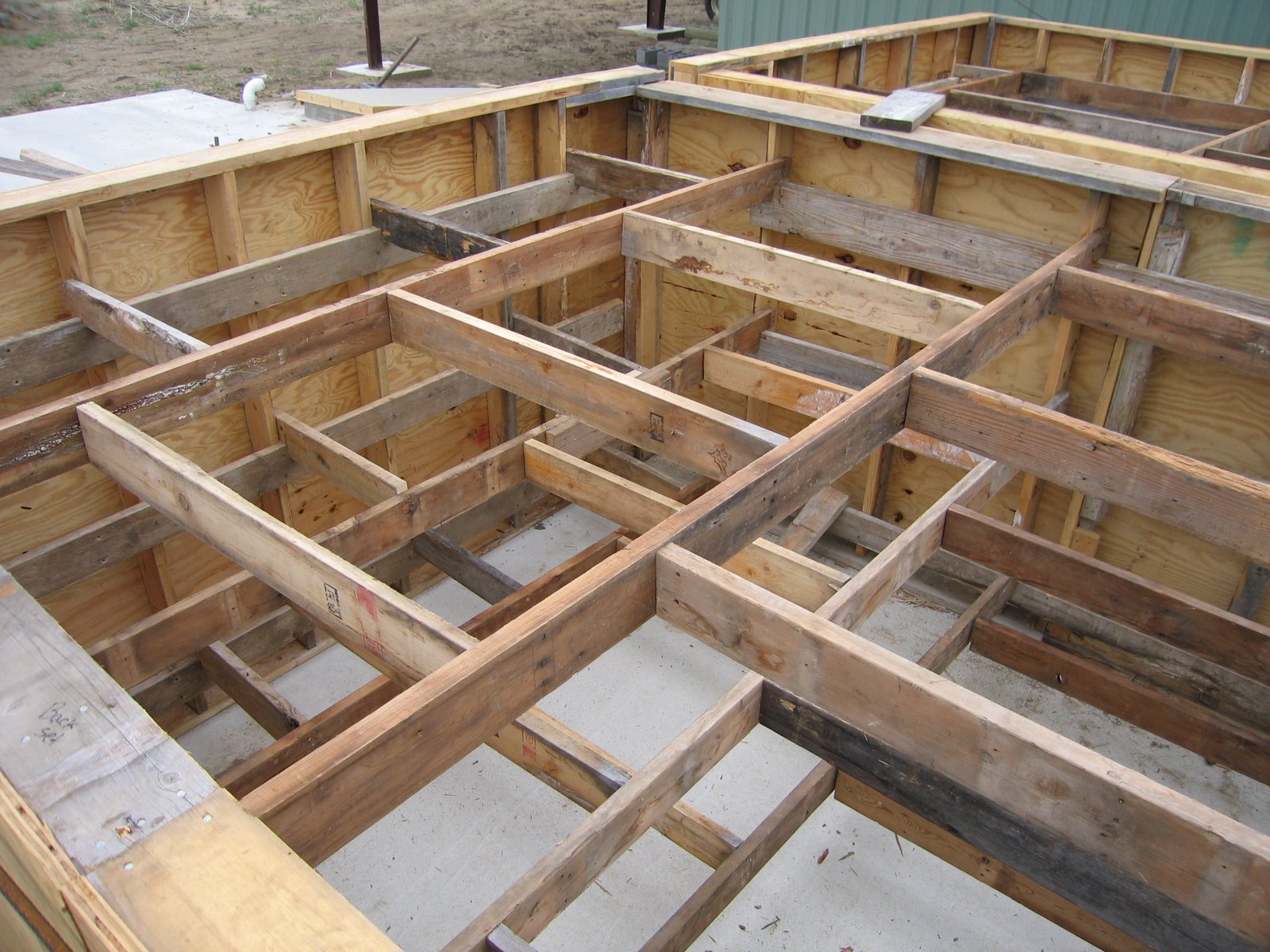
Remembering their root cellar troubles, they built cross-hatch bracing to support the internal form structure:

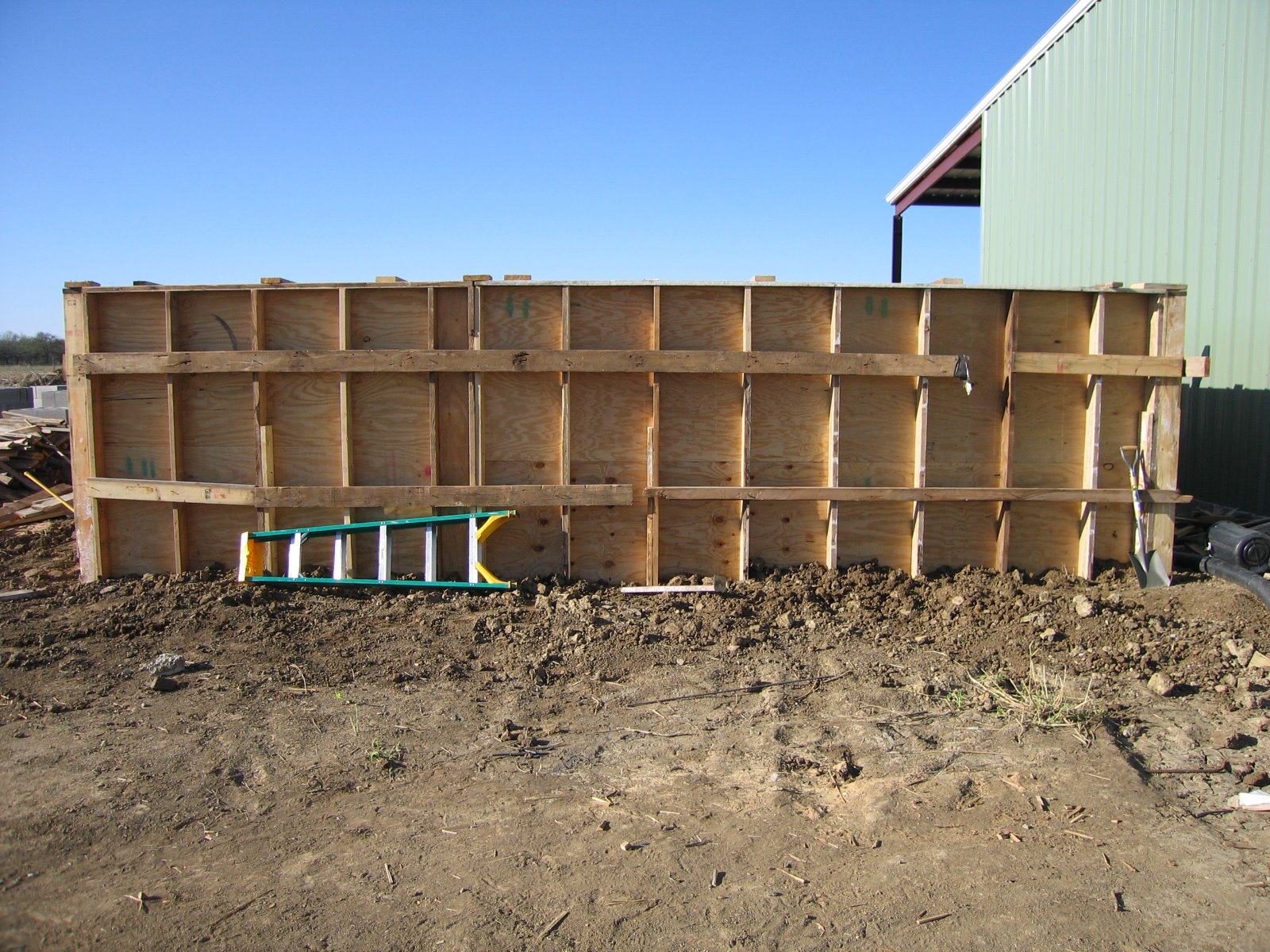
Here are the outside walls before the “kicker” braces are in place:

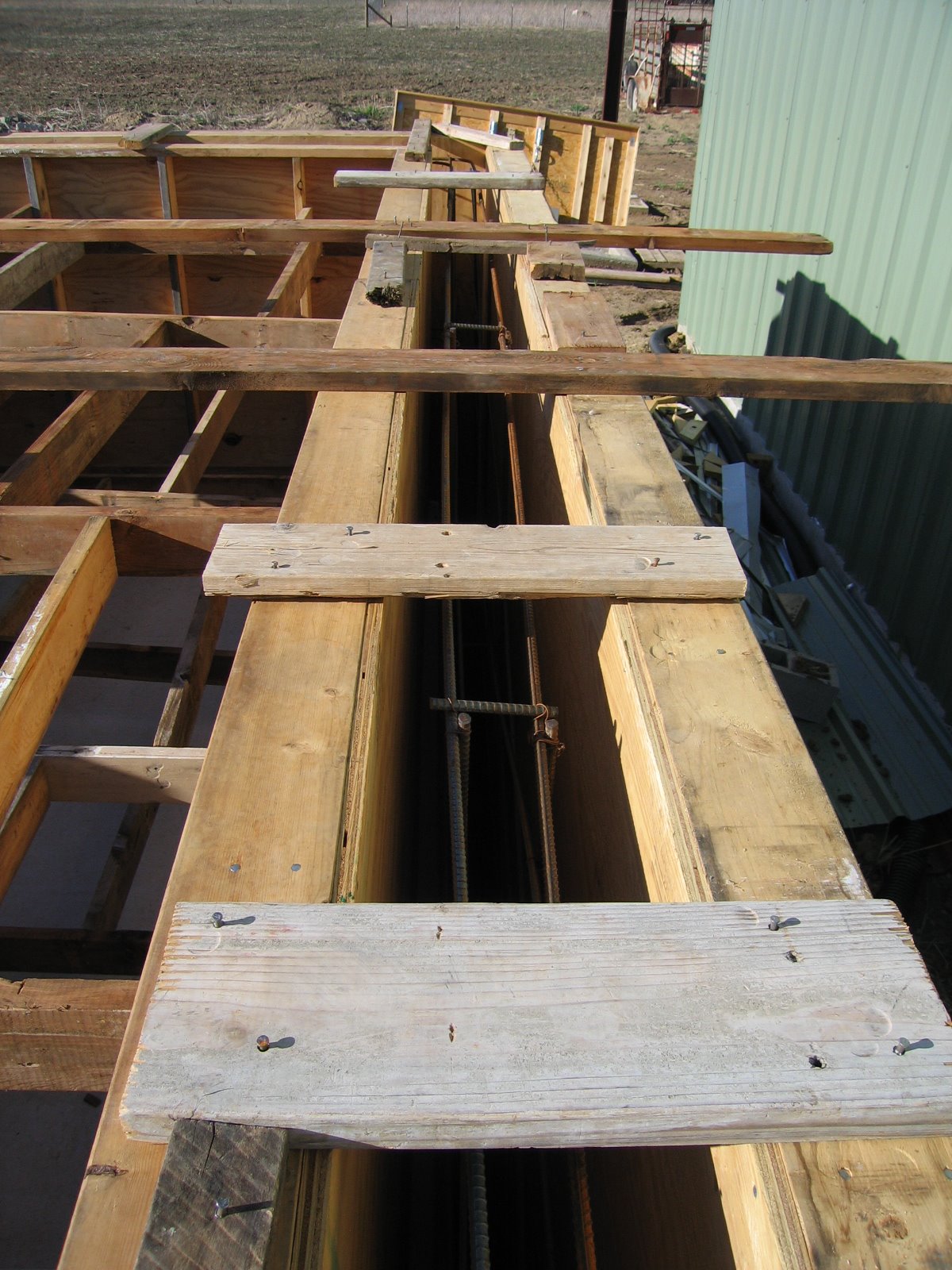
And here is how they braced the internal and external walls to each other:

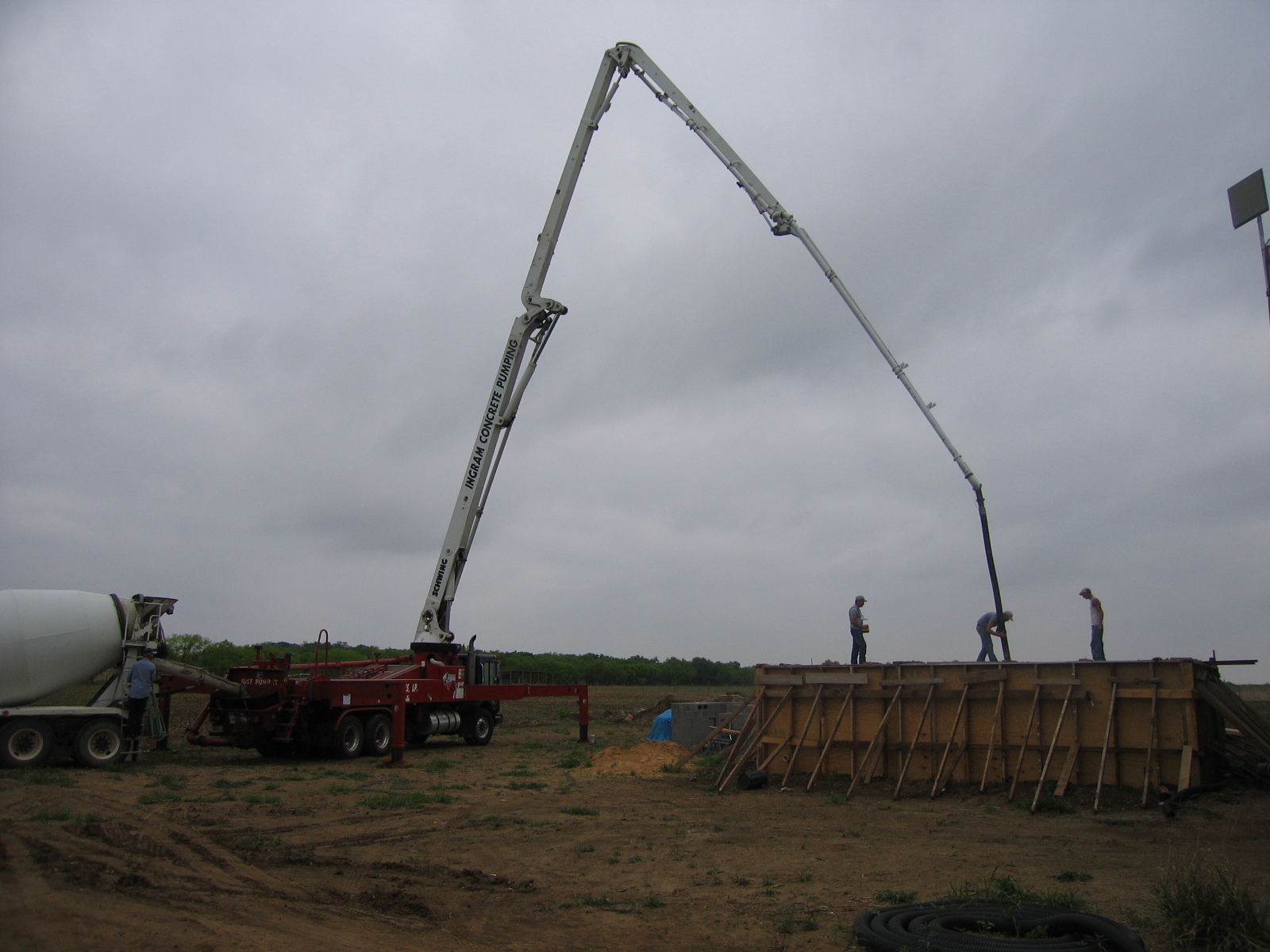
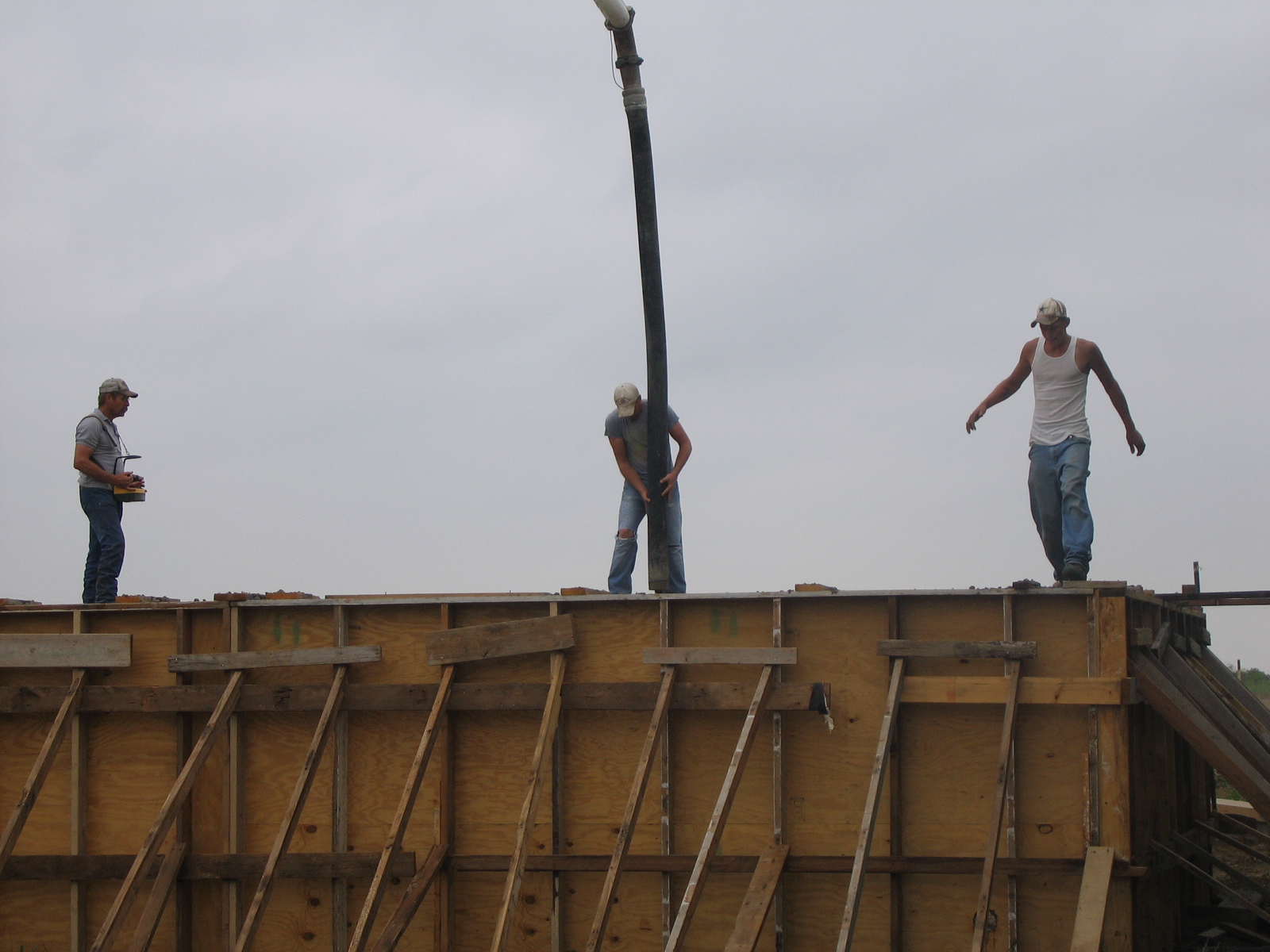
In my design for being able to hold a certain amount of water, I decided to increase the height of the walls so as to accommodate the water storage requirements with using as little of a square area footprint on the ground as possible. Sadly, this ended up necessitating the extra expense of a concrete pump truck in the pouring of the walls. But, here it is in action:


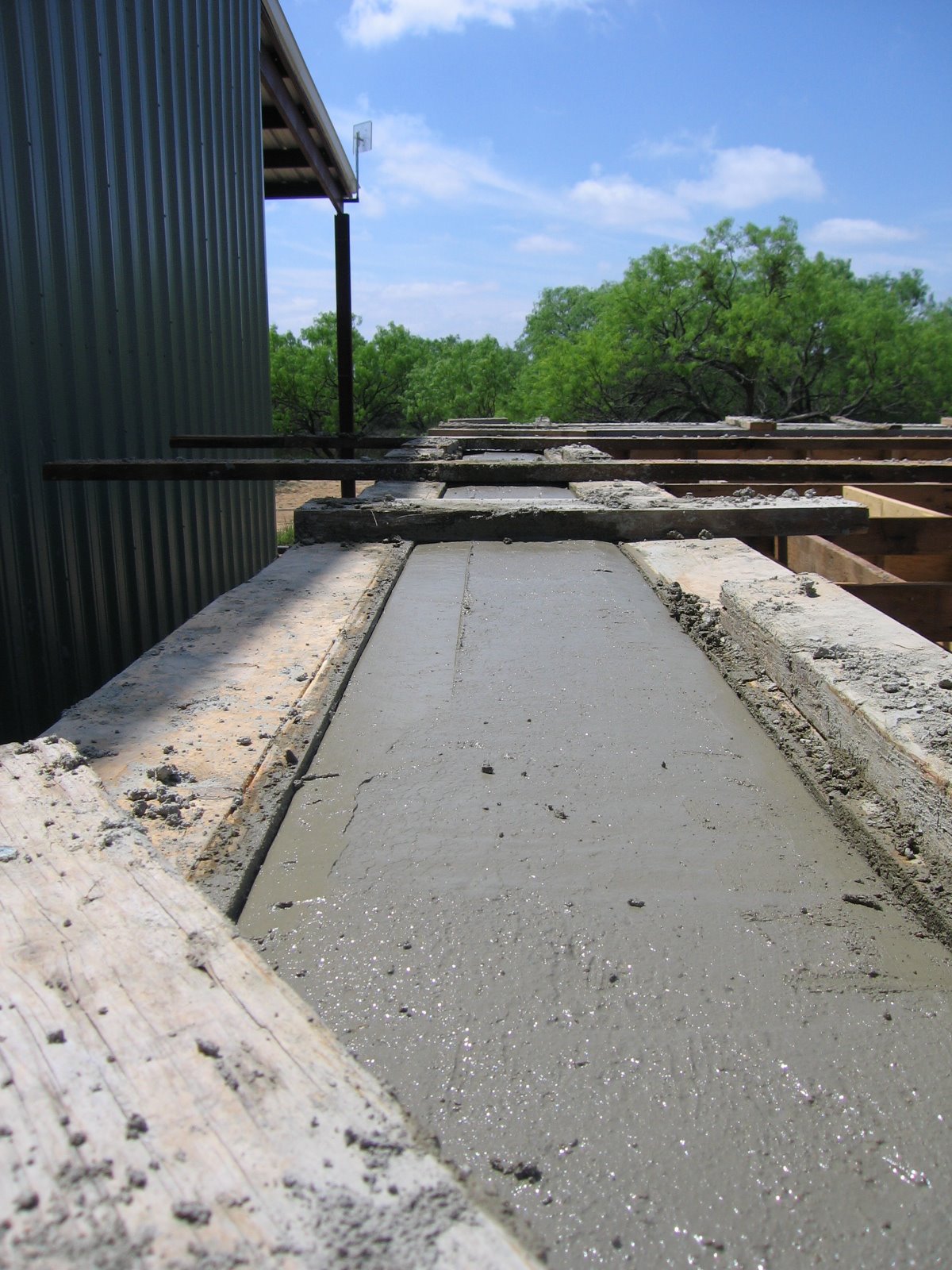
And here is a finished wall:

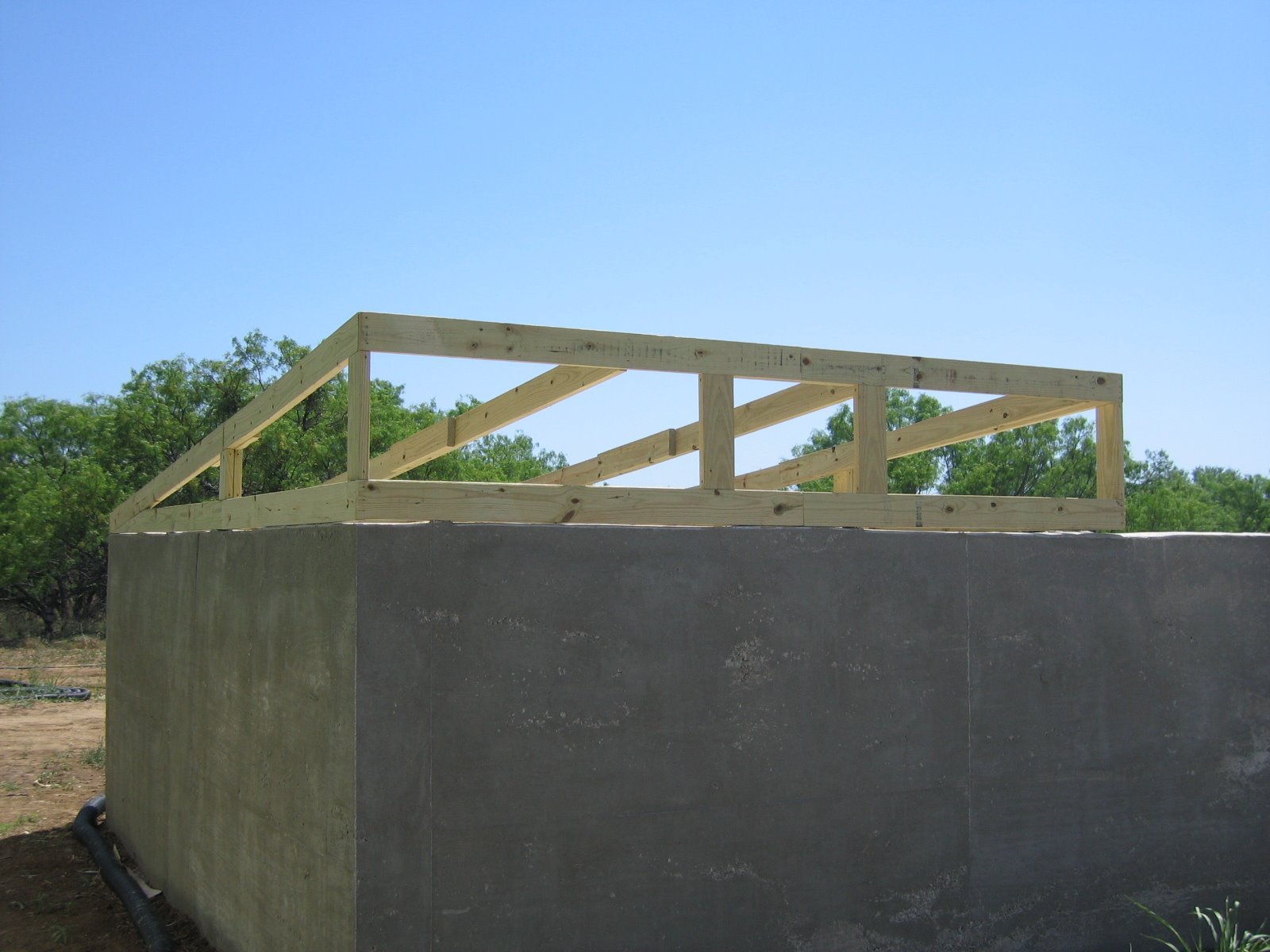
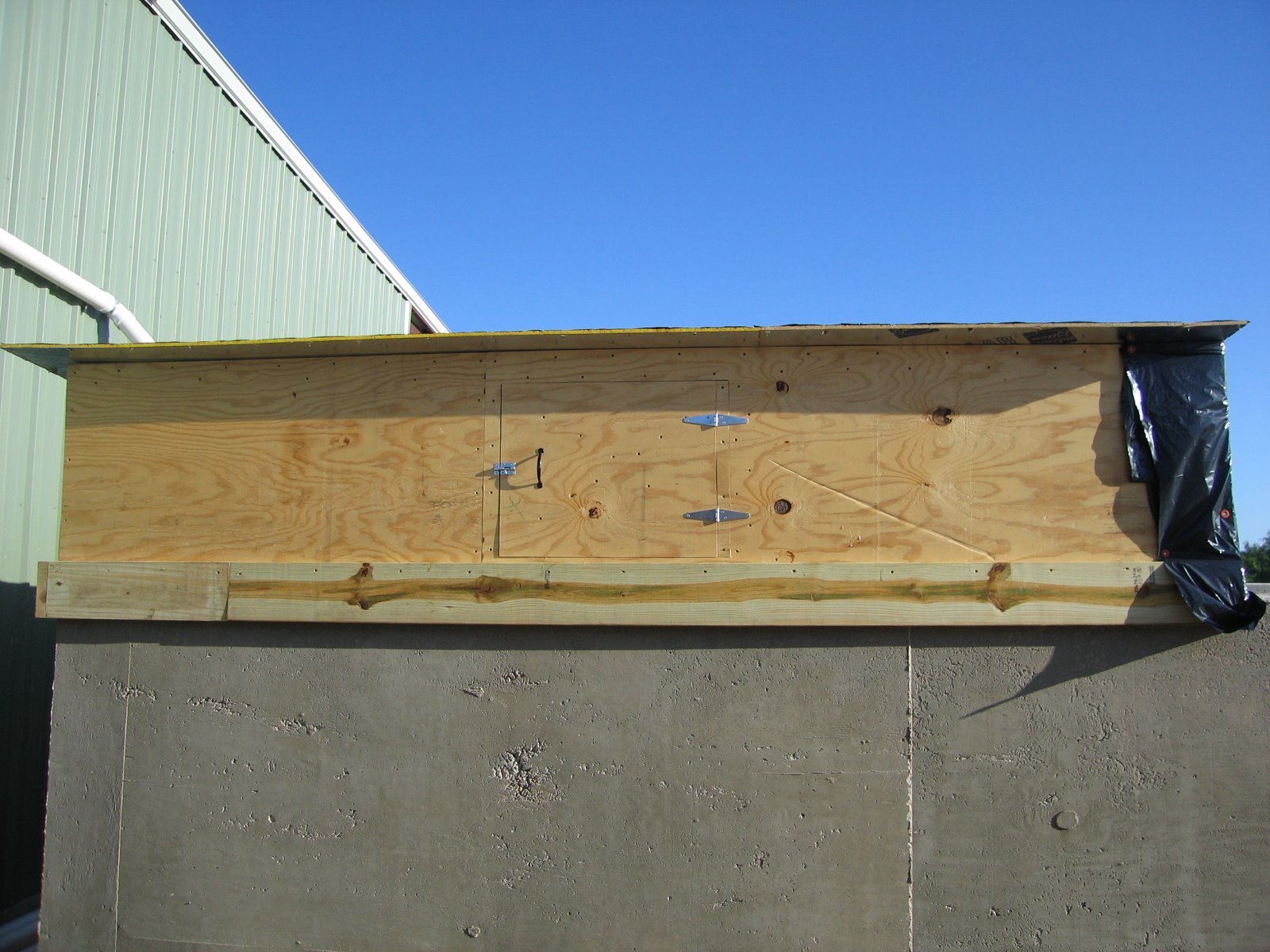
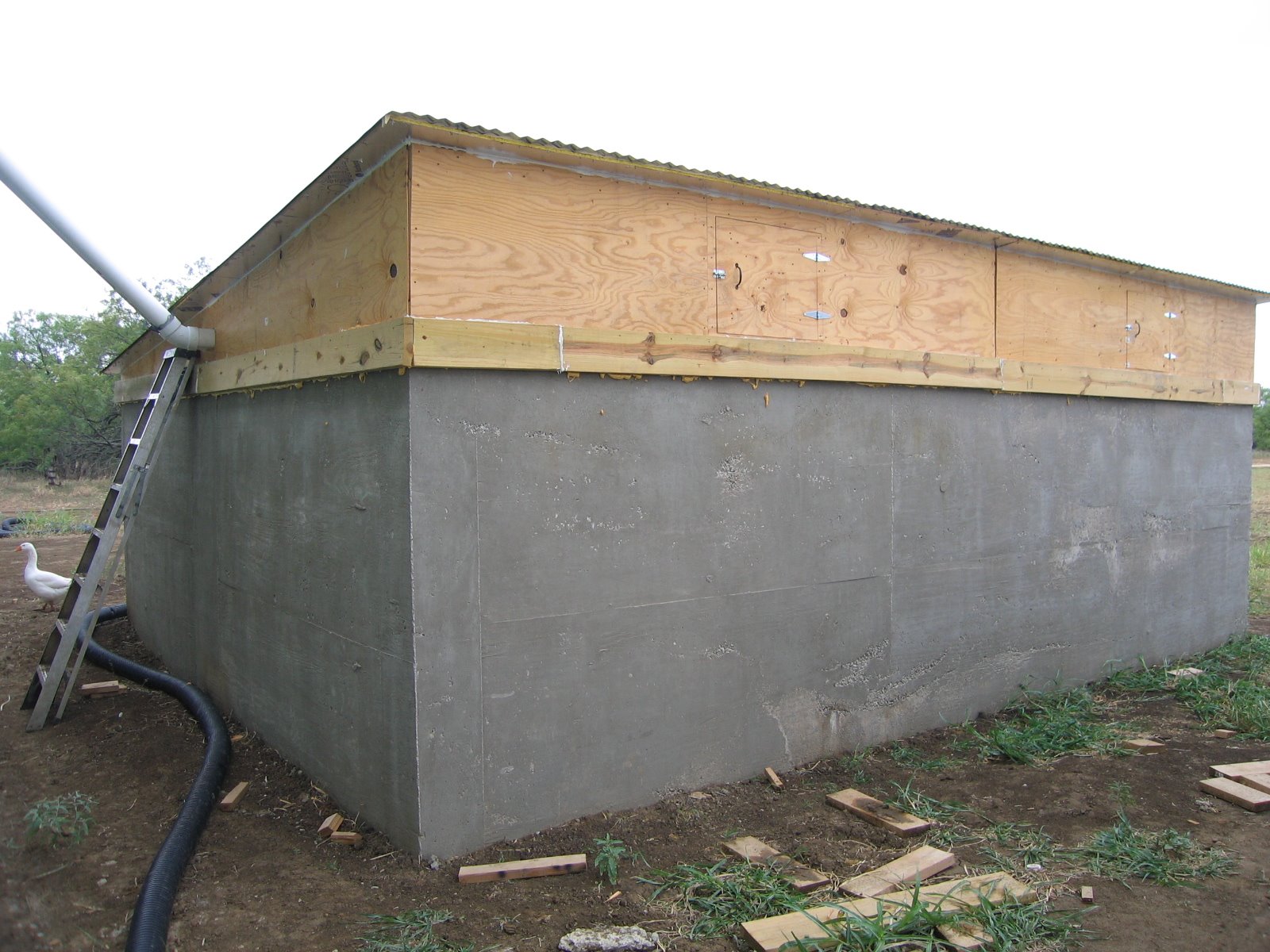
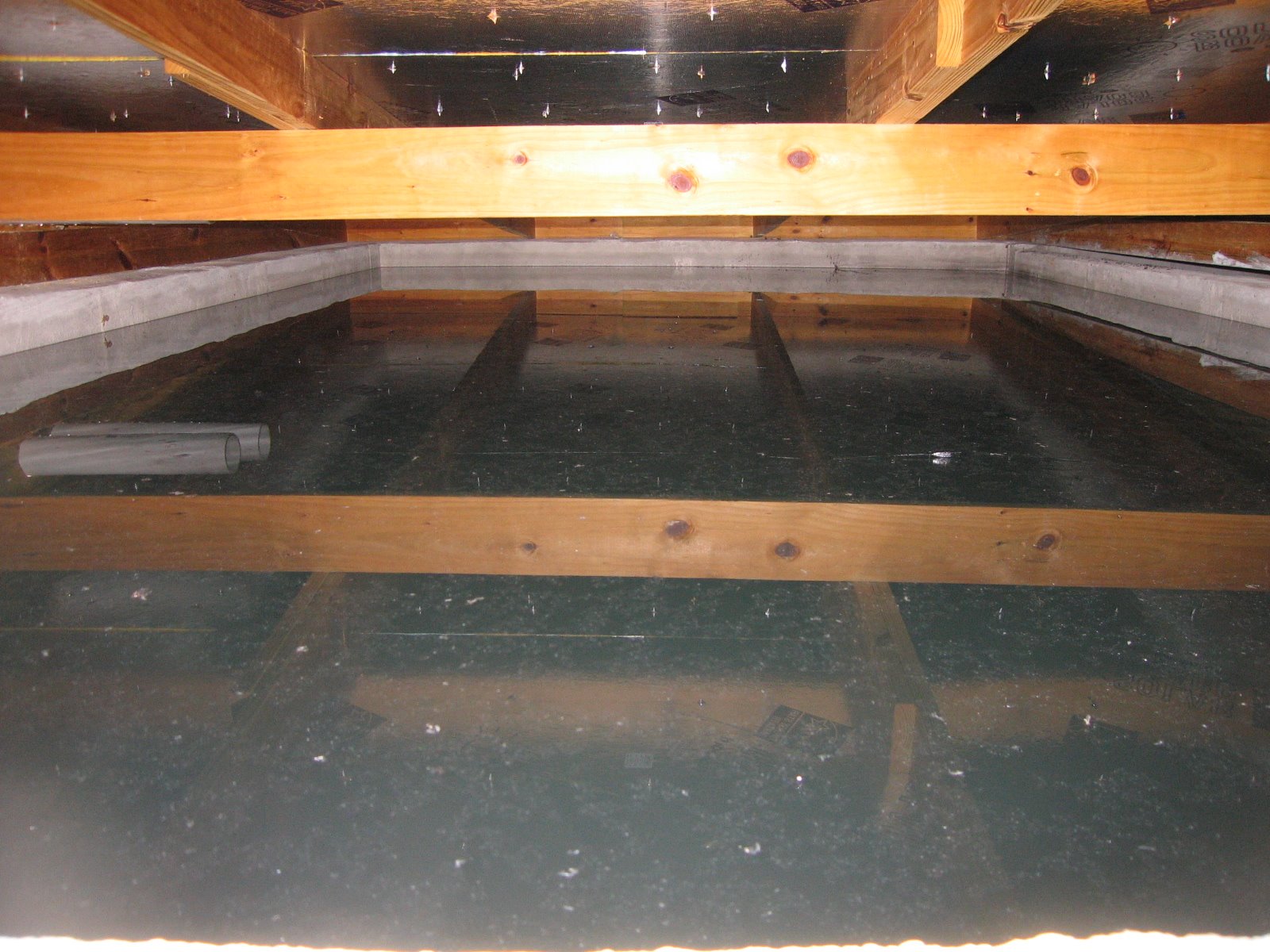
With the concrete poured, some sort of covering was needed to keep bugs out and hide the caught water from the sun (which, when mixed with minerals from dirt and the like, forms algae). Instead of just putting a flat covering on it (like a pool cover), I decided to put a roof line on it to be able to catch that water and funnel it into the cistern as well. Here are a couple of pictures of it:


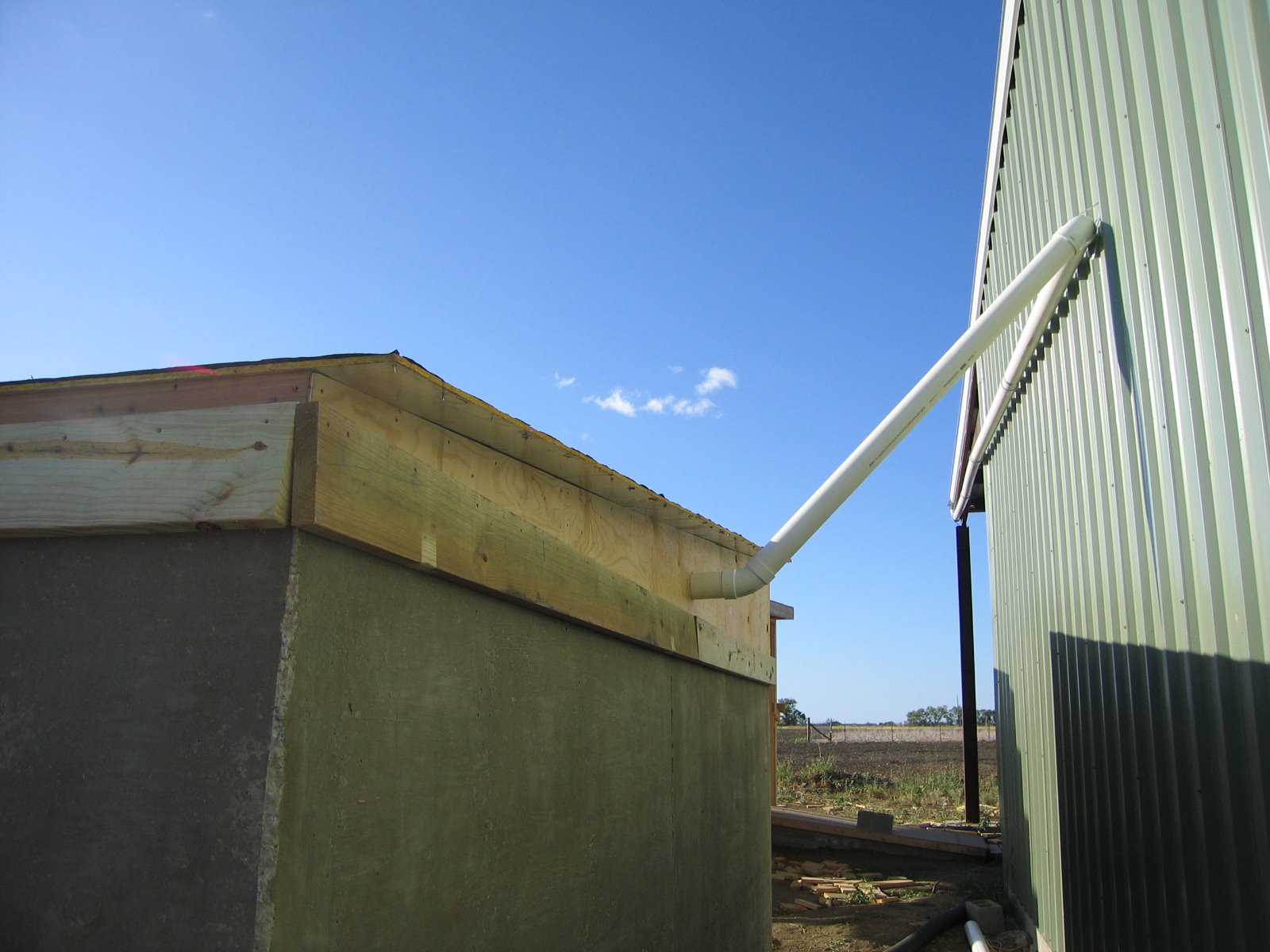
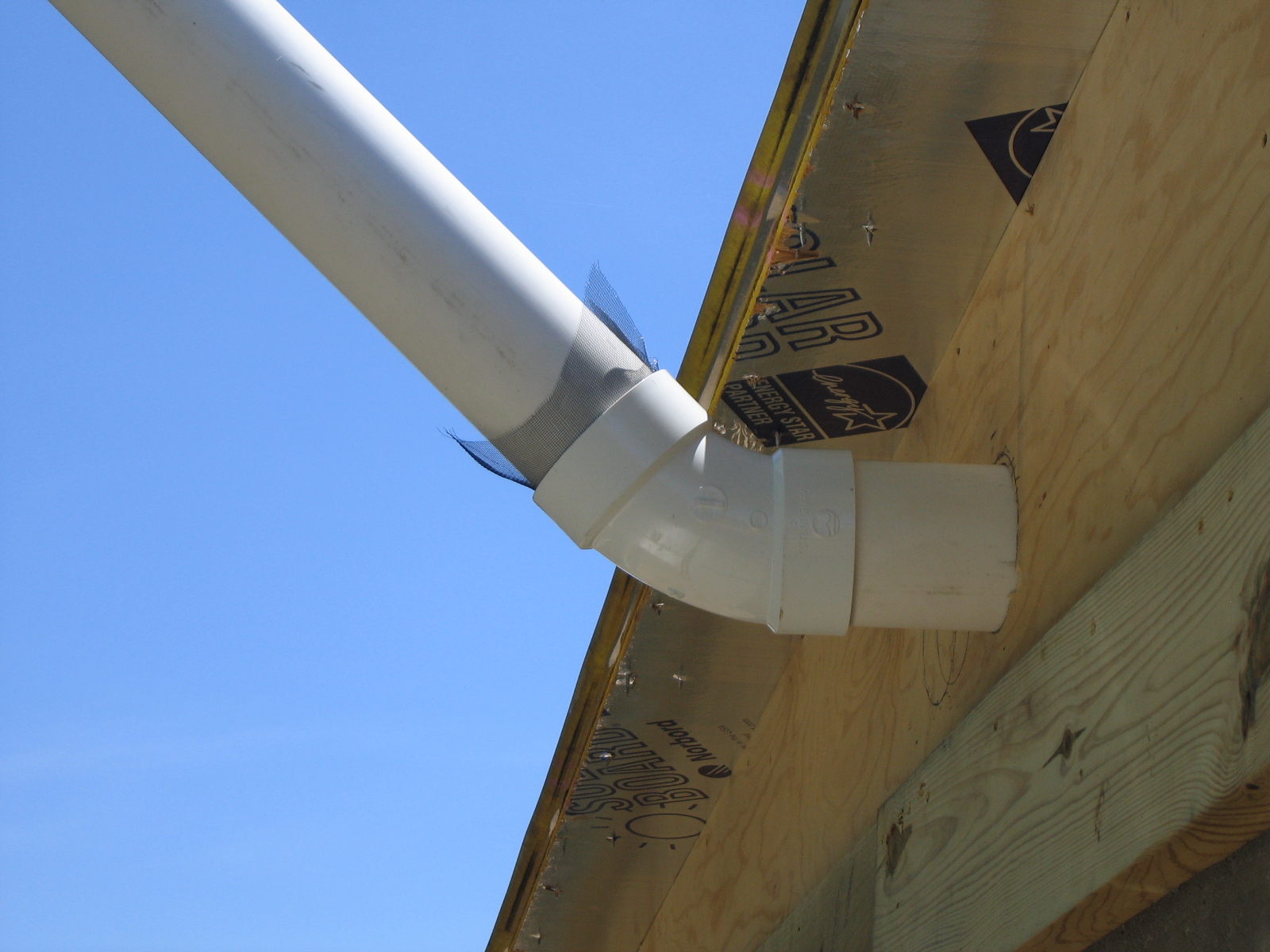
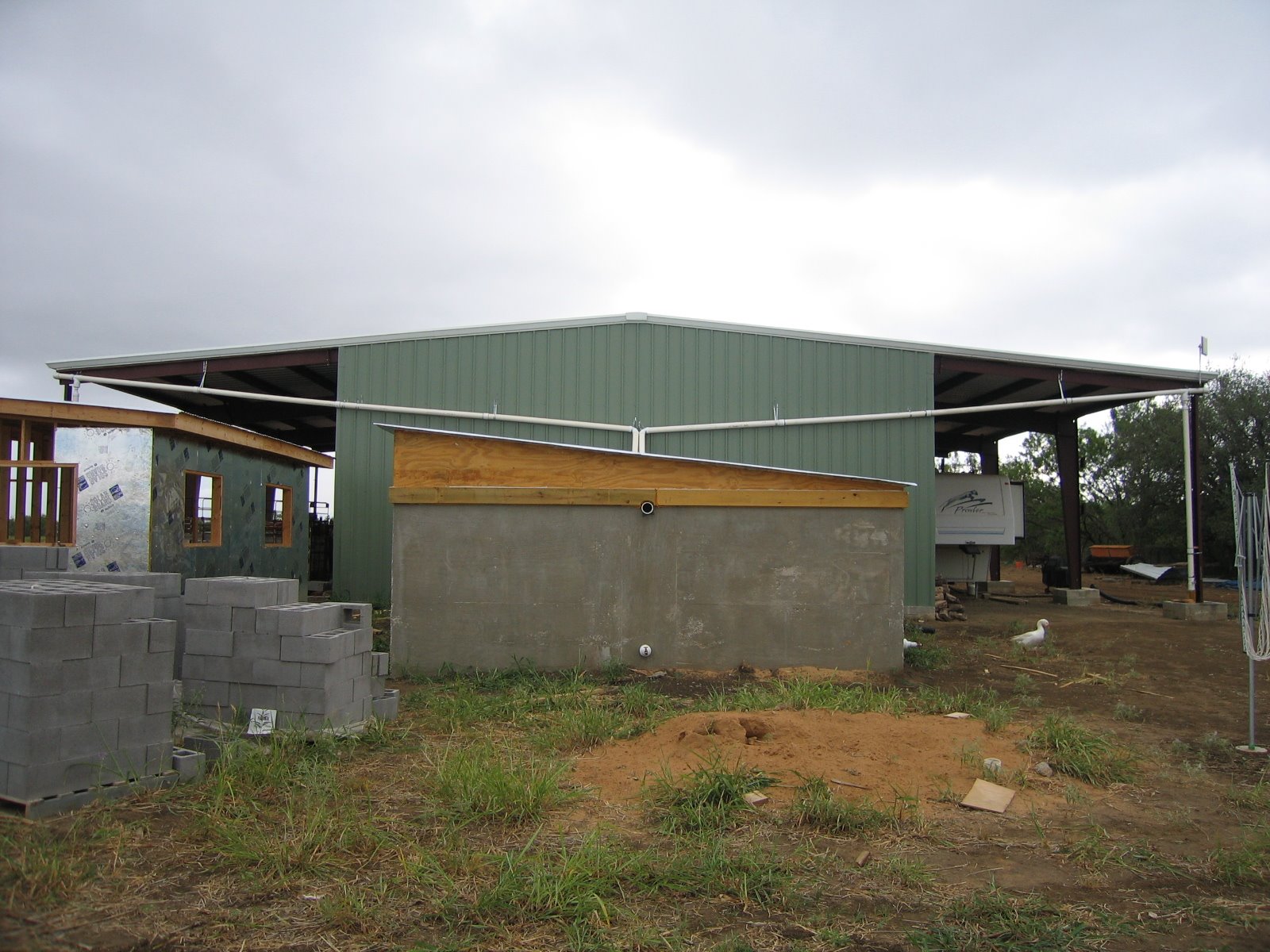
And now with one side of the cistern ready, it was time to install the piping directing the water from the roof into the cistern. Here is a general picture of that:

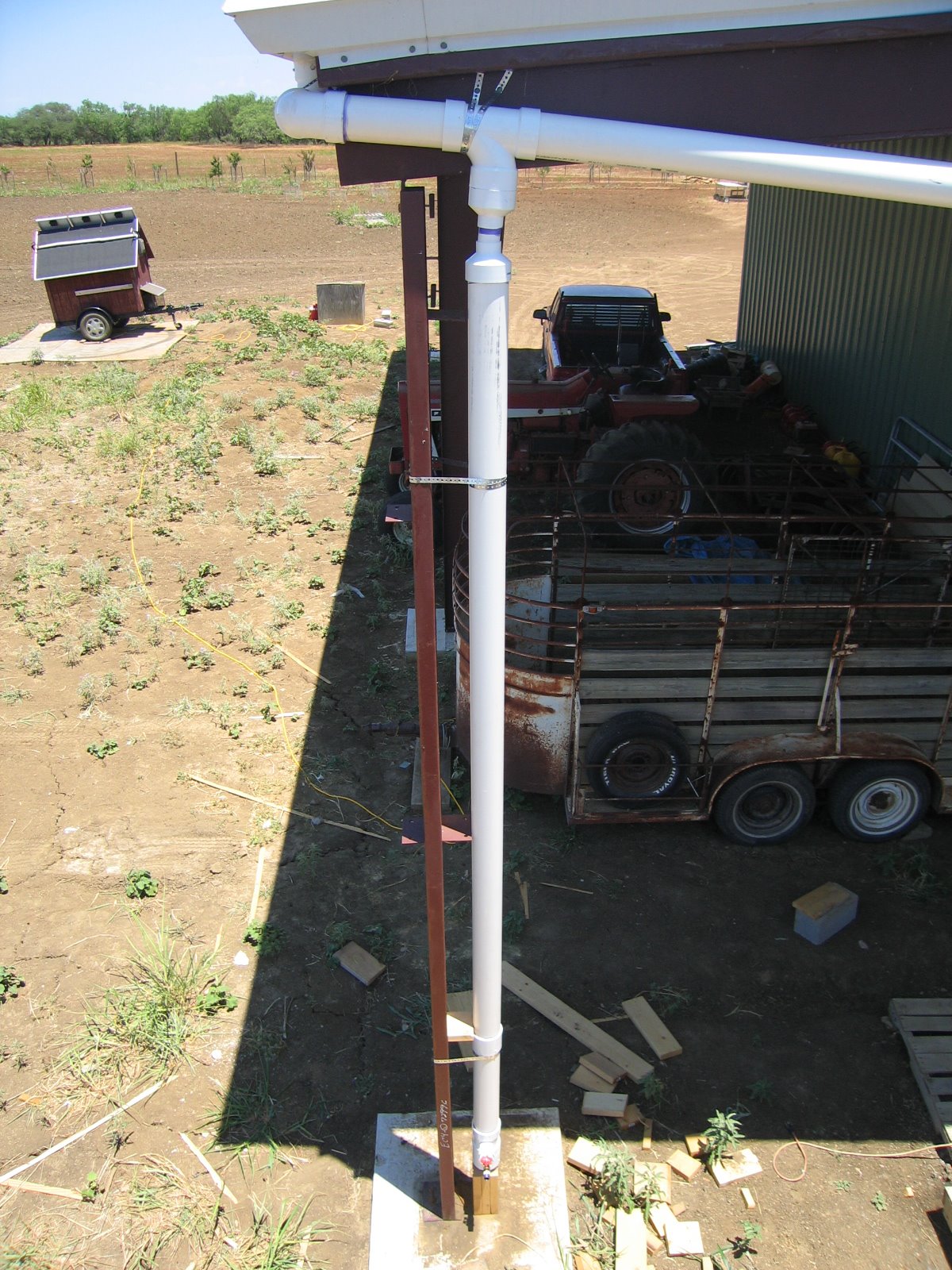
As before mentioned with our shed roof catch-water system, it is often good to install a roof washer, which filters the first several gallons of water coming off of the roof, which are likely to be dirty or have other organic material in them, so as little of that ends up in the water container:

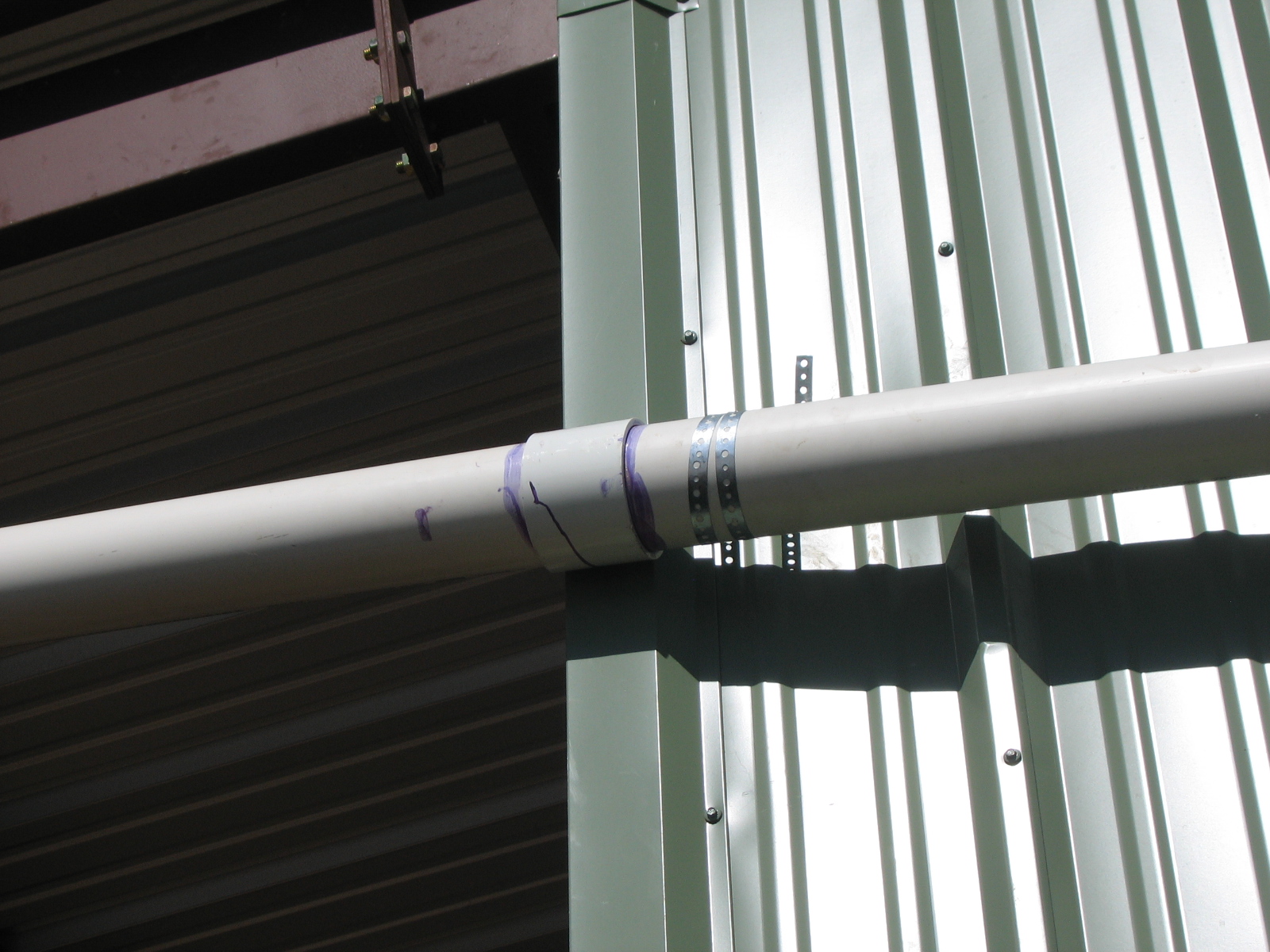
I used metal straps screwed into the purlins or girts (the internal horizontal and vertical steel beams) of the barn to support the piping, thusly attaching it to something more sound than just the barn siding:

Here is a final filter which catches any larger items the roof washer didn’t get. For this I use aluminum window screening:

And here once again are the Lord’s provisions:

Once the cistern was poured, the contractor came and coated the inside of the cistern’s walls and floor with a potable concrete sealer. He used BASF’s Thoroseal. He missed a few spots, and I have since had to go in a re-coat the walls in places with more of the Thoroseal; but it appears that the sealer works well, and the leaks are slowly disappearing, with none of which we are aware at this time.

I had held off piping in the other side of the barn because of these leaks, but in the past couple of days I’ve been able to completely finish the second side of the cistern’s covering and roof and was able to install the piping for the second side of the barn:


Once again, we are very grateful to God for allowing us this cistern and His water provisions, both spiritual and temporal. May we not be leaky containers, but by His mercies be able to hold His graces and blessings as new containers (Matt 9:17; John Gill’s commentary on this verse).

— David

The Answer, My Friend, Is Blowing in the Wind


Dave and I lived in a cottage behind our landlady’s house before we moved to Texas. We weren’t able to have a washer and dryer in the cottage so we had a standing laundry mat “date” every other week to get it all done at once. I very much liked the fact that you could get all of your laundry washed and dried in a matter of two hours once every other week!

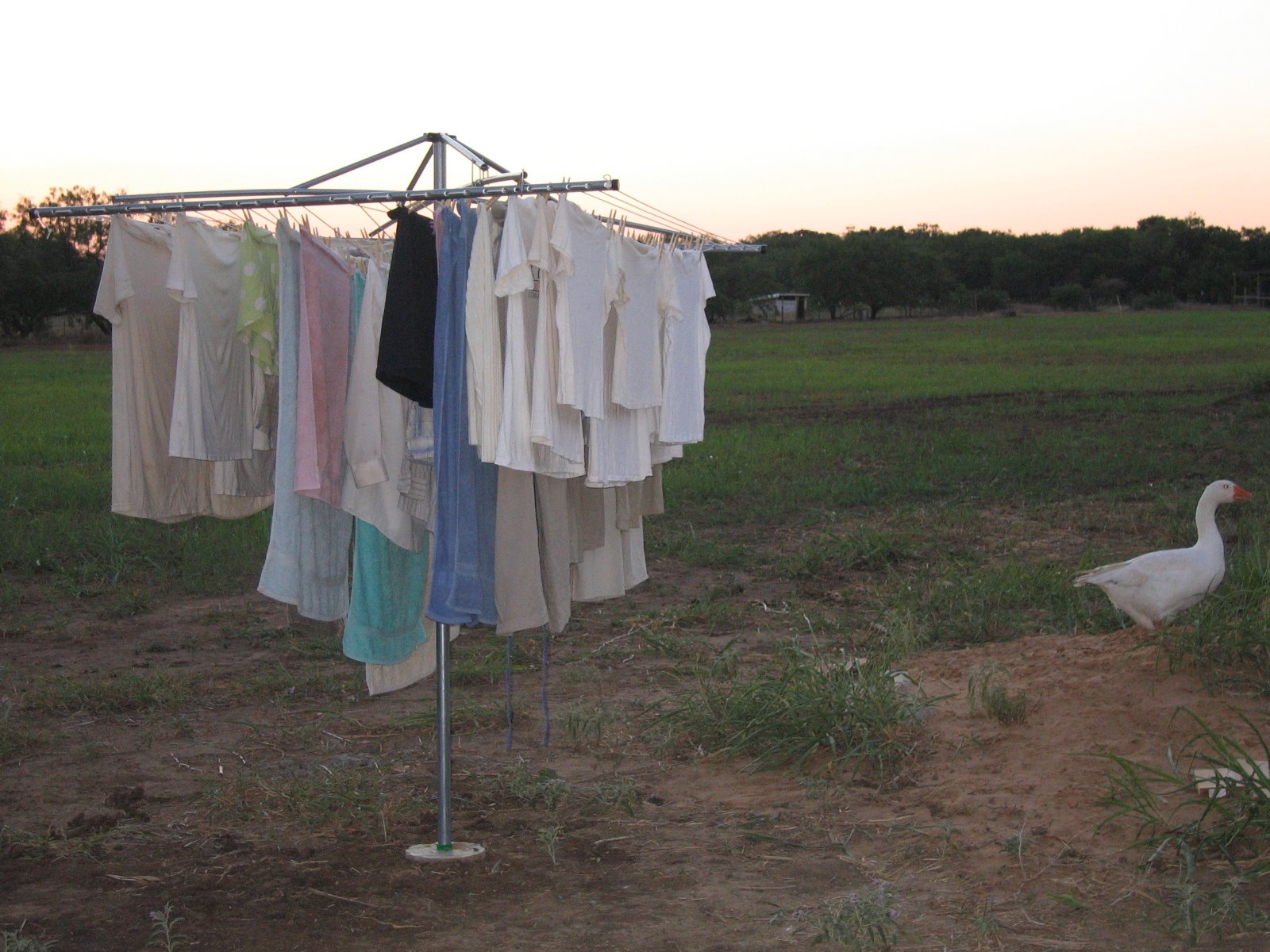
For many reasons, our ultimate goal here in Texas is for me to be able to hand wash and line dry all of our laundry. Setting up a homestead has been more demanding than we could have imagined and hand washing/drying the laundry has been pushed down on the list of priorities many times. It has been too easy to bring the bag of quarters into the laundry mat and take care of everything the automatic way. My mother-in-law had given me a wonderful outdoor clothes line before we moved, and it has been patiently waiting to be utilized. We were waiting to move onto our own land to set it up; but now that I didn’t have that excuse anymore (by about 10 months), we figured I could at least be drying most of our laundry. So Dave set up the line several weeks ago, and I am sorry I didn’t start it sooner! Thank you, Mom Sifford, for your gracious gift and foresight in knowing how critical this would be to our homestead life!!

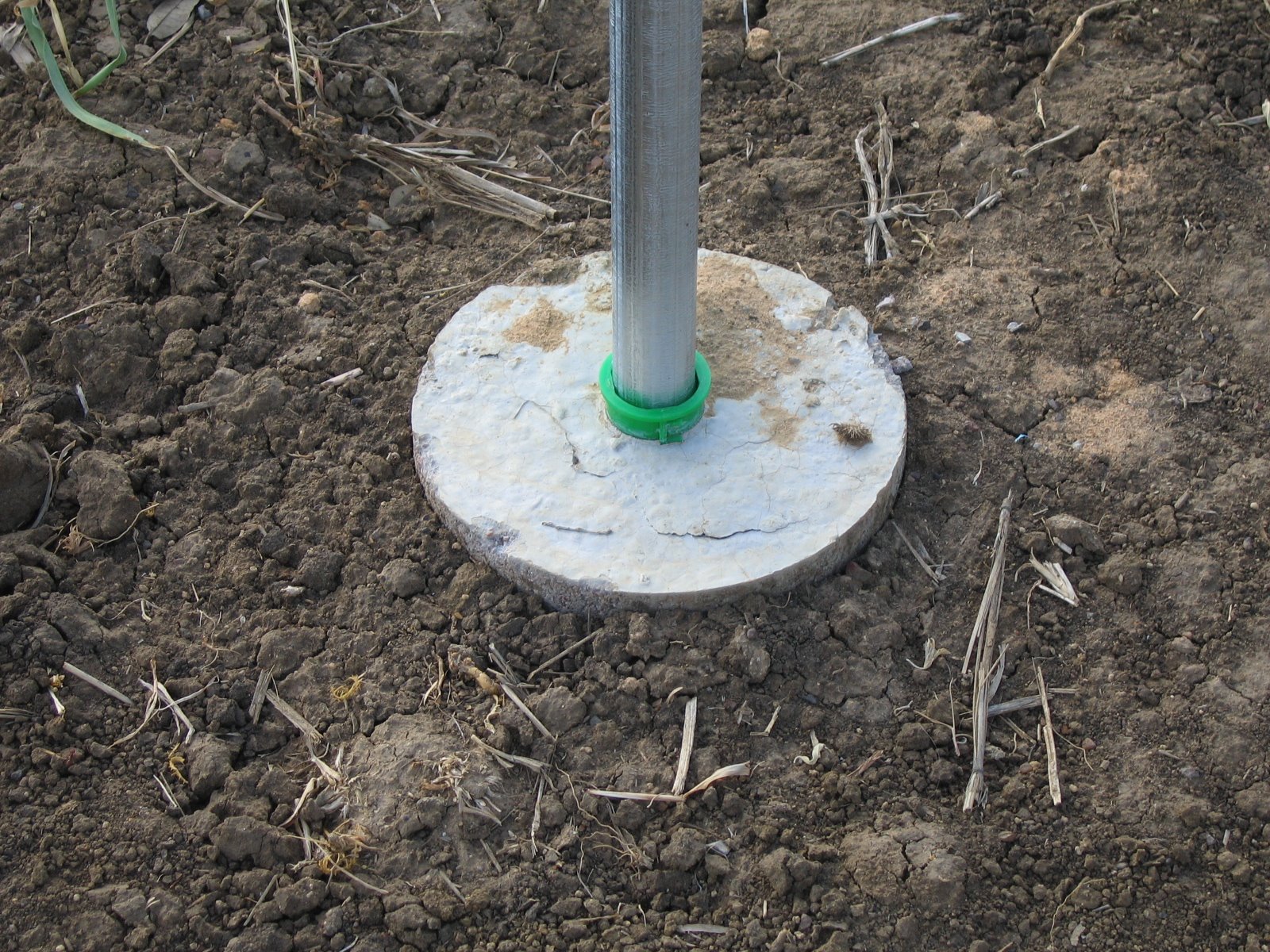
We are now very familiar with the variable and strong winds here in Texas, so we knew the base of the clothes line had to be extremely secure. Thusly, Dave made two round metal forms and poured concrete into them to create a two-level anchor base and dug a hole to place it in the ground so as to make it portable if we need to relocate it.

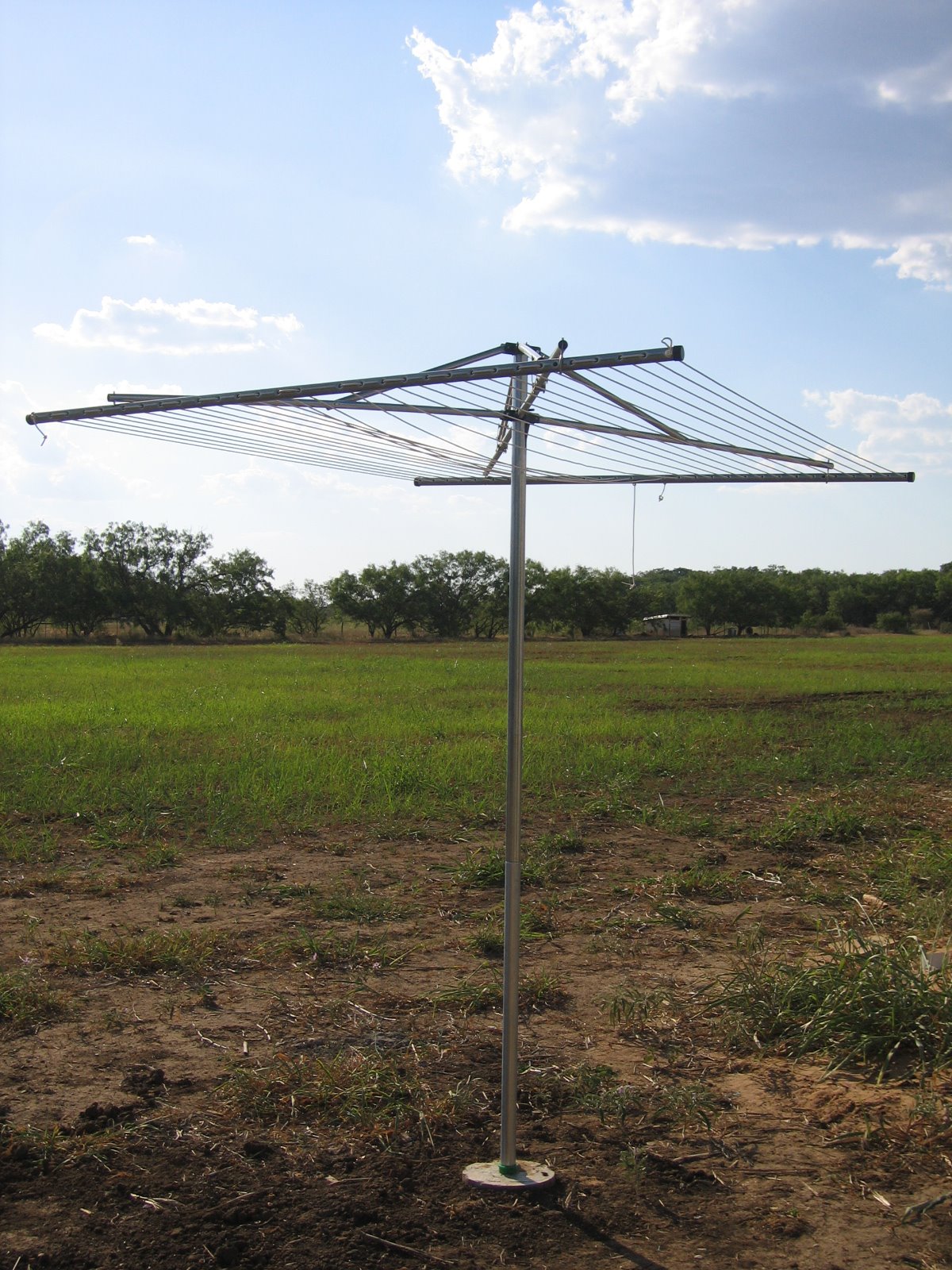
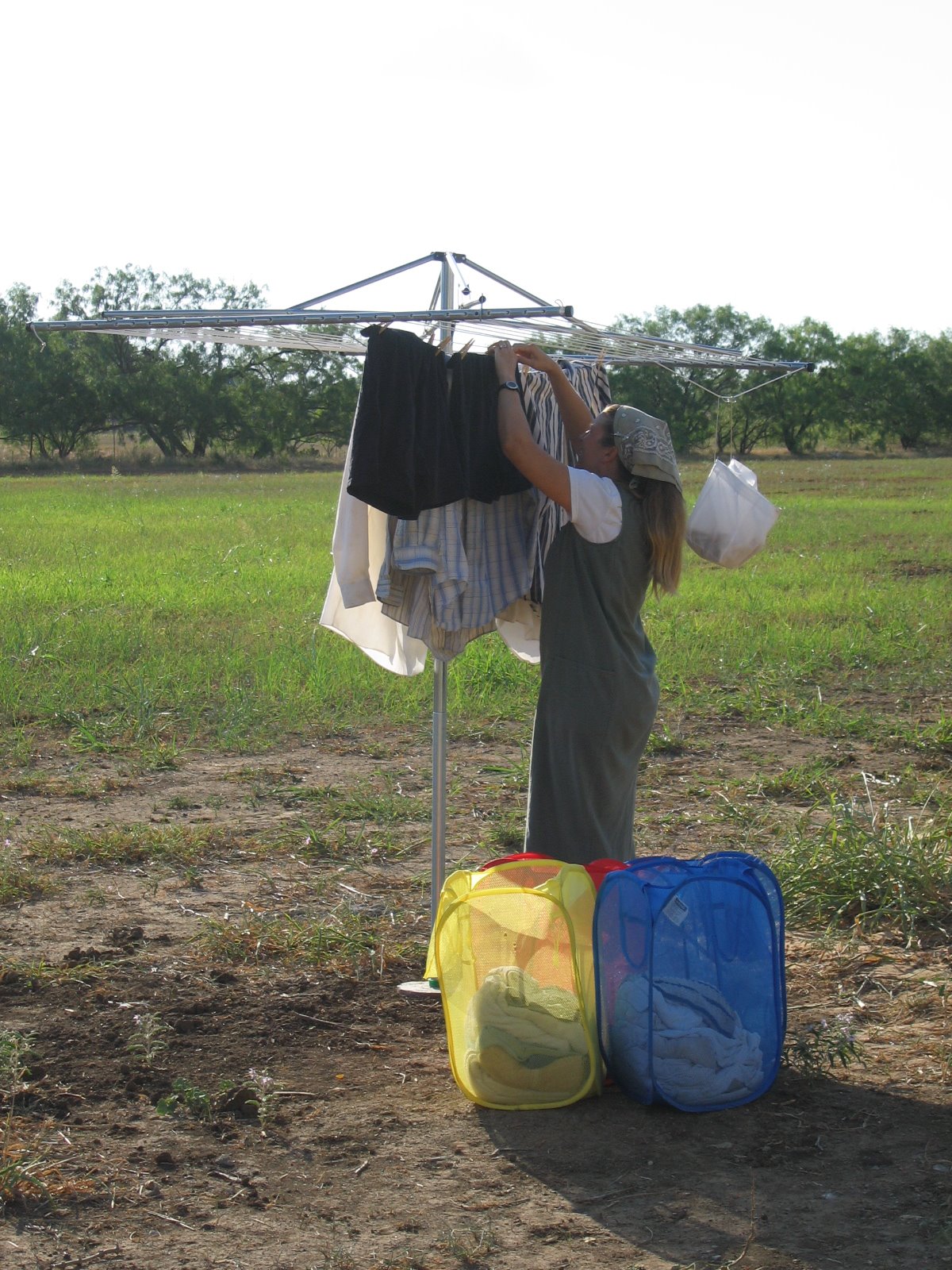
The clothes line opens up very nicely when I’m ready to use it:

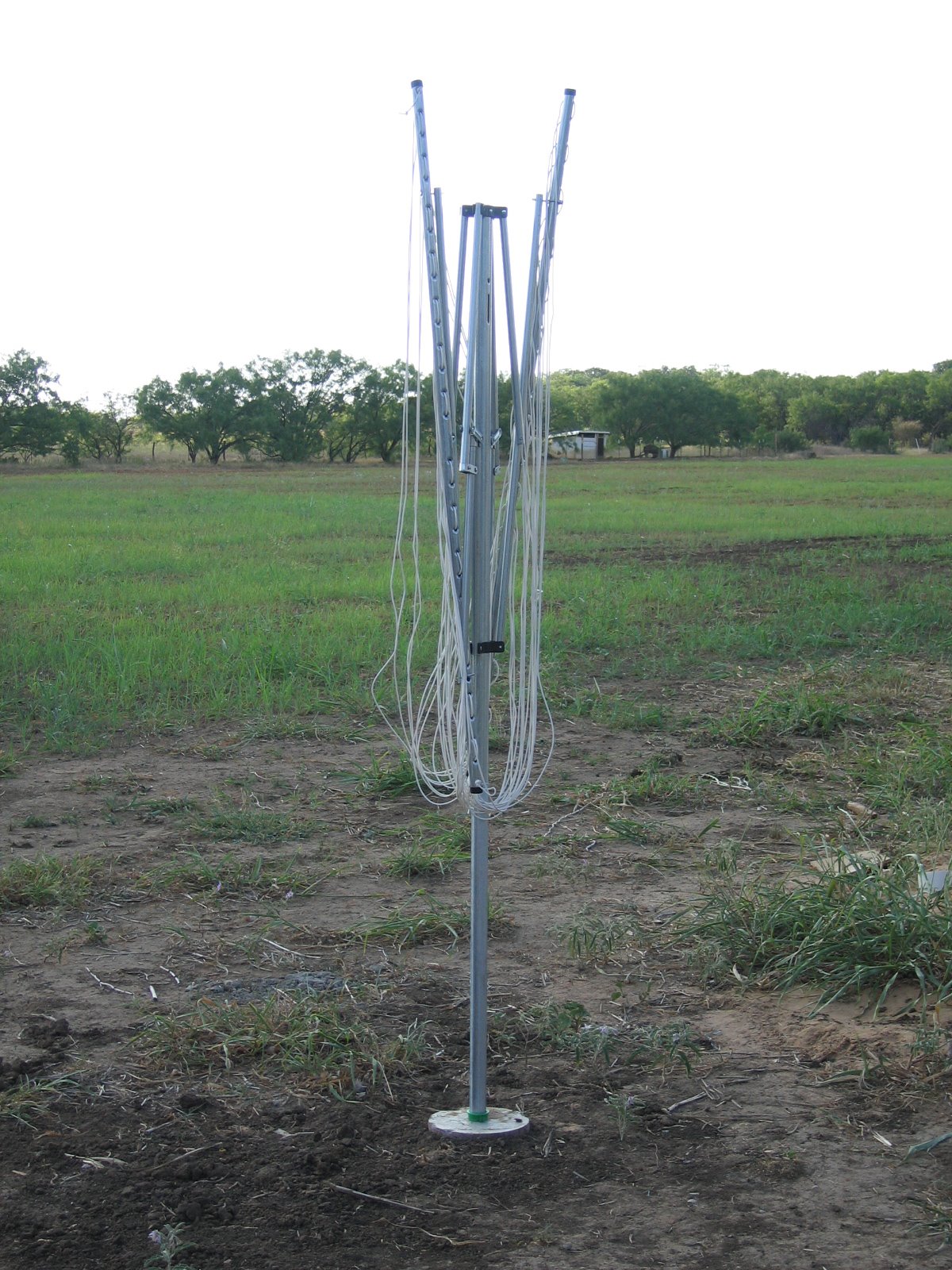
and then closes back up when I’m finished with it!

Surprisingly, I have really enjoyed the experience of being outside hanging the laundry surrounded by the peace on the land and fresh air, etc., rather than being in a hot, muggy laundry mat. I realize come winter that it may not be as enjoyable, but we didn’t choose this lifestyle for the sake of comfort and convenience: it was out of obedience to God and His Word, so there is joy and peace in any homesteading chore with that being the case.

I am currently researching wash tubs and wringers to start washing much of our laundry here on the land. Thanks again, Mom Sifford!

Susan

Providence’s Perpetuation Provisions

In trying to separate from dependence upon the world, we are hoping and praying that the Lord will perpetuate our animals here, so that we may have ongoing provisions, according to His will. These will be updates on any the Lord has graciously granted.

Chickens

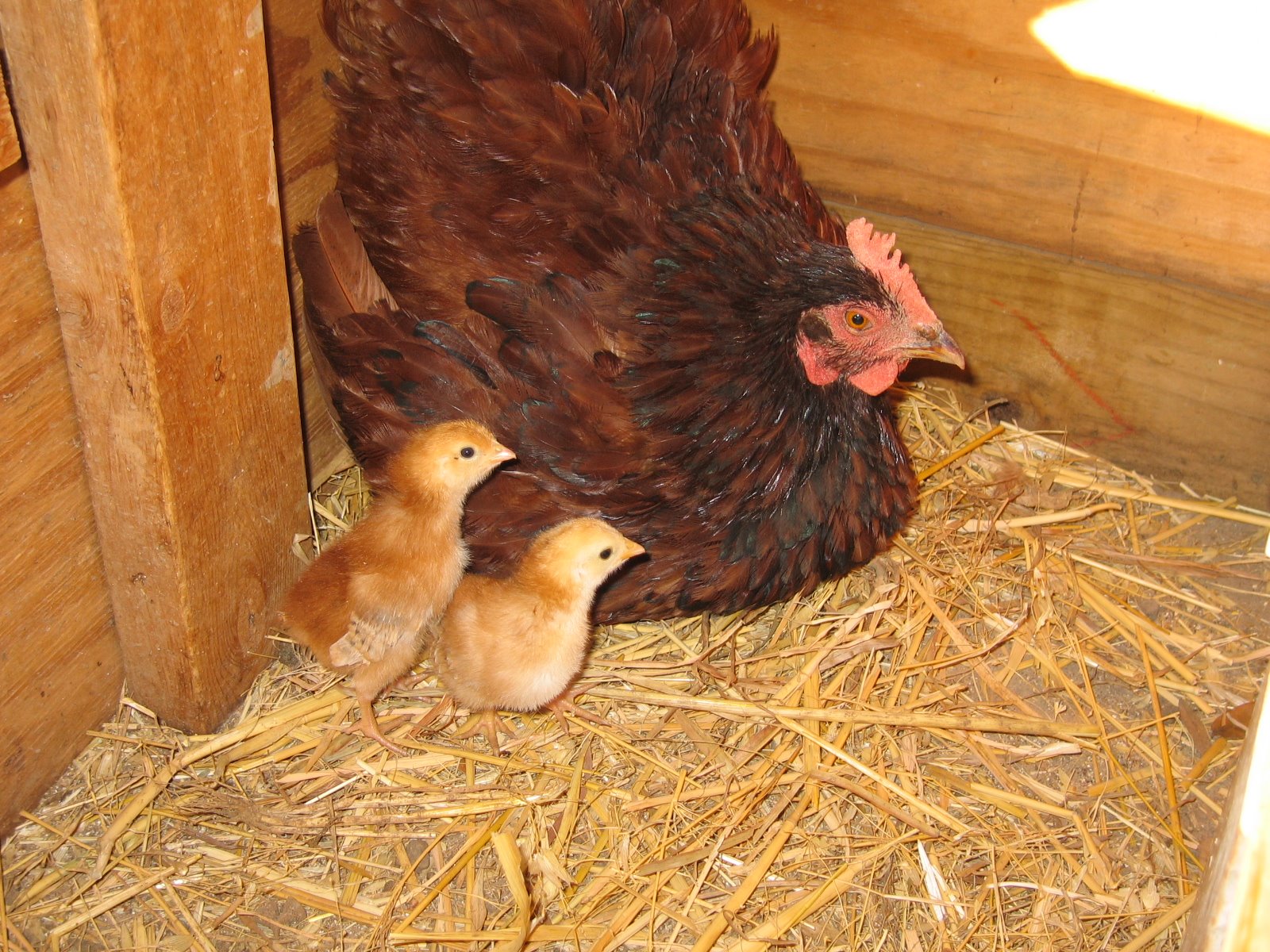
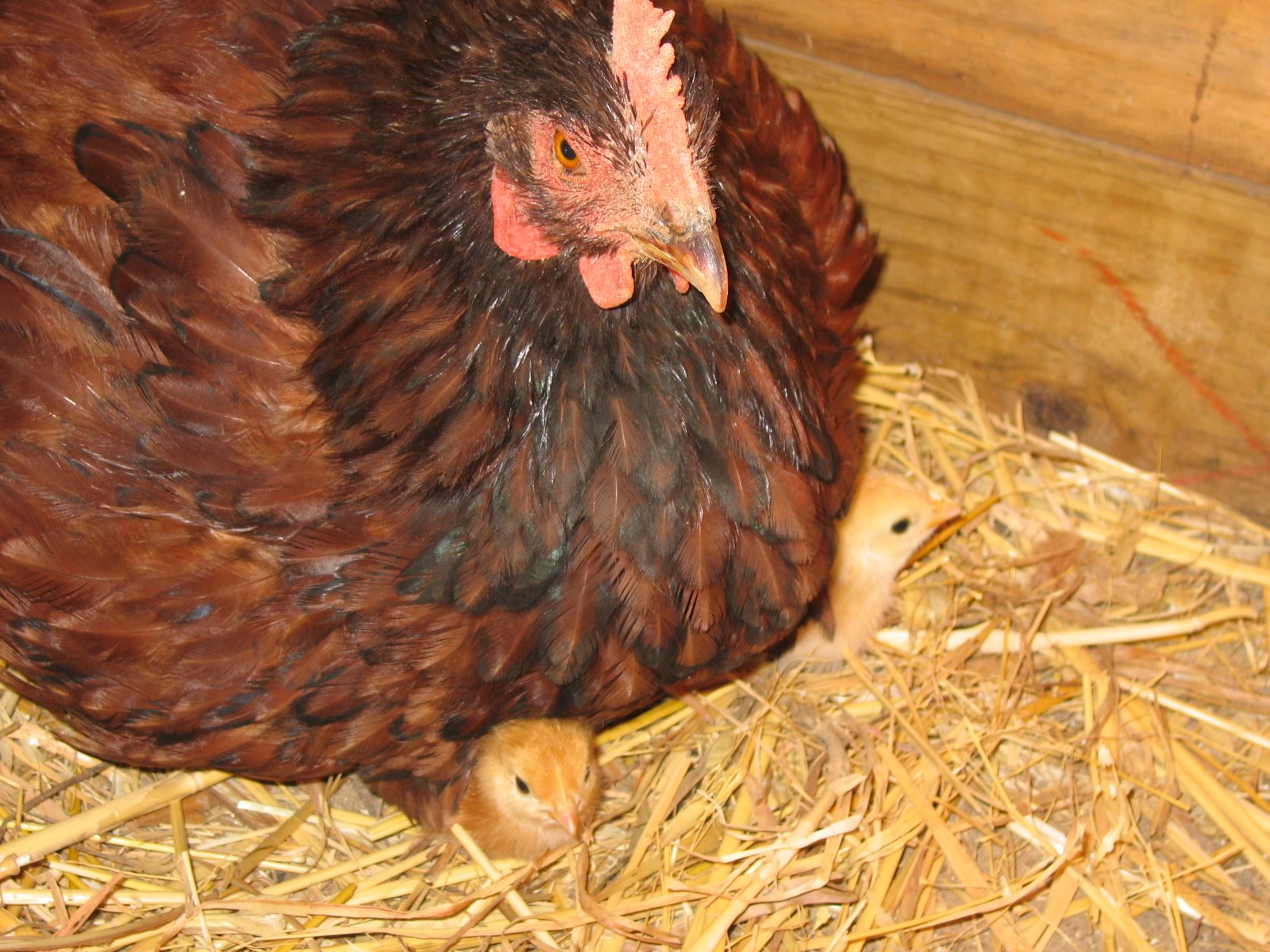
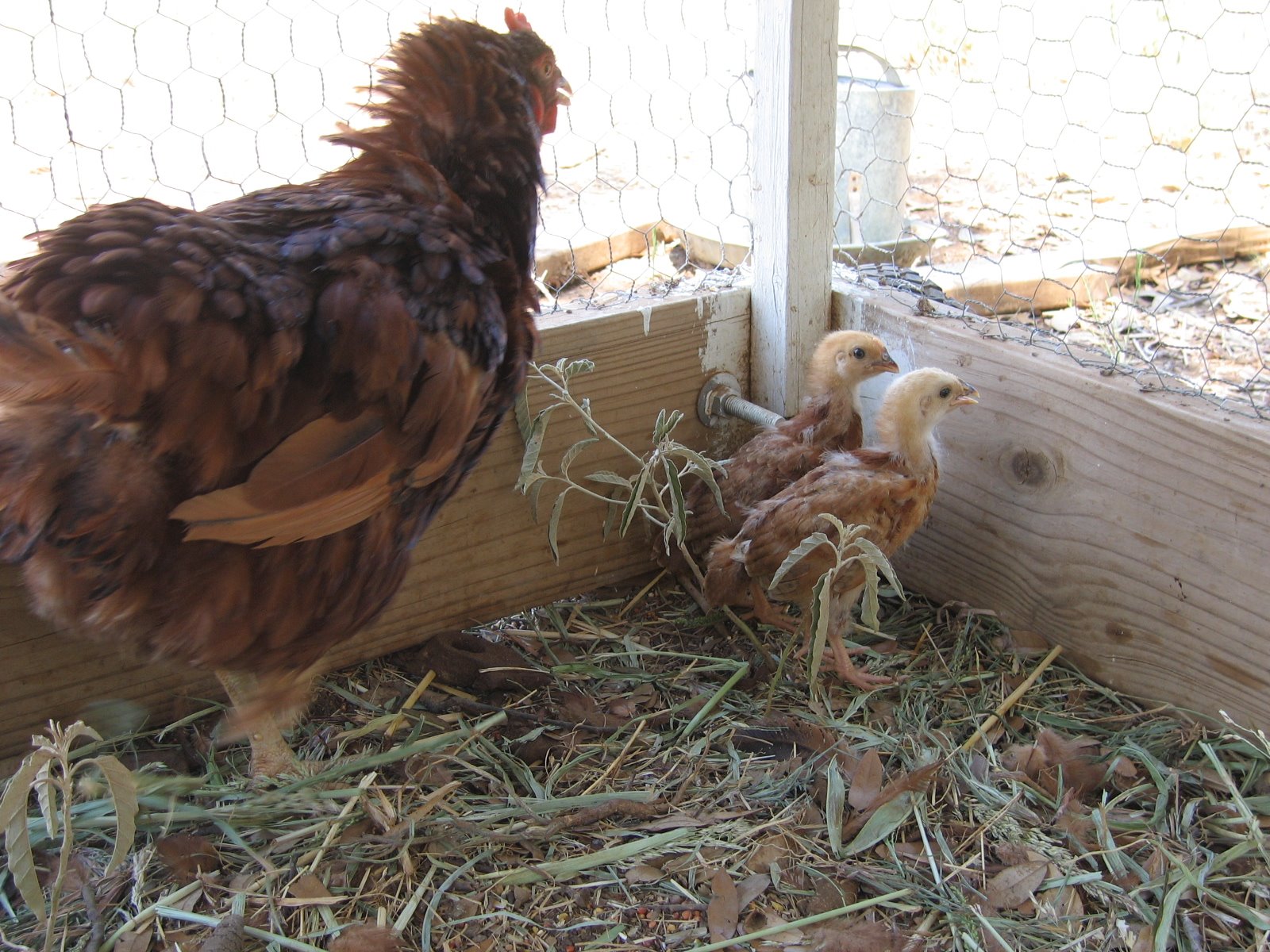
The same hen that has gone broody every year so far did again this year. A hatching cycle is 21 days, and you can almost set a clock by it. She sat through one cycle of our eggs with no chicks hatching. Last year she sat through another cycle of eggs that didn’t hatch before we borrowed eggs from the Bunkers to put under her for her third cycle (which worked last year). This year we didn’t wait, and the Bunkers graciously allowed us to have some more of their eggs to put under her in the second cycle. And sure enough, the Lord graciously brought forth 2 chicks!

Here they are still pretty new:

How’s that for a blanket!

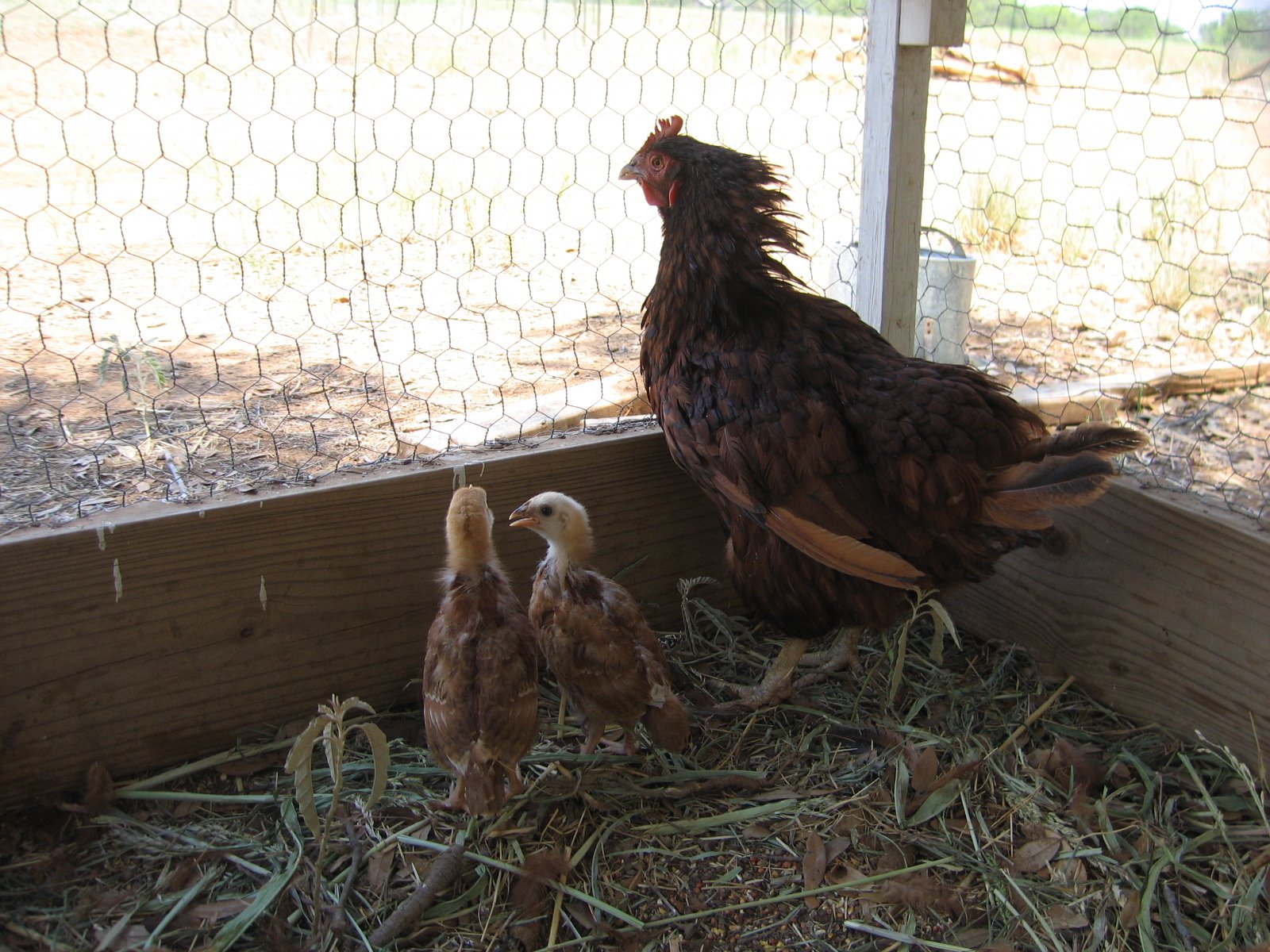
Here they are recently:

“Momma always says…”

“‘Life is like a bag of hen scratch. You never know what you’re gonna get.'”

Taxi, please!


Goats

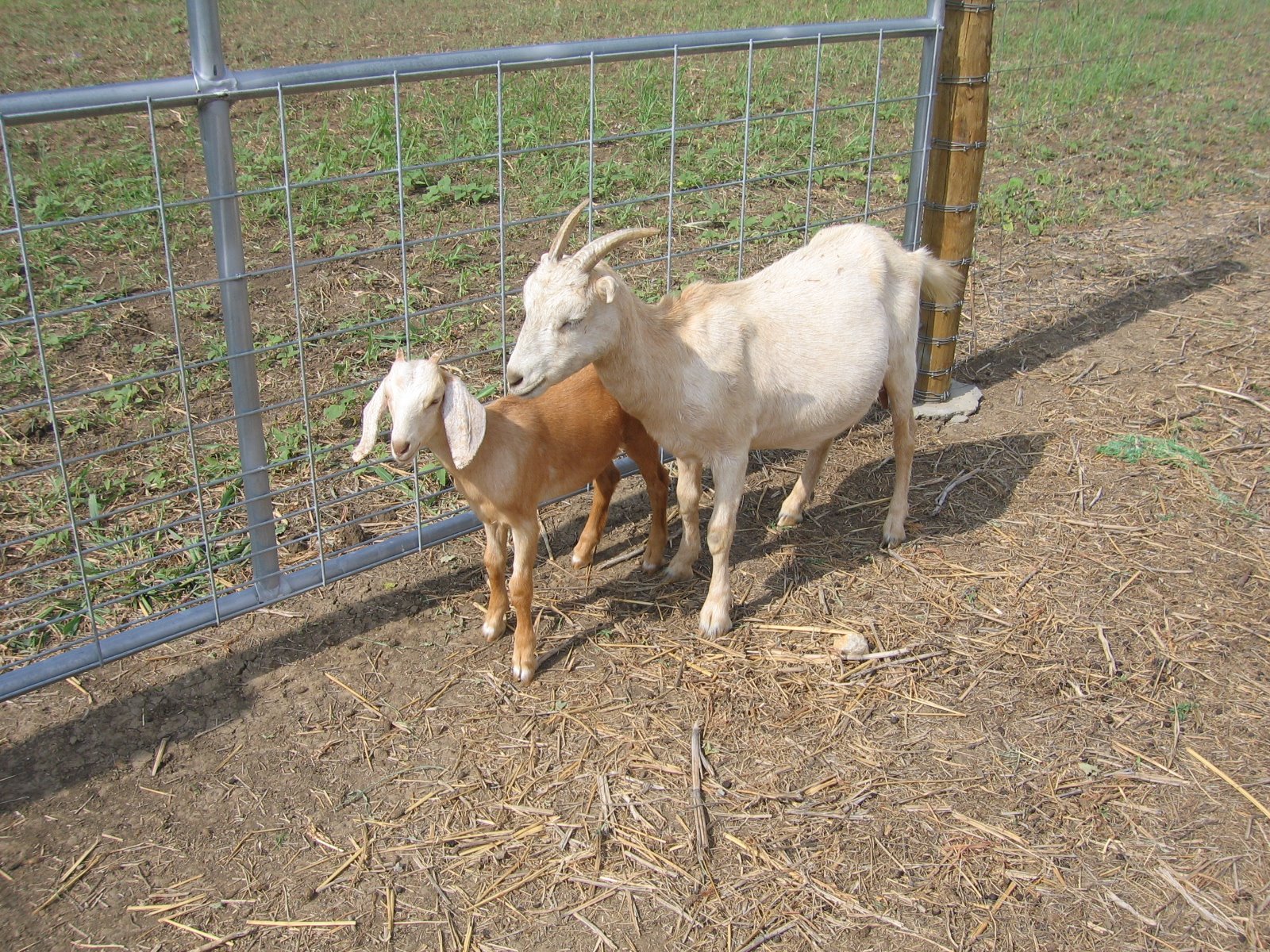
Here’s the latest of Winnie and Minnie:

Don’t let Minnie’s mature act here fool you in this up close and personal moment – she still likes to jump all over Sue’s back:


Pigs

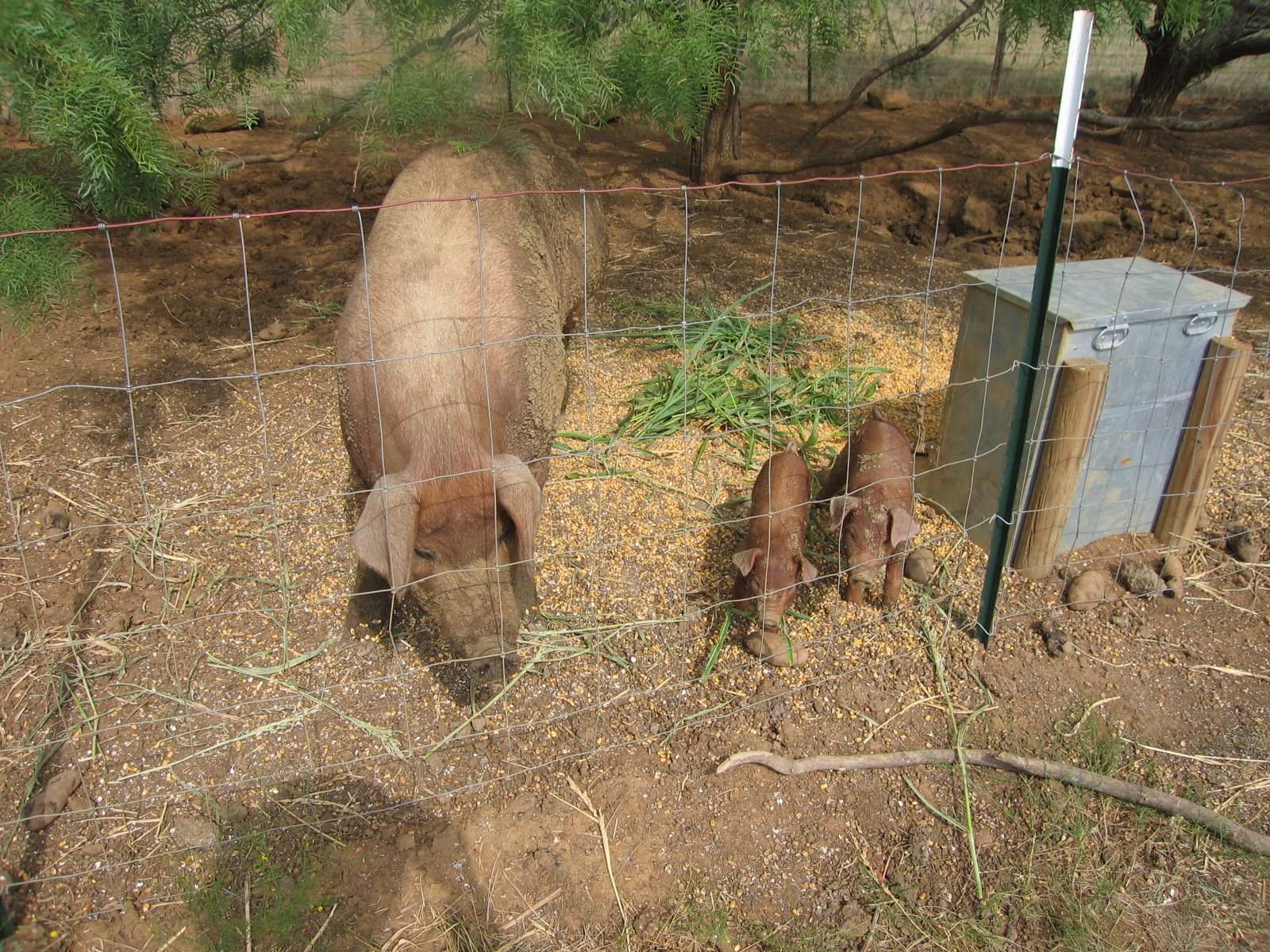
The Lord graciously granted our female pig to give birth to 5 piglets mid June. In His wisdom though, one was still born, and 2 more died within a week or two. However, again by God’s graces, we still have two healthy piglets running around, both which we believe are females.

Here they are lined up for a photo op:

And here’s up close and personal with the pigs, although I think a little too up close and personal for the sows liking. In the second part of the video though, I got smart and recorded from the outside of the pen:


Actually, I think she thought it was watering time. 🙂

Once again, we are grateful to the Lord for His provisions!

— David

David’s Digest: Tugging Out the Heartstrings

When I was young, our family would vacation in a cabin that was sort of in the woods but about one half to a mile inland off the coast in northern California. It was the closest to God’s creation we had been, coming from the big city; and we all liked it very much.

My brother and I had wrist rockets, which are glorified sling shots; and we would try to hit things with rocks. At the time, it seemed like a good idea to try to shoot at live things; and many times I tried.

Well, one day the rock I used hit its mark, and over the branch the little bird went. Success!! I told my dad, and he graciously went hacking through the shrubbery that was in the way of getting my prize, including through poison oak, to which he is susceptible. He was able to retrieve the bird, and he handed me my trophy.

There I held it in my tiny hands, it looking very small even there. I had hit it right upside the head in the eye. I looked at the little, lifeless bird, the life which I had taken of it, and was devastated. I felt so badly for what I had done; and I did the only thing I knew to do, and that was dig a little, round grave; bury it; border it with small rocks; and make and place a cross at the top.

Now, as a child of Adam, born with a desperately wicked heart (Jer 17:9), soon after in life that kind of sentiment didn’t last long, and I was then shooting at live things again for “fun” (but that’s a whole different area of discussion). Obviously though, this moment with the little bird left something of a lasting impression, because I still remember it pretty clearly today, and that was probably 30-35 years ago.

We had pets as we grew up in life, and I always at least felt some sort of very sentimental attachment to them. However, it wasn’t until we moved out here into the country surrounded by animals, domestic and wild, that I didn’t get to have revealed to me an area of sin in my life in relation to them.

When you’re around lots of creation all of the time, like we are out here, you eventually face the inevitable about all living things: death. I have discovered that I don’t like death; I like life. I like to watch all of the living, crawling things do what they were created to do. I like watching their behaviors so I can learn about God and His ways. Life in this temporal time reminds me of the eternal life found only in Christ Jesus. And in what we have learned over the past several years, death reminds me of sin (as it should). But often a “like” for something can turn inordinate; and when it becomes that, it has turned into idolatry; and if I’m doing that, I have then become an idolater, and thusly a person whom as Christians we should patently know God is against.

When we moved here, we brought with us our two pet rabbits and two pet fish. Since, they have all died; but the first rabbit did so very suddenly. I “took it very hard”, which means I was way overly emotional about it. Also, I relayed in my last “Digest” my reaction to when Russell our rooster was killed. I believe some of my reaction was based on my over-affections for him. God though, in His graces and mercies, through these episodes and teachings, had begun to show me there was a definite problem with this perspective towards His creation; and He placed on my heart that I needed to start to view these things differently, and that I needed to begin to ask Him to help me have a proper perspective toward these things. And so, I did.

Over time now, I am thankful that God has graciously started to change my heart condition and my perspective in these areas. When we lost our last pet rabbit, the effect on me wasn’t nearly what it was before (although I probably should have put her down some time before she died, but that goes to show I still need more work). Also, we have been around the death of our chickens, chicks, piglets, a goat, etc., which has allowed me to practice keeping a proper perspective.

Further, we have been around the butchering of animals here, including chickens, a pig and a goat. At first, it was a little difficult to watch, but with a graciously granted change in perspective, I began to understand the reasons for this and that this is really God’s provisioning to us. Also, in analyzing all of this, I think I have a tendency to project myself onto the animal; and since I wouldn’t want to have my head chopped off or feel that pain, I didn’t want its head to be or it to feel pain. But in reality, that’s how we eat; and we try to kill the animal as quickly as possible. Interestingly too to me, once you get past the skinning and butchering process, you are left with what looks like the packaged item you would buy in the store, and it then seems a little more “normal.” We have all been sheltered from the difficulties in preparing our own food, which probably has fed society’s untempered love affair with animals.

In another way, God has continued to help change this area for me with what might be called the “critters” on the land that run around and kill our animals or eat our food. I have found that once the cute, little, fuzzy rabbit who was running around your land last year starts eating your vegetable garden this year, it’s not so cute anymore; and so, without remorse, I have sent several of them to the compost pile. I have learned that God has placed these things on earth for man. They are for our use (not abuse) and for us to have dominion over (Gen 1:28), and actually keeping this in mind has helped me when having to kill these animals.

I still have emotions when it comes to God’s creatures around us: I will be sad the day Gary is gone; many of the animals have personalities, which make them more endearing; there seems to be a trust that can develop that comes from an animal after caring for it over time, and butchering it almost seems like having to break that trust; I do feel badly after shooting animals because it still is difficult to take the life out of a living creature, one to which God had given life; I try not to step on ants inadvertently if they’re not doing something destructive; and other similar things; and these may still not be fully the way I should perceive them; but I do pray the Lord continue to move me to repentance from the way I idolized His creation into maintaining a proper view on it and practicing a proper life within its realms according to His order in it.

For more on God’s order for the world and especially His people, listen to these:

Order, Part 1
Order, Part 2
Order, Part 3
Order, Part 4
Order, Part 5

— David
 

Garden 2008

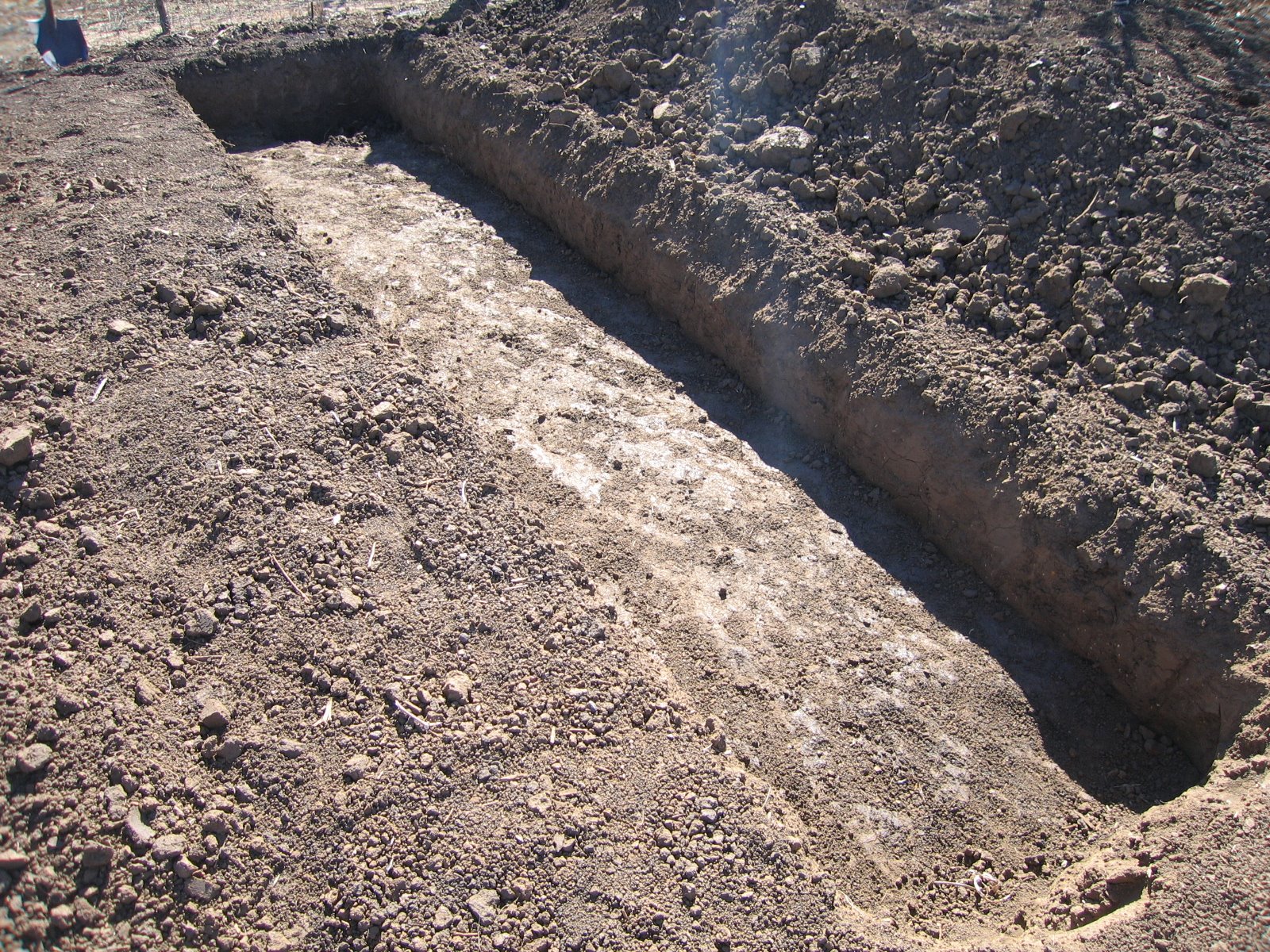
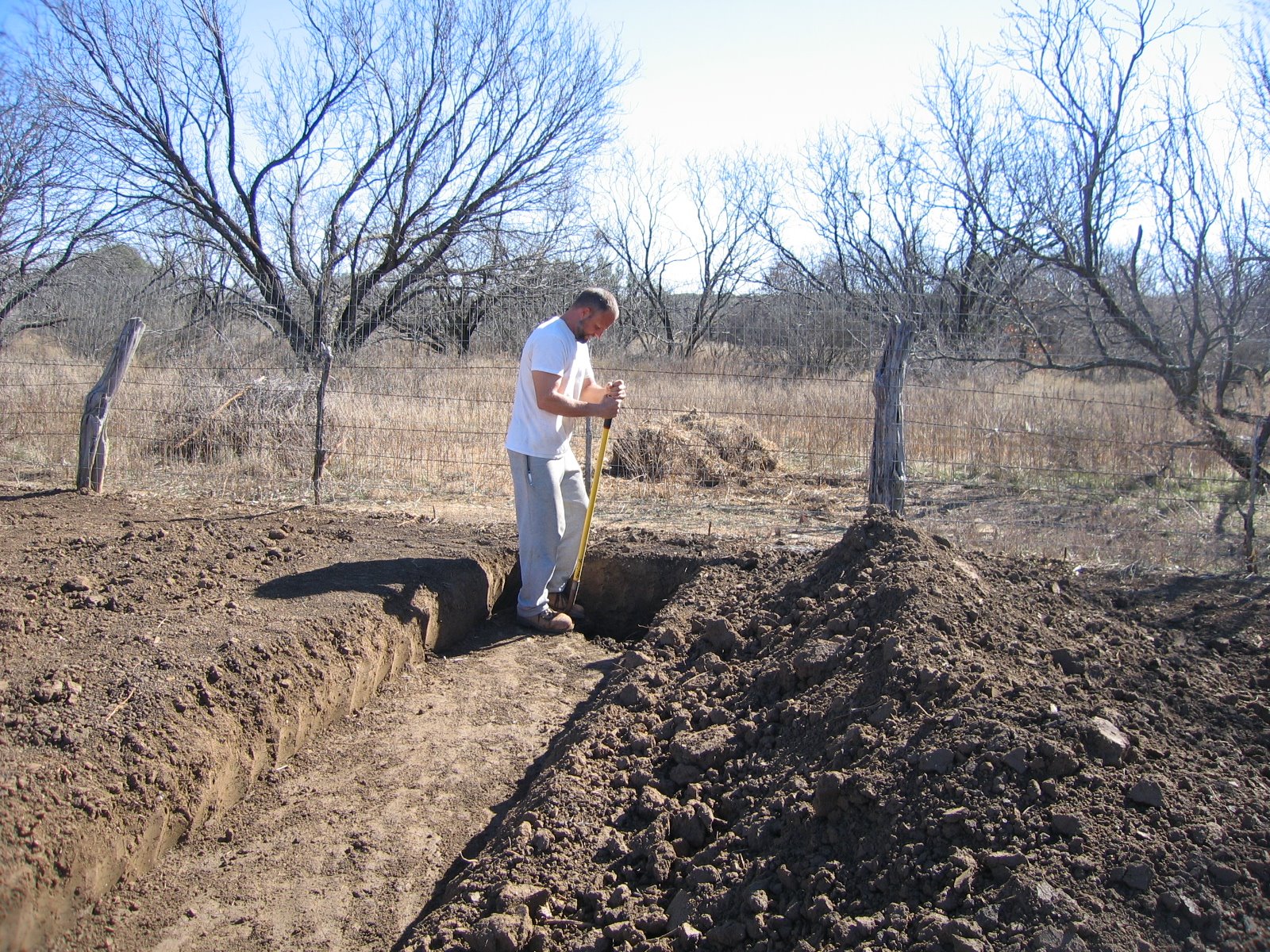
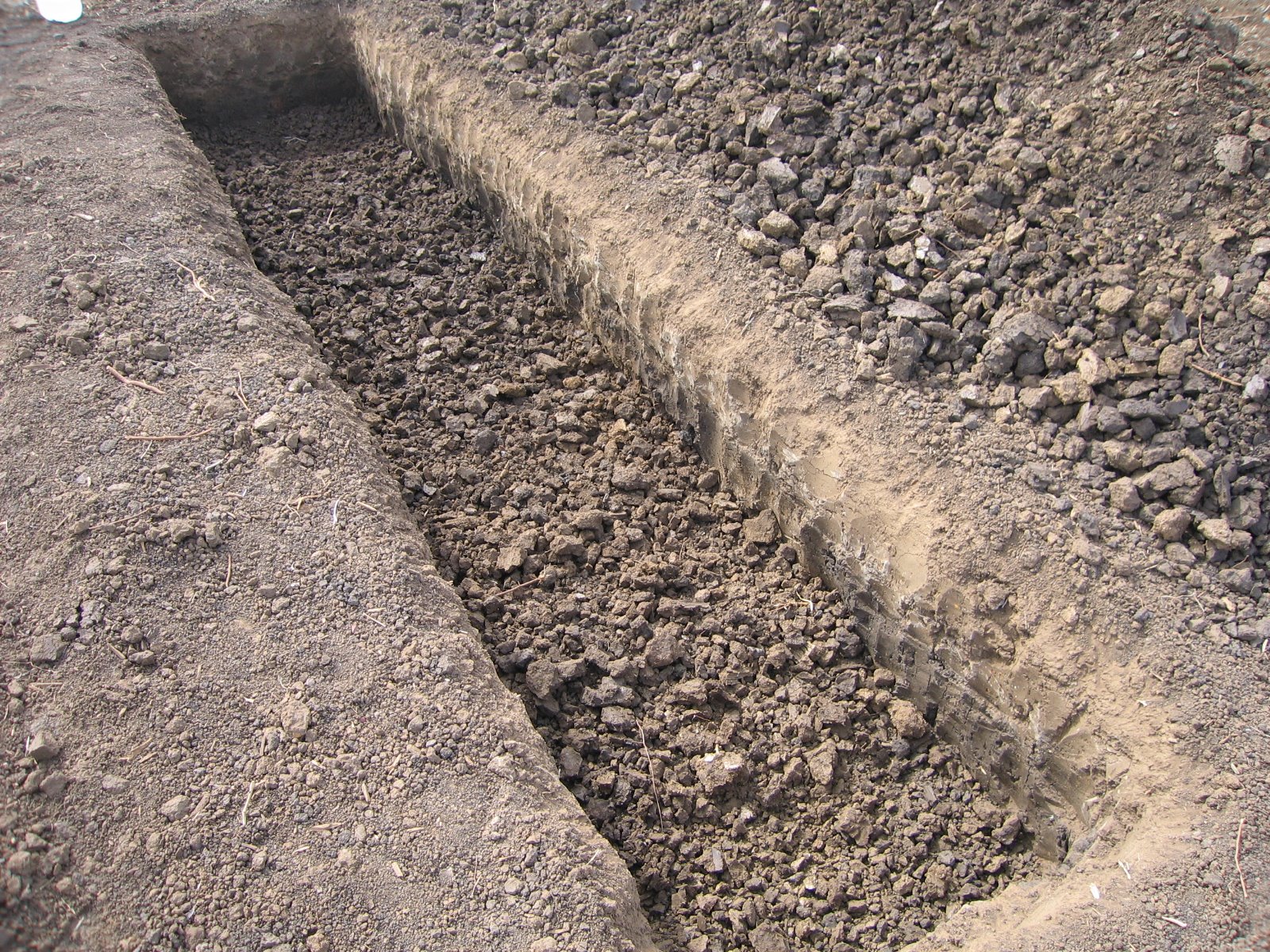
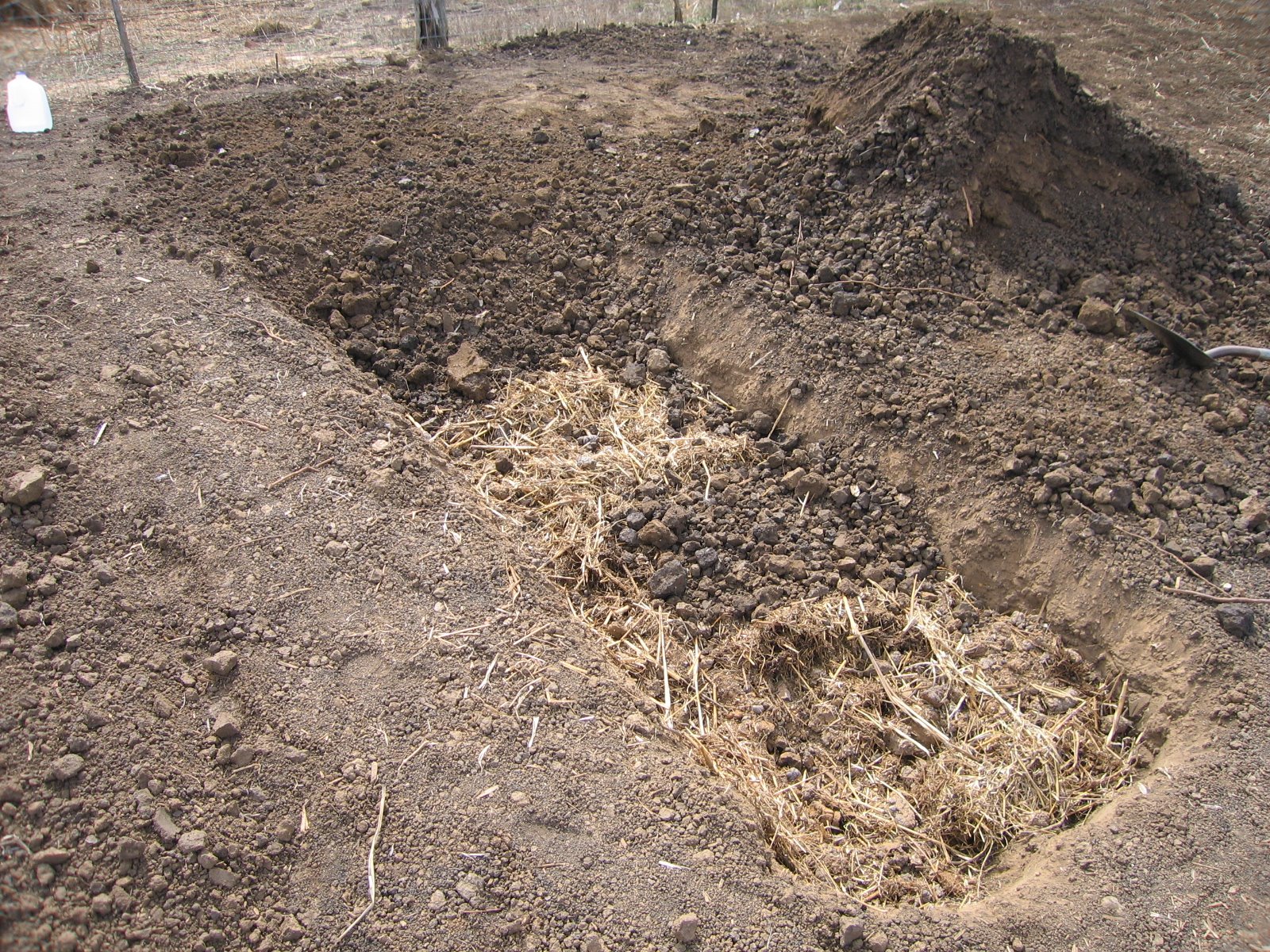
After last year’s rain, we looked forward in great anticipation to this year’s garden. Plus, after 2 years of planting in rows, we were going to try a different and hopefully improved way of gardening, that being double dug beds. The term “double dug” essentially comes from digging down 2 shovel lengths so as to loosen the soil. This, plus adding compost, supposedly makes it a much better seed bed for growing. Here are some pictures of that process:

Don’t let the smiling face fool you, it’s actually some pretty hard work: 😉

Here’s after both layers are dug, with the bottom layer refilled:

And here is a picture of the “compost” layer with the top layer partially done (our compost pile right now is a definite work in progress):

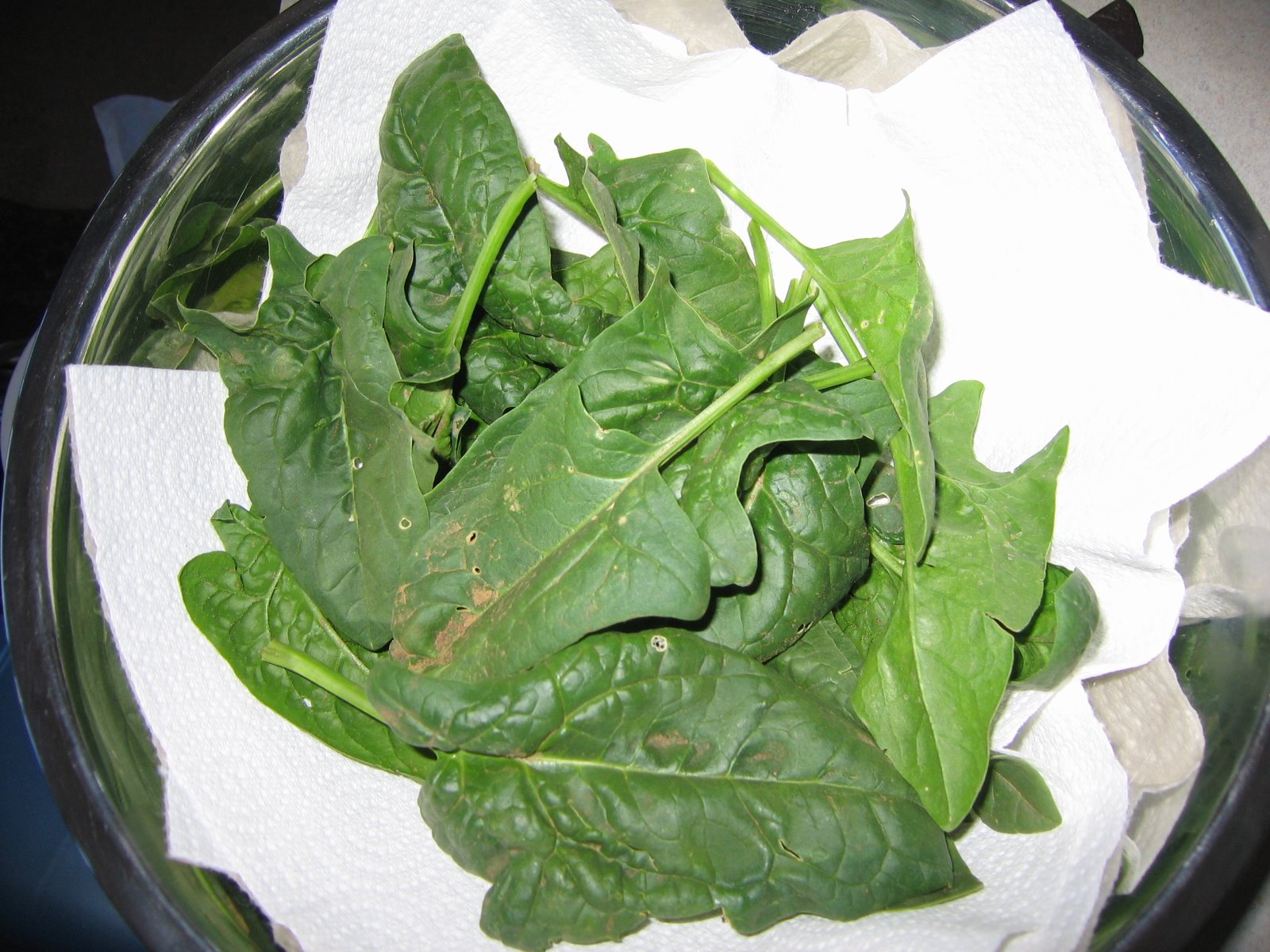
Here are our first graciously granted provisions of the garden from the before-Spring plantings:

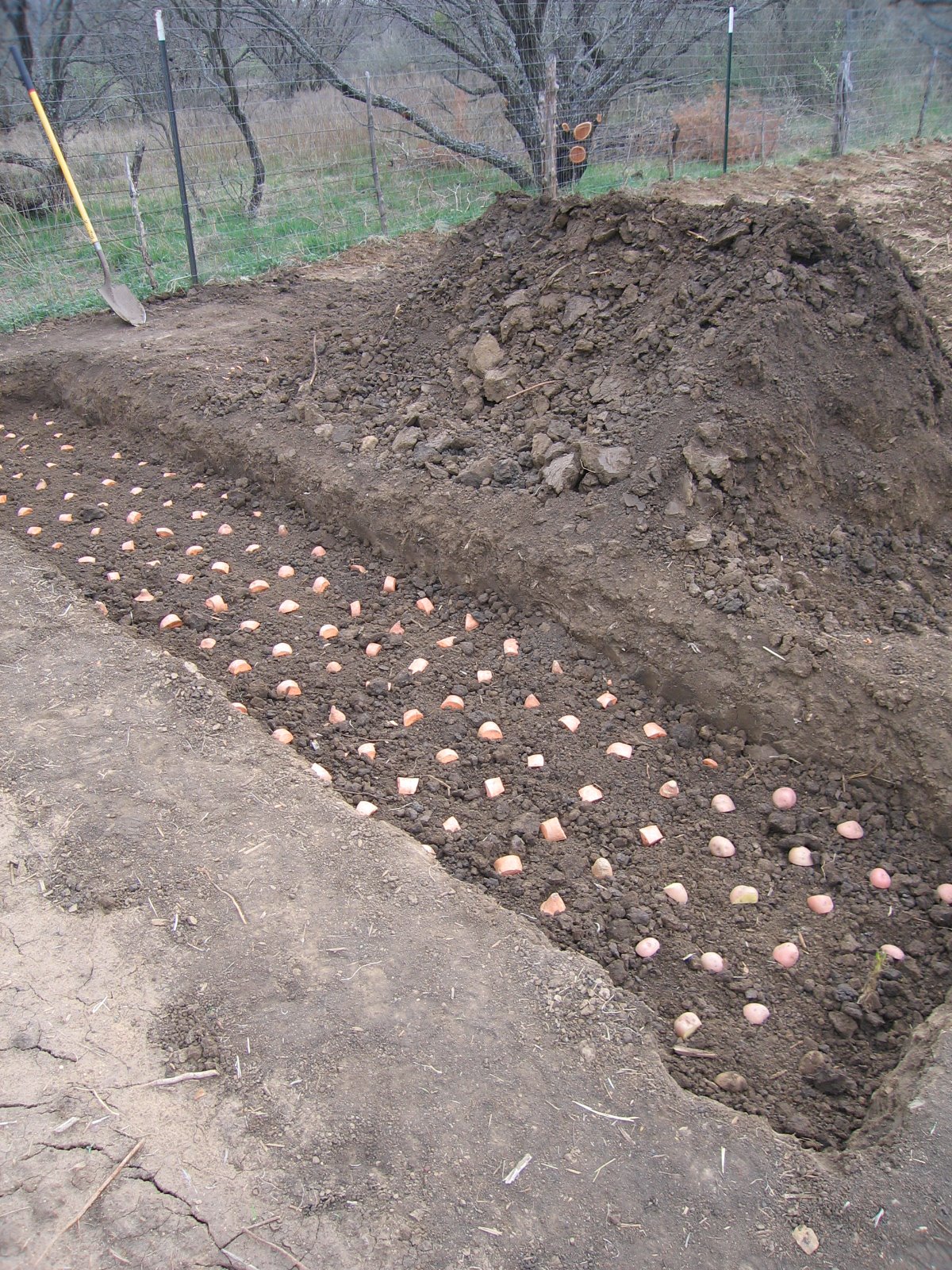
Here are some potato “seeds.” For a typical potato, apparently you can slice off a portion of it, especially a section with an “eye”, plant it sliced-side down, and it will grow. Here is that process on top of the double dug bed’s first and compost layers, with a little dirt on top of that:

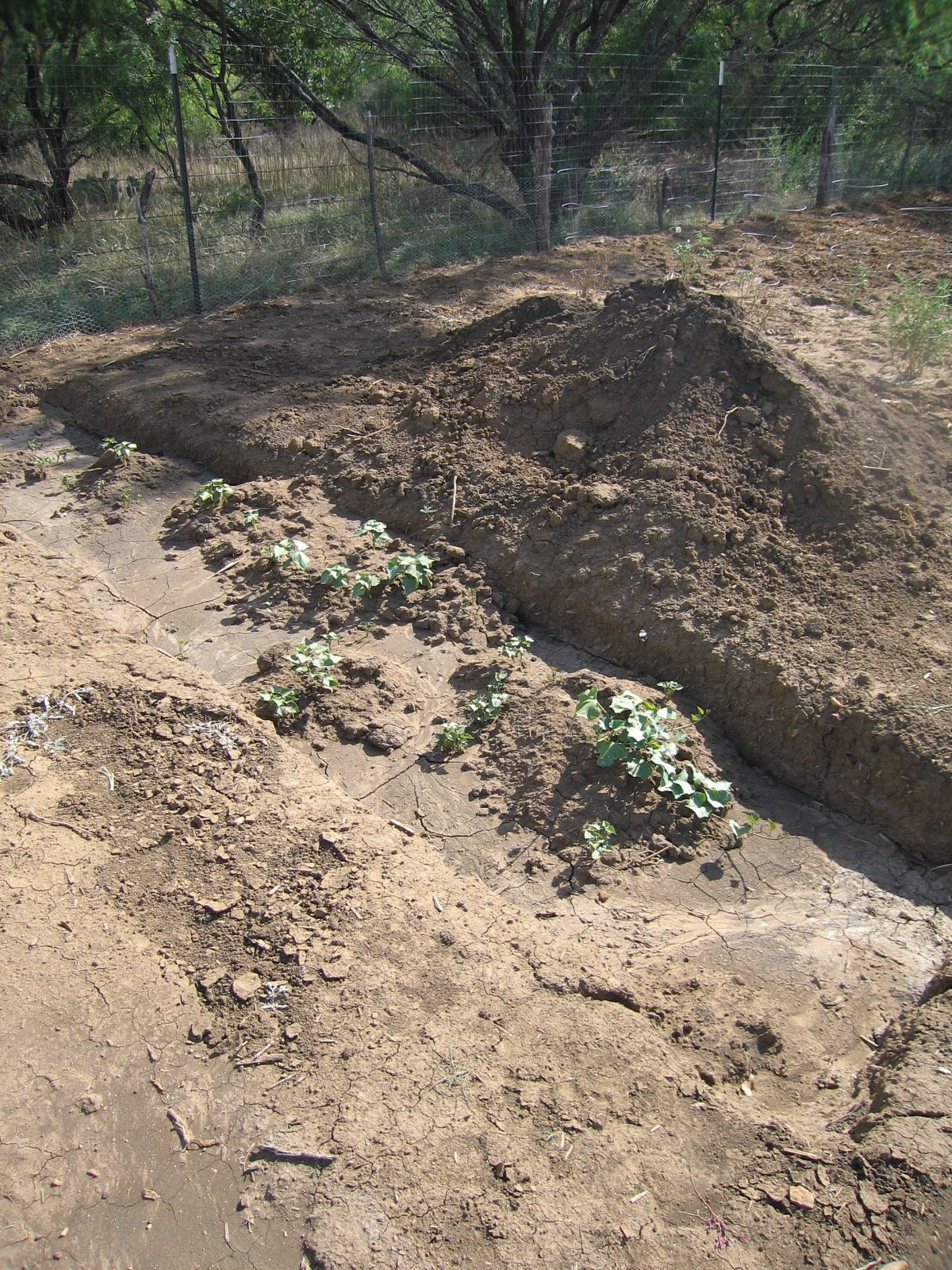
Now, supposedly that planting strategy doesn’t work for sweet potatoes, but here is a picture of the current bed, and most of the plants here are sweet potato plantings:

Varmints

This year we faced a new foe in battling garden pests: rabbits. Apparently over the winter, they lived up to their reputation, because we discovered that there were quite a few of them running around. And they found themselves their own personal “Farmers’ Market”, and proceeded to help themselves. Well, sorry Mr. Bunny, you can’t be taking our food; and so, the battle lines were drawn. I was confused as to how they were getting into the garden, given we have 2″x4″ welded wire fencing around it. But I did find some places where the wire was broken; and from us having pet rabbits before, I know they can snake themselves through tight areas.

We started to be on the lookout for them, especially in the mornings or evenings; and the Lord granted my shotgun and me several triumphs, one even in the garden itself. I also began putting up chicken wire around the bottom of the fencing. Over time, it appeared the victory was ours; and we haven’t seemed to have any more trouble with them since.

The Water of Life

Part of moving here was to work on a process of becoming less dependent on the world for its provisioning and to place ourselves directly under God’s providing hand. And so, I had decided that, as the Lord graciously allowed us to set up infrastructure, that, when it seemed that what was needed was going to be available based on normal averages, we would “cut the cord” on that area of world dependence. Well, with the working well and based on the rain “norms” for the area, we had arrived at that point a while back; and I had made a decision that we would in our best efforts live off of water here on the land (even off of the ponds, if necessary), and let God provide as He deemed sufficient.

This year, the Lord in His wisdom has not sent the kind of rain we had last year. This affected not only our catch water, but seems to have our well also, in that, it mostly stopped working except for very little amounts. And so, with ourselves, our chickens, goats, pigs, and new fruit and nut trees (which apparently need to be watered pretty consistently their first year), we had pretty much only our catch water to sustain us (and thankfully Michael allowed the cows back onto his land for the pond that is there).

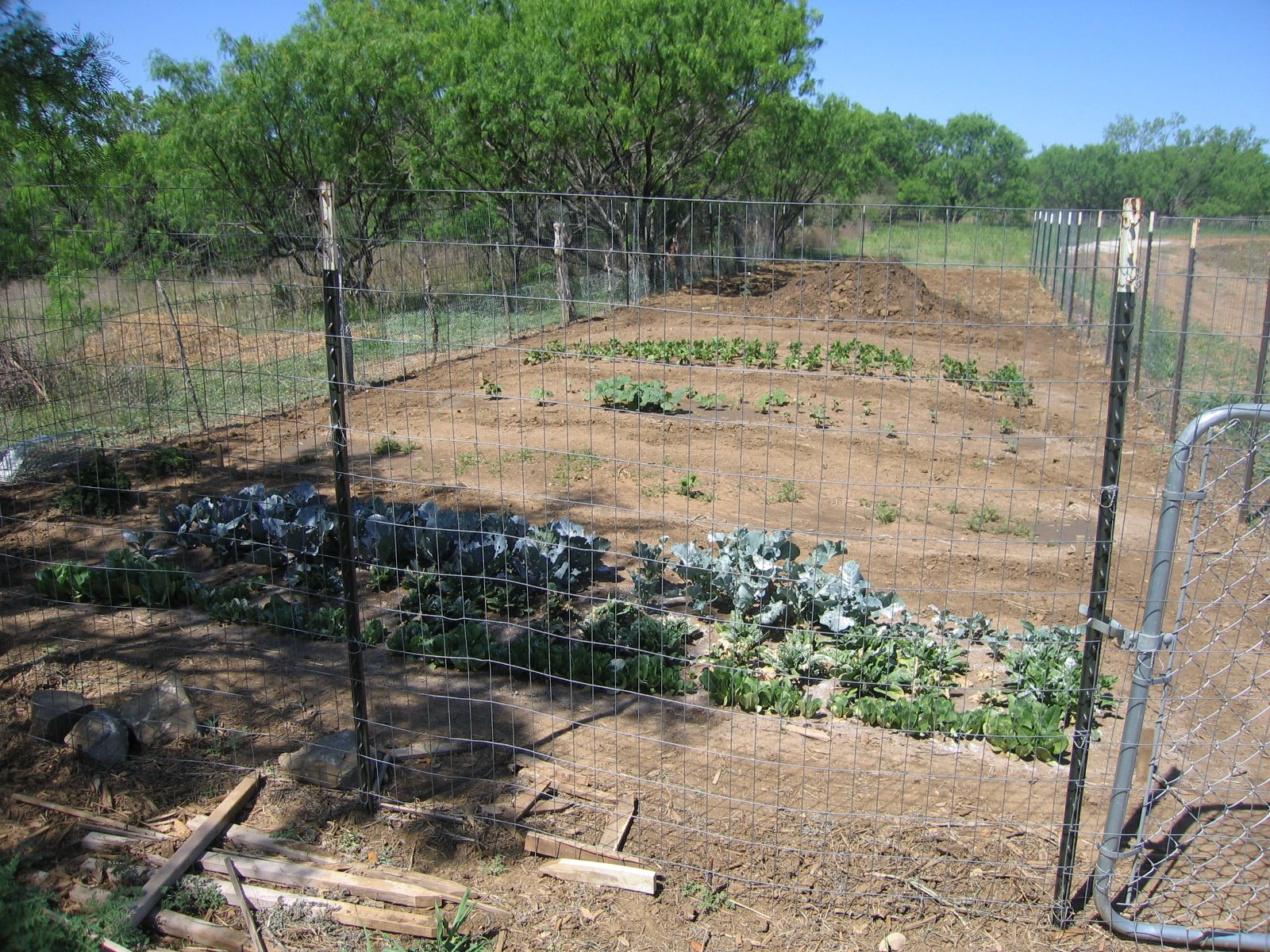
And so, with the well not working, and given the current amount of water we had, I decided that we had to “pull the plug” on watering the garden. Here is the garden a couple of months ago:

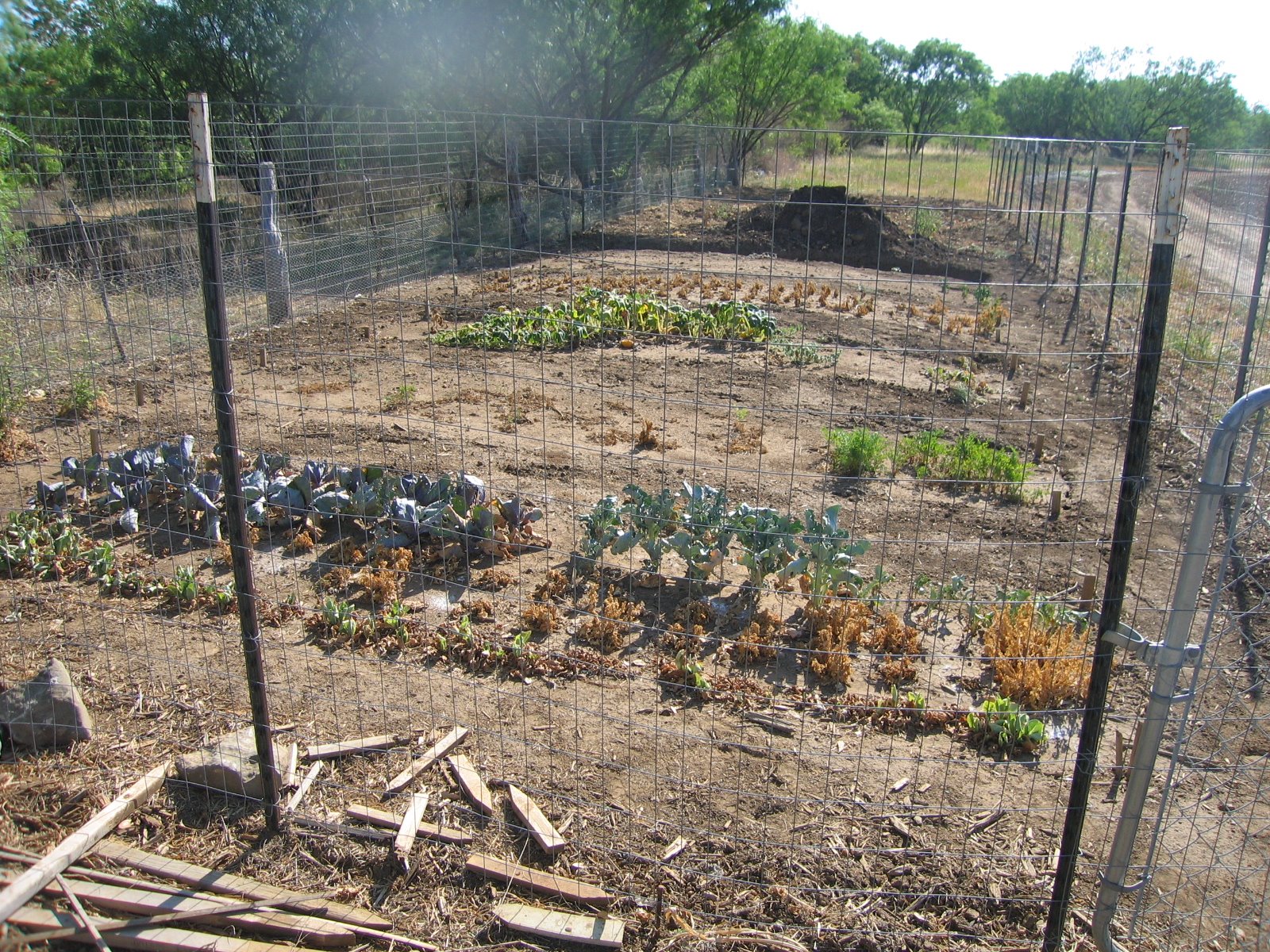
And here it is now:

This is what happens when you don’t have water, which translated spiritually means that this is what happens when you don’t have the living water that comes only from Christ: you die.

As the only catch-water we had was used and got lower and with the well mostly unavailable, it was an interesting time, as the water situation was pretty much constantly in the back of our minds.

However, the Lord is gracious and merciful! He began to replenish our catch-water system and has been faithful to provide for us so that we have been able to continue to live off of His direct provision. Our catch-water tank never ran dry, and we have been able to maintain ourselves, the animals and trees.

Since then too, God has granted us a new catch water source (about which we hope to post soon) that He has graciously filled with some water; and so, I thought that we might have water sources now to be able to try to water some of those garden plants still alive, and we did the other night using the well (which had quite a bit of water in it, given it hadn’t been used in probably over a month).

The Lord is gracious in His provisioning, and we are grateful. Blessed be the name of the Lord!

— David
« Older posts Newer posts »