The Sifford Sojournal

Our journal of what we pray is our sojourn of life along the narrow way, even the old paths, submitting to the Bible as a light unto both.

Page 68 of 95

Garden – Spring 2012

After last year’s drought and not being able to plant a garden (other than the tomatoes, which I mentioned in our Mercy in the Drought blog post), with rains we received over the winter time, we were grateful to the Lord for granting us this year to be able to do so!

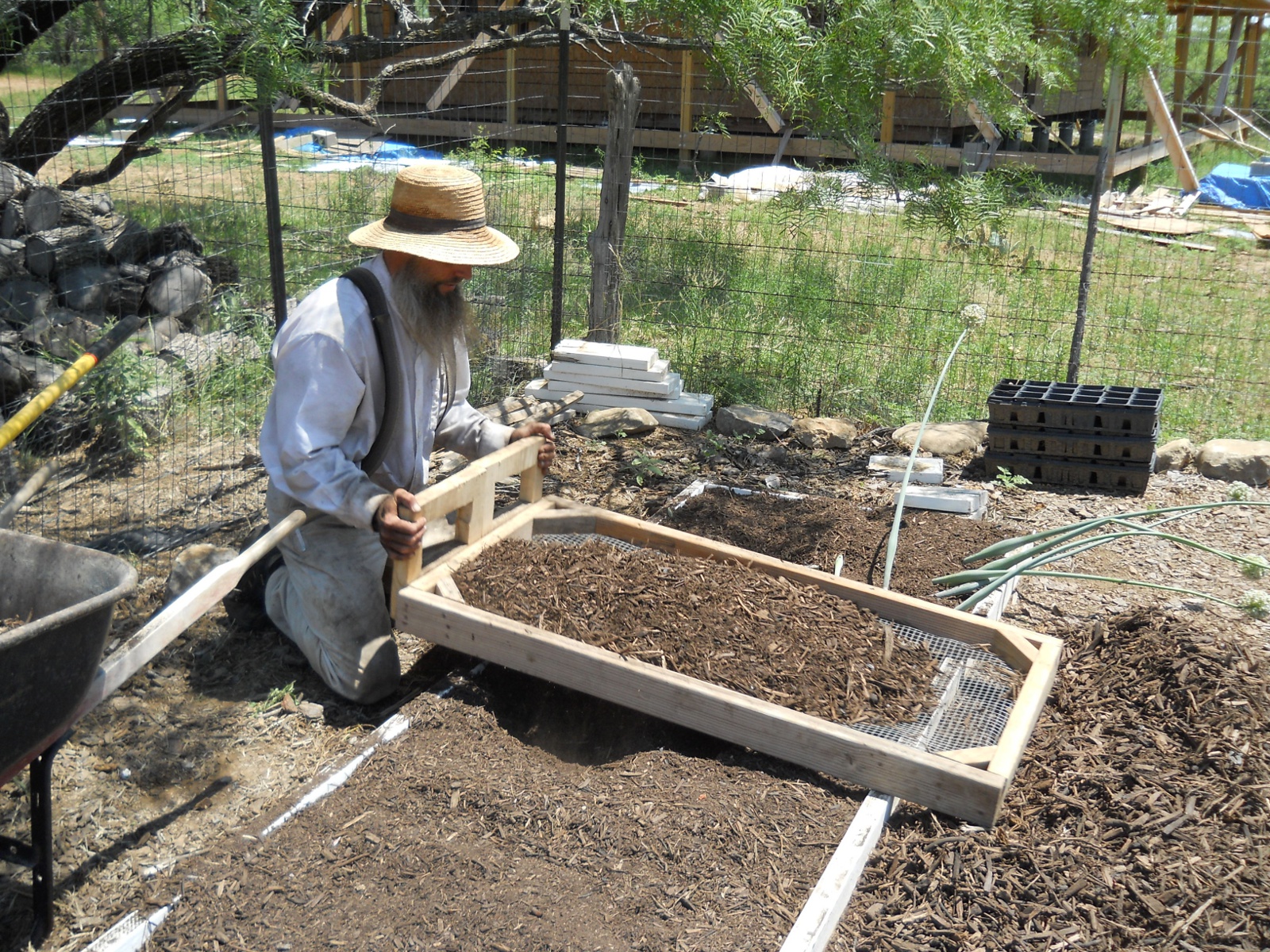
We have prepared several garden and orchard areas with the mulching for long-term composting, and since those aren’t immediately ready, I figured we would just continue to use the raised beds we have. Several are still in garlic for this year; but for the other ones, I bought compost, and just dumped and spread it on top of the soil that was already there, thinking I could plant directly into the compost (assuming compost in general was a good thing to plant in). What I failed to think through was that compost you can plant into is already composted, whereas the stuff I bought I believe still needed to compost. After planting in them, only the squash and zucchini, and a few okra sprouted — the beans and carrots didn’t (but for a few exceptions; I’m wondering if the squash/zucchini sprouted because of the seeds having hard-shells). I should have done my research *before* I planted. 🙂 And so, I decided to go in and mix the compost with the soil underneath a couple of the beds and replant the green beans and carrots.

Also, in watering the beds that have only compost on top, just running even quite a bit of water on them didn’t seem to cause the compost to get wet at all. I couldn’t understand what was going on — I mean, the water had to be going somewhere. Well, it appeared that if I just let the water run and soak in underneath, on the next day or two, the compost was indeed moist all through; and so, I figured that the water was just soaking upward after watering.

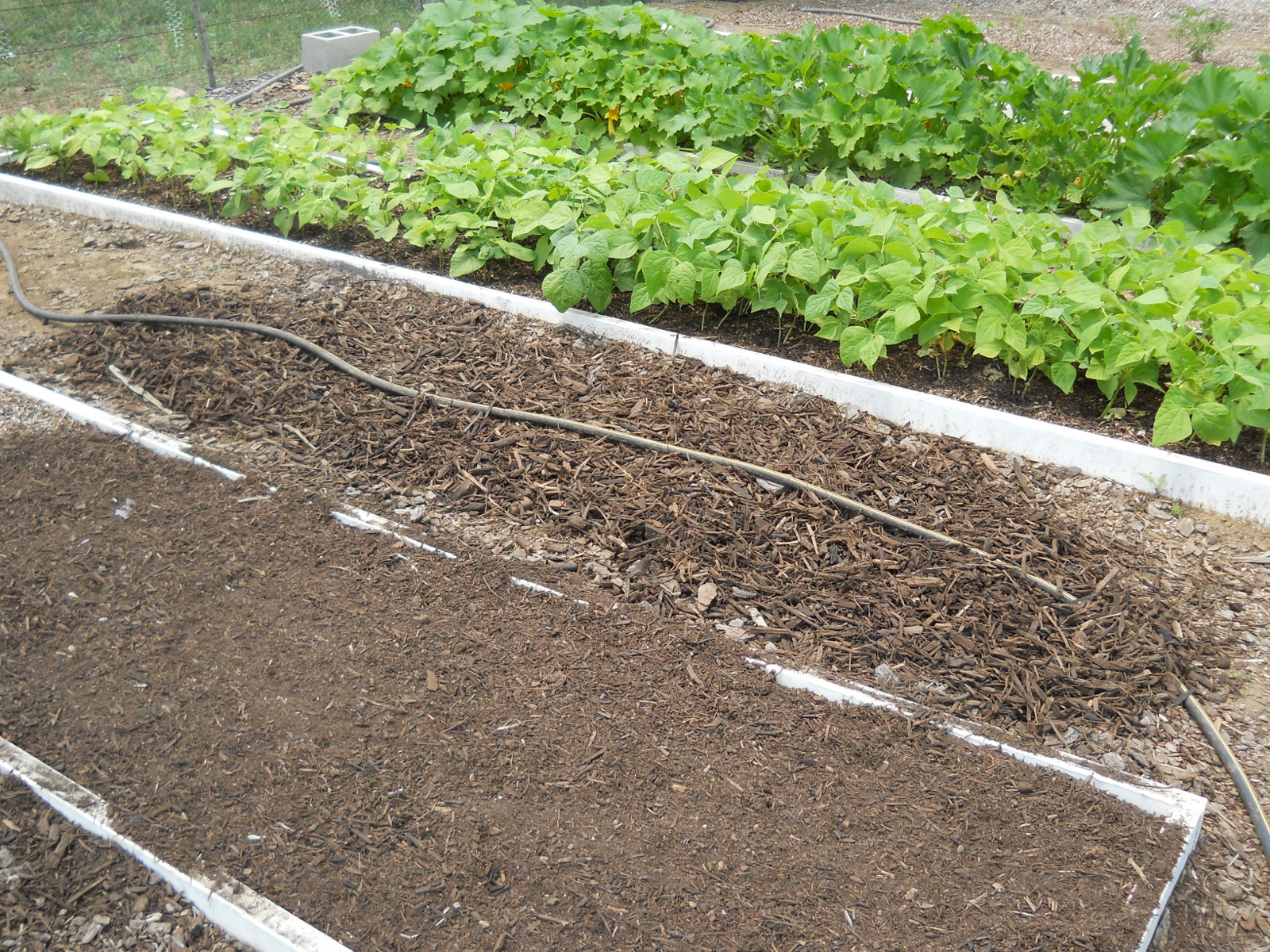
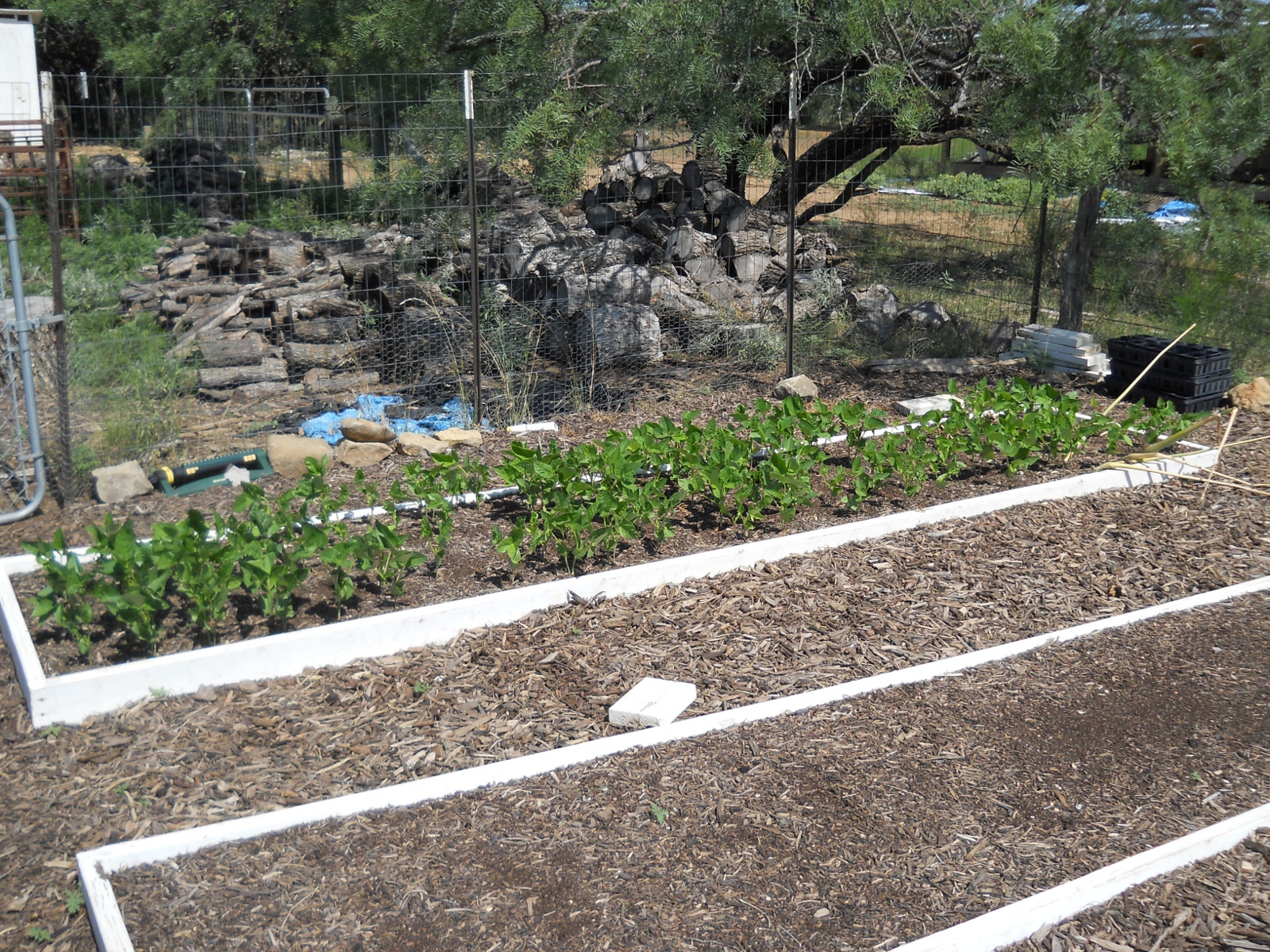
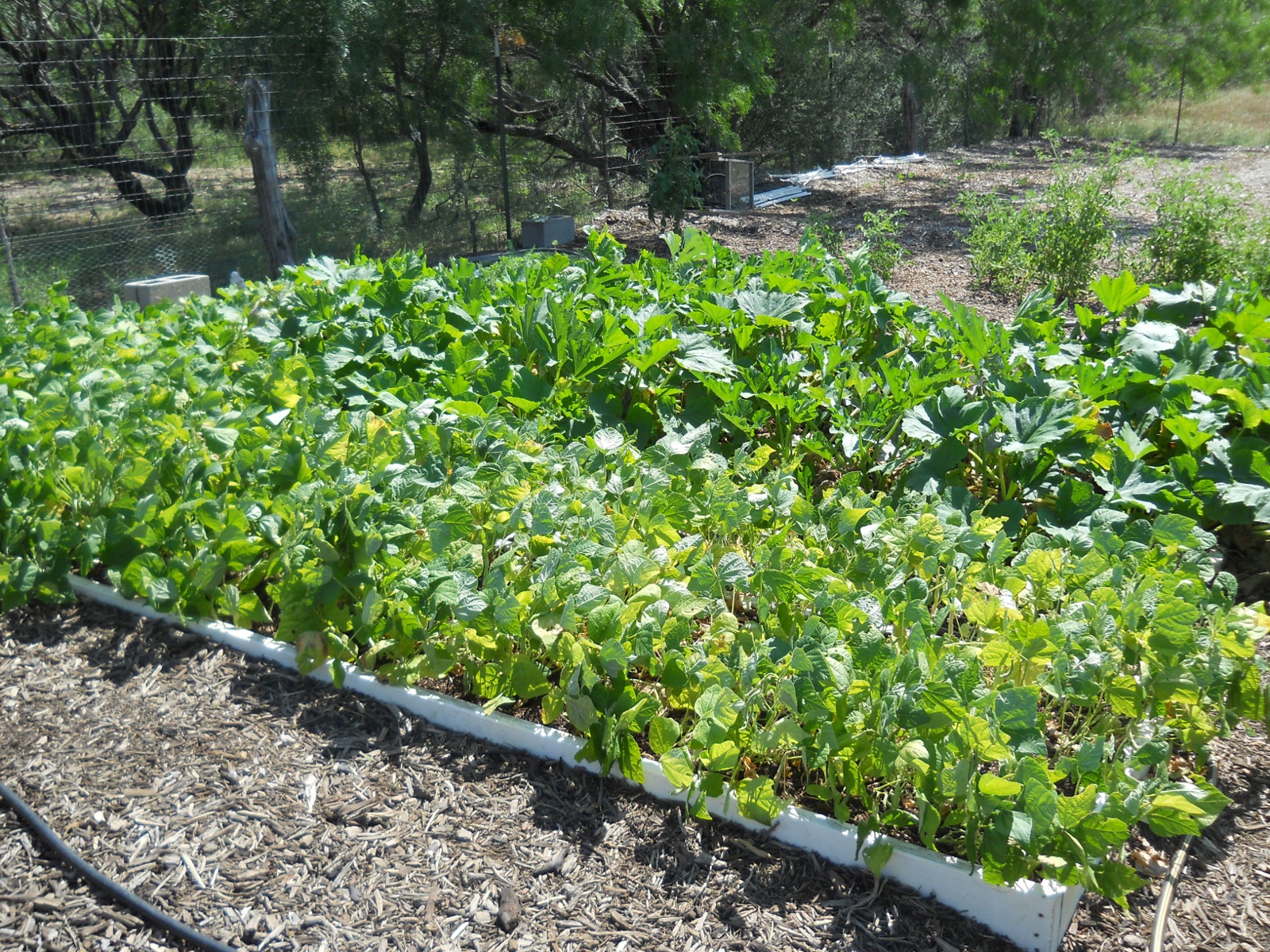
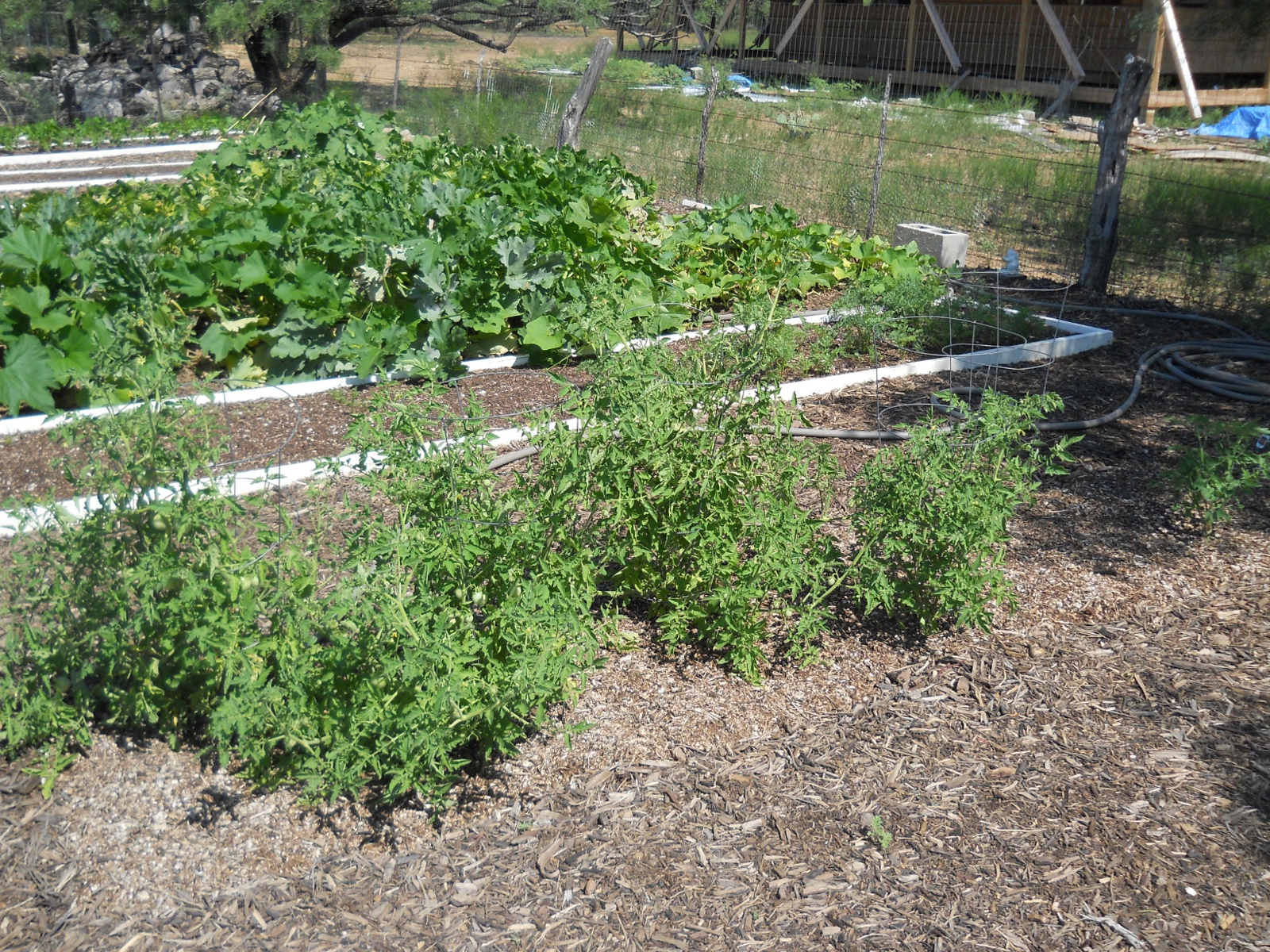
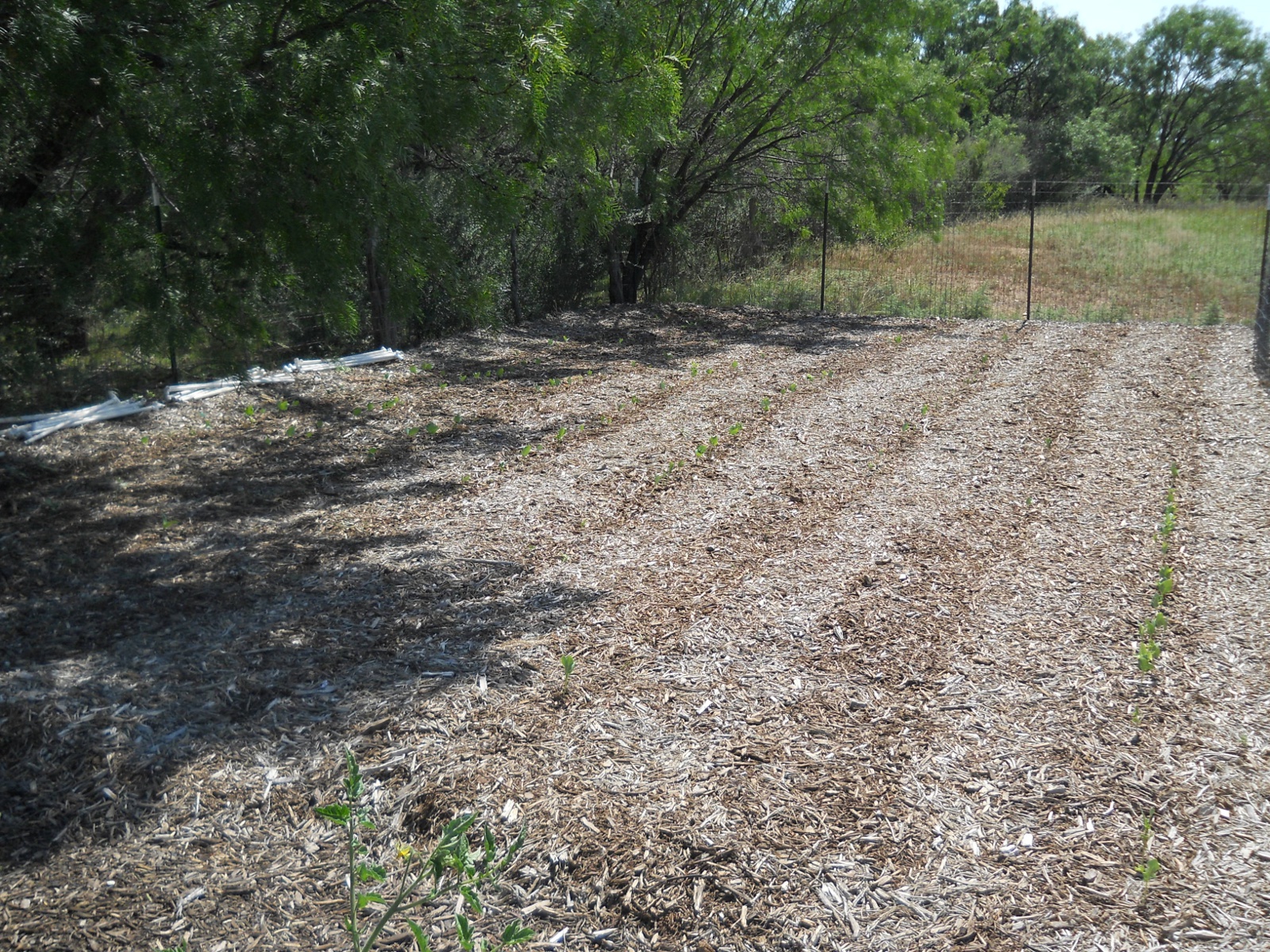
And here are the beds planted. I also planted already-growing tomato plants in the far, not-raised bed, in just the compost, although fairly deeply; and they are still living, but don’t seem to be growing much; so we will have to see how they turn out:

Garden Spring 2012 Raised Beds

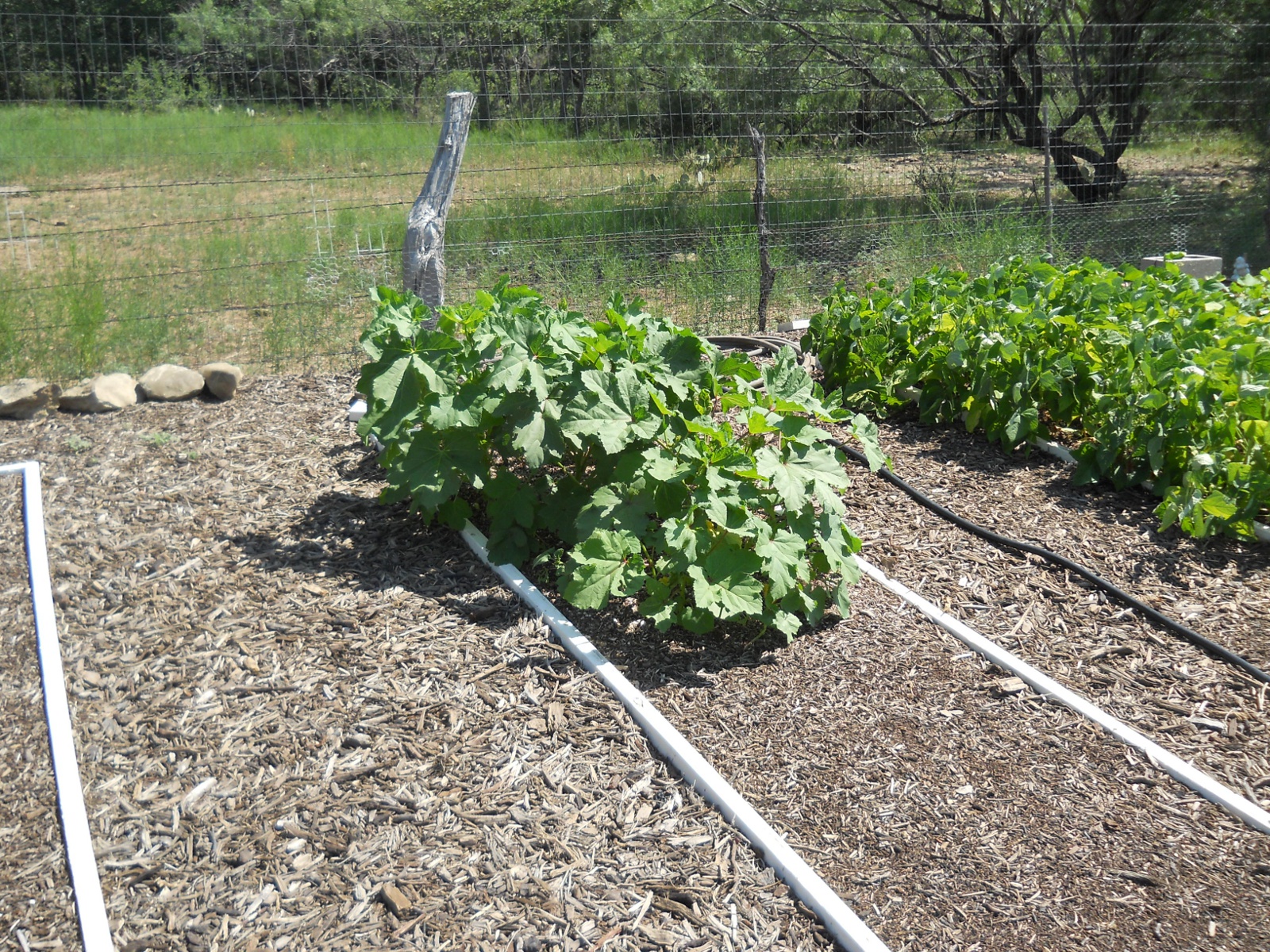
And here is the okra area in the far side of one of the garlic beds:

Garden Spring 2012 Ocra Area

Interestingly, in one of the garlic beds, we had planted onions several years ago; and after last year’s drought, there wasn’t much left of them (some of them had continued to grow each of the previous years). Well, I thought I had cleared them all out for the garlic, but apparently not. We basically just use the green tops as I don’t believe bulbs are really growing, but I suppose we will see how that goes too, Lord willing:

Garden Spring 2012 Green Onions

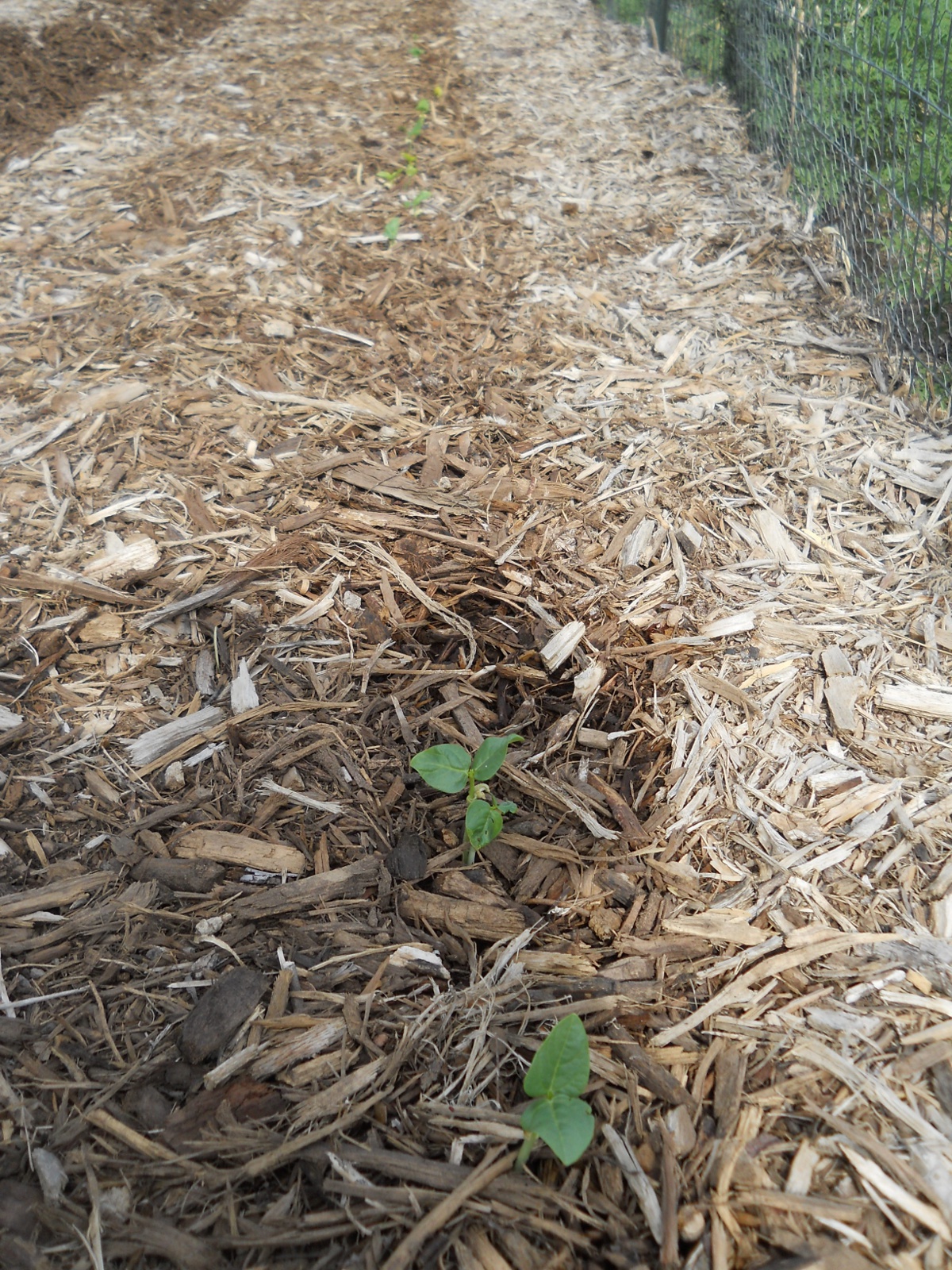
Also interestingly, although I didn’t plant garlic in them this year, apparently there was some remnant cloves from last year, still in them. Here is the carrot bed with a couple of garlic plants growing:

Garlic from Last Year in Spring 2012 Garden Bed

We are truly thankful to God for the opportunity to plant and water this year, and we pray He might grant provisions from the garden, in accordance with His will.

— David

A House – Update XVI – Internal Walls – Update I

Once the main roof of the house was covered, it was time to finish the internal walls.

Here’s the last main wall that needed to be completed, before it was raised:

House Internal Wall Frame Before Raising

And the following pictures are how the walls look now all up and tied together. This is from the great room facing the library, showing the closet space in between:

House Internal Walls In Great Room Facing the Library

And a picture of the door to the pantry, which is next to that closet:

House Internal Walls Pantry Door

Here is the bedroom from the kitchen area with the bathroom in between:

House Internal Walls In Kitchen Facing the Bedroom

And here is from inside the bedroom facing the library:

House Internal Walls In Bedroom Facing the Library

And then facing the kitchen area. The bedroom is the only room that we plan to enclose with windows to be able to keep heat in during the winter while still allowing for air flow during the summer:

House Internal Walls In Bedroom Facing the Kitchen

And here is a look down the pantry and closet from the bathroom:

House Internal Walls Looking Down the Pantry and Closet from the Bathroom

We are thankful once again to God for His provisions to allow us to continue progress on the house.

— David
Turnips & Wheat 2012 – Update I

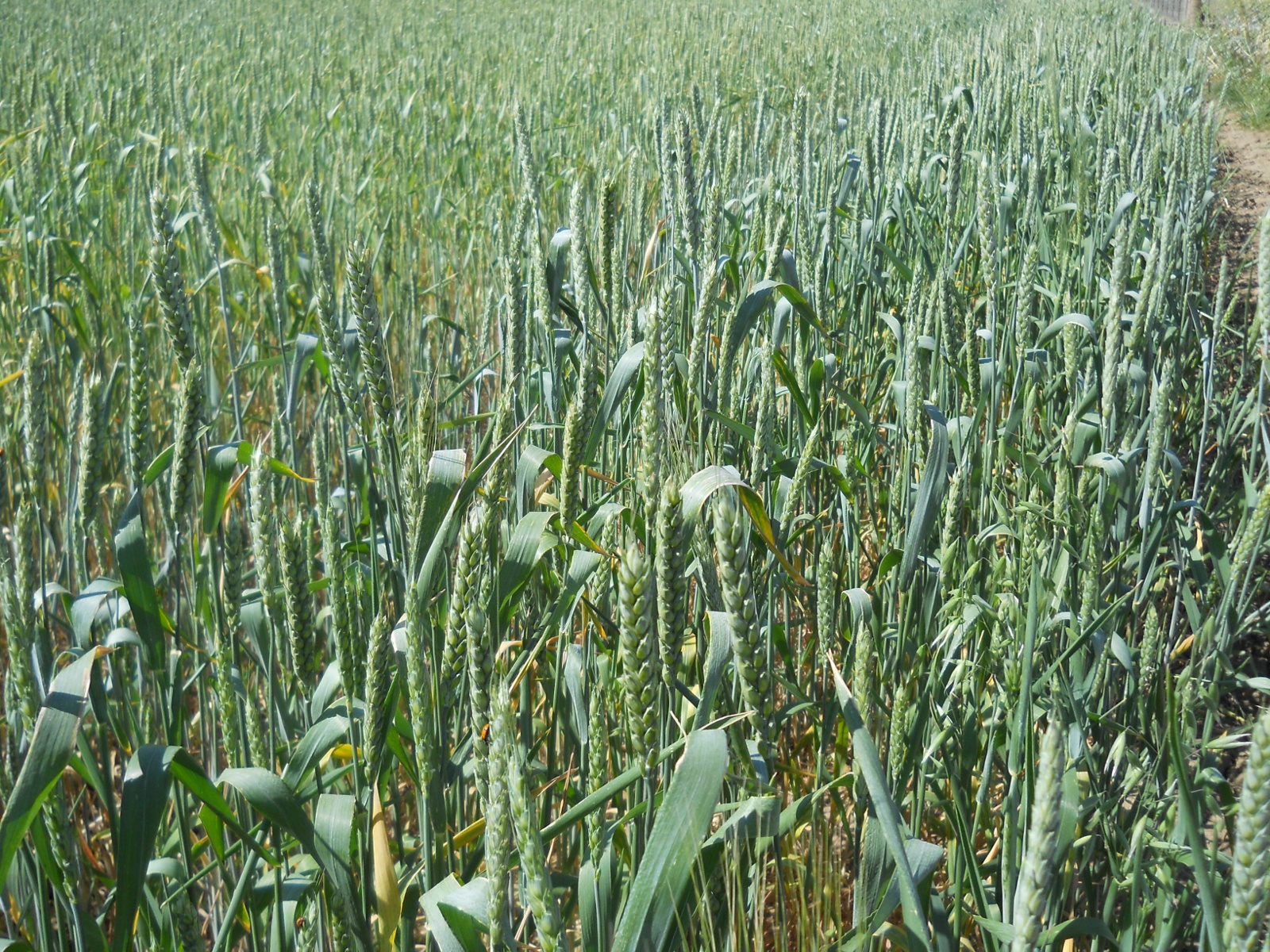
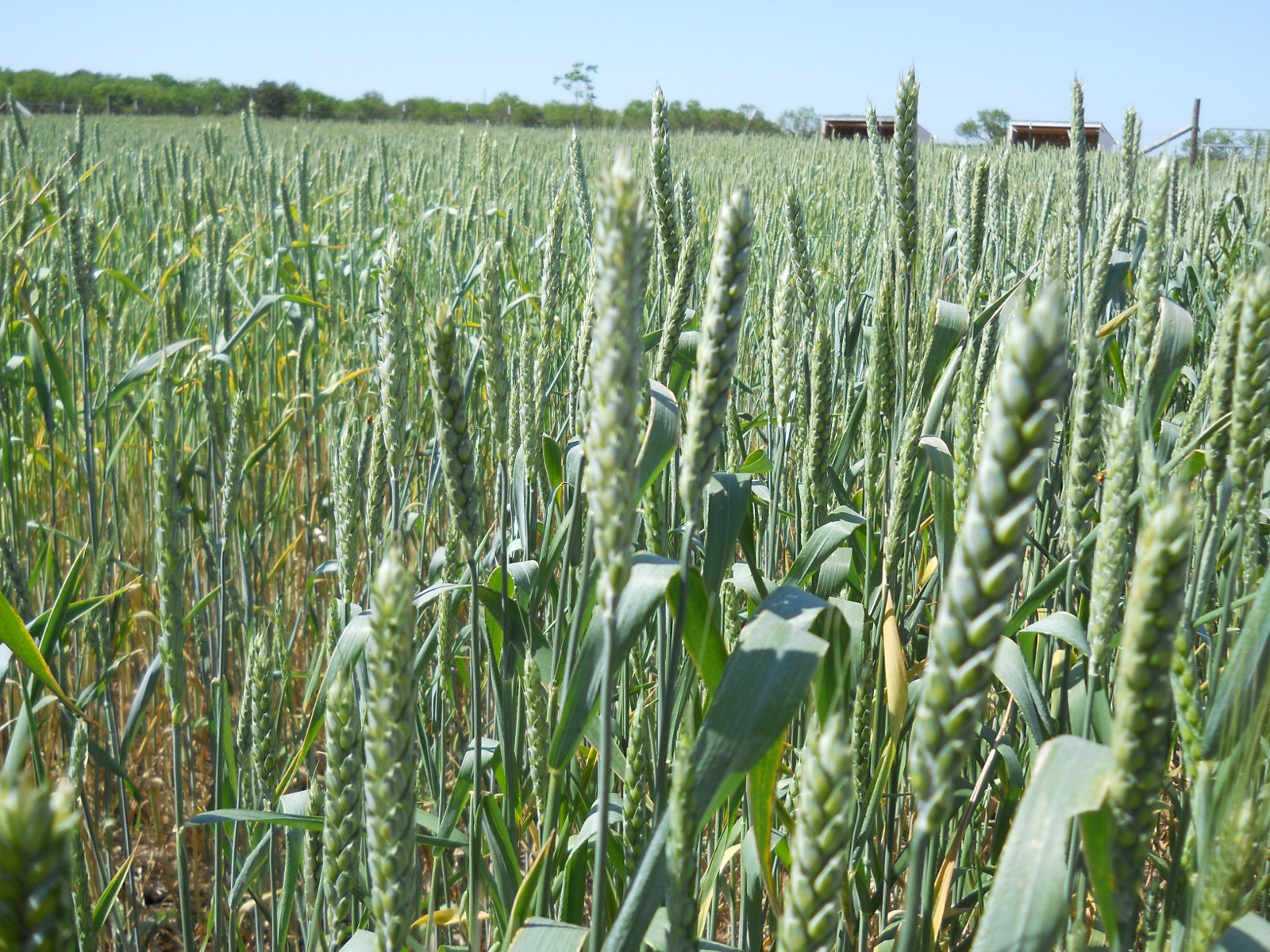
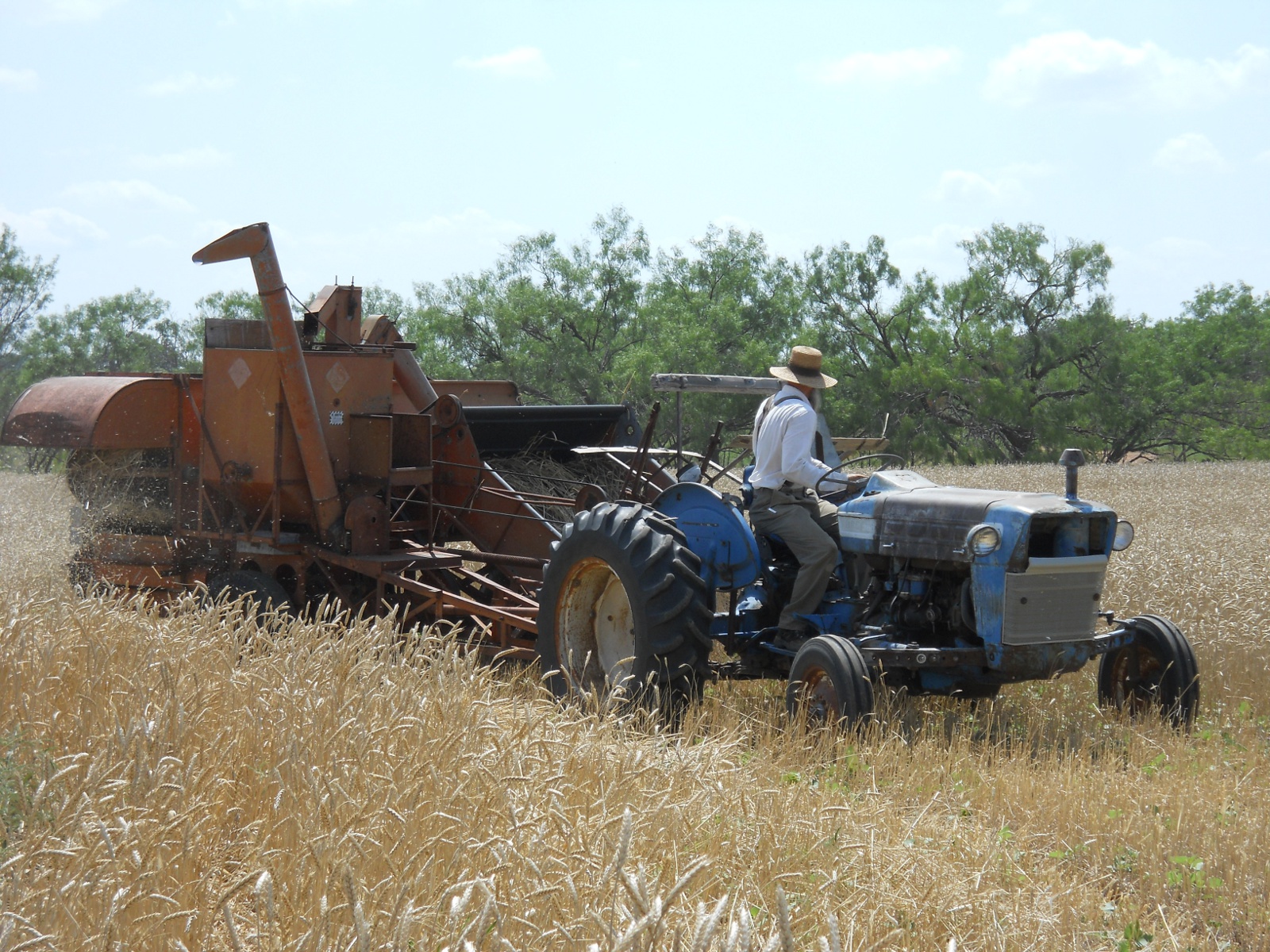
The Lord has graciously brought a mild winter and plenty of rain, and has granted that our turnip and wheat crops begin to flourish!

Here are the first turnips collected:

Turnips 2012 Collected in a Basket

You can see the size reference with the boot on top of the basket. They’re not all this big, but indeed some are fairly large:

Turnips 2012 Size Reference

And here is what the turnip field looks like currently. Many have bolted, and the tops of some of them have begun to rot–we had several days recently after rains where the sun didn’t shine and things remained wet, although the turnips themselves are still good. I also think I waited too long to begin harvesting:

Turnips 2012 in the Field

We are using the turnips basically as pig food right now, and they love them! There haven’t been many more joyous and satisfying moments here on the land for me than when I am able to feed our pigs solely from off the land–truly “living our dream” of being independent from the world and dependent on God and His provisions directly!

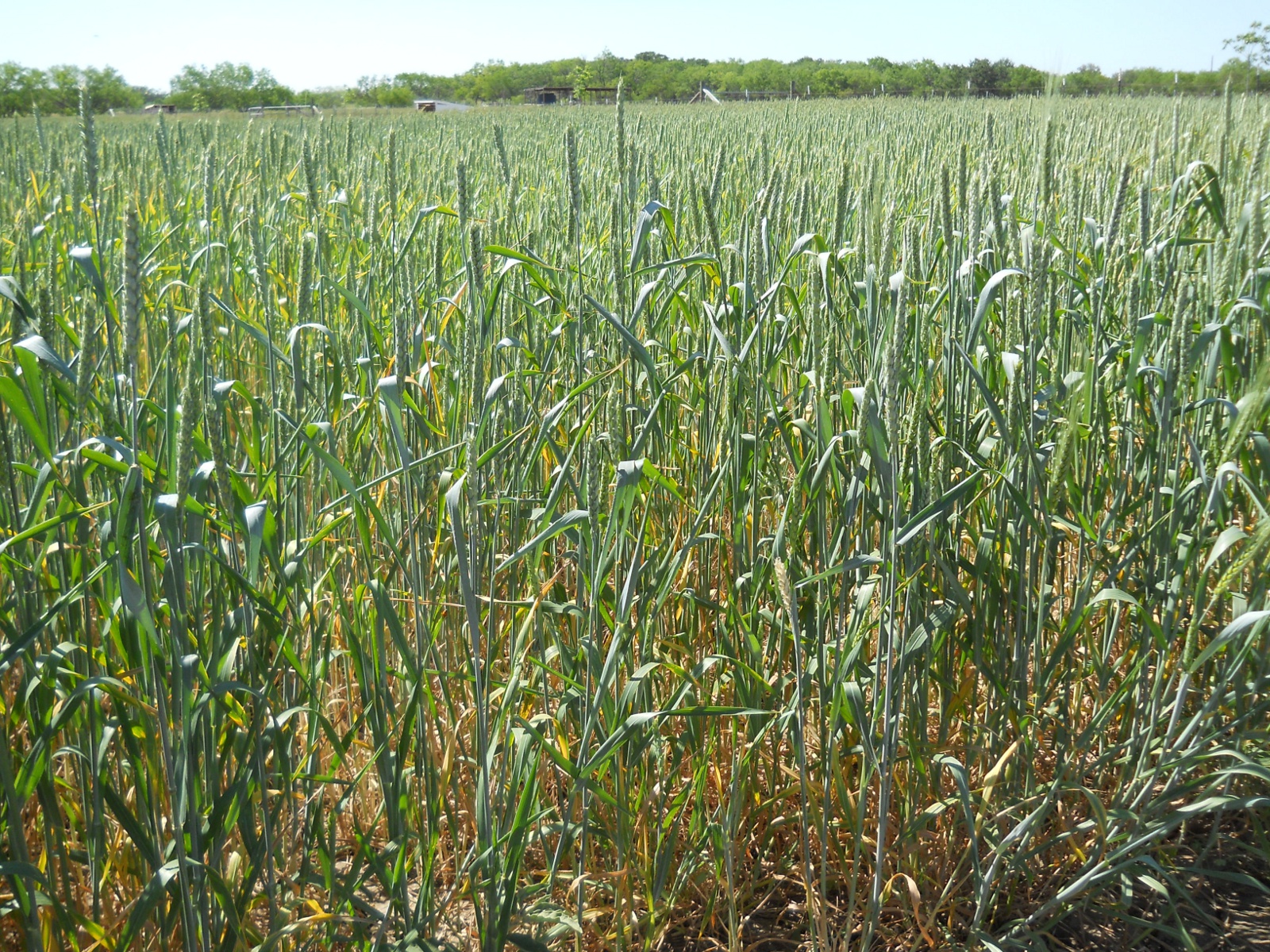
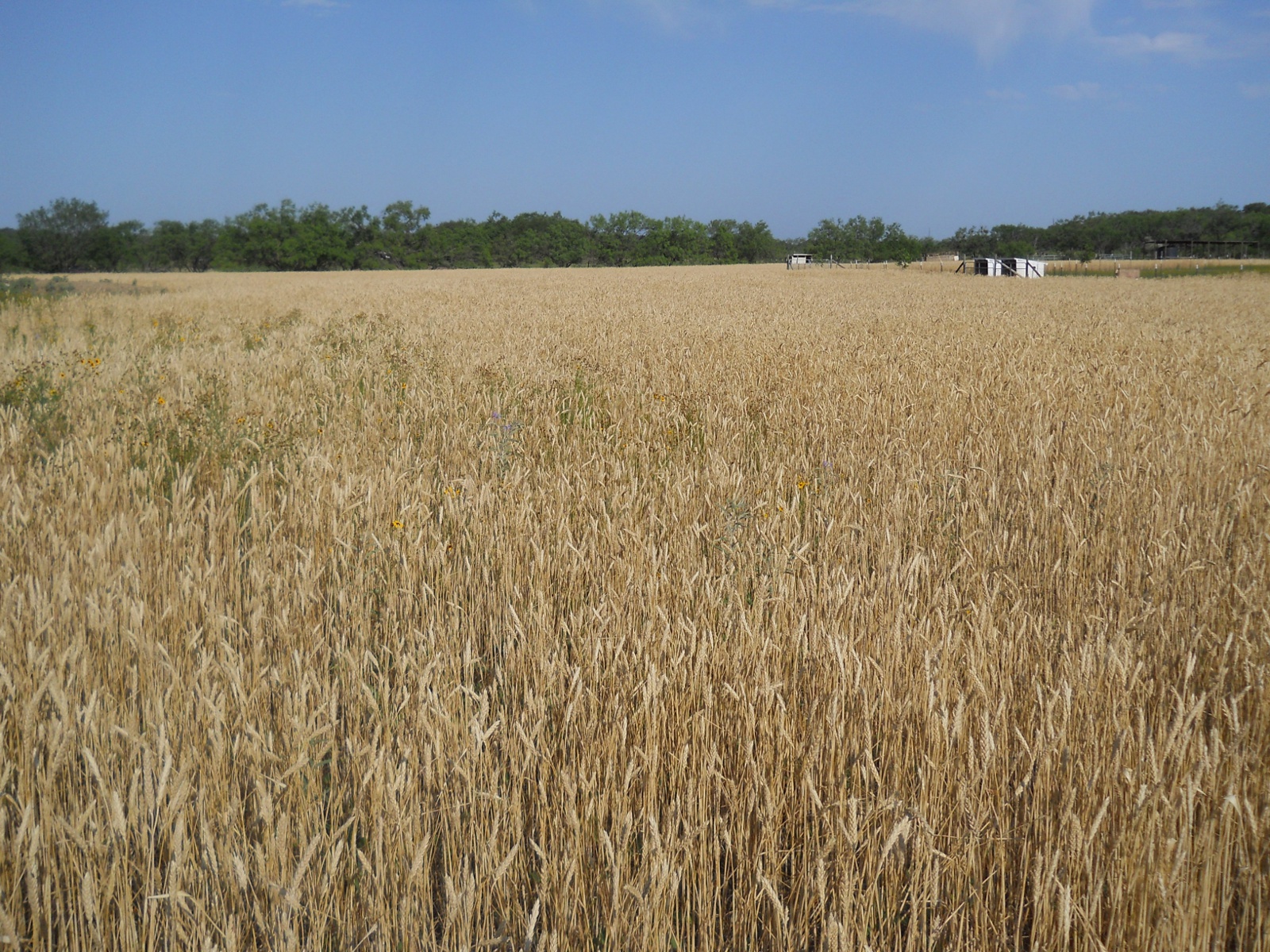
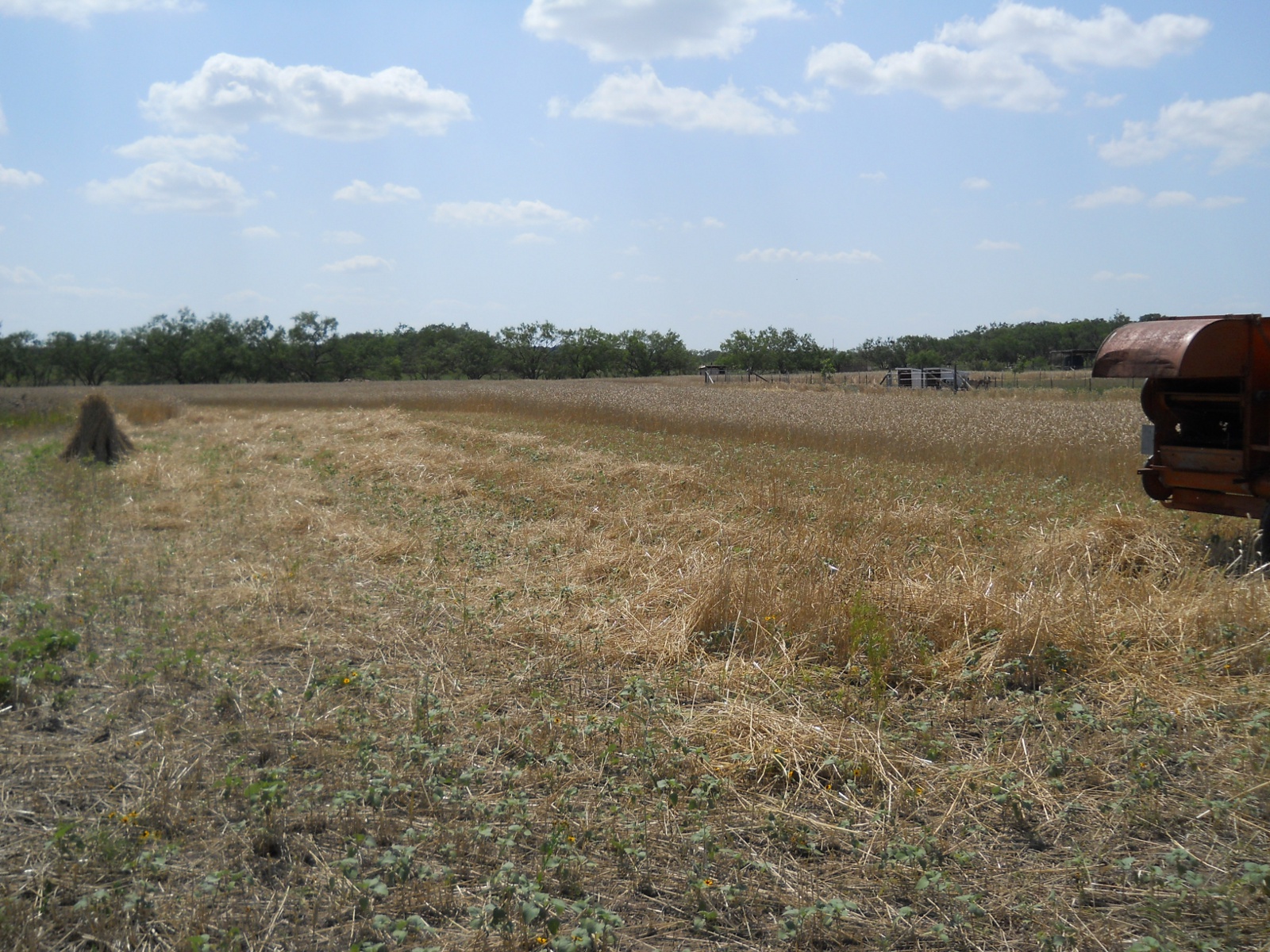
Here is the wheat field currently:

Wheat 2012

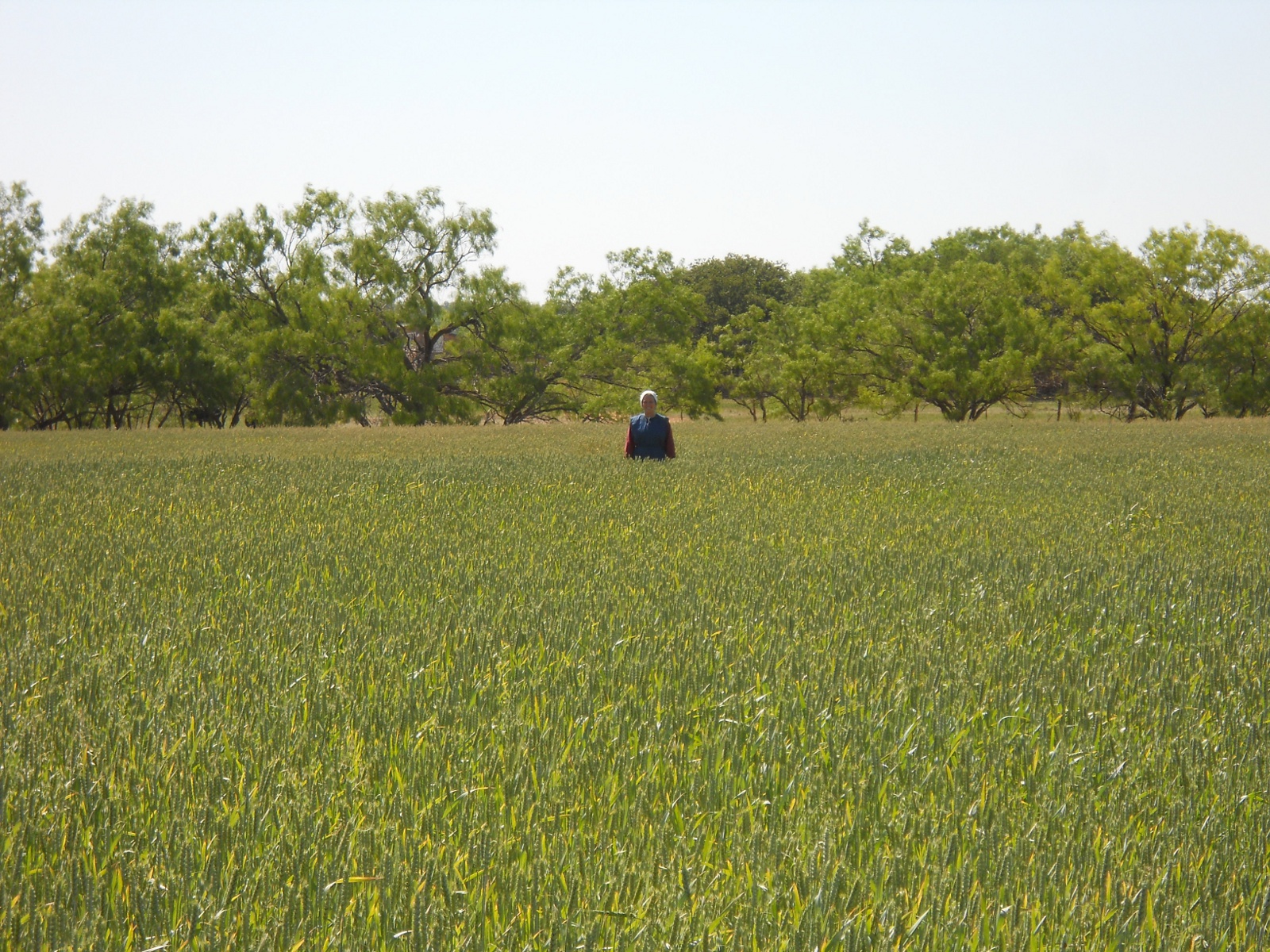
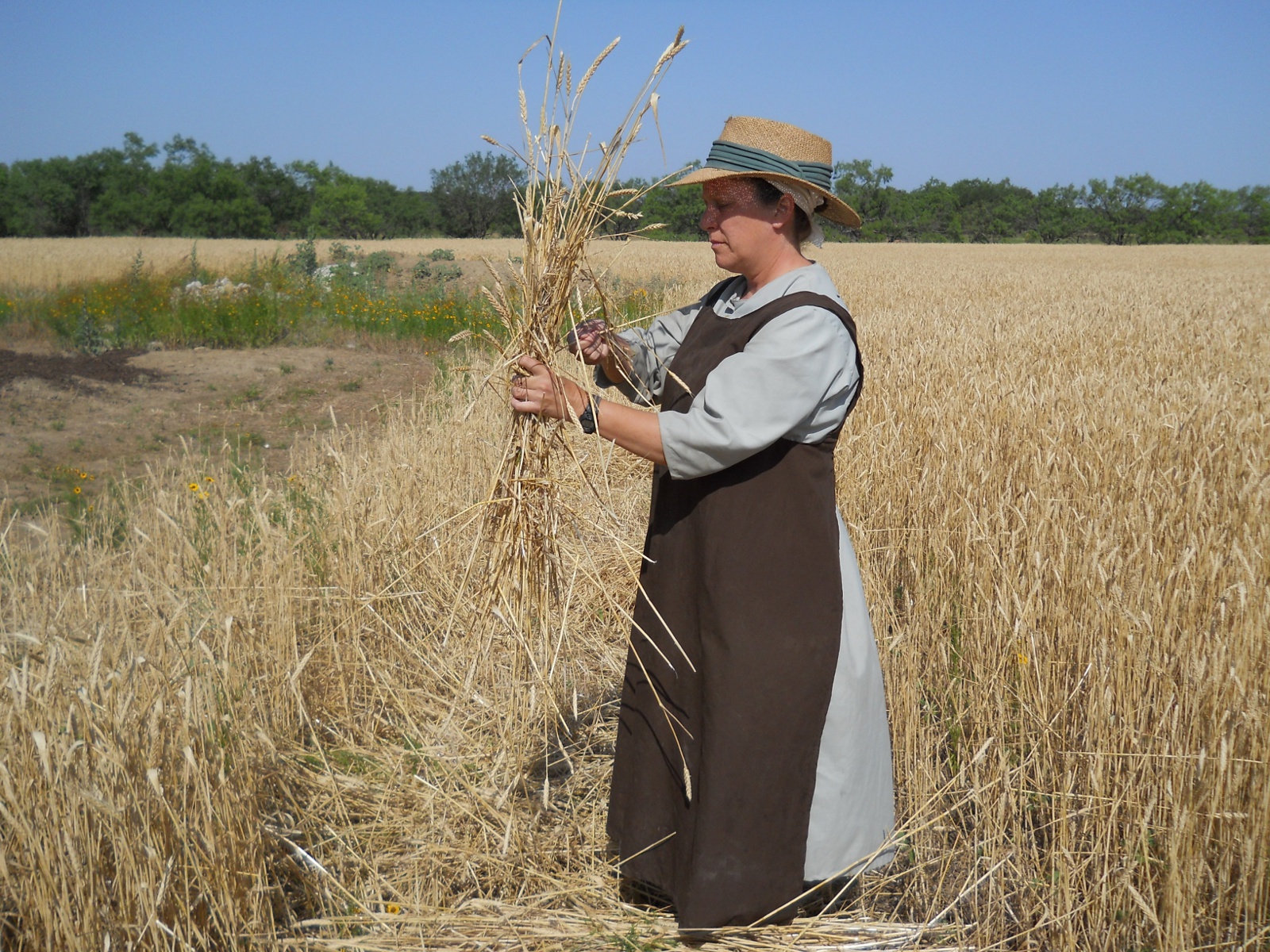
And here’s another picture with a closer view of Sue so you can get a better idea of the height, which is about up to our knees:

Wheat 2012 Up to Our Knees

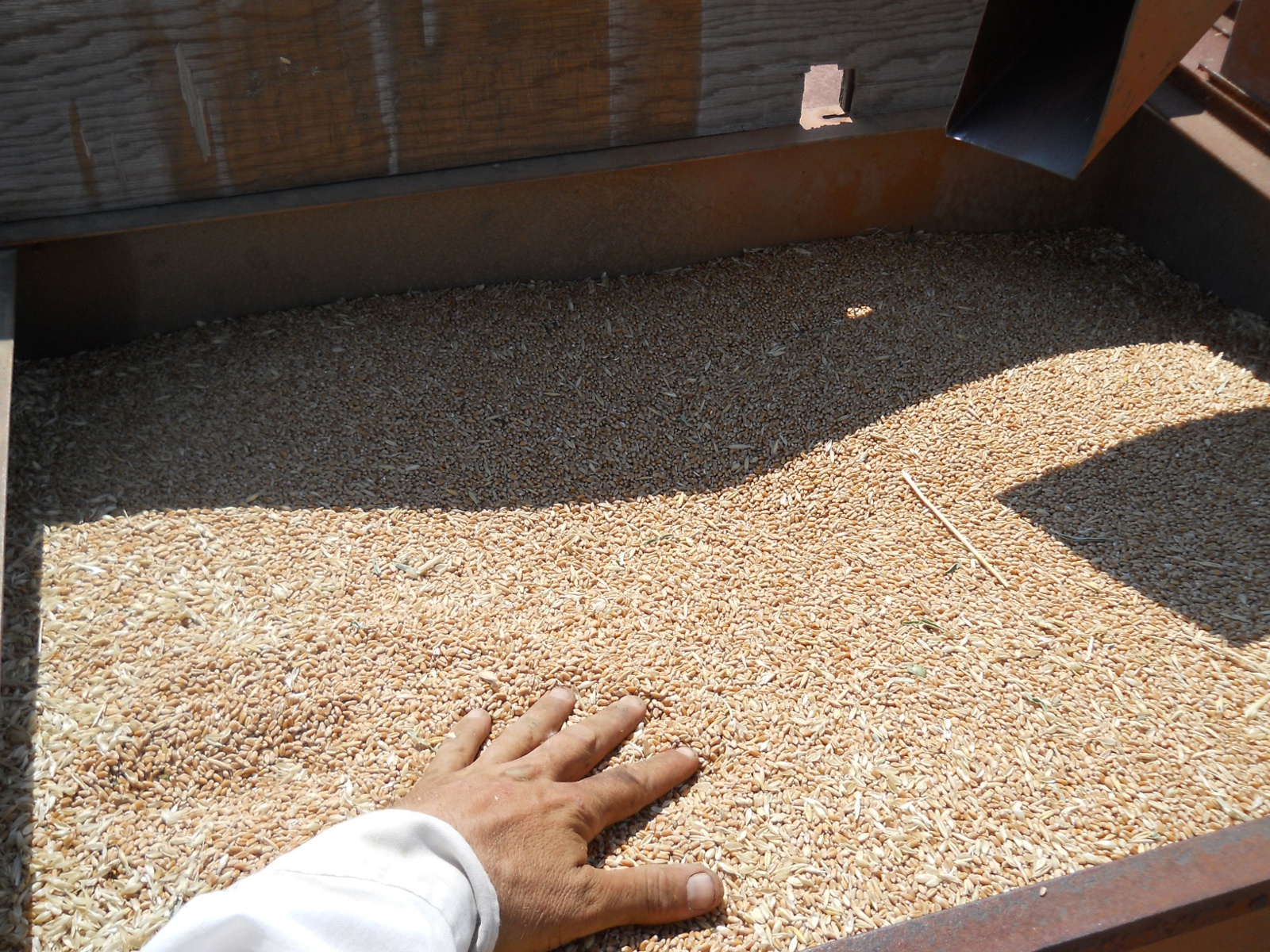
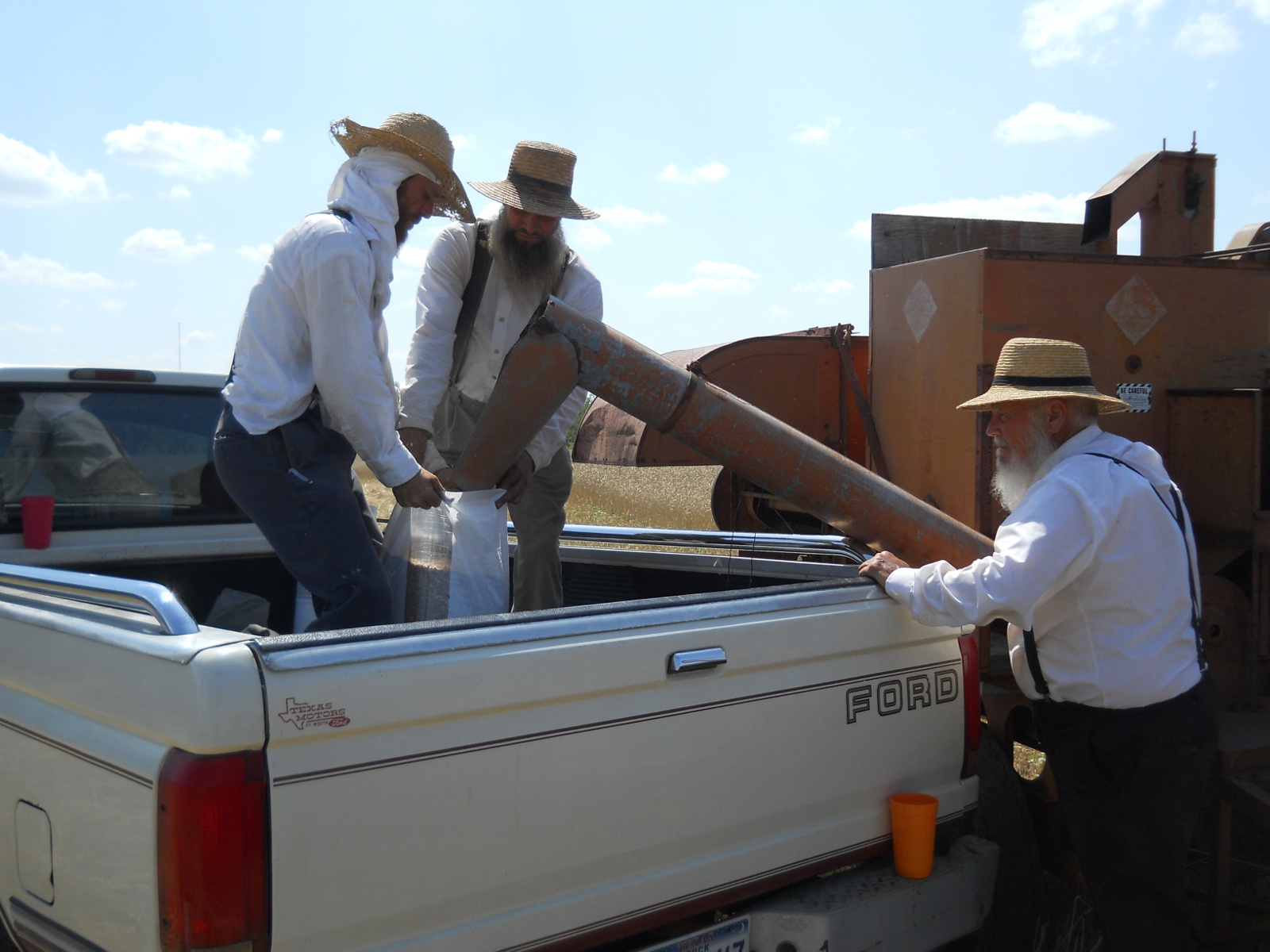
We look forward to continuing to harvest the turnips and later the wheat, as the Lord wills; and we are grateful to Him for granting these provisions, and we pray He continue to help us in the steps of separation from the world as unto Him!

— David

A House – Update XV – Main Roof

Once the house trusses were installed, it was time to start covering the roof. In order to allow maximum air flow in the attic area, I decided to add vented blocks to each space between the trusses. Here is how our house-building helper designed them, cutting them and chipping them out with a chisel. This is the back side:

House Roof Vented Block Back Side

And this is the back side with the screening in place. We used aluminum window screening:

House Roof Vented Block Back Side with Screening

And here is the front side:

House Roof Vented Block Front Side with Screening

And here are the vented blocks installed:

House Roof Vented Blocks Installed Front View
House Roof Vented Blocks Installed Diagonal View
House Roof Vented Blocks Installed Inline View

Then, it was time to add the gabled-side overhang, which was for two feet overhang. First, the 2×4 braces were added by cutting into the top of the trusses notches to hold them; and then the 2×4 braces were installed:

House Roof Gabled Overhang Braces Long View
House Roof Gabled Overhang Braces Diagonal View

And here is the overhang fascia added:

House Roof Gabled Overhang Braces with Fascia

Then, it was time to add the covering surface that would go under the main roofing material. The plan was to have radiant barrier OSB (OSB that has aluminum foil on one side), which helps reflect heat, for most of the roof area, but use CDX plywood for the exposed overhang places:

House Roof Overhang Plywood

And here it is complete:

House Roof Plywood/OSB Covering Complete

This is what the roof looks like from the inside of the house:

House Roof Plywood/OSB Covering Inside View

Finally, the gabled end trusses needed their underneath siding, which again were covered with radiant barrier OSB:

House Roof Gables Trusses Siding

And here is the inside look at that:

House Roof Gables Trusses Siding Inside View

Finally, thanks to one of the kind listeners to our teacher teacher’s Internet radio show helping us out with some truss bracing information, in order to prevent them from “racking” (where the trusses basically can domino over) we added X-braces along the center posts of the trusses, on one side running from the high end of the gabled truss to the lower part of the internal trusses, attaching to each truss as it goes, and on the other side running low to high; and this was done for both gabled ends:

House Roof Trusses X Bracing

We are thankful again to the Lord for His provisions for the house, and for the continued progress.

— David
Not Too Mulch of a Good Thing

Recently, someone in the group here came across a video about how a fellow in Washington state had an interesting idea about how to keep moisture in the soil and keep it well-composted for gardens, orchards, etc. He was in the forest and thought about how the trees never need to be watered, but seem to have no problem being maintained by just rain alone. He looked down and noticed the ground covering of leaves, twigs, branches, etc. and reached down below that layer into the soil, only to discover how moist and fertile-looking the soil was. The lights went on and he thought that if he could replicate this for his gardens, his gardens would do very well.

The main theory behind it is that the soil needs to be covered by something that composts, and he thought about it and decided to use wood chips (ie. mulch). Well, his video is a documentary about the success of that experiment, and is called “Back to Eden.” On that website, you can order the DVD or just watch the video for free. It’s quite interesting, although we don’t subscribe much to some of the gentleman’s spiritual beliefs and concepts.

However, this seemed like a great idea; and so, everyone around here is beginning the implementation of this. We’ve looked into trying to get local tree trimming services to drop their chipped wood on the land; but until that is available, the Brownwood land fill allows people to drop their branches and trimmings there, and they chip it into mulch. They have huge, huge mounds of the stuff; and so it’s just a matter of transporting it to the property since they won’t deliver it outside their county.

For Sue & I, we have half a garden that, although planned for, has never been turned into garden
beds; and so, I thought that would be a good starting place for our mulching.

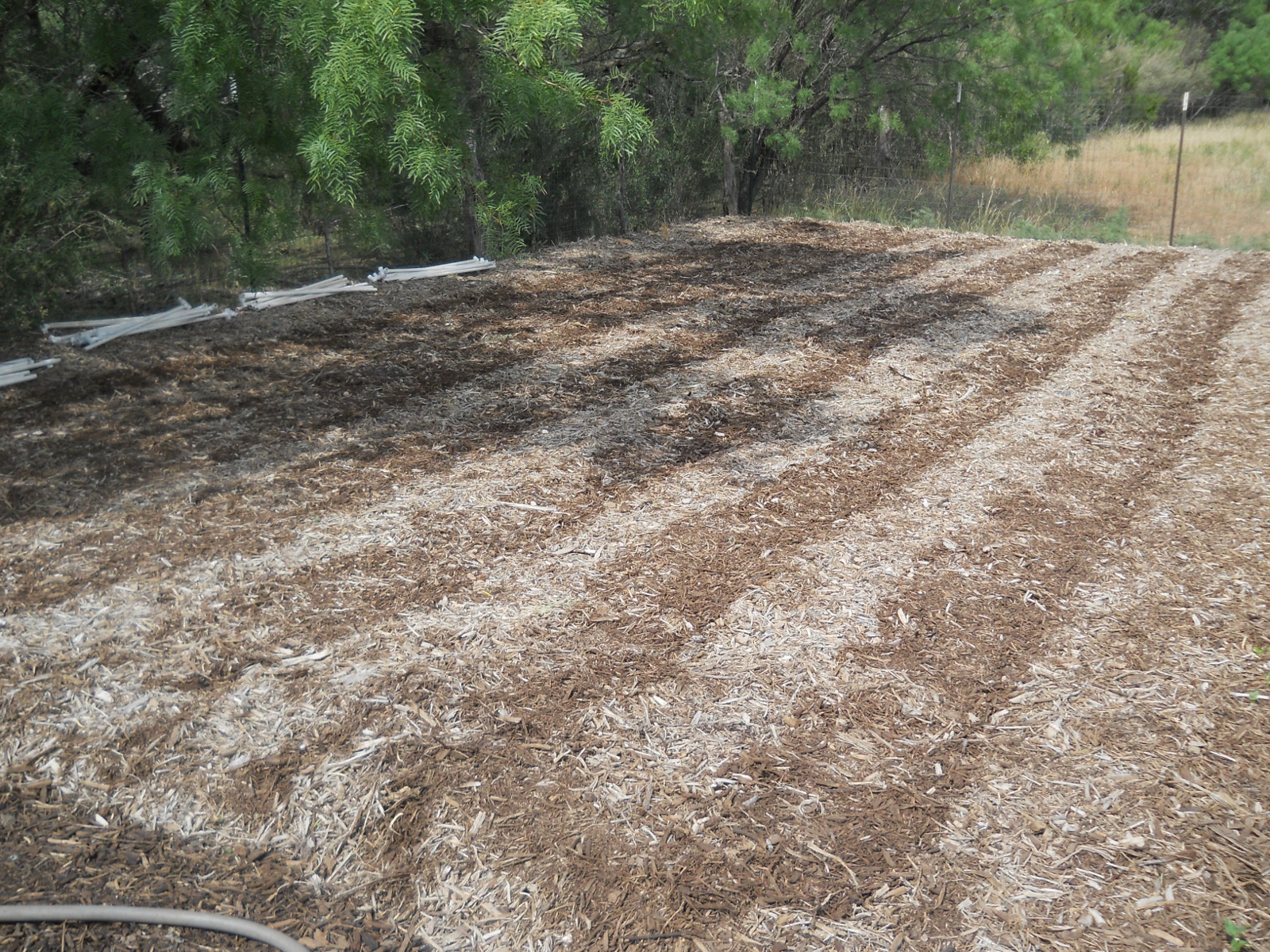
Here is that half of our current garden before the mulching:

Garden 1 Before Mulching

And here’s the first mulch load:

Garden 1 with a Pile of Mulch

I don’t have a flatbed trailer, and have just been using the truck to get the mulch:

Mulch in the Bed of the Truck

As you can see though, there isn’t much back there; and getting the mulch we need would have taken a long time that way. Plus, the cost per load is the same regardless of how many scoops of mulch you can fit in the bed. So, I built a mulch carrier to fit in the bed, which has doubled the amount of mulch we can bring back in a load:

Mulch Truck Bed Carrier

If the mulch ever needs to be covered with a tarp or otherwise, I added some screws to which to be able to attach bungee cords:

Mulch Truck Bed Carrier Tarp Hooks

Here I am throwing the mulch from the bed into the garden. That pitch-fork works great!

Pitching Mulch from the Truck Bed

And here is William, our cat, supervising once again:

William the Cat Supervising the Mulching Process

Here is our current garden complete:

Garden 1 Mulch Covering Complete

And here is the result of the dirt shower you get when you pitch mulch on a breezy day:

Taking a Mulch Dirt Shower

My plan all along has been to have another garden across the way from our current garden, and so I figured it was time to get that going, since we had a quicker way to implement the garden preparation other than digging double dug beds and building raised beds. And so, here is the first pile of mulch for garden #2:

First Pile of Mulch for Garden 2
First Pile of Mulch for Garden 2 Facing Garden 1

After getting a few mulch piles, I began building the garden fencing:

Starting Garden 2 Fence Posts

Here are all of the fence posts in place:

Garden 2 Fence Posts in Place

And here is the fencing up. I just used 2″x4″ welded wire pulled hand tight:

Garden 2 Fencing Up

And since we have had problems with rabbits getting between the 2″x4″ fence squares, I added chicken wire all the way around:

Garden 2 Fencing with Chicken Wire

And this is where it stands today, almost completely mulched:

Garden 2 Almost Mulched

As I mentioned at the beginning, the mulch idea could be applied to orchards; and so, I began the process of mulching our current trees. Here are the piles around some of the trees:

Mulch Piles in the Orchard

And then them spread around the trees:

Mulch Spread Around Orchard Trees

And here is where it stands today, after replacing many of the dead trees from last year’s drought or other years with new ones, and after adding new trees. The idea is to eventually fill-in the entire area with mulch and turn it into another area that can be planted, perhaps with root crops like turnips and/or sweet potatoes:

Mulch in Orchard North View
Mulch in Orchard East View
Mulch in Orchard South East View

We’re thankful to God for this soil-covering idea and for the resources and provisions to hopefully, by His graces and mercies, greatly increase the means of provision available on the land so that we may become less and less dependent on the world and more and more under the direct providence of the Lord.

— David
A House – Update XIV – Building Truss Amongst the Brethren

The next big step in the house “adventure” was to try to start putting up the roof. The design was to have the roof free-span (without support posts) the entire width of the house, and use a gabled roof. I had originally wanted a hip roof, mostly because I liked its old-fashioned (at least to me) look; but with its complexities, and in further consideration of heating and cooling, decided to go with the gable design.

As I mentioned, I wanted to face the gables in a way that would best serve the temperature considerations inside the house during the Winter (for heating) and Summer (for cooling) months. I did some extensive research, and from my findings, decided to face the gabled ends (the vertical sides) to the east and west, and face the roof slopes north and south; and here’s why — it has to do with the position of walls or roof lines in relation to the direct light of the sun:

  • during the Winter, the sun is lower in the southern sky, and facing the slope toward it allows for more direct-angle sunshine to hit the roof, which is what you want when it’s cold, so it will help thermally heat the house
  • and during the Summer, there are two considerations:

    • when the sun rises in the east and sets in the west, having the roof slope facing those directions will have direct sunlight on the roof for nearly all of the day, whereas having the gabled ends facing east-west only has direct sunlight on the walls at the beginning and end of the day
    • and during the majority of the day, when the sun is more directly overhead, sloping the roof north and south will have the sunlight hitting the roof at an angle rather than more directly, thus deflecting the light and subsequent heat

Actually, the decision on which way to face the gabled ends and slopes of the roof needed to be figured out when the foundation piers were being built, so the beams would run in the direction of the sloped sides of the roof, supporting the walls that would be holding the weight of the roof.

Finally, in order be able to free-span the width of the house, I decided on using trusses, because that’s what they do. 🙂

For expediency sake, and to make sure they were designed, hopefully, properly, from an engineering stand-point, we ordered the trusses from a local truss company; and here they are being delivered:

House Roof Trusses on Delivery Truck

Here you can see the brethren work-crew eagerly waiting for the trusses to be dropped off:

House Roof Trusses on Delivery Truck Next to the Brethren Crew

Once the trusses were off-loaded, we started with one of the end trusses:

House Roof Trusses First End Truss in Place

Before being able to move the trusses into position by sliding them across the top of the walls, we figured it would probably be easier if we had one of the internal cross walls up in place so we could walk on it and help move over the truss from the internal middle of the house, not just from the ends; and so, we raised one of the internal walls that had been built but not raised:

House Internal Wall Raised to be Able to Move Trusses into Position

Here’s a truss being moved down the length of the house into position (the two fellows in the middle are walking along that interior wall):

House Roof Truss Moved into Position

And then hoisted up:

House Roof Truss Lifted into Position

And then the process of securing them to each other using 2x4s would begin:

Standing Between Two House Roof Trusses

We needed to pull in the walls to get them to be the proper distance from each other; and for that, we used a come-along and a rope:

Walls Pulled in Using a Come-Along to Properly Install House Roof Trusses

Not only did the folks who walked along the internal wall have to balance on it, but they also had to negotiate that rope:

Moving House Truss into Position Under Cross Rope

Here’s another truss being hoisted up:

Hoisting Roof Truss into Position

And then in final position:

House Roof Truss in Position

Even young Robert was out there helping hold and secure the trusses (we were quadruple careful to make sure he was always holding on to something solid and not playing around):

Stabilizing and Securing House Roof Trusses

And here’s the final end truss in place:

Installing the Final End House Roof Truss

Lastly, to further help prevent the trusses from tipping over because of winds, the ends were secured to the porch roof fascia (please see the last picture on the next house blog post about the house main roof for further bracing that was added):

House Roof Trusses Bracing

And here’s a video of some of the truss work throughout the day:

After a day’s work, here are all of the trusses in place:

House Roof Trusses Finished - Slope View
House Roof Trusses Finished - End View
House Roof Trusses Finished - Inside View
House Roof Trusses Finished - Full View

We are thankful to the Lord for His mercies in the safety of the crew, and grateful to Him and the brethren for their help with this part of the house; and we thank Him for the provisions to continue the house building process.

— David
Meat Dryer – Update I

In a previous blog post, I showed a meat dryer I had put together. This was for the purpose of brining and drying meat as a method of food preservation that didn’t require freezing or canning. We are always looking for ways to do this, as freezers and canners require dependence on the world systems for continuing supplies (fuel, electricity, parts, etc.).

The final picture of that blog post showed meat from one of our Longhorn bulls that had been butchered hanging and drying.

After a few weeks, at which time the meat looked about dry, I had collected the meat off of the dryer and put it in a plastic bucket and covered it, just as a place to contain it as I wasn’t exactly sure what to do with it (we’ve never processed meat like this before, you know 🙂 ). Well, since it was in plastic, which doesn’t breathe, I was a little worried that moisture, which is a seedbed for bacteria, had got in the bucket perhaps; and so I put the pieces back on the dryer again for a couple more weeks (they probably didn’t need to hang that long — I sort of just left them out there). This actually seemed to dry them out further.

And then, all that was left, was to try out the goods! We soaked them in water for 24 hours, as after 12 hours the meat still wasn’t very pliable. Even after 24 hours, they weren’t much more softened; but I didn’t want to leave them out in the open in water like that too much longer for fear of bacterial growth, although the water was probably somewhat salty, which perhaps would have prevented any problems:

Meat Dryer Dried Meat Soaking in Water

And then I cooked them on the grill:

Meat Dryer Dried Meat on Grill

And here they are all cooked:

Meat Dryer Dried Meat Cooked and Ready

And here is the meal that Sue prepared for it:

Meat Dryer Dried Meat Ready to be Eaten

Drum roll please….

Well, obviously by the fact that I’m writing this, we didn’t die, which we thought was a plus on the whole experiment. 🙂 (Did I mention we’ve never preserved meat like this before, and being so colonized in our thinking that things MUST be frozen to keep, it was hard not to worry.)

At any rate, it was a little dry and a little tough to chew, but just tasted like well-done steak. It wasn’t salty, was certainly palatable, and except for the chewiness, was pretty good actually.

It did seem to stop up “the system” a little, but shortly things “moved” along as normal.

All in all, it wasn’t too bad, for meat that had never been processed the way the world says to do it. Perhaps we’ll try soaking it in a meat-tenderizing marinade the next time, Lord willing. Anyone have any recipes?

We are very grateful to the Lord for granting the knowledge of this food preservation method; His creation that graciously allows for the survival of man (eg. salt killing bacteria); His granting of a successful experiment in living according to His order of things; and for this step away from the world, we pray, as unto Him, for His glory.

— David
« Older posts Newer posts »