Our journal of what we pray is our sojourn of life along the narrow way, even the old paths, submitting to the Bible as a light unto both.

Category: food (Page 24 of 35)

Providence’s Perpetuation Provisions: New Kids of 2012

Back in November, it was breeding time for the goats! We had decided in the past to basically in-breed only every other generation, and so we have two pure Nubian billy goats we use for that.

And so, without further ado, allow me to introduce you around the herd!

Our billy Shatner…
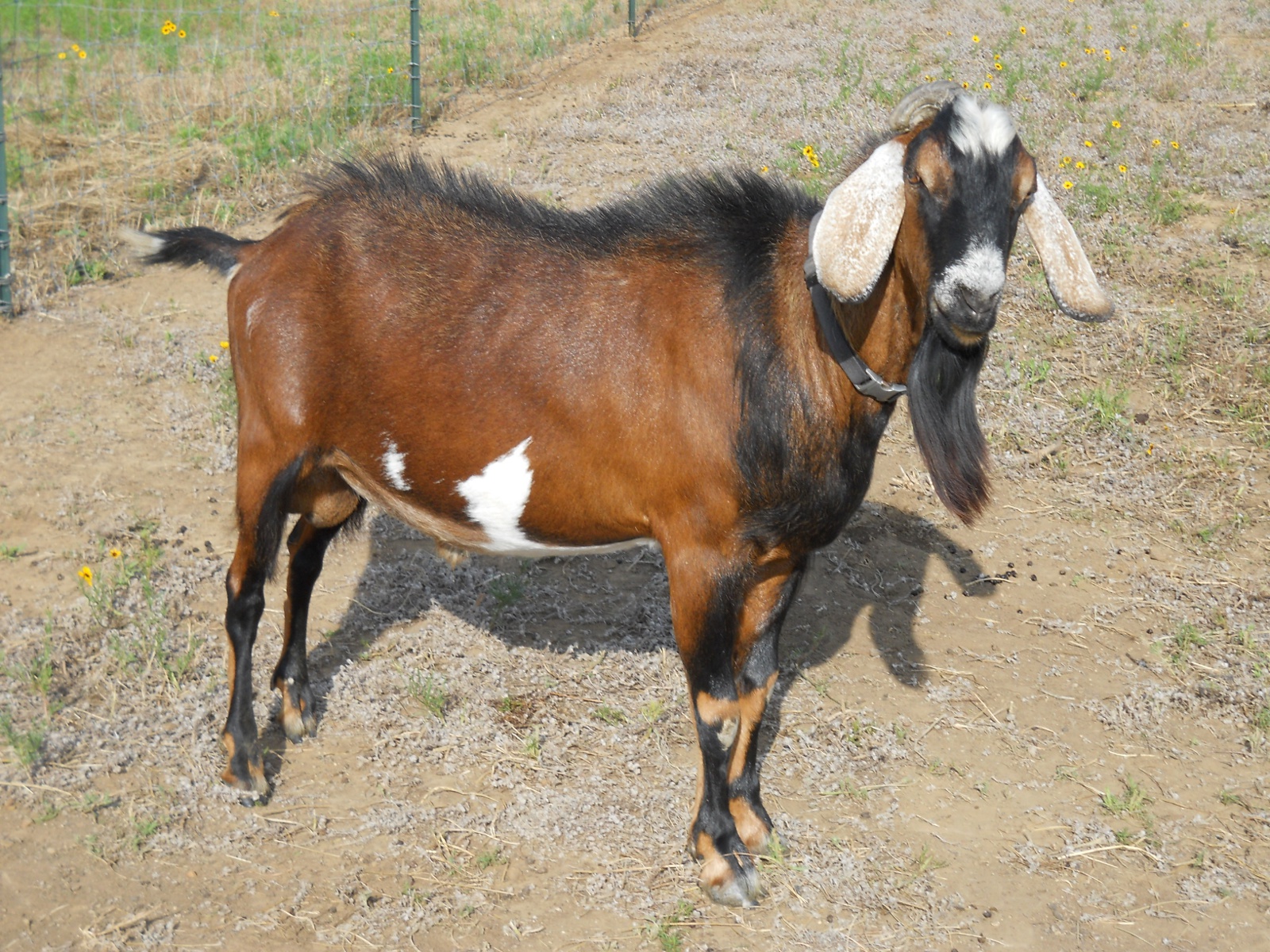
2012 Mating Billy Goat Shatner

…was mated with the following does, producing the following offspring:

Winnie (center), and her new buck Obie (we call him Obie from O.B., standing for “over bite,” because he has pretty pronounced one):
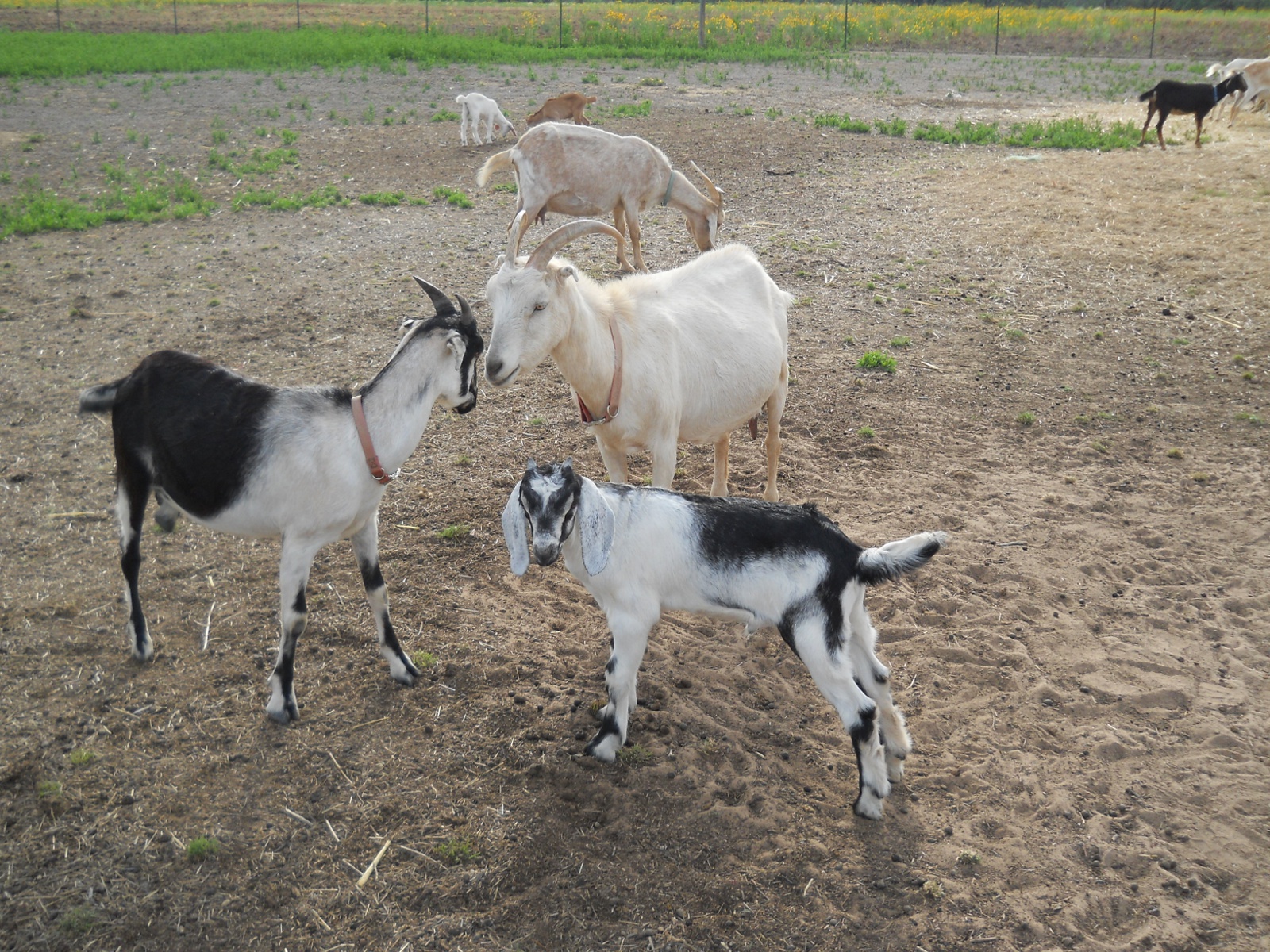
New 2012 Goat Buck Obie

If you are interested, here is a video of Obie’s birth, which Sue was able to capture. It’s a little graphic, for obvious reasons; but if you’ve never seen something like this, it is quite fascinating:

Betsy, and her new bucks Bo and Luke (think early ’80s TV show featuring a car named the “General Lee”):
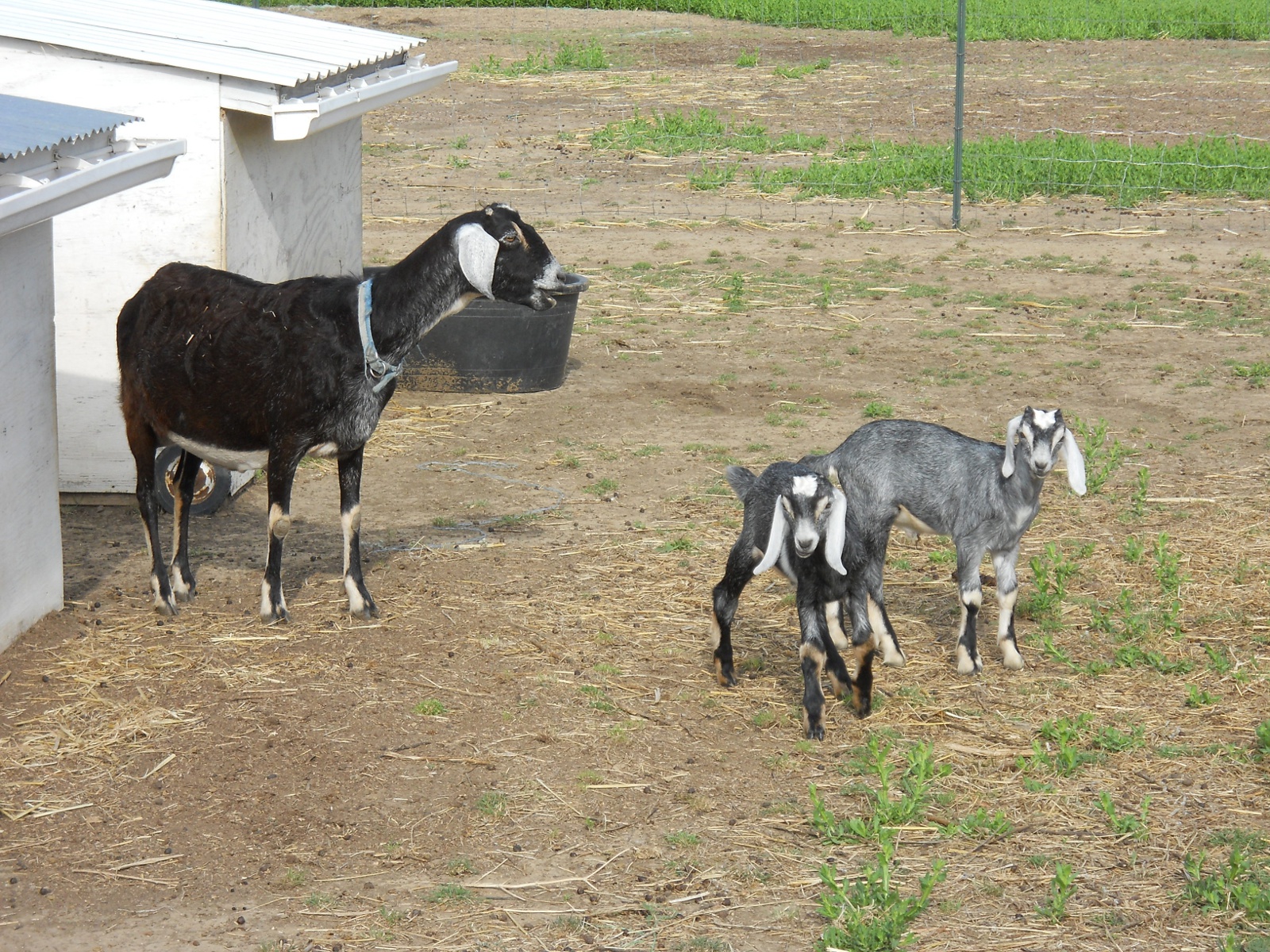
New 2012 Goat Bucks Bo and Luke

Hannah, and her new does Rigby and Pippi (because their ears look like pig tails):
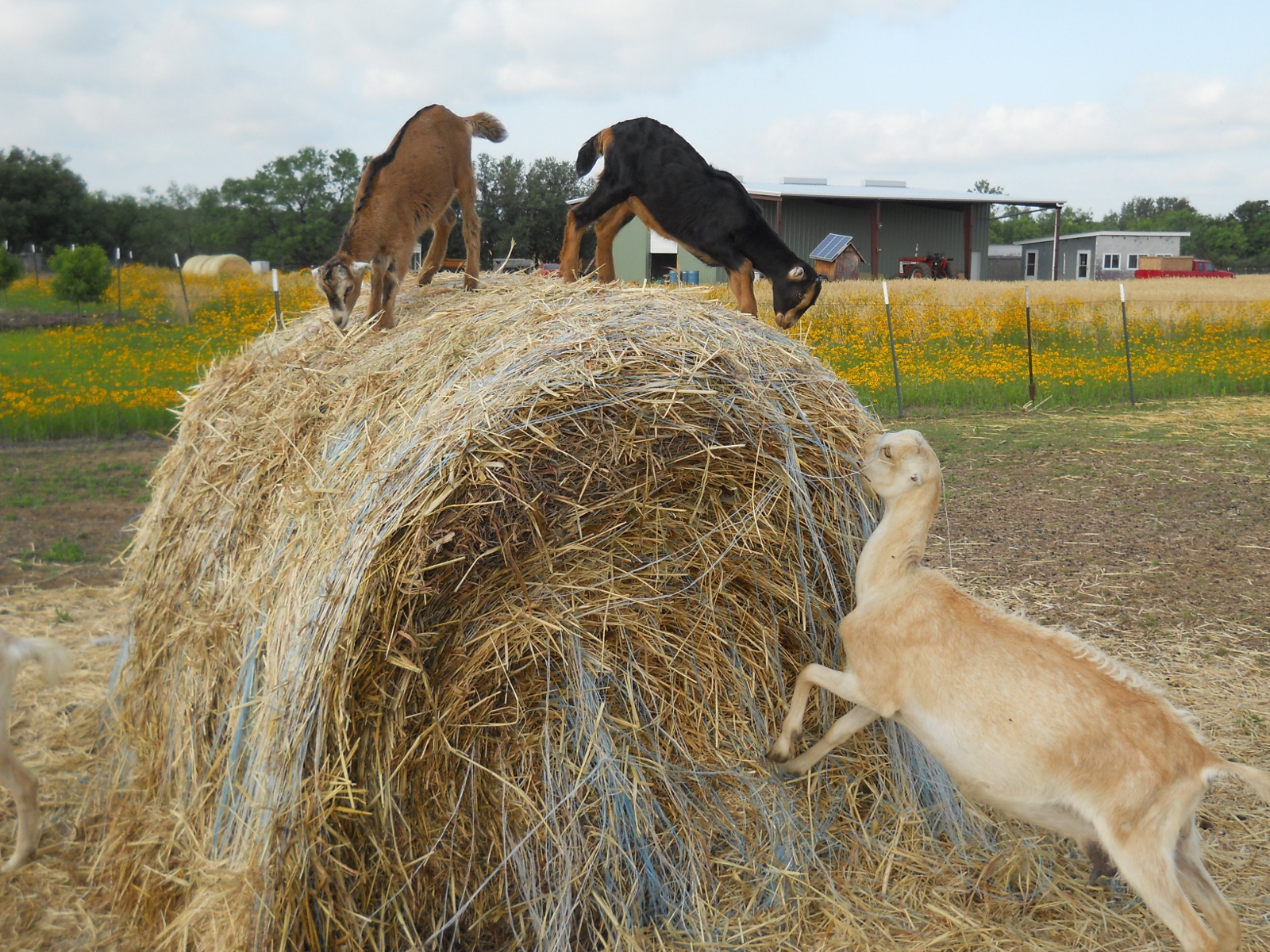
New 2012 Goat Does Pippy and Rigby

Pammy, with her new does PJ (for Pammy Jr., as she looks like her mother; and Sandy, like a white, sandy beach):
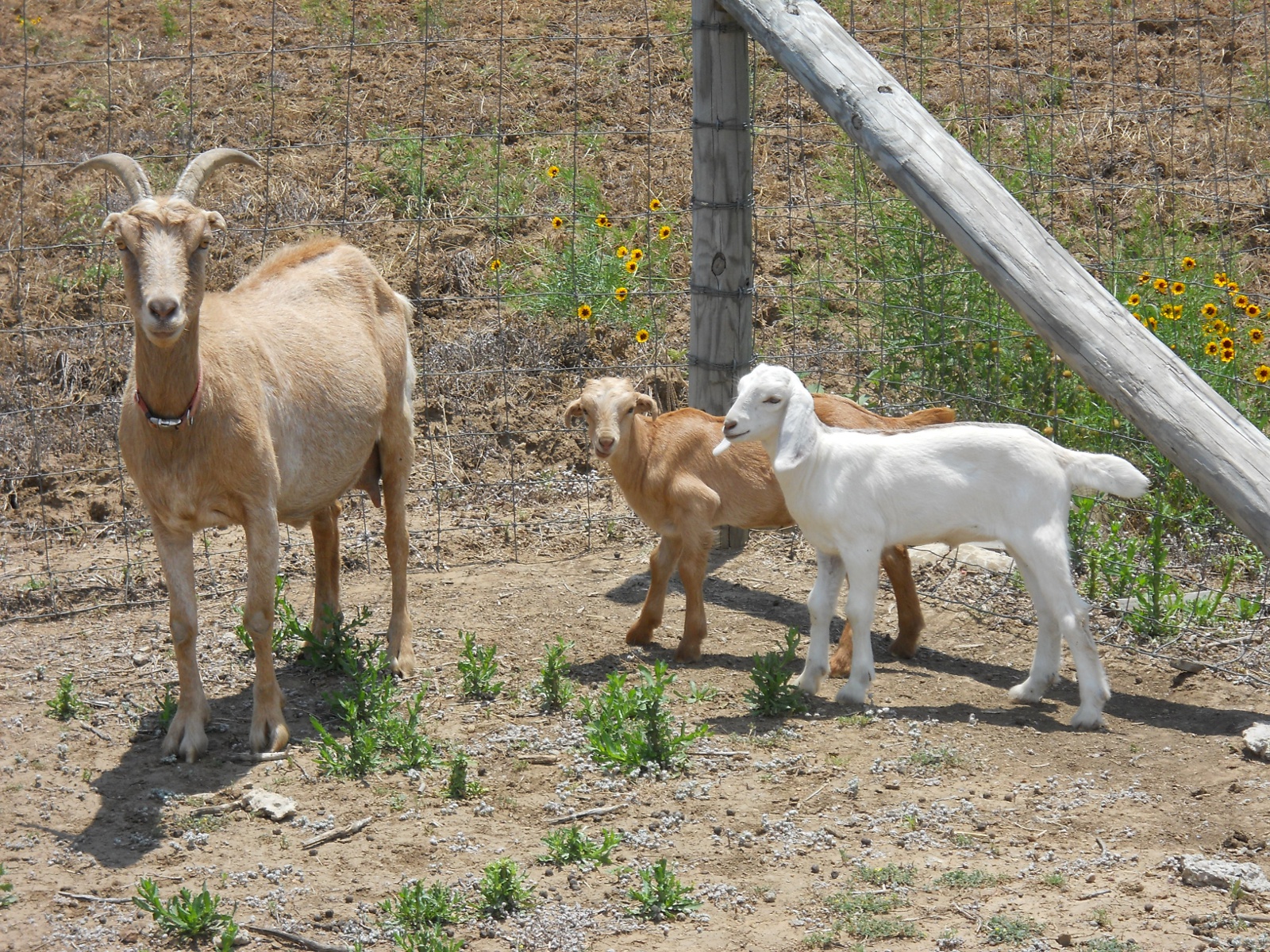
New 2012 Goat Does PJ and Sandy

Lucy, with her new buck Lester (from William Shatner’s daughter Leslie, since he looks a lot like his sire Shatner):
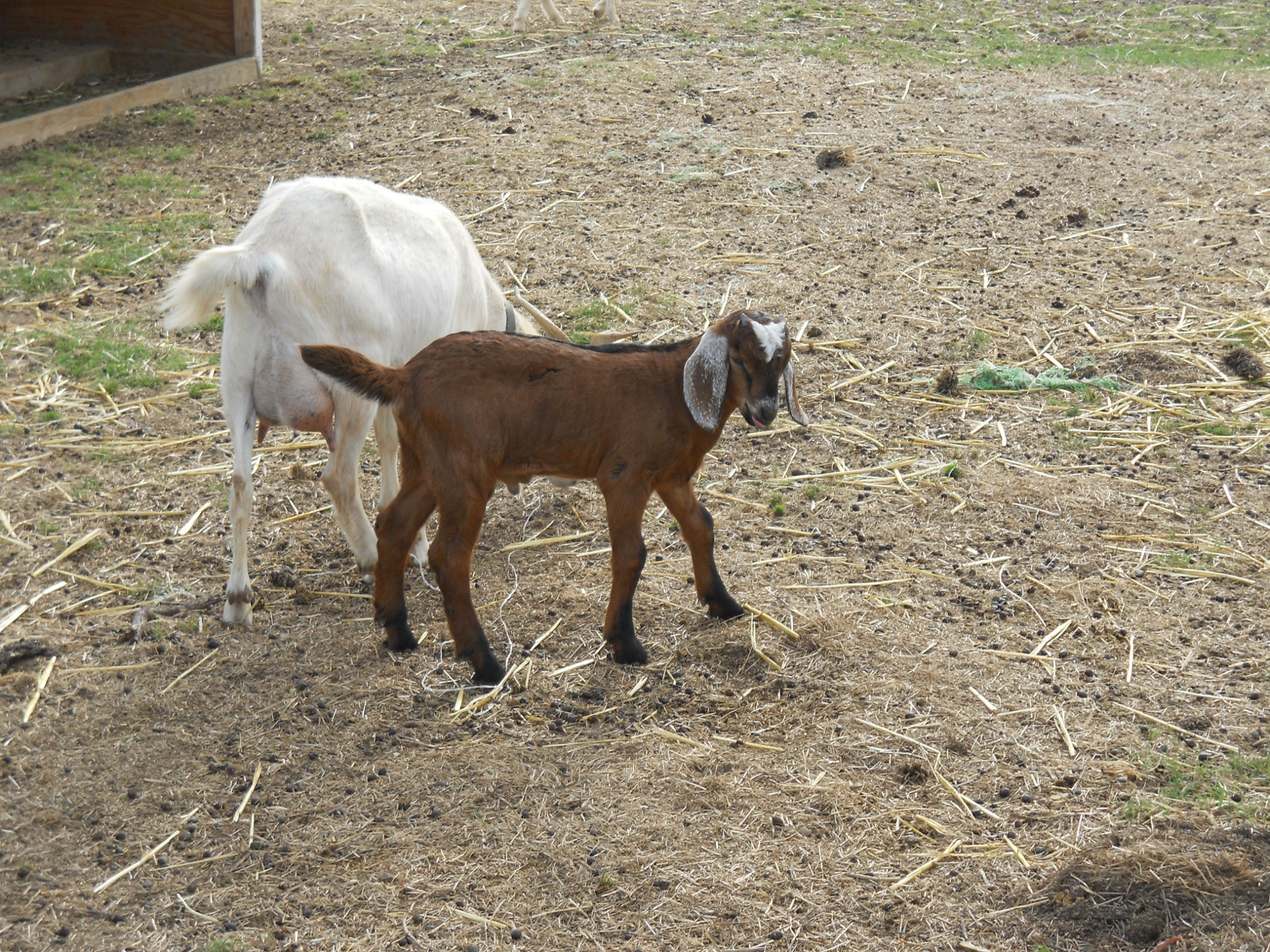
New 2012 Goat Buck Lester

And then, our billy Rocky…

2012 Mating Billy Goat Rocky

…was mated with the following does, producing the following offspring:

Marie, with her new buck and doe RJ (front) and Raquel (RJ for Rocky Jr., since he looks like his sire; and Raquel, since she does as well):
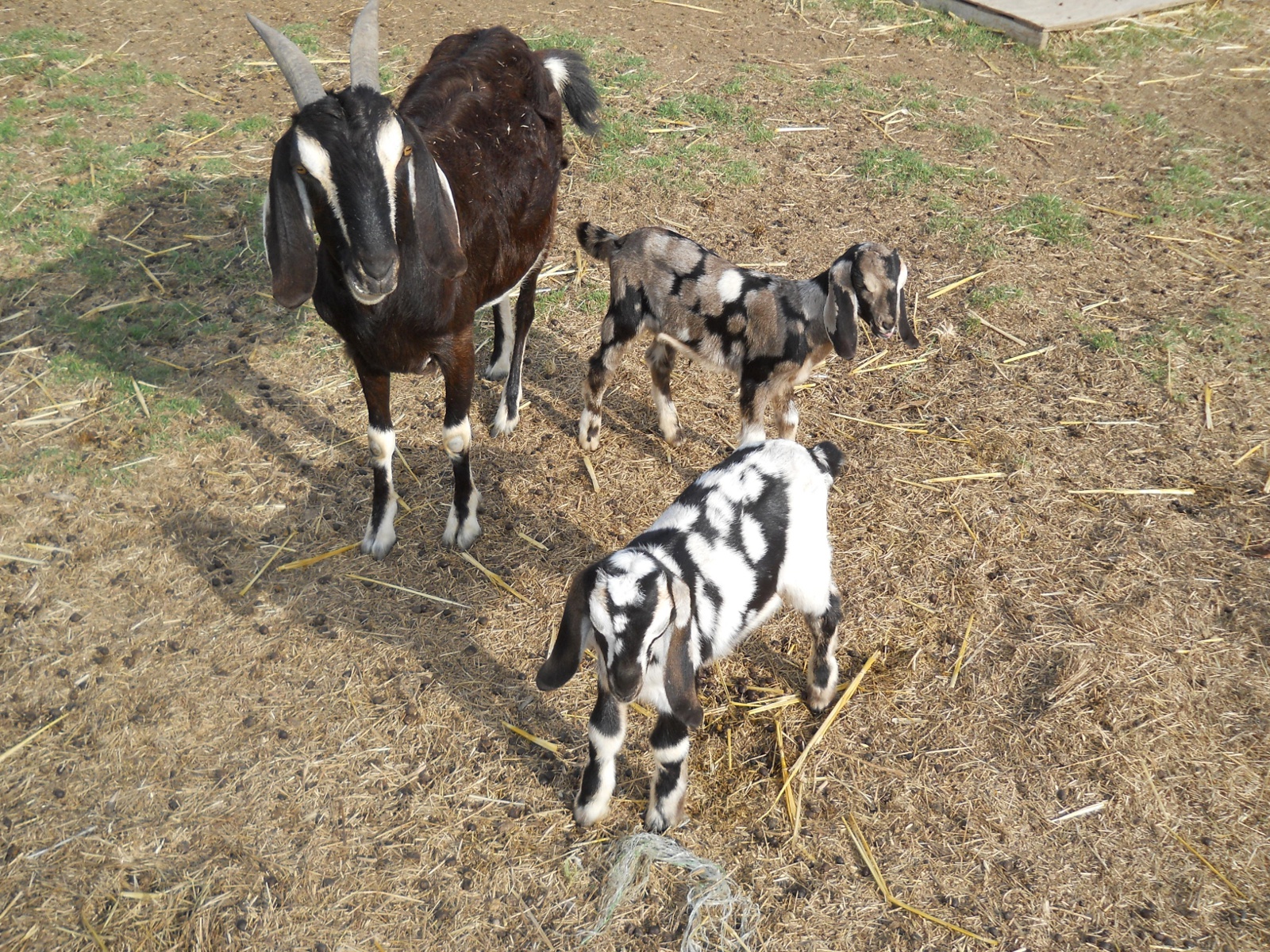
New 2012 Goat Buck and Doe RJ and Raquel

Nellie, with her new buck Melvin (from his coat looking velvety smooth, and Mel Torme being called the “Velvet Fog”):
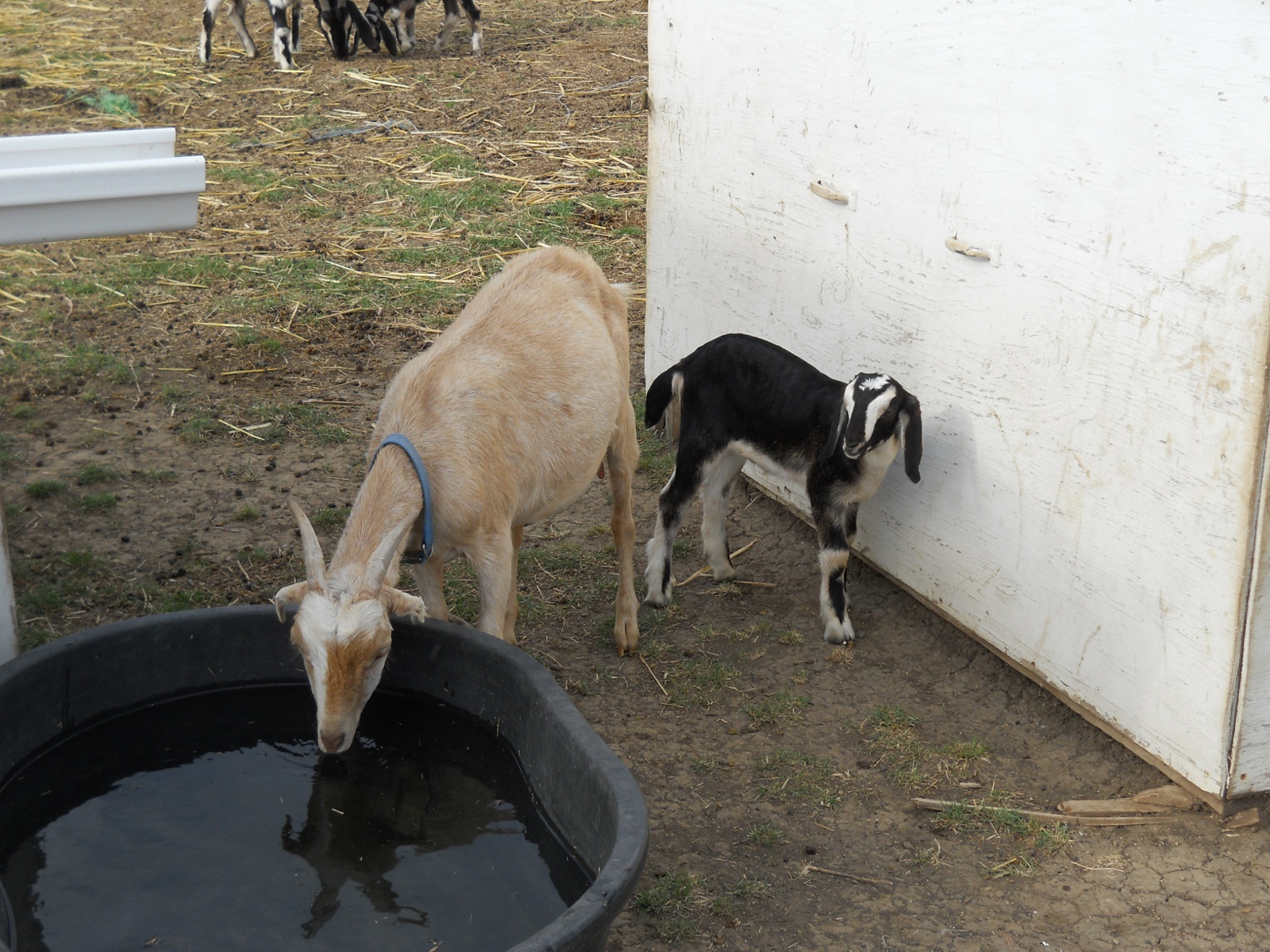
New 2012 Goat Buck Melvin

Gracie, with her new buck Albert (Princess Grace’s son is Prince Albert):
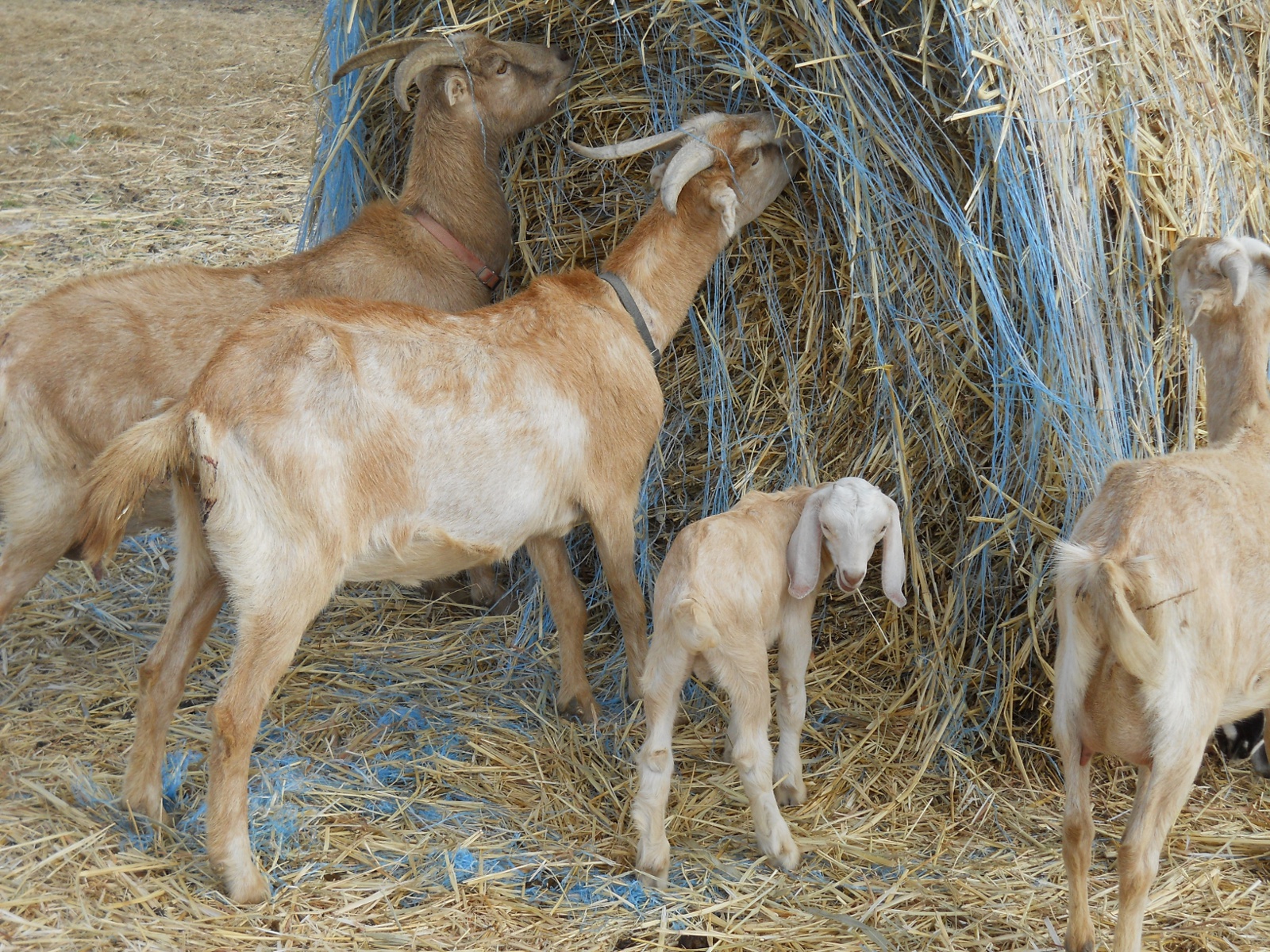
New 2012 Goat Buck Albert

*

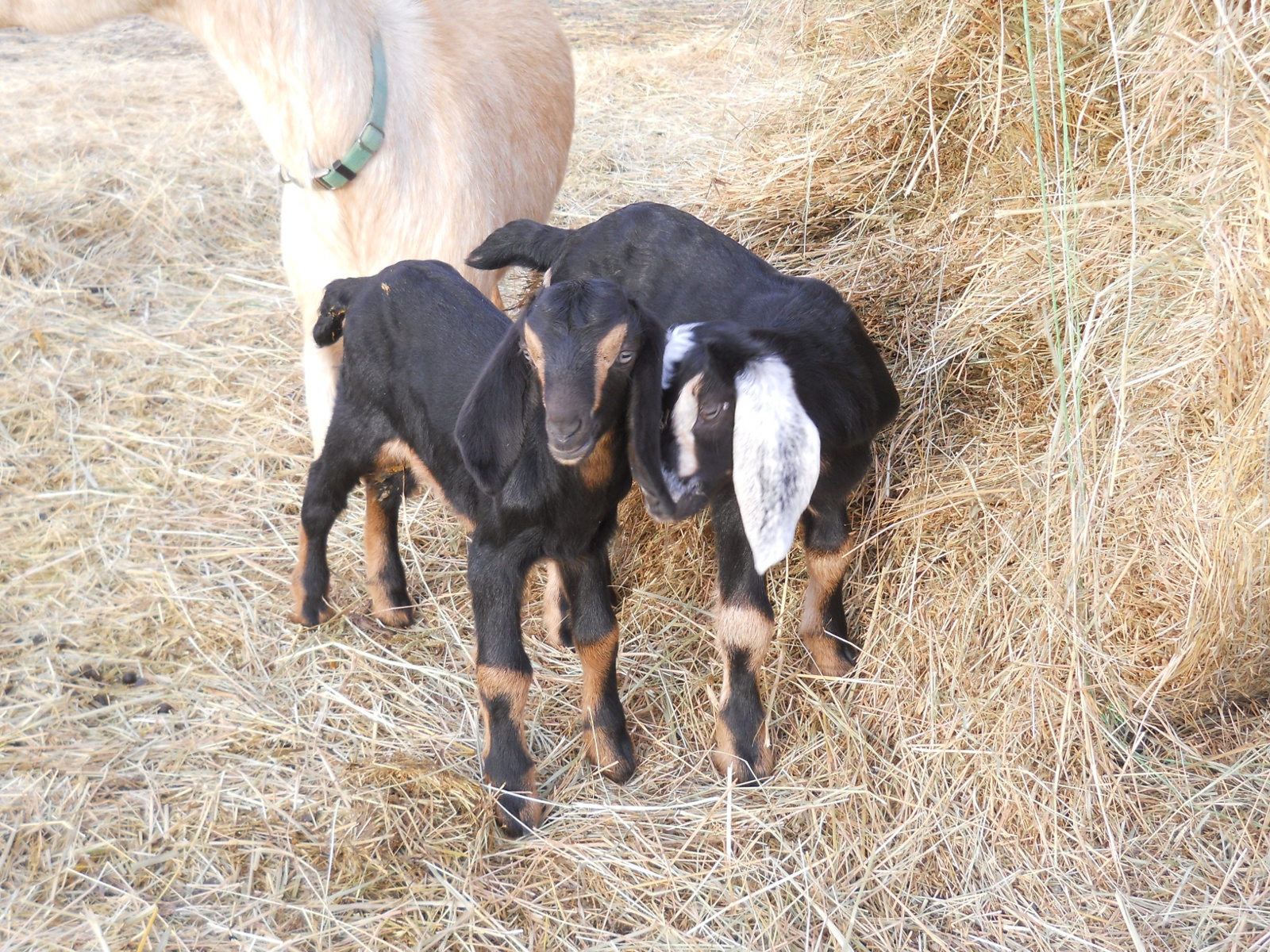
Gracie had another kid, whom she sadly rejected. And so, we sort of “adopted” (and I mean that loosely, not like adopting a pet today), and named him Junior:
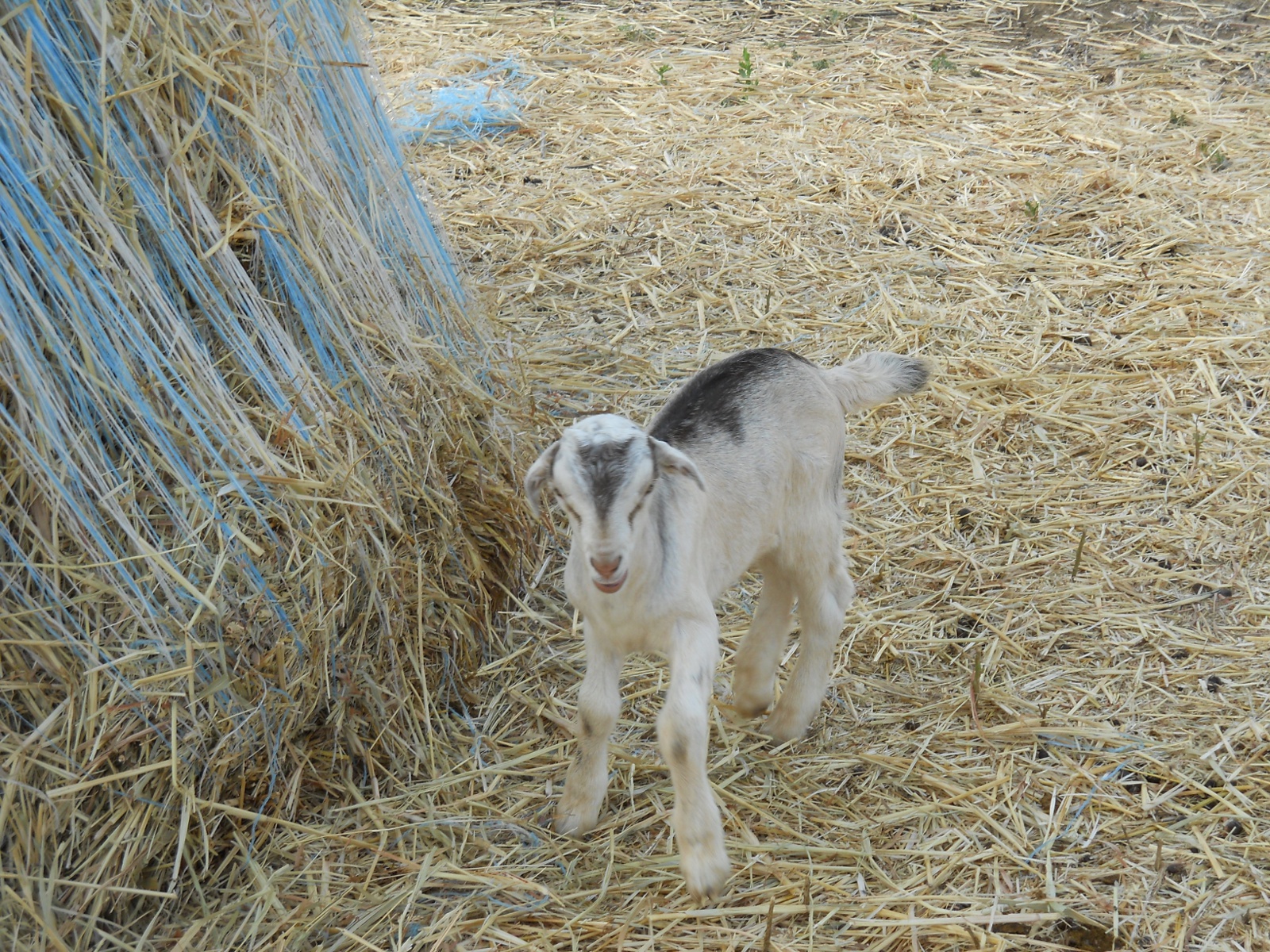
New 2012 Goat Buck Junior

And here Junior and Albert are together. They do often hang out, so my guess is that they have a sense for each other:
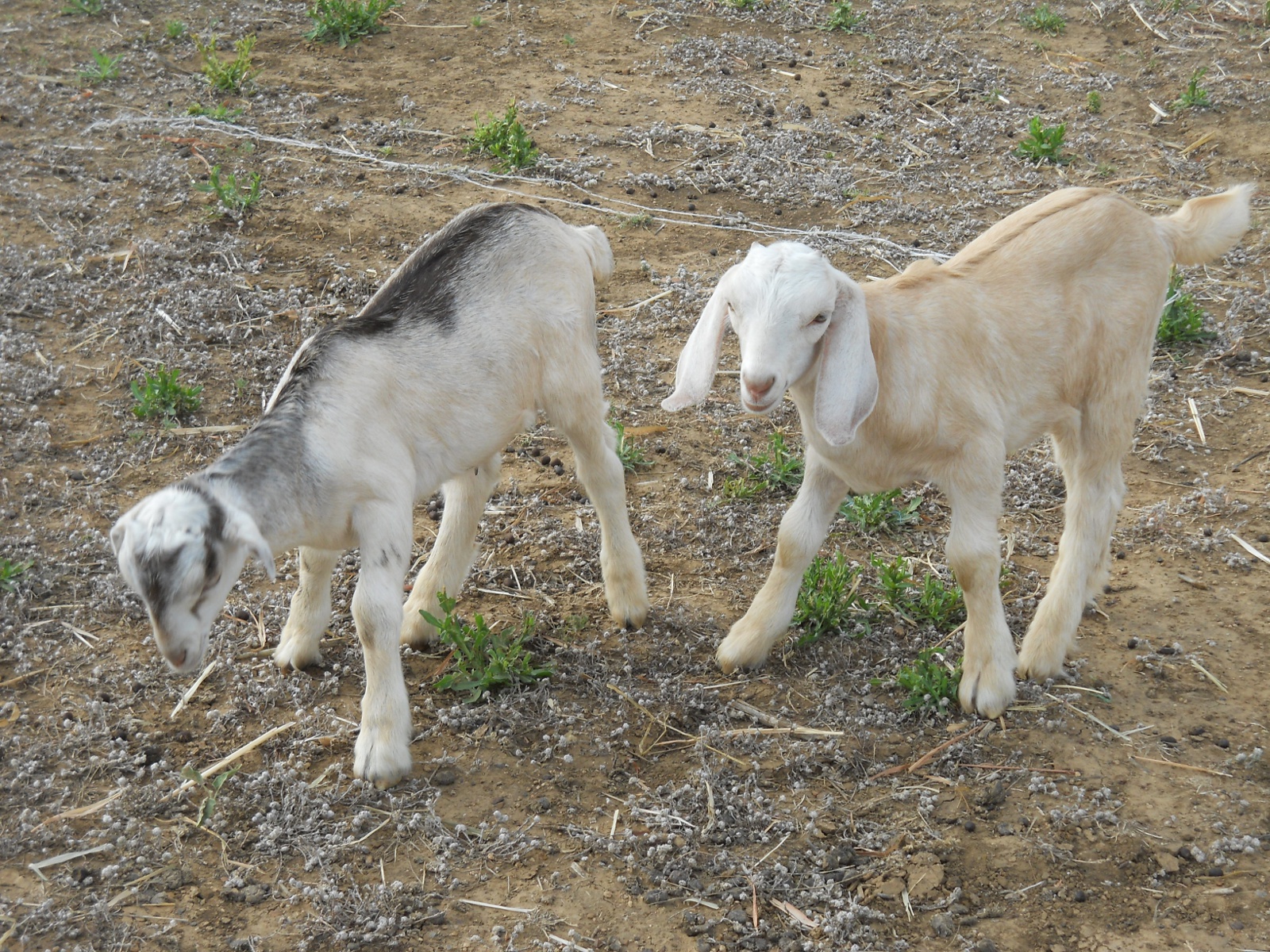
New 2012 Goat Bucks Junior and Albert

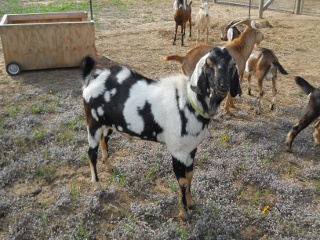
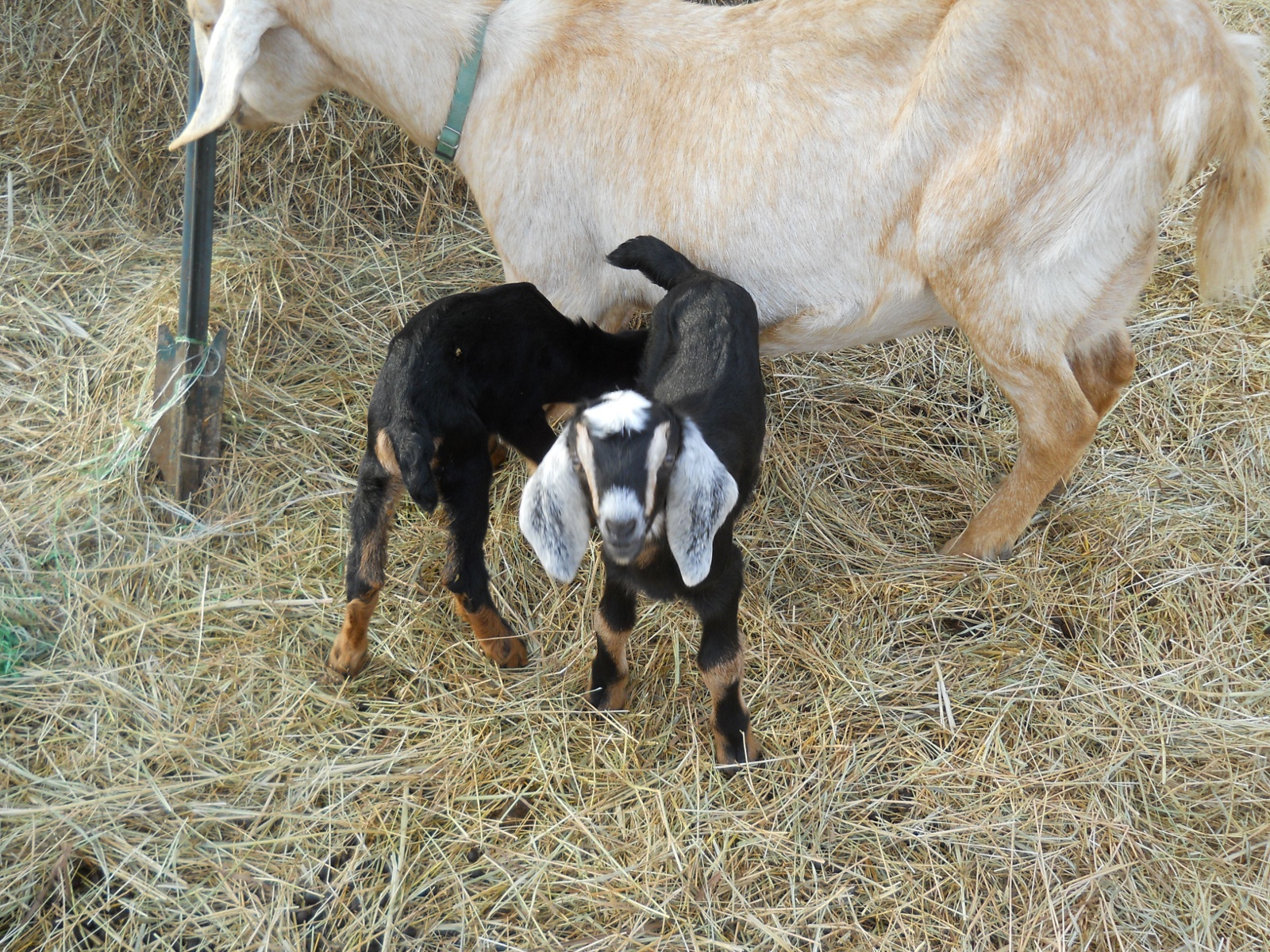
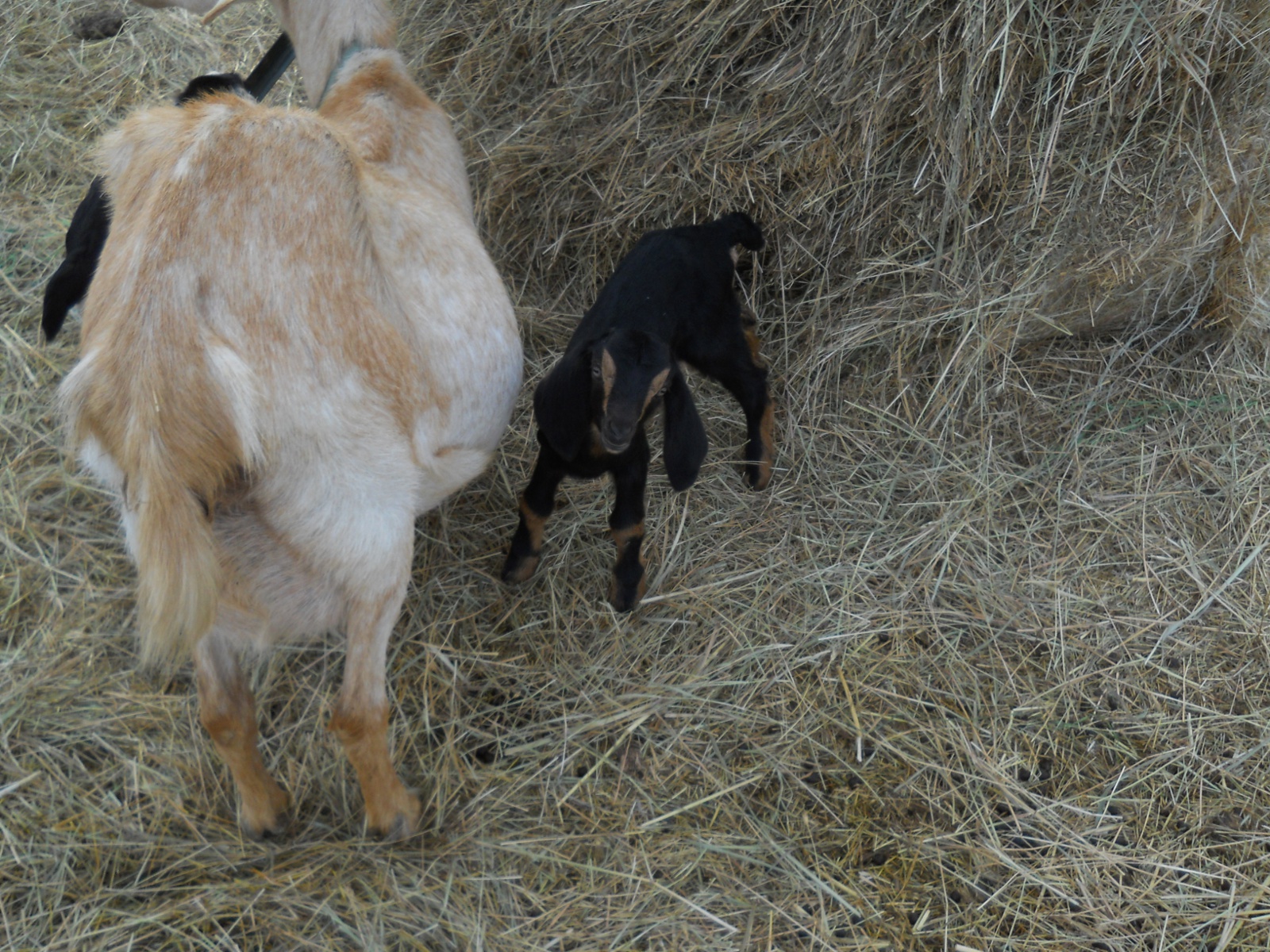
And finally, Tapioca, with her new doe and buck Annie and Spot (Tapi is the goat to the far right in the second scene of the birthing video above). Tapi had a very rough delivery — she was a little older and this was her first kidding, although we’re not sure if that played into it. Whatever the reason, she had one teat squirting blood and water, and that whole side of her udder was purple (looking extremely bruised), and she wouldn’t really get up much at all and walk around and eventually stopped drinking water. It was very hot outside, and she had flies eating the skin of her udder, ears, snout, arms, etc. — I tried spraying eucalyptus essential oils on her udder, as I read that might help keep them away, and because we had some; but it didn’t work. We had a dilemma with that too — being as hot as it was, we made some shade over her, but it was too hot for the flies as well; so, her being in the sun was better to keep the flies away but had her in direct sunlight, and putting her under the shade brought the flies back in. Sadly, in the end, we decided it was best to euthanize her; and so, we had two more orphans on our hands — the doe we decided to call Annie (for Little Orphan Annie) and the buck Spot (because he looks like a dalmatian):
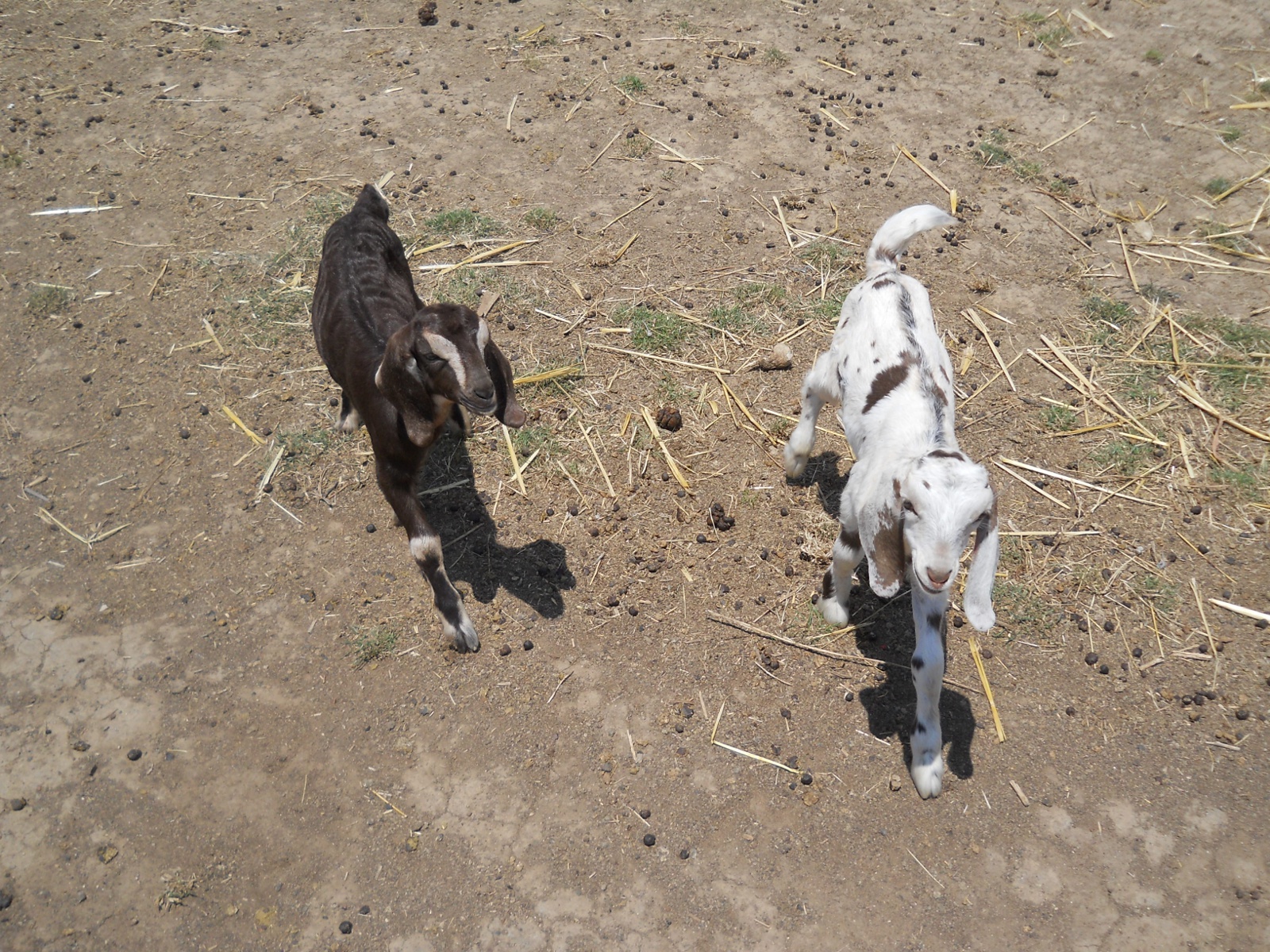
New 2012 Goat Doe and Buck Annie and Spot

Here is a video tour of the new herd:

And here is feeding time with the orphans:

As I mention in the tour video, the Lord showed His graces with the orphans in allowing other kids to be born on the same day, so we could “steal” some colostrum from the other mothers to get some into the orphans, as the colostrum has things in it, which apparently are adapted to the local area, to help the immune systems of newborns. We have had to use some milk replacer to feed the orphans, but now that the kids are over a month old, we’re able to use mostly milk from the other mothers.

Both orphan experiences, for different reasons, were somewhat difficult; but we thank the Lord for His help through them, and for the health of the orphans and all of the new kids.

We are very grateful to God for the increase in the herd, for the colostrum He granted for the orphans, for the increase in healthy goat milk; and we pray for help in proper management and for provisions for the herd.

— David
Providence’s Perpetuation Provisions: Chicks, Ahoy!

The Lord has shown extra graces this year in the amount of broody hens we’ve had. We almost can’t keep up, for which we’re very thankful!

And so, after the first round of chicks hatched for 2012, here is the next round from the hens that were in the “nurseries” mentioned in that previous blog post.

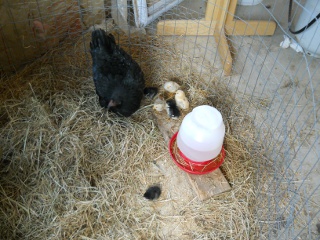
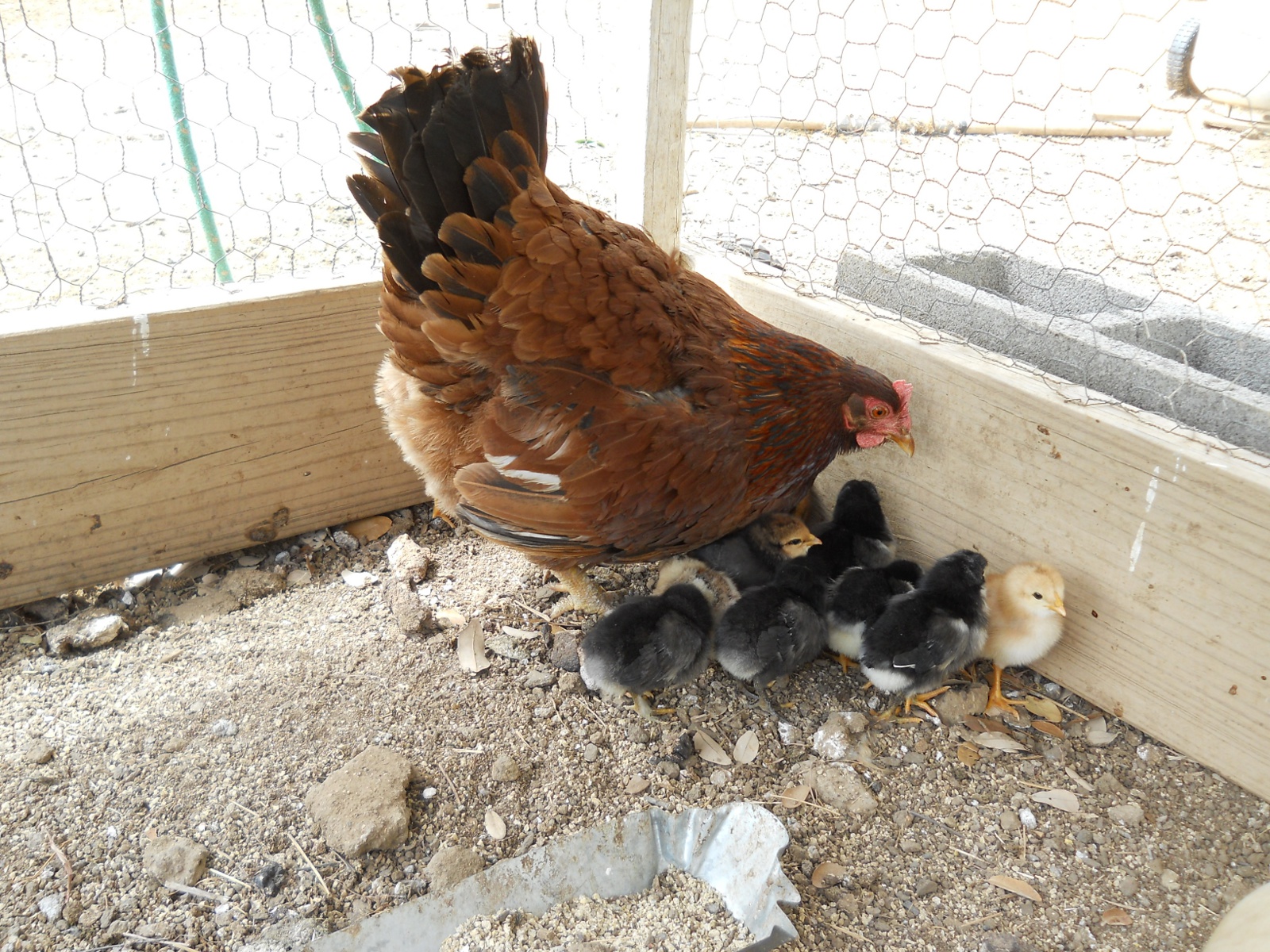
This was the next hen to hatch some out (this one wasn’t mentioned in that last blog post; these chicks are Group 2). We had her in our chicken pen area:

New Chicks 2012 Second Hatching

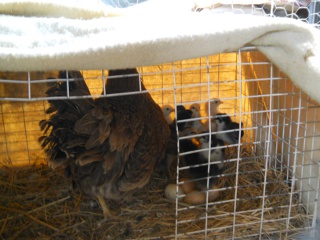
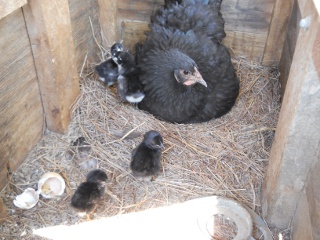
Going onto the “nursery,” this was the next hen to hatch her chicks (Group 3):

New Chicks 2012 Third Hatching

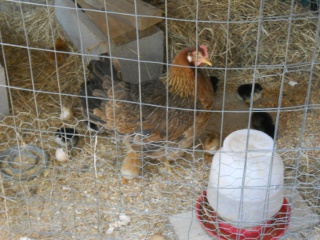
And then here’s the next one (Group 4). You can see the struggling one at the bottom — I didn’t think it was going to make it; and it looked like it had trouble walking; but by God’s graces it did, as you can see in the video below. I did add some “shackles” to its legs using duct tape, as it looked like it might have been spraddle-legged; I don’t know if it was for sure, but if it was, the shackles seemed to help (I got the shackles info from http://www.poultryhelp.com/spraddle.html, although our little chick didn’t look as bad as the example on that page). We have tried the shackles before on a very young rooster, and by God’s granting the shackles definitely helped:

New Chicks 2012 Fourth Hatching

And then here’s the hen and her chicks that are in the piano room (Group 5). This one also had a chick that really looked like it wasn’t going to make it — it had trouble standing, looked very sleepy, and couldn’t really get around very much. I actually put the spraddle-leg shackles on it too, but it was having so much trouble dealing with them (it was just falling over with its talons pointed backward) that I removed them. I thought for sure it wasn’t going to make it; but, again by God’s granting, it did, and it seems to be getting around pretty well now:

New Chicks 2012 Fifth Hatching

Finally, there were a couple of broody hens in our main chicken tractor that we just didn’t have a place for in any of our other buildings — they were both in the same nest; and so, we waited until they were supposed to hatch them, and they did hatch two before we could move them. Then, having removed the mother hen from Group 1 from the previous chick-hatching blog post, we also removed the mother hen from Group 2 that is in the chicken pen area, shuttled Group 1 to the chicken pen, and moved one of the mother hens (we just picked one), the chicks, and the rest of their eggs to the mini-tractor; and since, she has hatched out two more (Group 6):

New Chicks 2012 Sixth Hatching

And here’s a video about them all:

Whew! But, apparently we aren’t done yet, Lord willing — there are now even more broody hens; and so, we plan to keep the shuttling-to-the-chicken-pen area/opening-up-a-nursery-area process going.

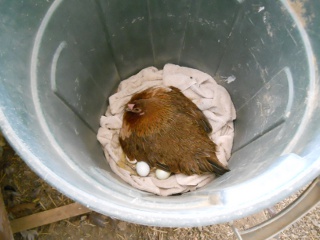
This one is scheduled to hatch out next. She decided to get broody in an empty garbage can (which she leaves every once in a while to get food and water), where chickens sometimes lay eggs:

Game Hen Brooding in Garbage Can

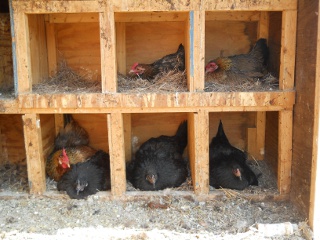
And here are the nests in the main chicken tractor. The game hen in the upper right is scheduled next after the garbage can hen, and then we just added eggs under the three Australorp hens on the bottom nests (the other hens I think were just “playing” broody at the time of the picture). I believe the hen in the bottom right nest is one of the ones that helped hatch out Group 6:

More Broody Hens in the Chicken Tractor

And so, once again, we are very thankful to God for this “problem” of many broody hens; and we thank Him for these many safe hatchings.

— David

Providence’s Perpetuation Provisions: First New Chicks of 2012

Last year, the Lord granted that some of our hens would be broody and sit on eggs — something that hadn’t really happened much until then. Well, God has continued to be gracious in that way, granted one of our hens to get broody; and by God’s graces, she hatched out 13 new chicks out of 14 eggs!

We’ve since lost one, but here is a picture of them:

New Chicks Hatched Early April 2012

And a quick video:

Along with this hen, we suddenly had an avalanche of broody hens! We’ve had a hard time finding where to put them, but we put one in our chicken coup in the chicken pen, and turned our summer kitchen into a chicken nursery.

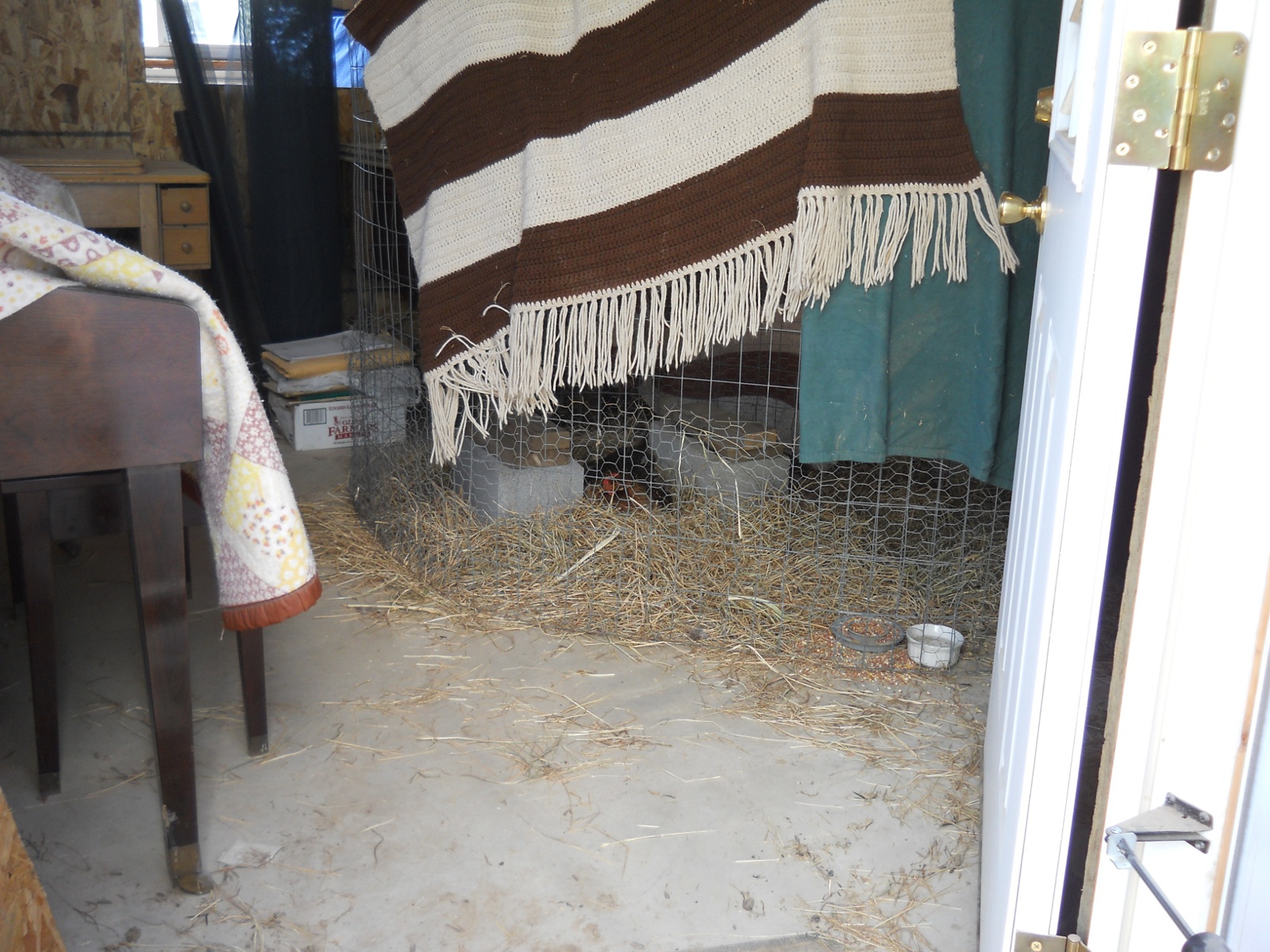
Here’s one sitting in the piano room:

2012 Spring Chick Nursery in Piano Room

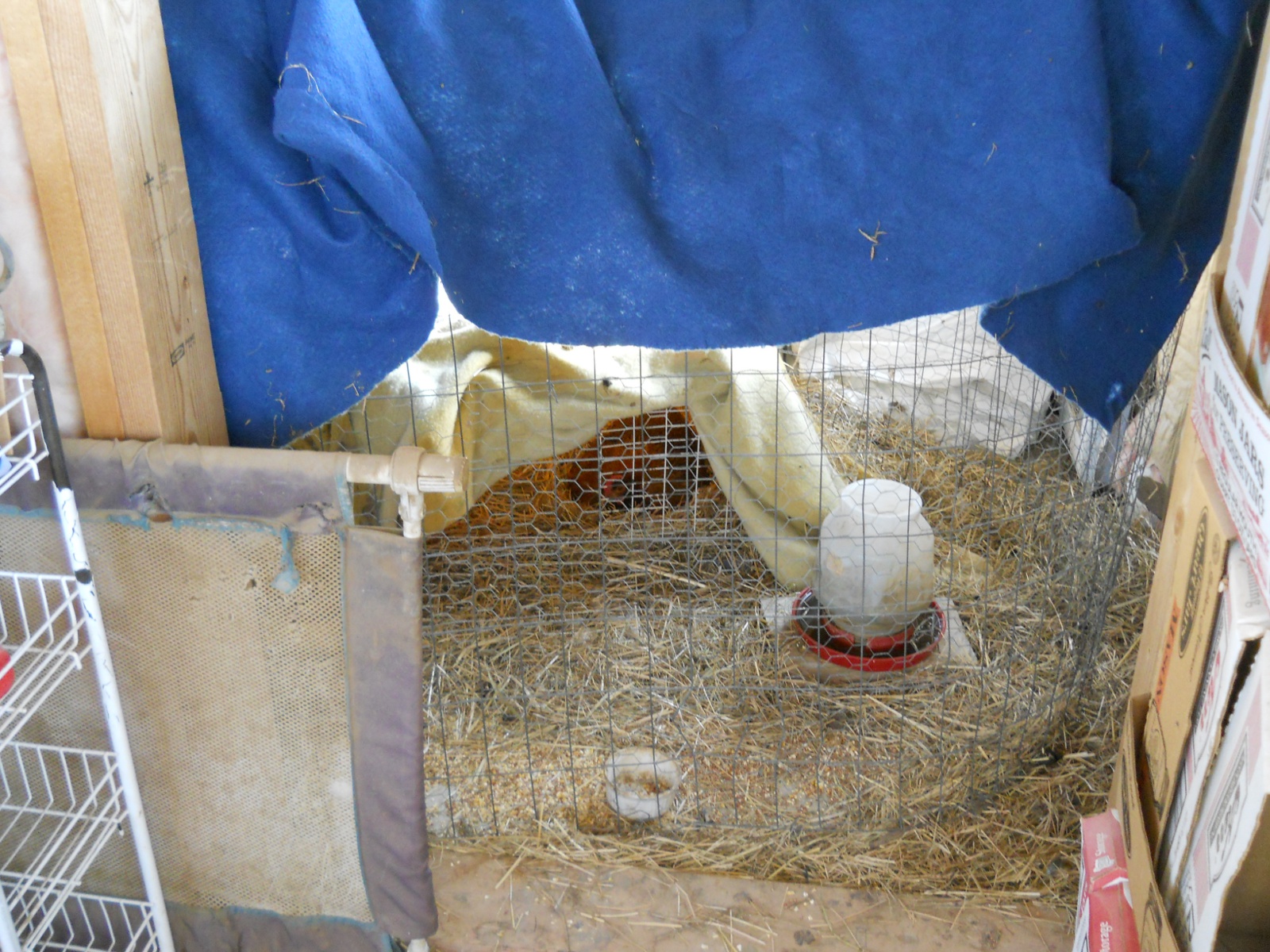
And another in the summer kitchen area:

2012 Spring Chick Nursery in Summer Kitchen

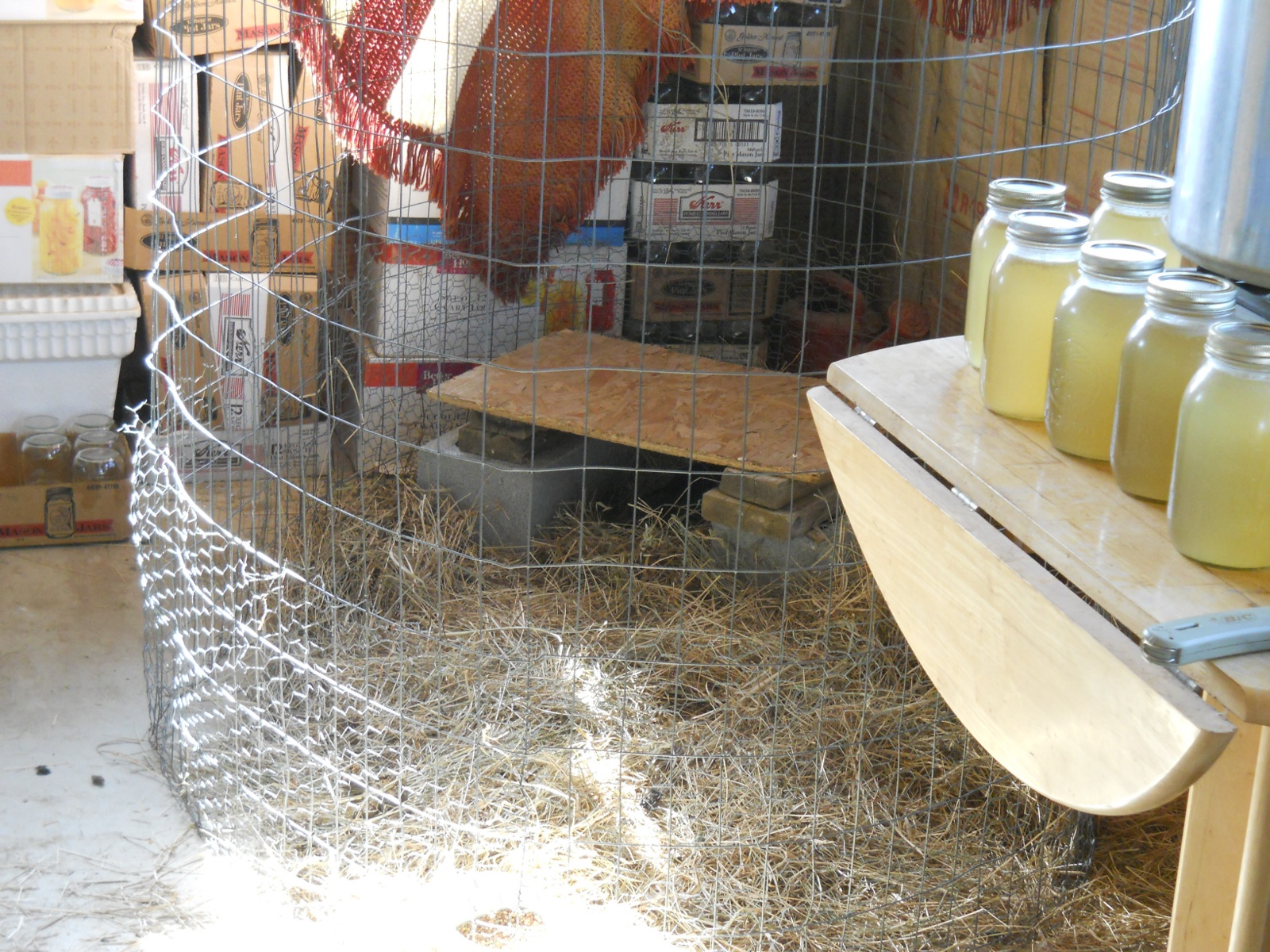
And the pantry:

2012 Spring Chick Nursery in Summer Kitchen Pantry

There are two (sometimes three in two nests) more in the main chicken tractor that we’re not sure where to put, but hopefully we will figure that out before the chicks hatch (if the Lord wills).

We are very grateful to the Lord for granting this “problem,” and we pray for continued healthy hatchlings, according to His will.

— David

Garden – Spring 2012

After last year’s drought and not being able to plant a garden (other than the tomatoes, which I mentioned in our Mercy in the Drought blog post), with rains we received over the winter time, we were grateful to the Lord for granting us this year to be able to do so!

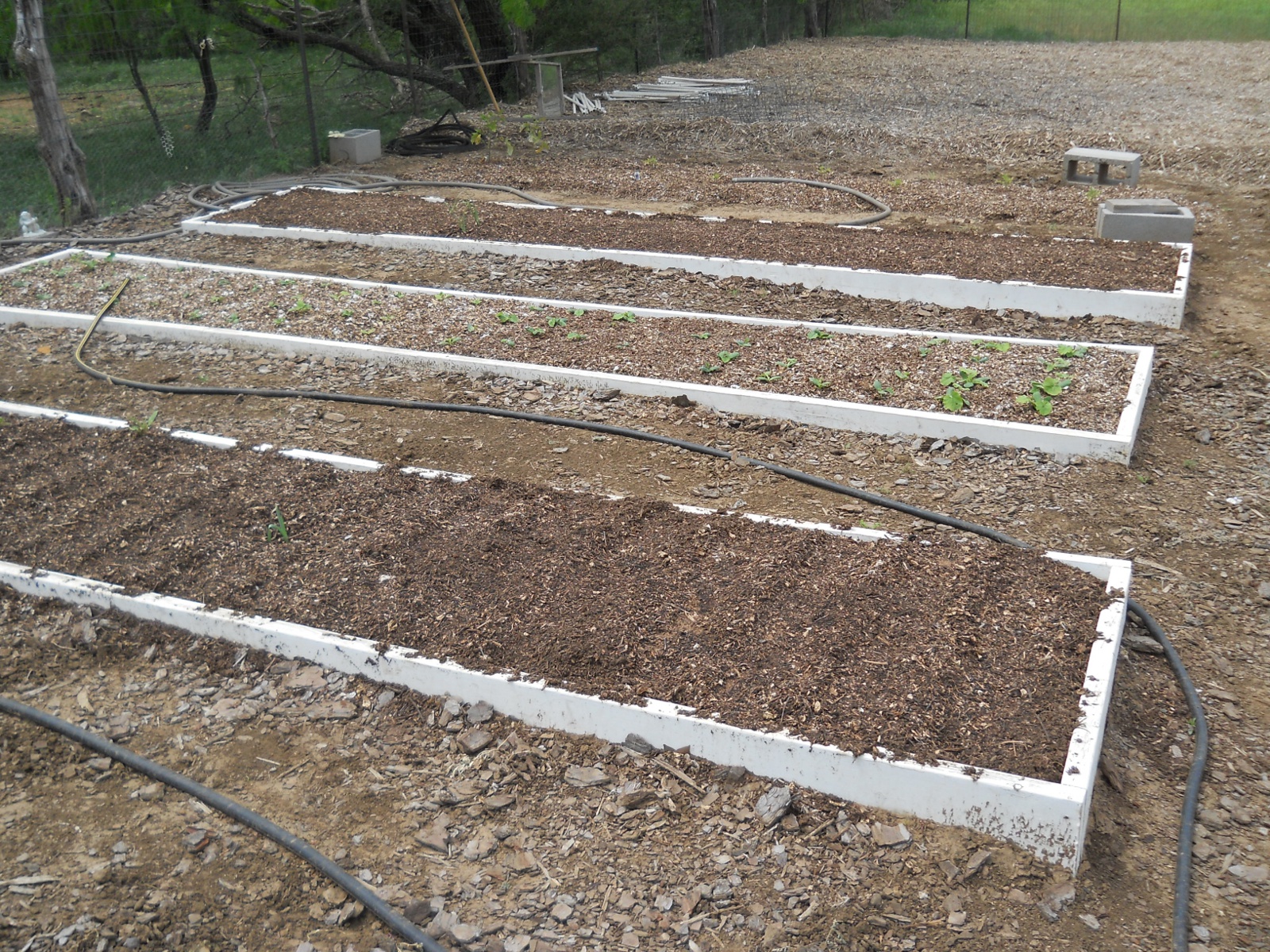
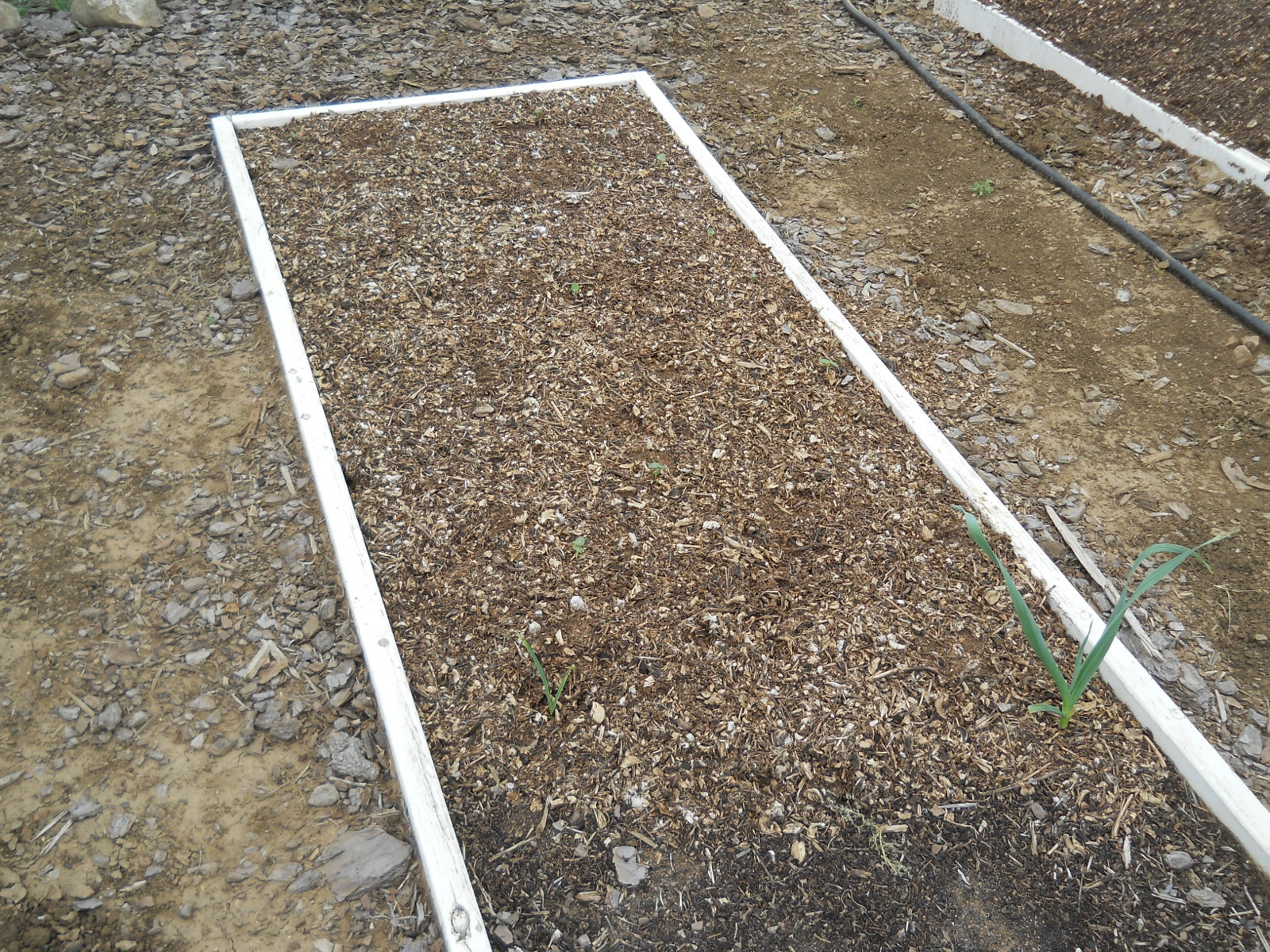
We have prepared several garden and orchard areas with the mulching for long-term composting, and since those aren’t immediately ready, I figured we would just continue to use the raised beds we have. Several are still in garlic for this year; but for the other ones, I bought compost, and just dumped and spread it on top of the soil that was already there, thinking I could plant directly into the compost (assuming compost in general was a good thing to plant in). What I failed to think through was that compost you can plant into is already composted, whereas the stuff I bought I believe still needed to compost. After planting in them, only the squash and zucchini, and a few okra sprouted — the beans and carrots didn’t (but for a few exceptions; I’m wondering if the squash/zucchini sprouted because of the seeds having hard-shells). I should have done my research *before* I planted. 🙂 And so, I decided to go in and mix the compost with the soil underneath a couple of the beds and replant the green beans and carrots.

Also, in watering the beds that have only compost on top, just running even quite a bit of water on them didn’t seem to cause the compost to get wet at all. I couldn’t understand what was going on — I mean, the water had to be going somewhere. Well, it appeared that if I just let the water run and soak in underneath, on the next day or two, the compost was indeed moist all through; and so, I figured that the water was just soaking upward after watering.

And here are the beds planted. I also planted already-growing tomato plants in the far, not-raised bed, in just the compost, although fairly deeply; and they are still living, but don’t seem to be growing much; so we will have to see how they turn out:

Garden Spring 2012 Raised Beds

And here is the okra area in the far side of one of the garlic beds:

Garden Spring 2012 Ocra Area

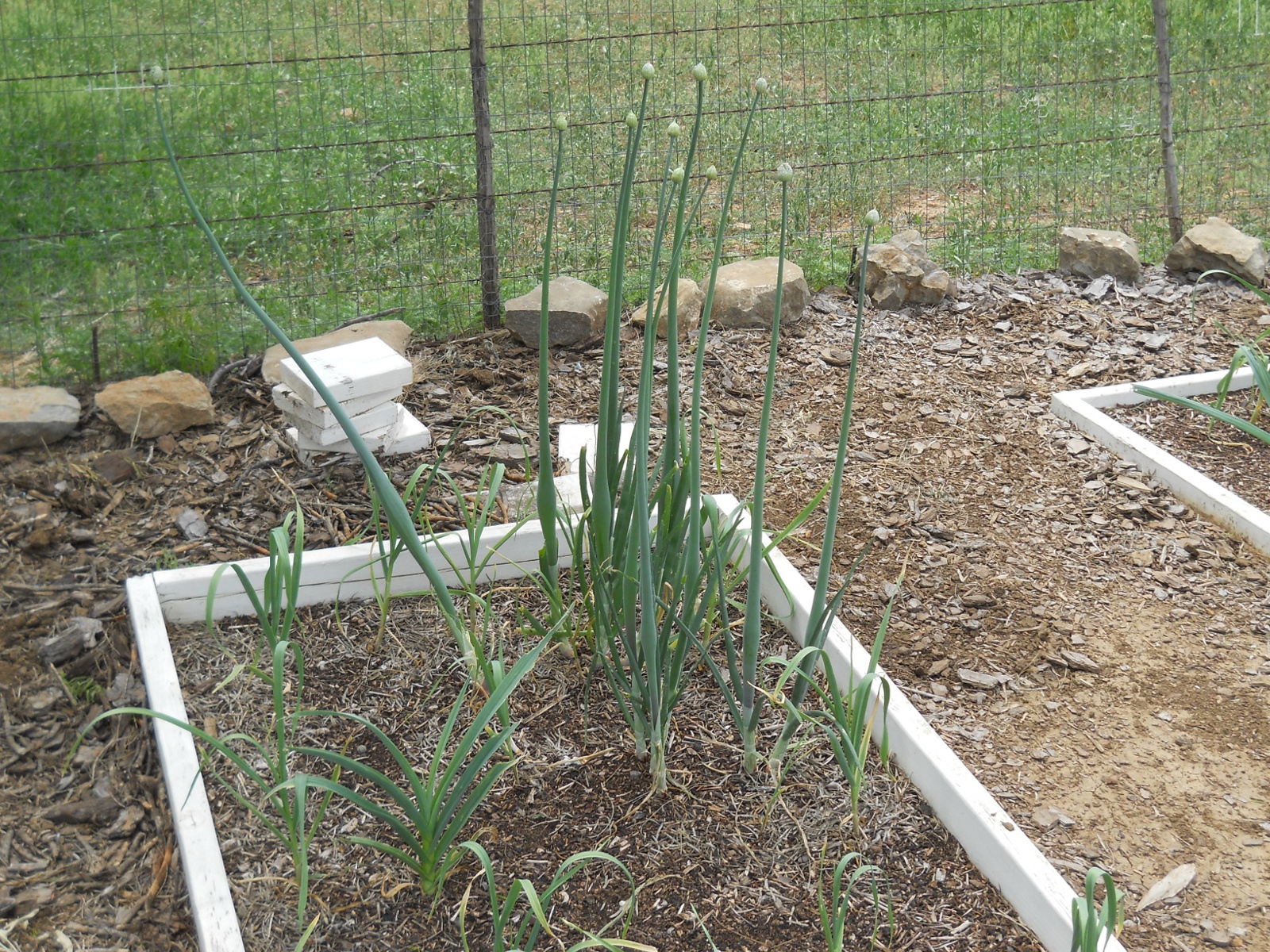
Interestingly, in one of the garlic beds, we had planted onions several years ago; and after last year’s drought, there wasn’t much left of them (some of them had continued to grow each of the previous years). Well, I thought I had cleared them all out for the garlic, but apparently not. We basically just use the green tops as I don’t believe bulbs are really growing, but I suppose we will see how that goes too, Lord willing:

Garden Spring 2012 Green Onions

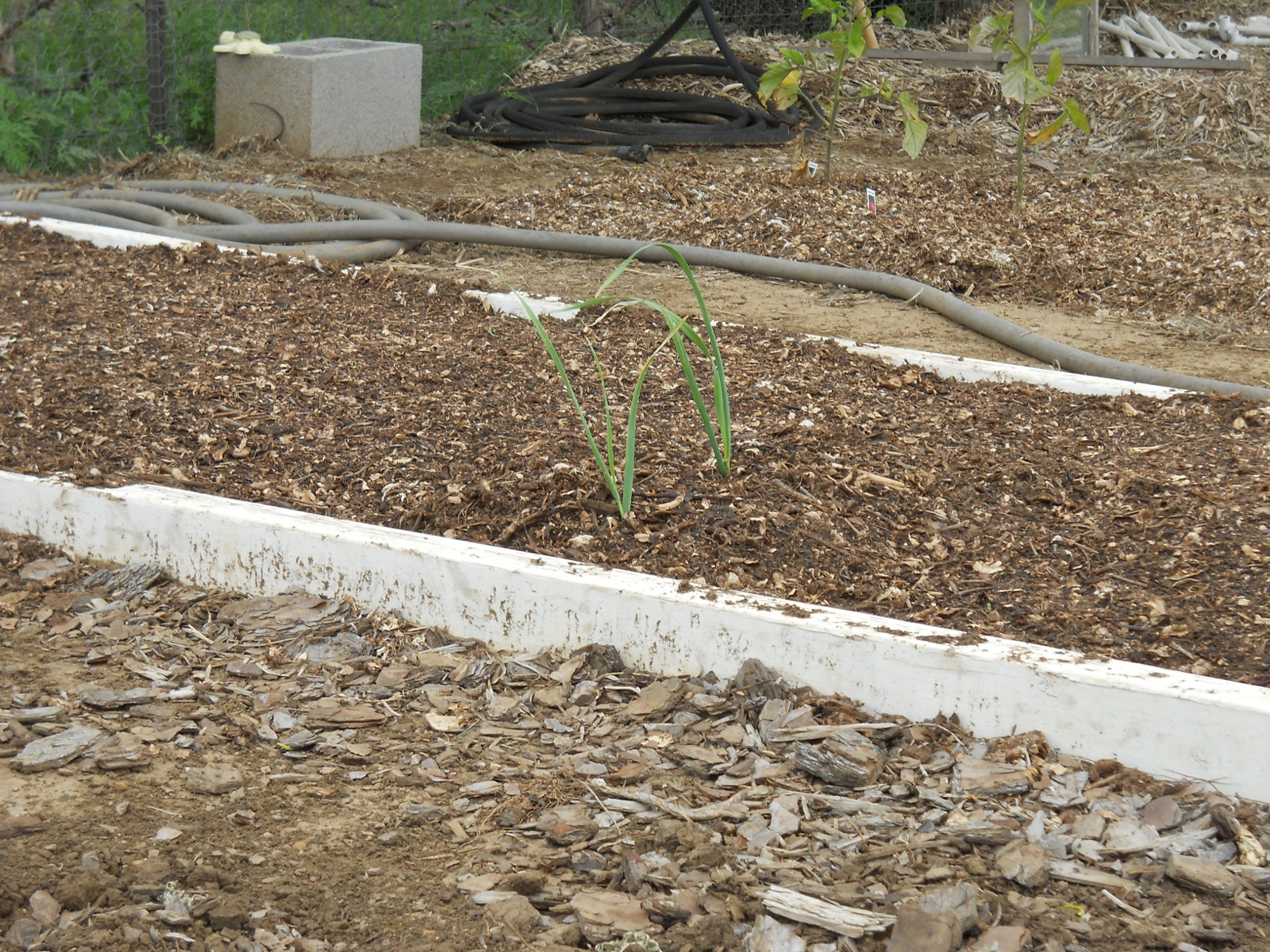
Also interestingly, although I didn’t plant garlic in them this year, apparently there was some remnant cloves from last year, still in them. Here is the carrot bed with a couple of garlic plants growing:

Garlic from Last Year in Spring 2012 Garden Bed

We are truly thankful to God for the opportunity to plant and water this year, and we pray He might grant provisions from the garden, in accordance with His will.

— David

Turnips & Wheat 2012 – Update I

The Lord has graciously brought a mild winter and plenty of rain, and has granted that our turnip and wheat crops begin to flourish!

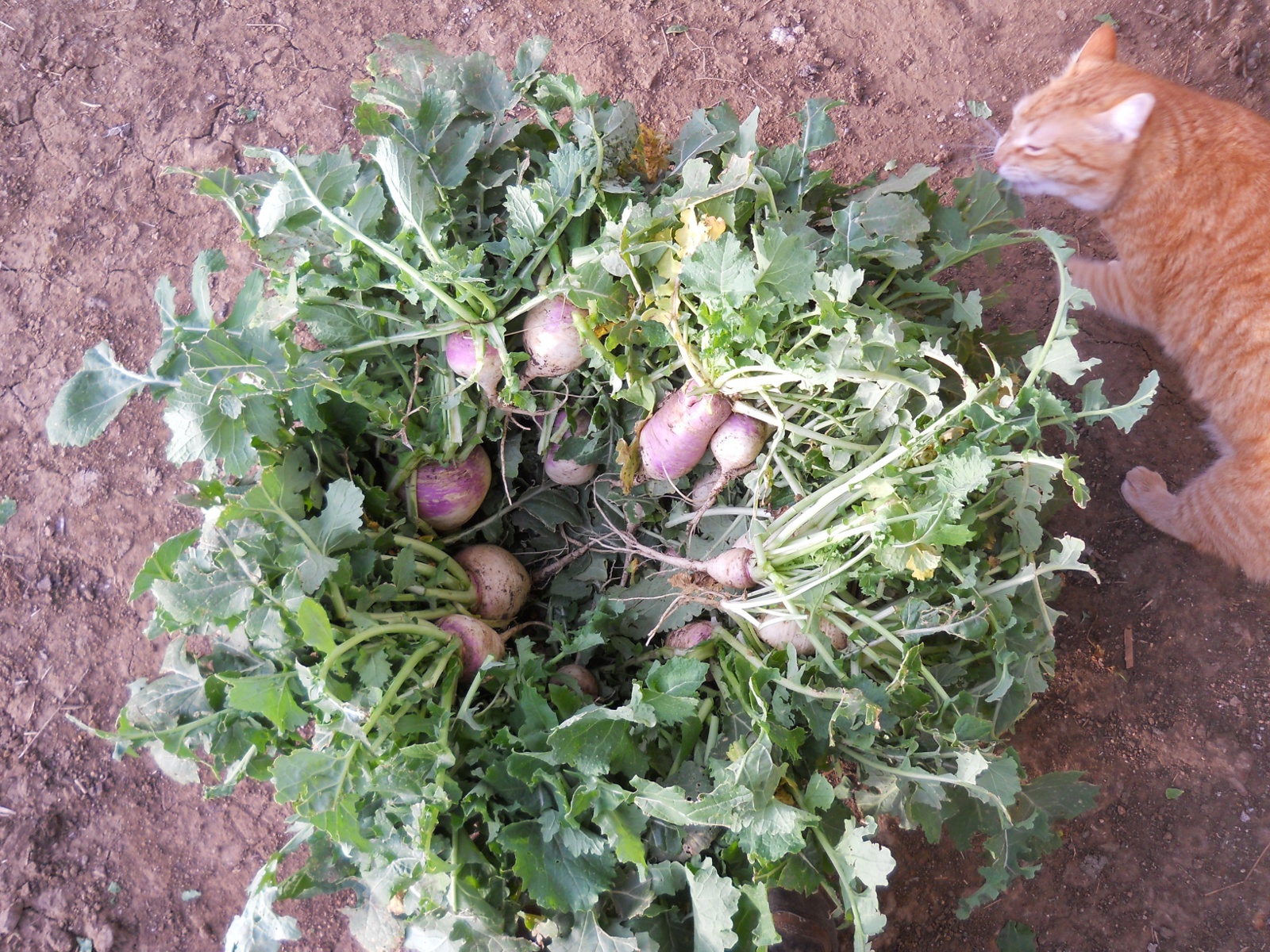
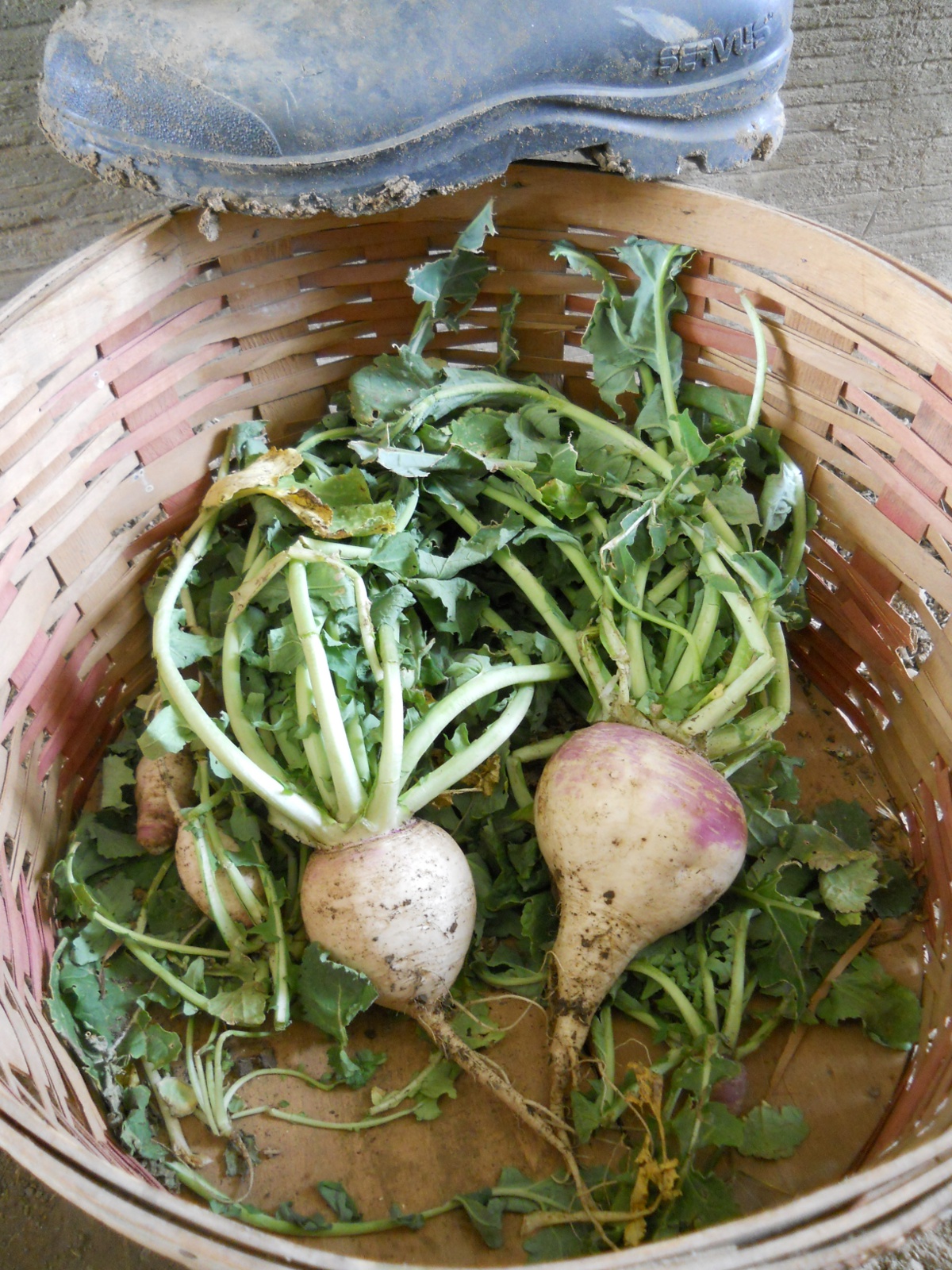
Here are the first turnips collected:

Turnips 2012 Collected in a Basket

You can see the size reference with the boot on top of the basket. They’re not all this big, but indeed some are fairly large:

Turnips 2012 Size Reference

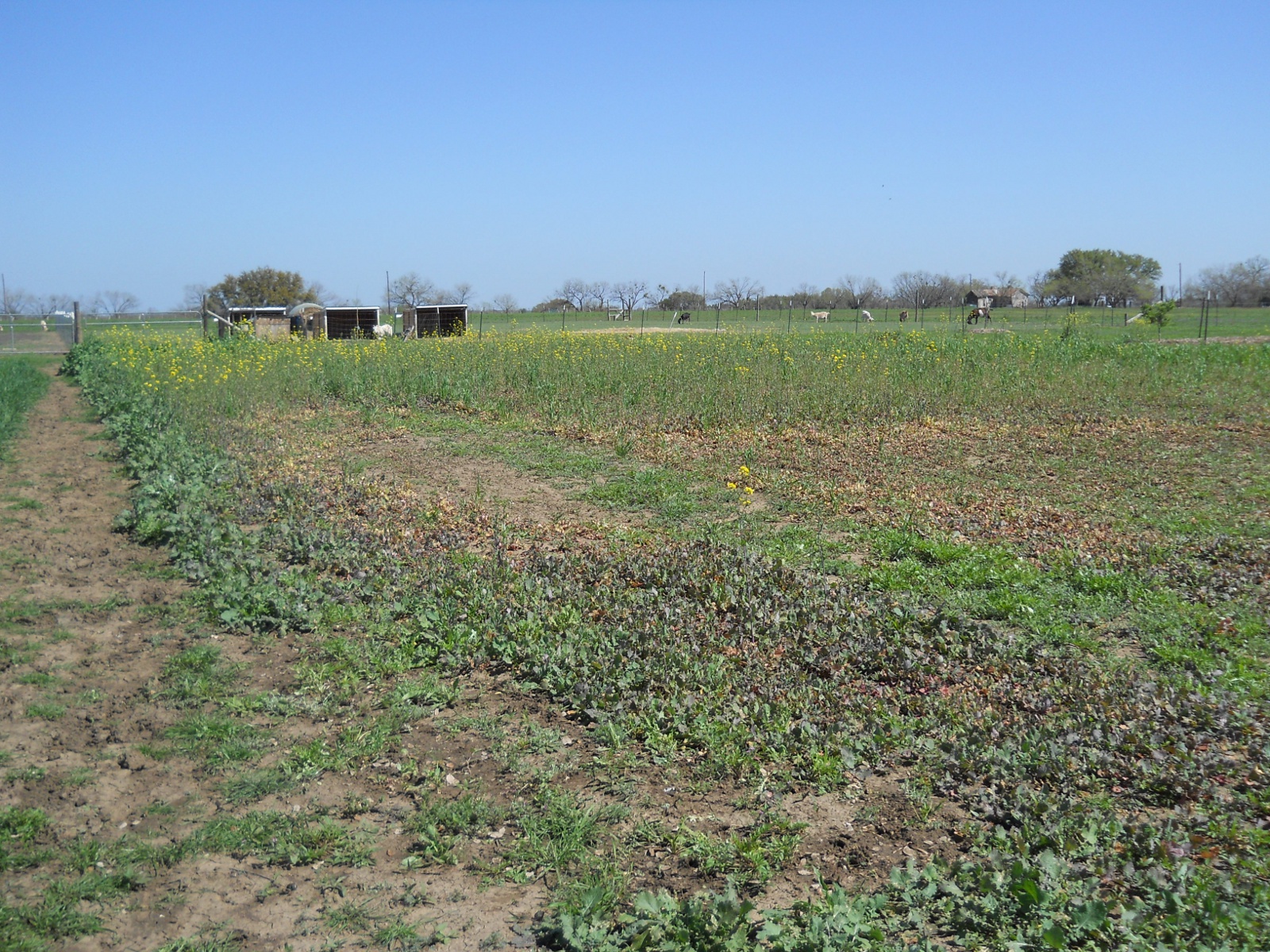
And here is what the turnip field looks like currently. Many have bolted, and the tops of some of them have begun to rot–we had several days recently after rains where the sun didn’t shine and things remained wet, although the turnips themselves are still good. I also think I waited too long to begin harvesting:

Turnips 2012 in the Field

We are using the turnips basically as pig food right now, and they love them! There haven’t been many more joyous and satisfying moments here on the land for me than when I am able to feed our pigs solely from off the land–truly “living our dream” of being independent from the world and dependent on God and His provisions directly!

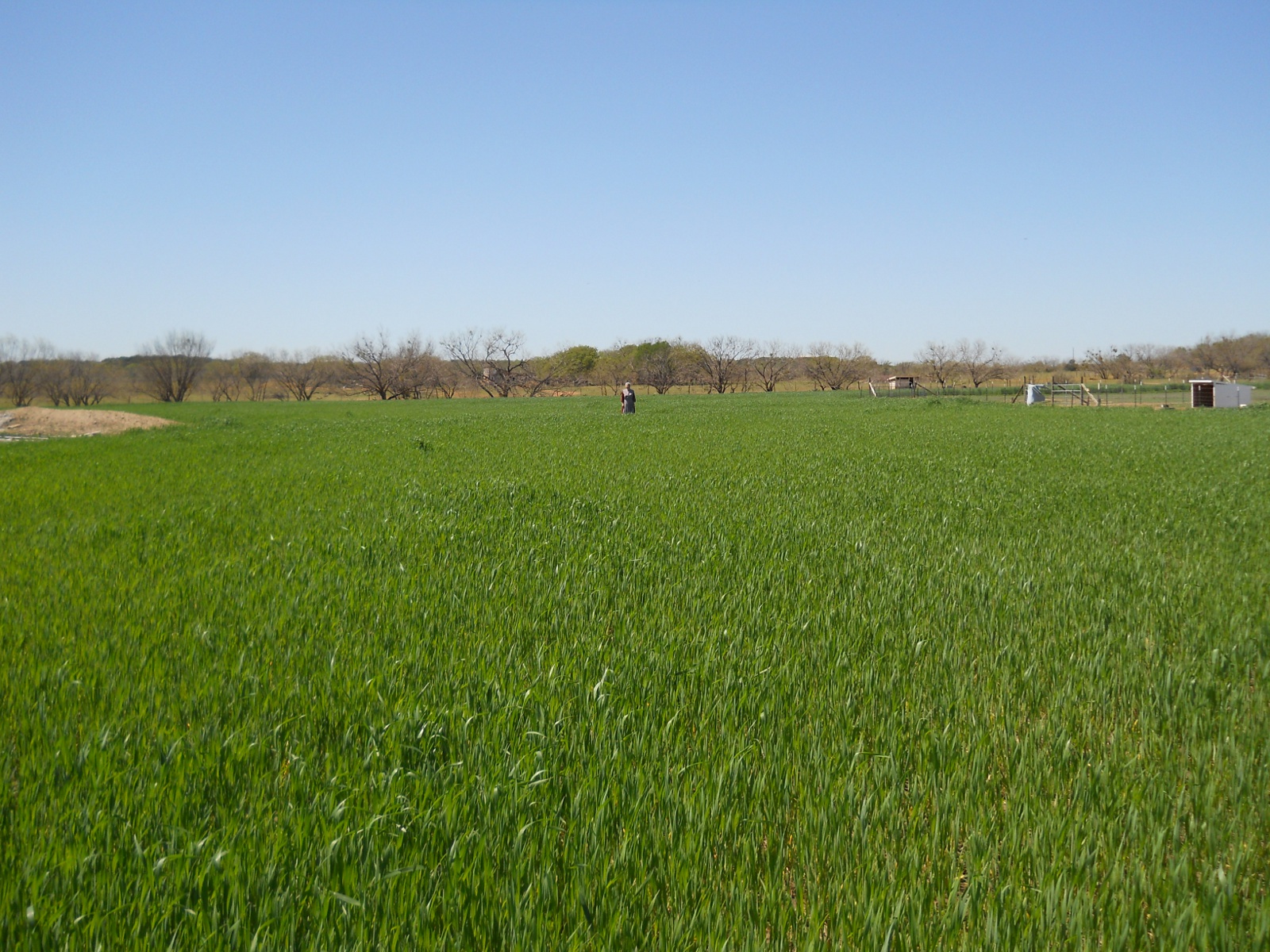
Here is the wheat field currently:

Wheat 2012

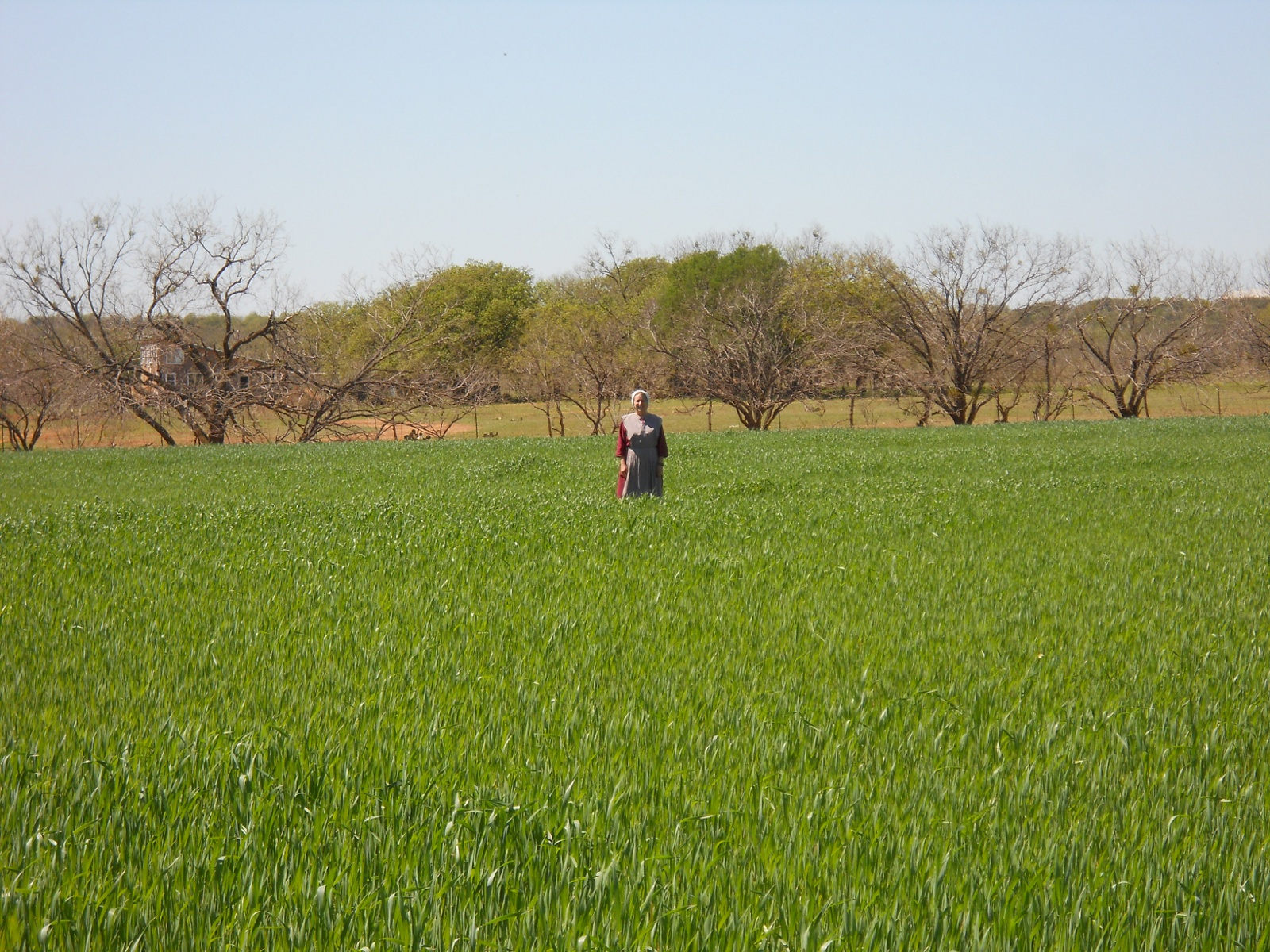
And here’s another picture with a closer view of Sue so you can get a better idea of the height, which is about up to our knees:

Wheat 2012 Up to Our Knees

We look forward to continuing to harvest the turnips and later the wheat, as the Lord wills; and we are grateful to Him for granting these provisions, and we pray He continue to help us in the steps of separation from the world as unto Him!

— David

Meat Dryer – Update I

In a previous blog post, I showed a meat dryer I had put together. This was for the purpose of brining and drying meat as a method of food preservation that didn’t require freezing or canning. We are always looking for ways to do this, as freezers and canners require dependence on the world systems for continuing supplies (fuel, electricity, parts, etc.).

The final picture of that blog post showed meat from one of our Longhorn bulls that had been butchered hanging and drying.

After a few weeks, at which time the meat looked about dry, I had collected the meat off of the dryer and put it in a plastic bucket and covered it, just as a place to contain it as I wasn’t exactly sure what to do with it (we’ve never processed meat like this before, you know 🙂 ). Well, since it was in plastic, which doesn’t breathe, I was a little worried that moisture, which is a seedbed for bacteria, had got in the bucket perhaps; and so I put the pieces back on the dryer again for a couple more weeks (they probably didn’t need to hang that long — I sort of just left them out there). This actually seemed to dry them out further.

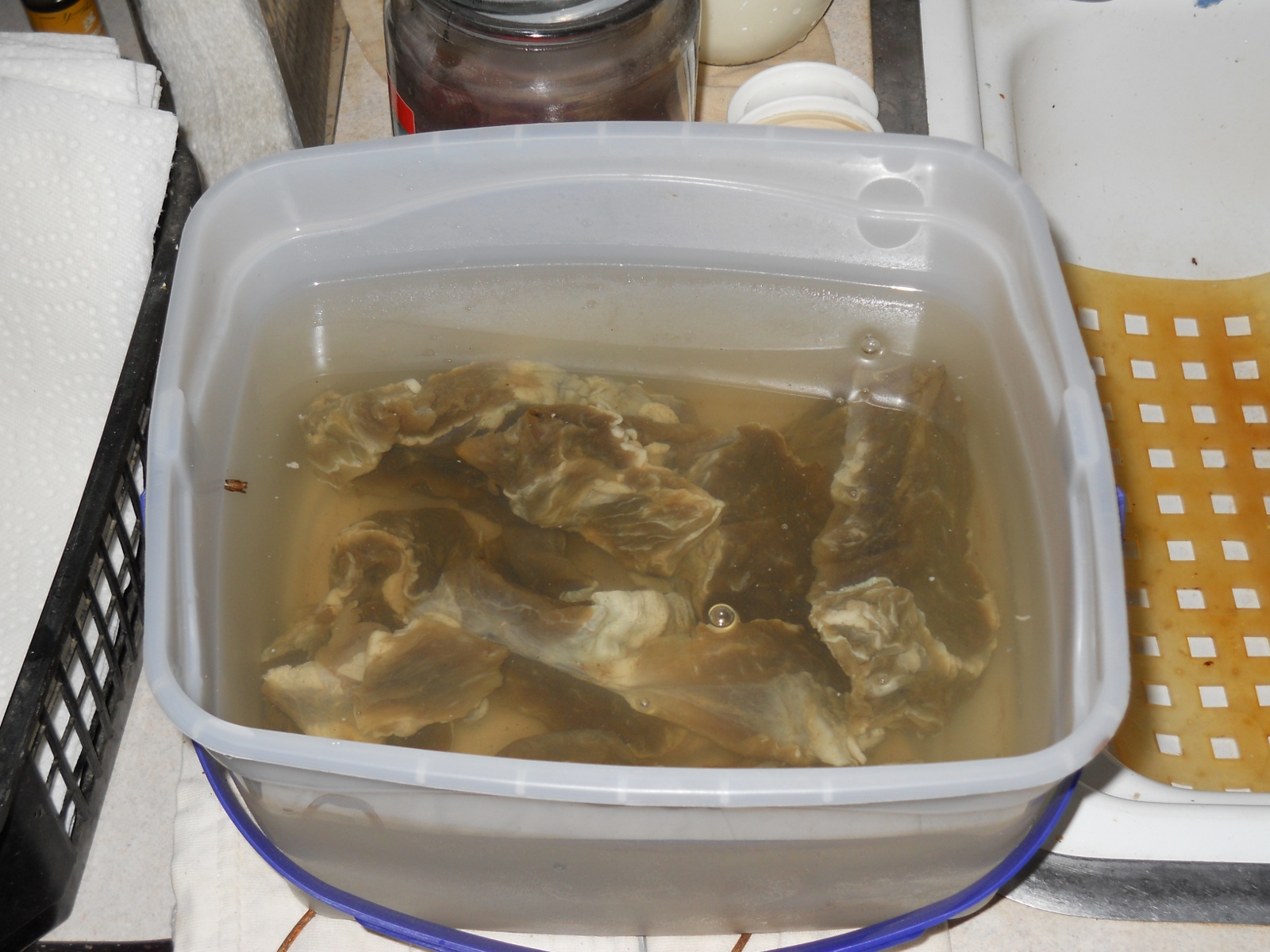
And then, all that was left, was to try out the goods! We soaked them in water for 24 hours, as after 12 hours the meat still wasn’t very pliable. Even after 24 hours, they weren’t much more softened; but I didn’t want to leave them out in the open in water like that too much longer for fear of bacterial growth, although the water was probably somewhat salty, which perhaps would have prevented any problems:

Meat Dryer Dried Meat Soaking in Water

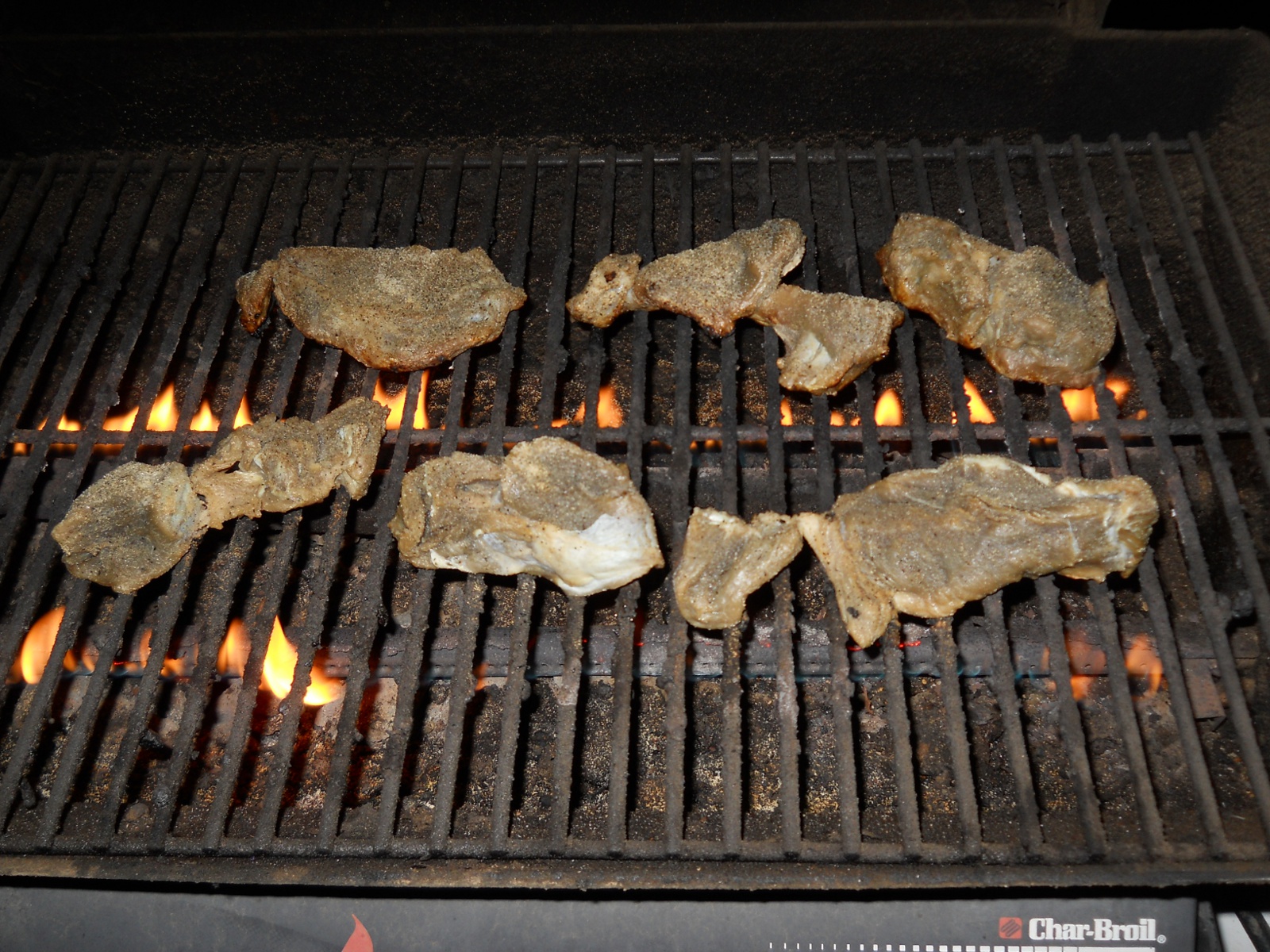
And then I cooked them on the grill:

Meat Dryer Dried Meat on Grill

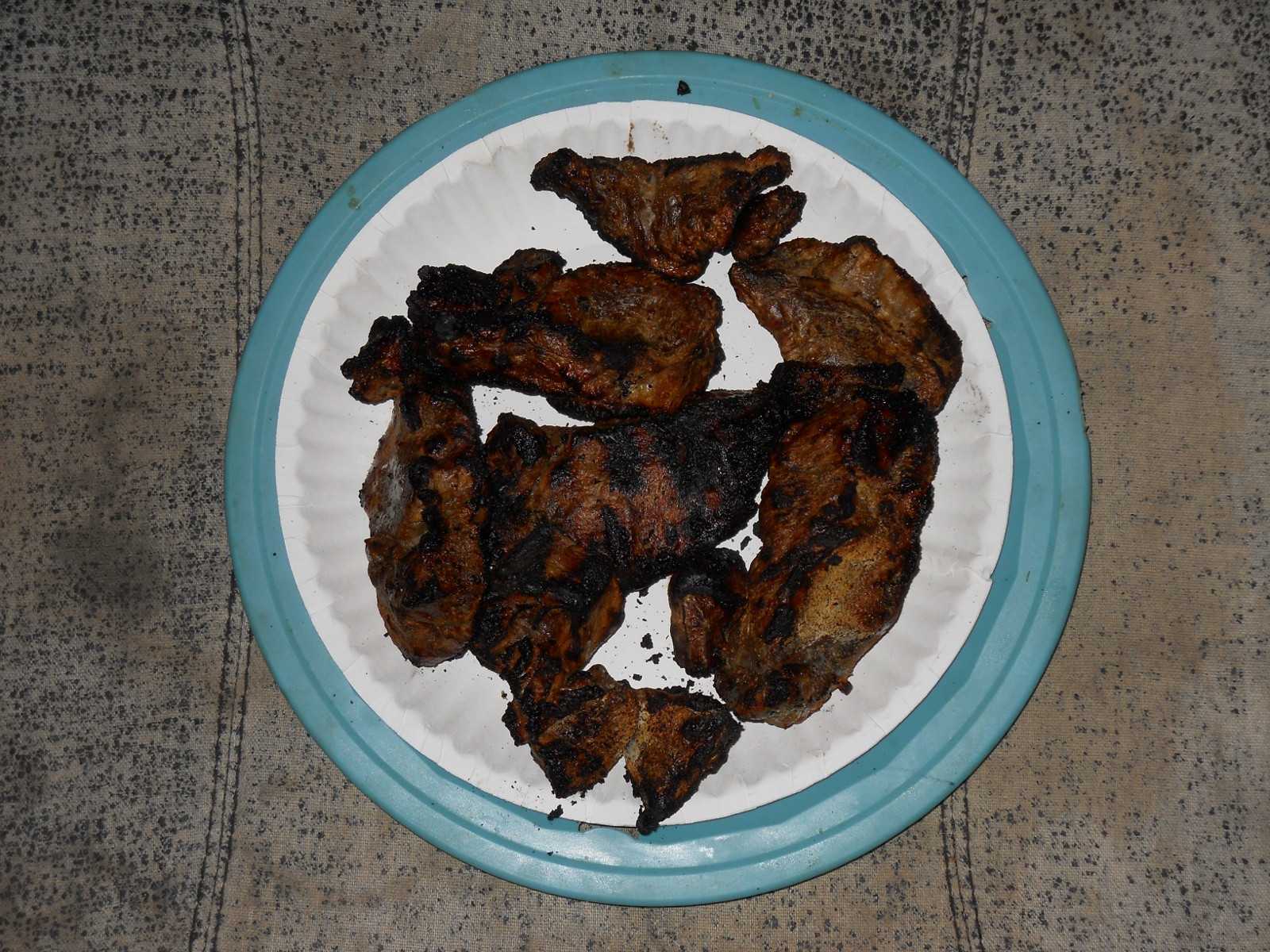
And here they are all cooked:

Meat Dryer Dried Meat Cooked and Ready

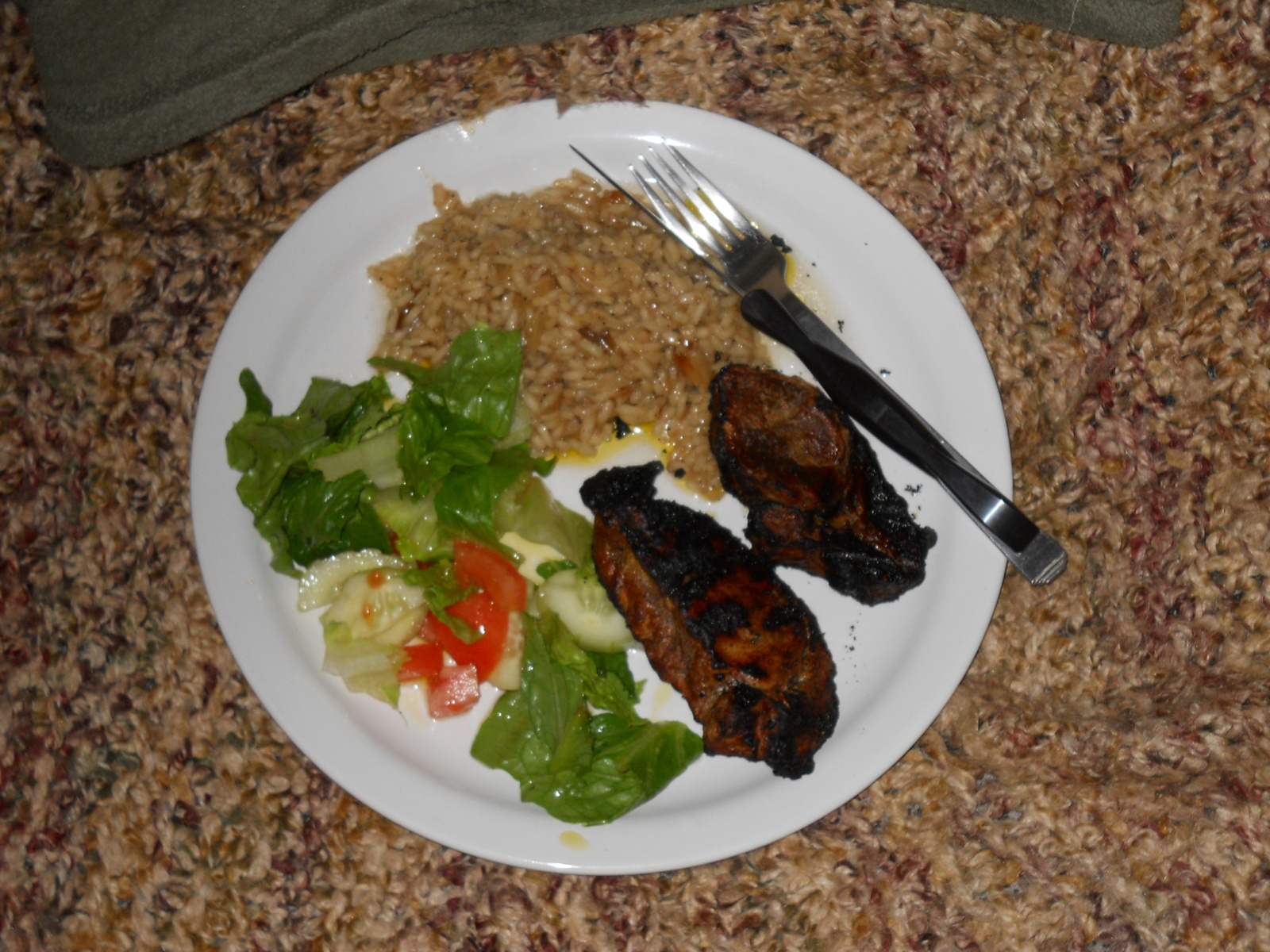
And here is the meal that Sue prepared for it:

Meat Dryer Dried Meat Ready to be Eaten

Drum roll please….

Well, obviously by the fact that I’m writing this, we didn’t die, which we thought was a plus on the whole experiment. 🙂 (Did I mention we’ve never preserved meat like this before, and being so colonized in our thinking that things MUST be frozen to keep, it was hard not to worry.)

At any rate, it was a little dry and a little tough to chew, but just tasted like well-done steak. It wasn’t salty, was certainly palatable, and except for the chewiness, was pretty good actually.

It did seem to stop up “the system” a little, but shortly things “moved” along as normal.

All in all, it wasn’t too bad, for meat that had never been processed the way the world says to do it. Perhaps we’ll try soaking it in a meat-tenderizing marinade the next time, Lord willing. Anyone have any recipes?

We are very grateful to the Lord for granting the knowledge of this food preservation method; His creation that graciously allows for the survival of man (eg. salt killing bacteria); His granting of a successful experiment in living according to His order of things; and for this step away from the world, we pray, as unto Him, for His glory.

— David

Providence’s Perpetuation Provisions: New Kids “Ralphie” and “Alice”

So, a little over five months ago, Sue saw Minnie, one of our does, with her hind-end backed up against the fence, and one of our bucks, Shatner, her sire, trying to perform his male duty. From a distance, it looked like he was able to accomplish his task — through the fence; but after Sue told me, I just couldn’t see how that was physically possible. But over the past couple of months, we saw Minnie looking pregnant; and I believe I felt one of the kids through her side.

Well, about a week and a half ago, I was looking over at the goats from our orchard and saw a black and white goat laying next to Minnie. I thought, “Wow, Minnie and Adeline (our black and white doe that is in the same pen with her) are sure cozying up.” But then I realized that the goat next to Minnie had long, floppy ears, whereas Adeline has the tiny LaMancha ears.

I ran up there, and sure enough, Minnie had given birth…to twins — a male and female.

Introducing Ralphie and Alice. Here’s Ralphie:

New Goat Kid Ralphie

And here’s Alice:

New Goat Kid Alice

And them together:

New Goat Kids Ralphie and Alice

And here is a video of them a few days old:

Although the inbreeding situation wasn’t what we had planned, we are thankful to the Lord for the new provisions, and that they appear to be healthy, and for the safe and healthy delivery for both Minnie and new kids.

— David

« Older posts Newer posts »